

Every time.
We believe everyone should be able to make financial decisions with confidence. While we don't cover every company or financial product on the market, we work hard to share a wide range of offers and objective editorial perspectives.
So how do we make money? Our partners compensate us for advertisements that appear on our site or when you click to or take an action on their website. This compensation helps us provide tools and services - like free credit score access and monitoring. With the exception of mortgage, home equity and other home-lending products or services, partner compensation is one of several factors that may affect which products we highlight and where they appear on our site. Other factors include your credit profile, product availability and proprietary website methodologies.
However, these factors do not influence our editors' opinions or ratings, which are based on independent research and analysis. Our partners cannot pay us to guarantee favorable reviews. Here is a list of our partners.
Best Unsecured Cards for Short Credit Histories of October 2026


Most credit cards are "unsecured," meaning you don't have to put down a security deposit to protect the issuer from risk. People with good or excellent credit don't have much trouble qualifying for unsecured cards. Those with short credit histories can have a harder time finding an unsecured card that will approve them without charging exorbitant fees. Even so, when it comes to getting approved for an unsecured credit card, a short credit history is better than none.
Our pick for: Accessibility
Purchase intro APRN/ABalance transfer intro APRN/ARegular APR24.99% Variable APRAnnual feeUp to $60Rewards rate1%CashbackIntro offerN/ARecommended credit scoreRewards breakdown
1%Cash back on Gas.1%Cash back on Groceries.Card details
- Start with up to $300 in credit — grow to $2,500+ over time.
- Earn 1% cash back on gas & groceries and other rewards as you level up.
- Apply in 5 minutes or less with no hard credit check and no security deposit.
- Meet Artie, your AI money coach — delivering instant answers, personalized credit-building tips, and smart guidance 24/7.
- See your cash flow in real time with personalized insights designed to guide you toward smart money habits.
- Build credit with reporting to all three major credit bureaus.
- The Arro Card is issued by Community Federal Savings Bank, member FDIC, pursuant to license by Mastercard International. Privacy Policy.
NerdWallet's take
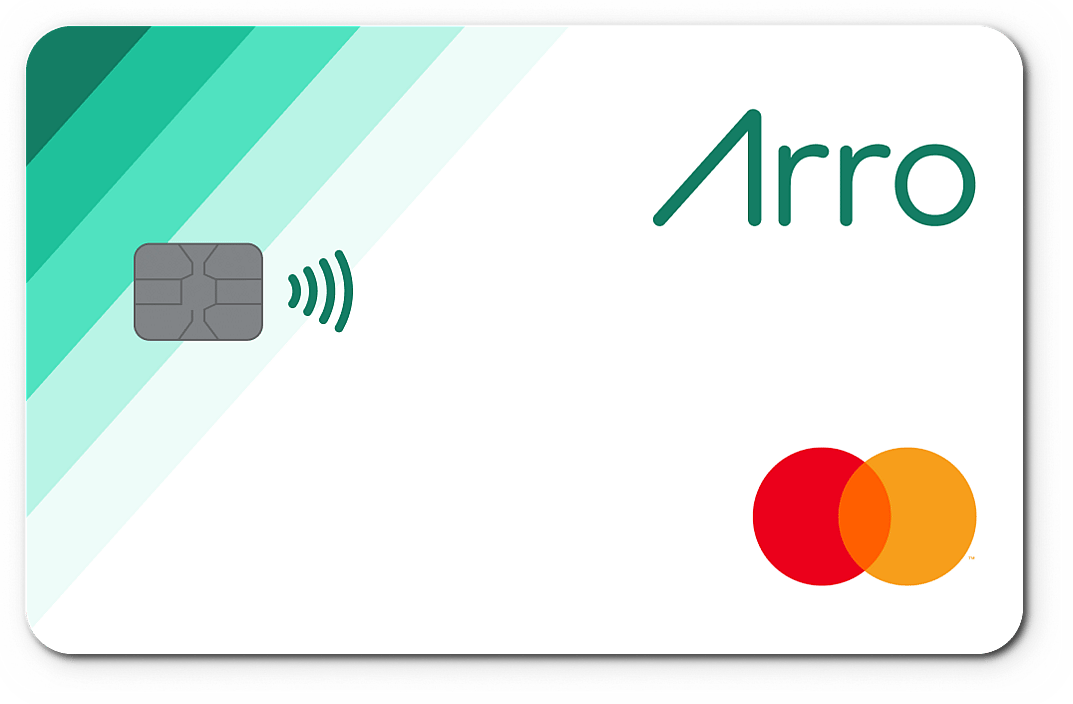
The Arro Card lowers a lot of barriers for those with bad or limited credit. Not only is there no security deposit, but there's no credit check either (even though the card reports to all three U.S. credit bureaus, which is ideal). You can "game" your way to a higher credit limit, and the card also earns modest rewards. You will, however, need to link a bank account with Arro, which is partly how the company determines your eligibility. You'll also need an Arro membership, which has a yearly fee of Up to $60.
Read full reviewProsNo hard credit check.
Comprehensive credit bureau reporting.
Rewards: 1% cash back on gas and groceries (including groceries purchased at Walmart and Target).
ConsAnnual fee: Up to $60.
No upgrade path.
Our pick for: Cash-back rewards
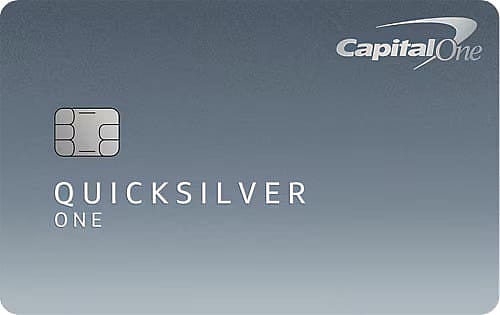 Apply Nowon Capital One's websiteon Capital One's websitePurchase intro APRN/ABalance transfer intro APRN/ARegular APR29.24% Variable APRAnnual fee$39Rewards rate1.5%-5%CashbackIntro offerN/ARecommended credit score
Rewards breakdown
5%Cash back on hotels, vacation rentals and rental cars booked through Capital One Travel.1.5%Cash back on every purchase, every day.Card details
- Earn unlimited 1.5% cash back on every purchase, every day
- No rotating categories or limits to how much you can earn, and cash back doesn't expire for the life of the account. It's that simple
- Be automatically considered for a higher credit line in as little as 6 months
- Enjoy peace of mind with $0 Fraud Liability so that you won't be responsible for unauthorized charges
- Help strengthen your credit for the future with responsible card use
- Earn unlimited 5% cash back on hotels, vacation rentals and rental cars booked through Capital One Travel
- Monitor your credit score with CreditWise from Capital One. It's free for everyone
- Check out quickly and securely with a contactless card, without touching a terminal or handing your card to a cashier. Just hover your card over a contactless reader, wait for the confirmation, and you're all set
- Top rated mobile app
- View Rates & Fees
NerdWallet's take
The Capital One QuicksilverOne Cash Rewards Credit Card earns an unlimited 1.5% cash back on purchases. When you're relatively new to credit, that kind of rewards rate is hard to find. You can also be automatically considered for a higher credit line in as little as six months.
Read full reviewProsYou'll get a solid flat rewards rate on all purchases, and you can redeem your rewards in any amount. If you tend to forget about your rewards, you can even set up auto-redemption, where cash back is automatically applied as a statement credit when it reaches a certain threshold. This card travels well, too, because there's no foreign transaction fee.
ConsThere's an annual fee of $39. That means you'd have to put at least $2,600 on this card each year to break even on rewards.
Our pick for: No annual fee + redemption simplicity
Purchase intro APRN/ABalance transfer intro APRN/ARegular APR35.99%Annual fee$0Rewards rate1%CashbackIntro offerN/ARecommended credit scoreRewards breakdown
1%Unlimited Cash Back on every purchase, everywhere MasterCard is accepted.Card details
- 1% Unlimited Cash Back on Every Purchase, Everywhere MasterCard is accepted.**
- No Limit on Monthly Rewards Earned
- Fast and easy application process
- Conveniently Pay Your Card Through Our Online Portal, 24/7
- Disclosure: If you are charged interest, the charge will be no less than $1.00
- Avant branded credit products are issued by WebBank.
- Eligibility for a card is not guaranteed. Your eligibility for a card depends on the information you provide in your application
- View Rates & Fees
NerdWallet's take
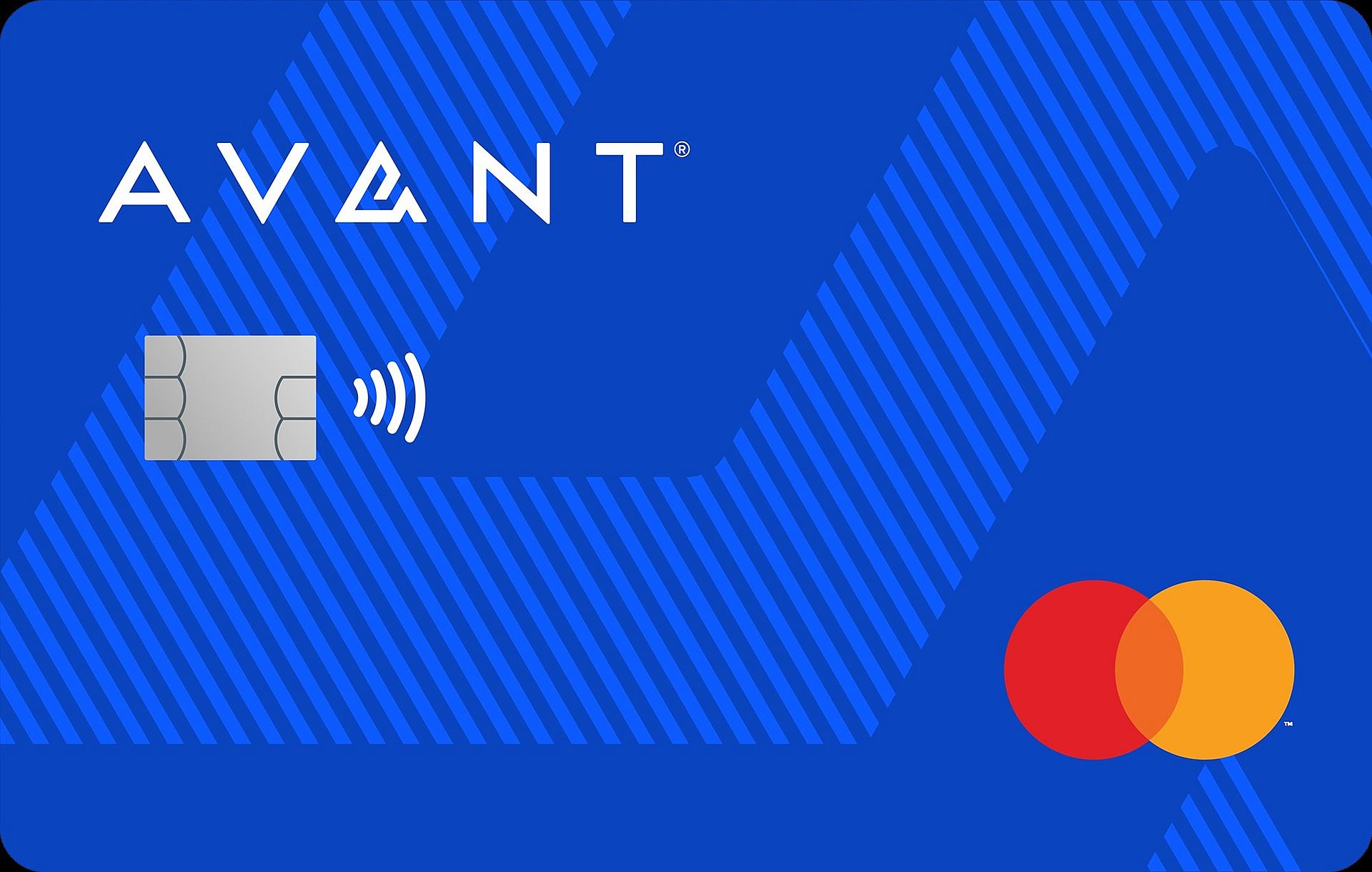
For an unsecured credit card for bad or limited credit, the $0-annual-fee AvantCard Credit Card boasts an impressive combination of hard-to-find features. While it can consider factors outside of your credit scores when determining your eligibility, it also reports to all three major U.S. credit bureaus, which can help those scores. It even earns rewards, which are automatically redeemed as statement credit at the close of every billing cycle. In addition, Avant will review your account regularly to see if you qualify for a higher credit limit.
Read full reviewProsA $0 annual fee.
Qualify with bad credit.
Comprehensive credit bureau reporting.
Rewards: 1% cash back on purchases.
ConsNot available in a handful of states.
No upgrade path.
Terms may differ if you apply outside NerdWallet.
Our pick for: No annual fee + boosting your credit limit
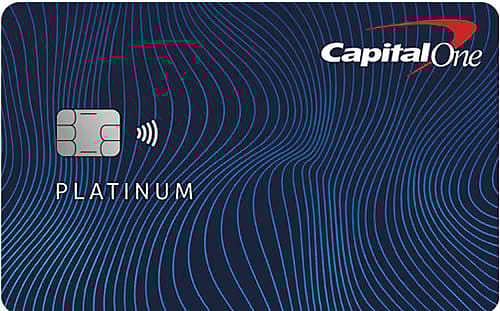 Apply Nowon Capital One's websiteon Capital One's websitePurchase intro APRN/ABalance transfer intro APRN/ARegular APR29.24% Variable APRAnnual fee$0Rewards rateN/AIntro offerN/ARecommended credit score
Card details
- No annual or hidden fees. See if you're approved in seconds
- Be automatically considered for a higher credit line in as little as 6 months
- Help build your credit through responsible use of a card like this
- Enjoy peace of mind with $0 Fraud Liability so that you won't be responsible for unauthorized charges
- Monitor your credit score with CreditWise from Capital One. It's free for everyone
- Get access to your account 24 hours a day, 7 days a week with online banking from your desktop or smartphone, with Capital One's mobile app
- Check out quickly and securely with a contactless card, without touching a terminal or handing your card to a cashier. Just hover your card over a contactless reader, wait for the confirmation, and you're all set
- Pay by check, online or at a local branch, all with no fee - and pick the monthly due date that works best for you
- Top rated mobile app
- View Rates & Fees
NerdWallet's take
For anyone who wants a no-fuss way to build their credit history and eventually increase their credit limit, the $0-annual-fee Capital One Platinum Credit Card keeps it simple.
Read full reviewProsAs with the Capital One QuicksilverOne Cash Rewards Credit Card, you can be automatically considered for a higher credit line in as little as six months. But unlike that card, this one doesn't cost you anything to keep in your wallet (assuming you don't carry a balance). There are also no foreign transaction fees.
ConsThere's no sign-up bonus, and the card earns no rewards. There's also no introductory 0% APR period for purchases or balance transfers. Use this card to build credit, then move on up.
2026 Best credit card for college students
Purchase intro APR0% intro APR on purchases for 6 monthsBalance transfer intro APRN/ARegular APR16.74%-25.74% Variable APRAnnual fee$0Rewards rate1%-2%CashbackIntro offerCashback Match™Recommended credit scoreRewards breakdown
2%Cash back at Gas stations on up to $1,000 in combined purchases each quarter, automatically.2%Cash back at Restaurants on up to $1,000 in combined purchases each quarter, automatically.1%Cash back on all other purchases.Card details
- 0% intro APR on purchases for 6 months, then the standard variable purchase APR of 16.74% - 25.74% applies
- INTRO OFFER: Unlimited Cashback Match for all new cardmembers. Discover will automatically match all the cash back you’ve earned at the end of your first year! There’s no minimum spending or maximum rewards. You could turn $50 cash back into $100. Or turn $100 cash back into $200
- Earn 2% cash back at Gas Stations and Restaurants on up to $1,000 in combined purchases each quarter, automatically. You'll still earn unlimited 1% cash back on all other purchases
- Redeem cash back for any amount
- No annual fee
- Terms and conditions apply
- View Rates & Fees
NerdWallet's take
The Discover it® Student Chrome shines with its no-maintenance rewards structure and student-friendly bonus categories. You also get a free FICO score, low fees, and forgiveness for your first late payment. Plus, Discover says there's no FICO history requirement for this card.
Read full reviewProsYou earn 2% cash back at restaurants and gas stations, on up to $1,000 in combined purchases per quarter, and 1% cash back on all other purchases. (Unlike with Discover's other student card, you don't have to "activate" your bonus rewards.) The annual fee is $0. There's also Discover's signature bonus for new cardholders.
ConsAlthough there's no foreign transaction fee, Discover isn’t as widely accepted abroad as other cards. If you plan to travel internationally, make sure you have a backup plan.
Compare the Best Unsecured Credit Cards
| Credit card | NerdWallet rating | Annual fee | Intro APR | Regular APR | Learn more |
|---|---|---|---|---|---|
 Arro Card Arro CardApply Nowon Arro's website on Arro's website | Best for Accessibility | Up to $60 | N/A | 24.99% Variable APR | Apply Nowon Arro's website on Arro's website |
| Capital One QuicksilverOne Cash Rewards Credit Card Apply Nowon Capital One's website on Capital One's website | Best for Cash-back rewards | $39 | N/A | 29.24% Variable APR | Apply Nowon Capital One's website on Capital One's website |
 AvantCard Credit Card AvantCard Credit CardApply Nowon Avant's website on Avant's website | Best for No annual fee + redemption simplicity | $0 | N/A | 35.99% | Apply Nowon Avant's website on Avant's website |
| Capital One Platinum Credit Card Apply Nowon Capital One's website on Capital One's website | Best for No annual fee + boosting your credit limit | $0 | N/A | 29.24% Variable APR | Apply Nowon Capital One's website on Capital One's website |
2026 Best credit card for college students  Discover it® Student Chrome Discover it® Student ChromeApply Nowon Capital One's website on Capital One's website | Best for College students | $0 | 0% intro APR on Purchases for 6 months | 16.74%-25.74% Variable APR | Apply Nowon Capital One's website on Capital One's website |
More about our picks
Capital One QuicksilverOne Cash Rewards Credit Card
Our pick for: Cash-back rewards
Designed for consumers with fair or "average" credit, the Capital One QuicksilverOne Cash Rewards Credit Card earns 1.5% cash back on purchases and 5% cash back on hotels, vacation rentals and car rentals booked through Capital One. Those are the same rewards rates as on the original Quicksilver card available to people with excellent credit. There are two key differences between the cards, however. First, this version has an annual fee (see rates and fees), while the original does not. Second, the fair-credit version lacks the sign-up bonus and introductory APR period of the original. The fee is the biggest drawback; bonuses and 0% periods are rare on cards for people still building their credit, but you can find good $0-fee alternatives. On the flip side, with this card, you can be considered for a higher credit limit in as little as six months, which makes it attractive for those who want simple rewards while they work to build their credit. Read our review of the Capital One QuicksilverOne Cash Rewards Credit Card.
» For higher rewards in certain categories: Capital One SavorOne Cash Rewards Credit Card
Capital One Platinum Credit Card
Our pick for: No annual fee + boosting your credit limit
The Capital One Platinum Credit Card isn’t flashy. It offers no rewards and is light on perks, but if you use it the way it was intended — to build credit — you don’t have to be disappointed. You can qualify for this card with fair or average credit, and it doesn’t have an annual fee (see rates and fees). Plus, Capital One automatically reviews your account to see whether you qualify for a credit limit increase is as little as six months from the time you open the card. To boost your chances of that, use your card responsibly by keeping your balance low and paying your bill on time and in full. Responsible credit use, of course, is key to credit score improvement. As your scores improve, you can look at upgrading to one of Capital One’s rewards cards, which offer the kinds of benefits this one lacks. Read our review of the Capital One Platinum Credit Card.
» For rewards with fair credit: Capital One SavorOne Cash Rewards Credit Card.
Upgrade Cash Rewards Visa®
Our pick for: Cash back + flexibility
The $0-annual-fee Upgrade Cash Rewards Visa® is a cross between a credit card and a personal loan, and it can offer the best of both worlds: flexibility, but with predictable terms from month to month. The card also lets you see what terms you'd qualify for before officially applying. And on top of all that, it earns cash back, too. Read our review.
See more from Upgrade
Upgrade Select Visa®:
Credit Lines opened through Upgrade feature Annual Percentage Rates (APRs) of 21.96% - 29.99% based on creditworthiness. Balance transfers are subject to a fee of up to 5% per transfer. Foreign transactions are subject to a fee of up to 3% per transaction. If incurred, these fees will increase your finance charge and APR. A late fee of up to $29 per late payment may apply. Annual Fee of $39 per year. The lowest rates require Autopay. For example, a $1,000 card purchase with a 36 month term and a 22.00% APR has a required monthly payment of $38.68. The APR on your transaction may be higher or lower. Your rate, line amount, and default term depend on maintaining a qualifying credit score, your credit usage history, requested amount, and other factors. The Upgrade Card is unique in that it allows you to obtain a series of closed-end loans which you may access through transactions such as card purchases up to your approved line amount. As you repay your balance, additional credit may become available to you up to the approved line amount subject to meeting our credit requirements, but your line will not replenish automatically
Upgrade Life Rewards Card:
*By paying off your statement balance in full by the EarlyPay payment date, which is two calendar days after your statement closing date, you will avoid daily interest on any new transactions until the following EarlyPay payment date. Refer to your Personal Credit Line Agreement for EarlyPay terms and information. If the balance is not paid in full by the EarlyPay payment date, daily interest will begin to accrue after the Early Pay payment date for past and new transactions. To maintain good standing on your account, you must make at least the required monthly payment by the monthly payment due date, which is 22 calendar days after the statement closing date. You may pay down your full balance at any time to stop further interest charges.
Upgrade Cash Rewards Visa®, Upgrade Triple Cash Rewards Visa®, Upgrade Life Rewards Card:
Credit Lines feature Annual Percentage Rates (APRs) of 14.99% - 29.99% based on creditworthiness. The lowest rates require Autopay and the majority of line amounts will be $15,000 or under. For example, a $1,000 card purchase with a 36 month term and a 19.99% APR has a monthly payment of $37.55. Optional cash transfers to your bank account and balance transfers are subject to a fee of up to 5% of each draw or transfer. Foreign transactions are subject to a fee of up to 3% per transaction. ATM withdrawal fees may apply. If incurred, these fees will increase your finance charge and APR. A late fee of up to $29 per late payment may apply. Your rate, line amount, and default term depend on maintaining a qualifying credit score, your credit usage history, requested amount, and other factors. The Upgrade Card is unique in that it allows you to obtain a series of closed-end loans which you may access through transactions such as card purchases up to your approved amount. As you repay your balance, additional credit may become available to you up to an approved amount subject to meeting our credit requirements, but your line will not replenish automatically.
All Upgrade cards:
To qualify for the welcome bonus, you must open and fund a new Rewards Checking Preferred account through Upgrade and make 3 qualifying debit card transactions from your Rewards Checking Preferred account within 60 days of the date the Rewards Checking Preferred account is opened. If you have previously opened a checking account through Upgrade or do not open a Rewards Checking Preferred account as part of this application process, you are not eligible for this welcome bonus offer. Your Upgrade Card and Rewards Checking Preferred account must be open and in good standing to receive a bonus. To qualify, debit card transactions must have settled and exclude ATM transactions. Please refer to the applicable Upgrade Visa® Debit Card Agreement and Disclosures for more information. Welcome bonus offers cannot be combined, substituted, or applied retroactively. The bonus will be applied to your Rewards Checking Preferred account as a one-time payout credit within 60 days after meeting the conditions. This one-time bonus is available through this Upgrade Card offer and may not be available for other Upgrade Card offers.
Prosper® Card
Our pick for: Help for 'less than perfect credit'
The Prosper® Card doesn't offer rewards, and it charges an annual fee, but the issuer goes out of its way to encourage people with "less than perfect credit" to apply. If you're looking to beef up your credit, it's a decent place to start. Read our review.
Discover it® Student Chrome
Our pick for: College students
The Discover it® Student Chrome checks so many boxes for a starter credit card that it was named the best college student card in NerdWallet's annual Best-Of Awards for every year but one from 2020 to 2026. You don't need a FICO credit history to apply, it has a $0 annual fee so you can keep it open long after graduation, it reports payments to all three major credit bureaus, and it has a simple rewards structure that doesn't require management. There are incentives rarely found on student cards, such as an intro APR period and a bonus offer for new cardholders. The card even waives your first late fee, a welcome spot of forgiveness for those just getting started with credit. The downsides of the card are minor, but still worth taking into account. One is the rewards, which are fairly meager compared with what you can get on other student cards, including from Discover. Another is Discover's limited acceptance outside the U.S., which can be an issue if you plan to study abroad. Read our review of the Discover it® Student Chrome.
» For broader acceptance abroad: Bank of America® Travel Rewards credit card for Students
AvantCard Credit Card
Our pick for: No annual fee + redemption simplicity
The AvantCard Credit Card is an ideal unsecured option for those with poor or thin credit. It doesn't require a deposit as collateral, and when evaluating your application, it can take into account factors beyond just your credit scores, such as your bank account balance. The card reports to all three major U.S. credit bureaus, which means using it responsibly — paying in full and on time each month — can help your credit. Plus, if you apply through NerdWallet and are approved, you'll get a $0-annual-fee card that also earns modest rewards: a flat 1% cash back on all purchases. On top of all that, your account is periodically reviewed to determine whether you're eligible for an increased credit limit, which might ultimately help your credit utilization ratio, a key factor in your credit scores. Still, there are two caveats to keep in mind: The card isn't available in every state, and once you've used it to improve your credit, there's no upgrade path to a better card from the company. Read our review of the AvantCard Credit Card.
» For richer rewards and better upgrade options: Discover it® Secured Credit Card
Arro Card
Our pick for: Accessibility
The strength of the Arro Card is its accessibility for those with poor, thin or no credit. It doesn't require a security deposit, and there's no credit check. Instead, the card considers other data points like your income and bank account information. (As such, you'll have to connect a bank account to apply.) The card reports to all three major U.S. credit bureaus, which is a must-have for those seeking to build or rebuild credit. It's not free to hold, though. There's technically no annual fee, but to get the card you'll need an Arro membership, which comes at a yearly cost of Up to $60 — not as pricey as some other unsecured credit cards, but also not refundable, as a security deposit would be. The good news is that you may be able to offset that cost thanks to the Arro Card's modest rewards on gas and groceries, two major line items in most household budgets. The card even offers ways to increase your credit limit over time, if you don't mind taking part in certain gamified tasks. Just note that as with many other "alternative cards," there's no upgrade path to a better product from Arro once you're ready. Read our review of the Arro Card.
» For a less expensive unsecured option for bad credit: AvantCard Credit Card
How we choose the best credit cards
Our team of credit card experts has developed a rigorous methodology to determine how much value a card delivers and how it stacks up against its competitors.
400+
Cards reviewed

400+
Cards reviewed
NerdWallet’s experts have reviewed more than 400 cards, from the most popular options at the biggest banks to store cards to niche cards from startups and small issuers.
8
Categories scored

8
Categories scored
Credit cards are so diverse that properly rating them with a single formula is impossible. We’ve built eight rubrics, plus variations, so we can score each card on what matters.
50+
Data points analyzed

50+
Data points analyzed
Our ratings consider not just a card’s rates, fees, rewards and perks, but also how easy or hard it is to get that card, manage it and enjoy its advertised benefits.
Star rating categories
What you want out of, say, a cash back credit card is fundamentally different from what you’re looking for in a balance transfer card or a card for building credit. That’s why we have different scoring models that put weight on different features.
Cash back cards
General travel cards
Balance transfer cards
Branded airline cards
Branded hotel cards
Credit builder cards
College student cards
Small business cards
Cash back cards
Our formula looks at how much cash back you could expect to earn from typical household spending. We consider rewards rates and categories, bonus offers and the cash value of other benefits, as well as any annual fee. The rating is also influenced by the complexity of the rewards structure.

General travel cards
We consider how many points you could expect to earn from typical household spending, along with per-point values and redemption options. We add in the cash value of bonus offers and other benefits, subtract annual fees and other costs, and take into account the complexity of the rewards structure.

Balance transfer cards
Our balance transfer rubric calculates how much money a card could save you with a low or 0% interest rate. Primary factors include the length and structure of the introductory APR period and the balance transfer fee. We also consider long-term value, such as whether the card offers rewards.

Branded airline cards
We calculate how many miles you could expect to earn from typical household spending and what those miles are worth based on our valuations. We add in the cash value of bonus offers and perks such as free checked bags and lounge access, and we subtract annual fees and other costs.

Branded hotel cards
We calculate how many points you could expect to earn from typical household spending and what those points are worth based on our valuations. We add in the cash value of bonus offers and perks such as free nights and automatic elite status, and we subtract annual fees and other costs

Credit builder cards
Our rubric focuses on accessibility (such as whether a credit check is required), out-of-pocket costs (such as annual fees or minimum security deposits), credit-building features (such as bureau reporting and access to a free credit score) and upgrade options when you’re ready to move on.

College student cards
Our formula calculates the rewards you could expect to earn on spending typical for a college student and takes into account the cash value of bonus offers and other benefits. Accessibility to students without established credit is a key consideration, as is the effort required to manage the card.

Small business cards
Our star ratings criteria for small business credit cards are similar to those for consumer cards, although they account for potentially higher spending levels and higher credit limits, as well as rewards structures and bonus categories tailored specifically to entrepreneurs and business operators.

NerdWallet's Credit Cards team selects the best credit cards in various categories based on overall consumer value, as evidenced by star ratings, as well as their suitability for specific kinds of consumers. Factors in our evaluations include fees, promotional and ongoing APRs, and sign-up bonuses; for rewards cards, we consider earning and redemption rates, redemption options and redemption difficulty. Because different consumers can have markedly different needs, preferences and spending habits, we recognize that there is rarely a single credit card that is "best" for everyone. That's why this page includes a variety of options to suit an array of circumstances. Also, a single card is eligible to be chosen as among the "best" in multiple categories.
Our star ratings provide a quick way to compare credit cards. We assess the features of a card, score those features according to how they compare with other options on the market, and assign the card a rating of 1 to 5 stars based on those features. In general, a card that rates 4.5 stars will be a better value for more people than a card that rates 4.0 stars. However, the 4.0 card might be better than the 4.5 card for an individual consumer depending on that person’s circumstances. Further, ratings are only comparable within categories. If you're looking for rewards, for example, a 3.5-star cash back card will be of greater value than a 5.0-star balance transfer card or a 4.5-star credit-builder card. Star ratings are an important consideration in which cards appear on our "best" pages, but they are not the sole determining factor. Learn how NerdWallet rates credit cards.
