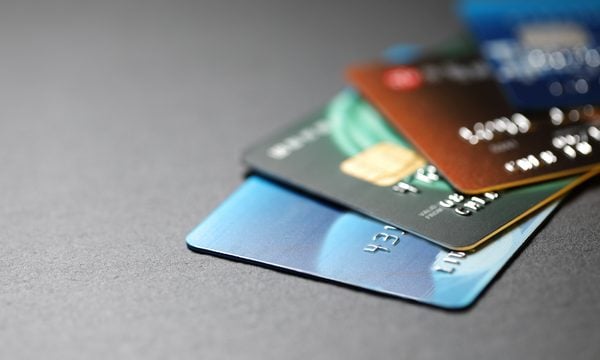
A cash advance allows you to use your credit card to get a short-term cash loan at a bank or ATM. Unlike a withdrawal from a bank account, a cash advance has to be paid back — just like anything else you put on your credit card. Think of it as using your credit card to "buy" cash rather than goods or services.
It's convenient, but it's quite expensive.
Need money fast? Also consider: |
How a cash advance works
As the U.S. has become an increasingly cashless society, with credit and debit cards enjoying broad acceptance among merchants, cash advances have become far less common, and less necessary. Still, there are times when you might need paper money and either don't have access to your bank account or don't have enough in it. That's when a cash advance becomes tempting.
If your credit card has a PIN, you can get cash advances directly from an ATM. Otherwise, you can take your card to a bank that offers advances through your card's payment network, such as Mastercard or Visa. You'll have to show ID.
Be aware that most credit card companies won’t allow you to take your entire credit line in the form of a cash advance. For most people, cash advances are capped at a few hundred dollars. This means that you can’t rely on your credit card to provide you with much cash in an emergency.

Why cash advances are expensive
Obtaining a cash advance is relatively easy, but it's one the costliest ways to get your hands on some cash. Cash advances can come with a variety of charges:
Cash advance fees. These are imposed by your card issuer. Some cards charge a flat fee per advance, say $5 or $10. Others charge a percentage of the amount advanced — often as much as 5%. Sometimes it's a percentage with a minimum dollar amount — such as 3% or $10, whichever is greater.
ATM or bank fees. These are imposed by the financial institution that handles the transaction — the owner of the ATM or the bank where you get your advance.
Interest. This can be costly in two ways. First, the interest rate that a credit card charges on cash advances is often higher than the rate charged on purchases. Second, interest on cash advances usually starts accruing immediately. There's no grace period like you can get with purchases.
Given the costs associated with them, cash advances should be considered only in extreme emergencies. If you find yourself relying on them, it may be time to make some changes or seek help, say, through a credit counseling agency or expert.
Alternatives to cash advances
If you do find yourself facing a cash crisis and you’re not sure where to turn, consider the options below. None may be exactly ideal, but they could end up costing less than a cash advance in the long run:
Borrowing money from friends or family. This might be awkward, but the savings will be worth it.
A personal loan. This can be expensive if your credit isn’t great, but the interest and terms may be more favorable than on a cash advance. (Learn more about personal loans.)
Promotional offers from your card's issuer. In recent years, several credit card issuers have unveiled cheaper ways to tap into your credit line, including the ability to essentially turn your available credit into an installment loan without requiring a new loan application. You'll still be charged interest on such a feature, but potentially at a fairly reasonable rate. See the video below for more.

In summary, taking a cash advance on your credit card means taking on a very expensive short-term loan. This is almost never a good idea, so consider all other options before using a cash advance.