Scared Stiff About Frozen Pipes? Here’s How to Keep Yours Safe


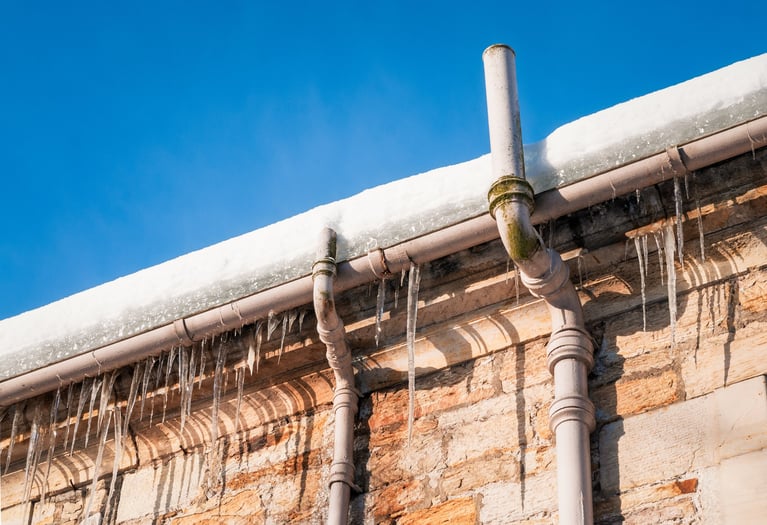
With much of Canada experiencing sub-zero temperatures, it’s a good time to make a frozen-pipe prevention plan.
When pipes freeze, the water inside them expands, potentially splitting or cracking the pipes. When they thaw, pressure in the pipes can force water through these cracks, causing serious damage to your home.
We turned to Reddit to look at the posted experiences and insights from Canadians in the r/toronto subreddit who have faced this issue. Here are their top tips for preventing and managing frozen or burst pipes.
Use a space heater to keep pipes warm
Take note of the temperature in areas of your home that contain plumbing. If any of the walls with pipes in them are in especially chilly areas, try turning up the heat in those rooms or using a space heater to target specific spots.
“Our outdoor cutoff valve is in a corner of our basement that gets pretty chilly and [the space heater] keeps it much better,” one Redditor shared. They went on to say that the space heater likely saved them from a “plumbing emergency.”
Running a space heater will increase your electricity use, but it may be worth it to prevent a plumbing problem. Depending on the temperature, you may only need to warm these areas on nights when it’s especially cold.
Celebrity contractor Mike Holmes recommends keeping homes at a temperature of at least 16 degrees Celsius to prevent freezing.
Track temperature changes
Some home security systems include features like environmental monitoring which will check for drastic temperature or moisture fluctuations within your home.
You can purchase standalone devices to do this as well; one Redditor mentioned that a Ring device equipped with freeze sensing technology alerted them to plunging temperatures in their basement.
With such a device in place, you’ll receive alerts, usually to your smartphone, if the temperature or humidity falls outside an established window.
Keep a trickle of water flowing
One Redditor suggested that leaving a trickle of water flowing through the pipes — sometimes called “dripping the faucet” — would prevent them from freezing. They added that tepid or warm water, rather than cold, may be best, because an especially cold section of pipe could still freeze, otherwise.
In many cases, regular use is likely enough to prevent stagnant water from freezing in your pipes. Just in case, the Home Depot recommends keeping a drip running through taps in your kitchen sink, bathroom sinks, and bathtub whenever outdoor temperatures are below freezing.
Know where your water shut-off valves are
If the worst happens, and a pipe does freeze, being able to shut your water off at the source can help limit potential water damage.
One Redditor recommended that homeowners familiarize themselves with the location of their water shut-off valve and the tool needed to shut it just in case of an issue. These valves control the flow of water from the water main into your home’s plumbing system.
Water shutoff valves are usually located in a home’s basement, close to a wall. In condos, they may be located under the sink in the bathroom.
Not all home insurance policies cover water damage caused by frozen and burst pipes. Be sure to review your specific policy, and work with your insurer to make adjustments if you live in an area where frozen pipes present a persistent risk.
Be proactive about protecting your pipes
Anticipating the risk of frozen pipes gives you the best chance of avoiding plumbing disasters. Locating your water shut-off valve will enable you to mitigate water damage if freezing does lead to a leak.
Notice which areas of your home are chronically cool and consider investing in a space heater to warm them if they contain pipes.
Take note of any plumbing in exterior walls and do your best to ensure it’s insulated or warmed to prevent freezing on days when the temperature is slated to dip — wrapping exposed pipes with insulation can add an extra layer of protection.
And finally, keep your plumber’s contact information handy in case you experience a plumbing problem this winter.


DIVE EVEN DEEPER


