Home Inspection in Canada: What to Expect


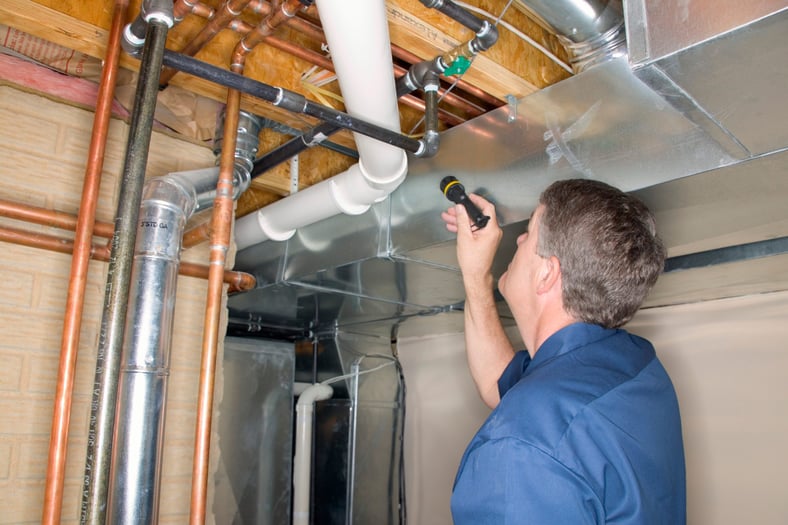
A home inspection is an objective visual evaluation of a property’s structural integrity and major systems. For an inspection to be legitimate, it has to be conducted by a professional home inspector.
When the home inspection is done, the inspector will give you a detailed written report of their findings.
Getting a home inspection is an important part of the home buying process. Though not legally required, a thorough, professional inspection of a home can reveal significant issues that might change your mind about a property.
What's included in a home inspection
The elements of a typical property inspection may vary by province or territory, and will also depend on the type of home: a house with a deck and basement has more to cover in an inspection than a condo, for instance.
A home inspection typically covers:
Plumbing.
Electrical systems.
Roof.
Attic.
Visible insulation.
Ceilings, walls and floors.
Windows and doors.
Cabinets and trim.
Foundation.
Basement.
Chimney.
Gutters.
Exterior drainage.
Driveway.
Lot grading.
Deck.
Some inspections may also include fencing and garages (if attached to the house).
Optional services
Some home inspectors offer additional inspection services. These optional inspections cost extra, but they may be worth it. These might include:
Radon screening.
Mold inspection.
Septic tank testing.
Well water testing.
Separate structures, such as pools and sheds.
Hot tubs or saunas.
Fireplaces.
Indoor air quality.
Asbestos.
Lead paint.
Lawn irrigation systems.
Historic home inspection.
There are limits to what an inspection can reveal because the examination is visual — the inspector only evaluates what they notice and can see. However, the home inspection report should provide you with a good sense of a home’s major and minor defects so you can better understand the property’s overall condition.
This independent, objective assessment of the home can be a good counter-balance to the more emotionally charged impression of the property you might have after imagining yourself living there.
Find the Best Mortgage Rates in Canada
Compare customized mortgage rates from Canada’s best lenders and brokers for free. Find and easily apply for the lowest mortgage rate for your needs.
Are home inspections required?
There is no law in Canada that requires a home be inspected before purchase. However, some buyers make a satisfactory home inspection a condition of their purchase offer.
In hot housing markets like Toronto and Vancouver, some buyers forgo inspections to make their offers more competitive, especially in the case of a real estate bidding war.
Waiving inspection is a risky tactic that can lead to unexpected expenses if the home has hidden damage or defective systems. Consult with your real estate agent about the pros and cons of waiving the home inspection before omitting this condition from your offer.
Choosing a home inspector
There is very little regulation of home inspectors in Canada.
Alberta and British Columbia are the only two provinces that require home inspectors to be licensed (inspectors in Ontario must be certified by the Ontario Association of Home Inspectors). Outside of those two provinces, anyone can call themselves a home inspector, so it’s up to you to do your due diligence before hiring one.
To find a qualified home inspector, check out sites like the Canadian Association of Home and Property Inspectors (CAHPI). This industry organization requires its registered members to follow a stringent set of codes and standards, and its website has a search engine to help you find a qualified professional in your area.
Home inspection cost
Typical fees for a home inspection range from $300 to $600. The cost depends on factors like the size of the home, the inspector’s qualifications and experience, and the property’s location.
What to do with your home inspection report
Carefully review the home inspector’s report and follow up with any questions you have about what it contains. If the inspector has identified any necessary major repairs, you might consider making your purchase of the house contingent on those repairs being handled by the sellers or asking for a decrease in the sale price to cover the cost of the repairs.
If you wind up buying the property, it’s a good idea to keep your inspection report. It identifies any needed repairs to make, as well as areas to keep an eye on in case new issues develop.
Home inspection vs. home appraisal
The main difference between a home inspection and a home appraisal is that an appraisal evaluates a home’s market value and a home inspection deals strictly with the home’s physical condition.
✅ Home inspection checklist for sellers
Since the goal is for a home inspection to go as smoothly as possible, you might want to DIY your own home inspection first so you can prepare — and perhaps even fix any minor issues before the professional inspector comes.
Before a home inspection: |
|---|
☐ Thoroughly clean your home, which immediately makes a good impression. |
☐ Leave all interior doors unlocked since the inspector has the right to look in every room. |
☐ Make sure that there is unobstructed access to the attic hatch, electrical panel, furnace, hot water tank, main water line and air exchanger. |
☐ Unclog any slow drains in sinks or showers, and make sure there are no leaks. |
☐ Trim any bushes or trees that are too close to the roof or foundation. |
☐ Clean gutters and make sure downspouts drain away from the foundation. |
☐ Have paperwork ready to document any recent checkups of your heating and air conditioning systems. |
☐ Ensure all electrical systems are working properly. |
☐ Ensure all doors and windows open, close and lock properly. |
☐ Repair any cracks or issues in the outdoor masonry. |
Frequently asked questions
When does the home inspection happen?
Traditionally, a home inspection happens once a buyer makes an offer and before the deal closes.
Some sellers may get an inspection before they list the home and use the completed inspection report to entice buyers. However, inspections advertised by sellers may not give a comprehensive assessment of a property. If you’re thinking of buying a property, it’s best to arrange your own inspection.
What happens during a home inspection?
A home inspection usually lasts one to three hours. The inspector will take photos and detailed notes to include in their report.
If possible, ask to tag along with the inspector so you can ask questions and the inspector can draw your attention to any areas they think might be of particular concern.
After the inspection, the inspector will provide a complete, detailed report of their examination, which should include photos and a list of specific defects and areas that may need repairs.
The home inspection report will not include repair recommendations, estimates of what it may cost to repair any uncovered issues or a “pass/fail” rating. It will be up to you and your real estate agent to decide the best course of action based on the report.
DIVE EVEN DEEPER

 Clay Jarvis
 Clay Jarvis
 Clay Jarvis
 Kurt Woock