


You don’t need a formal business to get a business credit card. You don’t need business income either. A side hustle or hobby that generates extra cash is enough to qualify for most business credit cards.
There are other requirements, though. You need some personal income and a FICO score of 690 or higher to qualify for most business credit cards.
✔️ Got your answer?
Now that you know you can get a business card without a business, find the right option for you. Here are our editorial team's top picks:
Who can get a business credit card?
Everyone from CEOs to rideshare drivers and resellers on Facebook Marketplace can get a business credit card — provided they qualify.
Examples of businesses (that you might not consider a business) include:
Pet sitting independently or through sites like Rover or Wag.
Re-selling furniture, clothing or household items on sites like Poshmark, Craigslist or Facebook Marketplace.
Babysitting.
Tutoring.
Occasional freelancing.
Giving music lessons.
Driving for rideshare companies and delivery services.
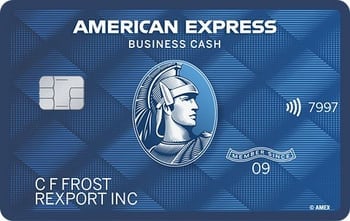
How do you apply for a business credit card without a business?
Business credit card requirements are pretty straightforward, whether you have a business or not. You'll need to provide personal details such as your Social Security number, date of birth and total annual income.
You’ll also need to supply the following information about your business:
Business name: Use your name if you don’t have a formal business name.
Business structure: Select sole proprietor if you don’t have employees and haven’t filed paperwork to establish a legal business structure.
Federal tax ID: If you have an Employer Identification Number (EIN), use that; otherwise use your Social Security number.
Business description: Select the industry and business type that best describes your company or side hustle.
Business revenue and expenses. It’s OK to report none if you don’t have any.
Number of employees. If it’s just you, write zero.
Time in business. This can be an estimate of how long you’ve been earning income from your business.
This information doesn’t necessarily impact whether you’re approved for a business credit card. But it may affect your initial credit limit.
What are the benefits of a business credit card?
Business credit card perks include big sign-up bonuses, high rewards for business spending, expense-tracking tools and the ability to get employee cards.
Beyond that, business credit cards can be used to build your business credit history. Maintaining a separate credit card for business expenses can also simplify business tax filing. And, yes, even casual entrepreneurs need to file business tax returns.
» MORE: Best business gas credit cards
Starting Small: A newsletter to get your business off the ground
Subscribe for grant opportunities, product recommendations and no-nonsense advice from the Nerds.
Can you get a business credit card with no business income?
Yes, you can be approved for a business credit card without any business income.
Approval for a business credit card is typically based on your personal credit and financial history rather than your business financials. That may be good news for new businesses and sometimes side hustlers with no discernible business income.
Business credit cards do require a personal guarantee, though. That means the individual cardholder — not the business — is ultimately responsible for any unpaid balances.
There are some business credit cards that don’t have a personal guarantee. You need an incorporated business and a history of generating revenue to get one of those.
Can you use a business credit card for personal expenses?
No law prohibits using a business credit card for personal use. The same is true for using a consumer card for business expenses.
Most issuers do specify in the terms and conditions that business cards should only be used for business purposes. But if you happen to put personal charges on your business card, you’re unlikely to face any consequences — though it’s possible the card issuer could eventually close your account.
In general, though, we recommend using business cards only for business expenses and personal cards only for personal expenses. That will make it easier to identify deductible business expenses at tax time.
Businesses that have limited liability protections, including LLCs, also need to keep their business and personal finances separate. Mixing the two together can jeopardize those safeguards.