8 Ways to Protect Your Home While on Vacation


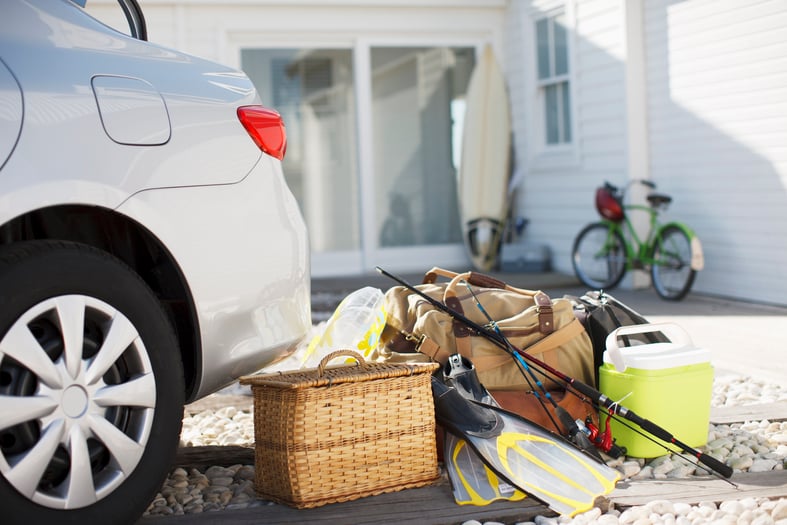
As exciting as it is to get out of town for a few days, it's natural to experience a little anxiety about leaving your home unattended. While it's unlikely that a disaster befalls your house, plenty could go wrong.
There are several simple things you can to do to ensure your home stays safe and sound while it's unoccupied.
1. Clear out your kitchen
BACK TO TOPComing home to a clean house always feels good. Even if you don’t have time to do a full clean, make sure to at least tidy the kitchen. This means emptying your fridge, freezer, or pantry of any items that will go bad before you get back home.
You don’t want to get back from vacation to discover that your fridge has become a breeding ground for mould and bacteria.
Some food can be frozen safely to use when you get back, but other items don’t freeze well and should just go out in the trash. If you are unsure of the shelf life of certain food items, Health Canada provides fridge and freezer storage guidance for common foods and leftovers.
Speaking of trash, don’t forget to empty all household bins to keep your home smelling fresh and clean while you’re away.
2. Lock up
BACK TO TOPYou’re probably used to locking the door before you leave for the day, but if you are leaving for an extended period of time you’ll want to make sure that your home is fully secure. Be sure to check all doors, the garage door, windows (including basement and attic), any fence gates (if possible), and any sheds or other buildings on your property.
If you have sliding windows or doors, place a long piece of wood or a security bar on the track to help prevent them from being opened from the outside and confirm any secondary lock is engaged.
Finally, don’t leave a spare key outside your home when travelling for more than 24 hours. Thieves know to look for keys under mats or in fake stones, and can use them to gain entry to your home. Store the key in an exterior lock box, a safe place within the house, or leave it with a friend or neighbour.
Before you go, make sure your security system is armed (if you have one) and share any needed access code with the person checking your home so they don’t accidentally trigger it. And avoid announcing your vacation dates on social media — it can advertise that your home is empty.
3. Ask a trusted friend or neighbour to check in
BACK TO TOPEven if you don’t have anything that needs looking after in your absence — like plants or pets — it may still be a good idea to have someone enter the house once or twice and make sure everything is okay.
Some home insurance policies require check-ins if you plan to be away for several days. Requirements vary by insurer and policy, but some policies and brokers recommend (or require) inspections as often as every 48 to 72 hours.
Before you leave, skim your policy wording or ask your insurer what “unoccupied” means and how often check-ins are required.
4. Adjust your thermostat
BACK TO TOPIf you're travelling during winter, the trick is to keep it cool enough that you aren’t paying a fortune to heat an empty house, but warm enough that you don’t risk any of the pipes freezing.
Many home maintenance resources recommend setting your thermostat somewhere around 13°C to 16°C (55°F to 60°F) as a starting point.
If your home has vulnerable plumbing (for example, pipes in exterior walls, a chilly basement, or a history of freezing), lean warmer and consider additional precautions like opening under-sink cabinet doors.
5. Put indoor and outdoor lights on self-timers
BACK TO TOPA good way to make it look like your house is still occupied is to leave some lights on, but be strategic about it.
Having just one light on the entire time you're away makes it just as obvious that nobody's home as having no lights on at all.
Instead, put some lights on self-timers so they turn on and off at different parts of the day. Think about your normal routine: do you typically turn the porch lights on at 6 p.m. and leave the light above the stove on all night? Use timers to mimic these same habits.
If you have them, consider motion-activated exterior lights, which can trigger automatically if there’s activity near your home.
6. Arrange outdoor maintenance
BACK TO TOPAn unkempt yard can signal that you’ve been away for a long while.
In the summer this generally involves overgrown gardens and long grass; in the winter, it could be an un-shovelled driveway. To avoid this, arrange for someone to stay on top of these chores while you’re away.
If you’ll be gone more than a few days, ask a neighbour to move any visible flyers and check for deliveries at your door, too.
7. Unplug all appliances
BACK TO TOPUnplugging appliances while not in use can help with safety and can reduce “standby power” use (electricity consumed even when devices are off but still plugged in).
Items to unplug while you are away include:
Televisions and video game consoles.
Computer or printer.
Coffee machine, toaster, and other kitchen electronics.
Small device charging cords.
DVR, VCR and DVD players.
Hair styling tools, like straighteners, curling irons and blow dryers.
If unplugging everything is a hassle, a switched power bar can help reduce standby power — you can turn off multiple devices at once.
You may also want to consider closing your water shut-off valve to reduce the risk of flooding or leaks while you are away.
8. Make arrangements for your mail
BACK TO TOPA full mailbox or pile of packages at your door is a big clue that you’re not home. Consider having a friend or neighbour collect your mail and any doorstep flyers for you.
You can also pay for the post office to stop delivering your mail while you’re away. Canada Post’s Hold Mail service temporarily stops mail delivery to your home address for a set period, and you can pick it up or resume delivery when you return. Canada Post notes that Hold Mail doesn’t apply to parcels, so you may still want to pause online orders or ask someone to pick up packages.
This service doesn’t include flyers or packages delivered by other services, so you’ll want to make sure you still have someone lined up to keep an eye out for those.
Quick pre-vacation checklist
Lock doors/windows (including basement/garage) and secure gates/sheds.
Set interior lights on timers and turn on motion-activated exterior lights (if available).
Empty perishables and take out trash.
Adjust thermostat for the season.
Unplug non-essential electronics or switch off a power bar.
Arrange check-ins and share any alarm instructions.
Put mail on hold and make a plan for parcels.
Avoid posting your travel dates publicly until you’re home.
DIVE EVEN DEEPER


 Clay Jarvis
 Helen Burnett-Nichols
