
Banking
Wire Transfer Fees: What Banks Charge
Based on NerdWallet data, the median outgoing wire transfer in the U.S. costs $25. But you can find free wire transfers and cheaper ways to send money.
Based on NerdWallet data, the median outgoing wire transfer in the U.S. costs $25. But you can find free wire transfers and cheaper ways to send money.

To increase online banking safety, use secure networks, create strong passwords and choose a bank or credit union that has industry-standard security technology.

Cash, checks and specialty services are where traditional banks have an edge.

You'll need a government-issued ID and some basic information, and you might have to deposit some money to get started.

CDs are savings accounts for short-term cash investments. Compare returns on a CD with the calculator below.

A senior checking account is essentially a regular checking account that may offer features such as free checks and lower monthly fees.

Cashier's checks cost more, but let you send more money. Money orders are cheaper and easier to buy, especially if you don't have a checking account.

Online banks tend to have higher savings rates and lower fees, making them good options for multiple savings accounts.

Overdraft protection transfers allow your transactions to go through even if you overdraw your checking account.
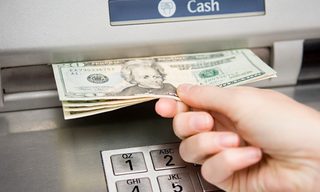
Major retailers, or the payer’s bank or credit union, can cash a check for a small fee. But the better option is your own financial institution.