We believe everyone should be able to make financial decisions with
confidence. While we don't cover every company or financial product on
the market, we work hard to share a wide range of offers and objective
editorial perspectives.
So how do we make money? Our partners compensate us for advertisements that
appear on our site. This compensation helps us provide tools and services -
like free credit score access and monitoring. With the exception of
mortgage, home equity and other home-lending products or services, partner
compensation is one of several factors that may affect which products we
highlight and where they appear on our site. Other factors include your
credit profile, product availability and proprietary website methodologies.
However, these factors do not influence our editors' opinions or ratings, which are based on independent research and analysis. Our partners cannot
pay us to guarantee favorable reviews. Here is a list of our partners.
What Is a Balance Transfer, and Should I Do One?
A balance transfer can save you money by moving your debt from a high-interest credit card to one with a lower APR. Learn how they work, and find a card that fits your needs.
Claire Tsosie is a managing editor for the Travel Rewards team at NerdWallet. She started her career on the credit cards team as a writer, then worked as an editor on New Markets. Her work has been featured by Forbes, USA Today and The Associated Press.
Paul Soucy has led the Credit Cards content team at NerdWallet since 2015 and the Travel Rewards team since 2023 and has served as content director since 2024. He was an editor with USA Today, The Des Moines Register and the Meredith/Better Homes and Gardens family of magazines for more than 20 years. He also built a successful freelance writing and editing practice with a focus on business and personal finance. He was editor of the USA Today Weekly International Edition for six years and received the highest award from ACES: The Society for Editing. He has a bachelor's degree in journalism and a Master of Business Administration. He lives in Des Moines, Iowa, with his wife, Sarah; his two sons; and a dog named Sam.
Kenley Young directs daily credit cards coverage for NerdWallet. Previously, he was a homepage editor and digital content producer for Fox Sports, and before that a front page editor for Yahoo. He has decades of experience in digital and print media, including stints as a copy desk chief, a wire editor and a metro editor for the McClatchy newspaper chain.
Updated
How is this page expert verified?
NerdWallet's content is fact-checked for accuracy, timeliness and
relevance. It undergoes a thorough review process involving
writers and editors to ensure the information is as clear and
complete as possible.
A balance transfer is a transaction in which you move debt from a high-interest credit card to a card with a lower interest rate, ideally one with a 0% introductory APR. Properly executed, a balance transfer makes it easier to pay off debt: For the duration of the 0% period, no interest is being charged on the balance, so every dollar you pay goes toward erasing the debt itself.

A balance transfer is ideal for someone who is struggling to make progress on their credit card debt because interest eats up so much of their monthly payment. When, say, $80 of your $100 payment is going just to pay the past month's interest, it's hard to make a meaningful dent in the underlying balance. In such cases, cardholders can find themselves treading water. After doing a balance transfer, your entire payment can go toward paying down the debt, meaning you can get to zero faster while also saving hundreds or even thousands of dollars in interest.
That said, you don't have to be struggling to benefit from a balance transfer. Carrying debt on a credit card is usually expensive, even if you're making your payments every month without fail. If a balance transfer saves you money in the long run, it's a good move.
Balance transfers are best for debt that would otherwise take several months (or more) to pay off. If you'd only need a couple of months to pay off your balance even without a transfer, you'll probably be better off leaving it on the current card. That's because balance transfers incur a balance transfer fee of 3% to 5% of the amount you transfer (more on that later). The interest you save on a short-duration transfer might actually be less than the transfer fee.
In some cases, a balance transfer can be an emergency measure to "park" debt at 0% temporarily after a job loss, family financial crisis or other hardship. This isn't ideal, of course. It's always preferable to have a plan to get out of debt, but sometimes that plan has to involve pushing repayment down the road until your finances are more stable.
Nerdy Perspective
Where can people run into trouble with a balance transfer?

Melissa Lambarena
writer, credit cards
"With a balance transfer, you have to do the math to make sure that balance transfer fee is worth it. If it saves you money compared with the interest you’d to pay with your current credit card over time, it can be a useful tool for paying down debt aggressively. Have a strategy in place when using a balance transfer credit card. Curb any habits that may have led to the debt, build an emergency fund to prevent further debt and switch your payment method to debit or cash to make more progress on paying off the balance."
Melissa Lambarena
writer, credit cards
Funto Omojola
writer, credit cards
"Balance transfer credit cards can be good debt management tools because they can save you money on interest payments. But you'll still need to be hands on with your debt and have a repayment plan. A late payment can cause you to lose your introductory 0% APR period and result in a penalty APR that’s higher than the card’s regular rate — which can leave you in a worse financial shape than when you started."
Funto Omojola
writer, credit cards
Paul Soucy
content director, credit cards and travel rewards
"Many people hoping to do a balance transfer end up surprised and disappointed when they don't get enough of a credit limit to transfer all the debt they need to move. You might have $20,000 in debt you hope to transfer but only get approved to transfer $3,000."
Paul Soucy
content director, credit cards and travel rewards
Melissa Lambarena
writer, credit cards
"With a balance transfer, you have to do the math to make sure that balance transfer fee is worth it. If it saves you money compared with the interest you’d to pay with your current credit card over time, it can be a useful tool for paying down debt aggressively. Have a strategy in place when using a balance transfer credit card. Curb any habits that may have led to the debt, build an emergency fund to prevent further debt and switch your payment method to debit or cash to make more progress on paying off the balance."
Melissa Lambarena
writer, credit cards
Funto Omojola
writer, credit cards
"Balance transfer credit cards can be good debt management tools because they can save you money on interest payments. But you'll still need to be hands on with your debt and have a repayment plan. A late payment can cause you to lose your introductory 0% APR period and result in a penalty APR that’s higher than the card’s regular rate — which can leave you in a worse financial shape than when you started."
Funto Omojola
writer, credit cards
Paul Soucy
content director, credit cards and travel rewards
"Many people hoping to do a balance transfer end up surprised and disappointed when they don't get enough of a credit limit to transfer all the debt they need to move. You might have $20,000 in debt you hope to transfer but only get approved to transfer $3,000."
Paul Soucy
content director, credit cards and travel rewards
Melissa Lambarena
writer, credit cards
"With a balance transfer, you have to do the math to make sure that balance transfer fee is worth it. If it saves you money compared with the interest you’d to pay with your current credit card over time, it can be a useful tool for paying down debt aggressively. Have a strategy in place when using a balance transfer credit card. Curb any habits that may have led to the debt, build an emergency fund to prevent further debt and switch your payment method to debit or cash to make more progress on paying off the balance."
Melissa Lambarena
writer, credit cards
Funto Omojola
writer, credit cards
"Balance transfer credit cards can be good debt management tools because they can save you money on interest payments. But you'll still need to be hands on with your debt and have a repayment plan. A late payment can cause you to lose your introductory 0% APR period and result in a penalty APR that’s higher than the card’s regular rate — which can leave you in a worse financial shape than when you started."
Funto Omojola
writer, credit cards
Paul Soucy
content director, credit cards and travel rewards
"Many people hoping to do a balance transfer end up surprised and disappointed when they don't get enough of a credit limit to transfer all the debt they need to move. You might have $20,000 in debt you hope to transfer but only get approved to transfer $3,000."
Just because you want or even need to do a balance transfer doesn't necessarily mean you'll be able to. Balance transfers are risky for credit card issuers — they're taking on existing debt from someone who might already be struggling to repay it. So balance transfer offers are typically available only to consumers with good to excellent credit. That typically means a credit score of 690 or better. Keep in mind, though, that credit scores alone don't guarantee approval for any card. Issuers take other factors into account, including your income, overall debt levels and other credit activity.
Card issuers will occasionally offer you a balance transfer promotion on a card you're already carrying, so you don't have to apply for a new card. Your card company might also send a balance transfer "convenience check" you can use to pay off other debt. Before you use one of these checks, be absolutely sure that the debt will move over at 0% rather than the card's regular interest rate.
Also, there's no guarantee that the issuer of your chosen 0% card will allow you to transfer all the debt you want to move. You might have $15,000 in debt you want to transfer, but the card company might only approve you for a $4,000 transfer limit.
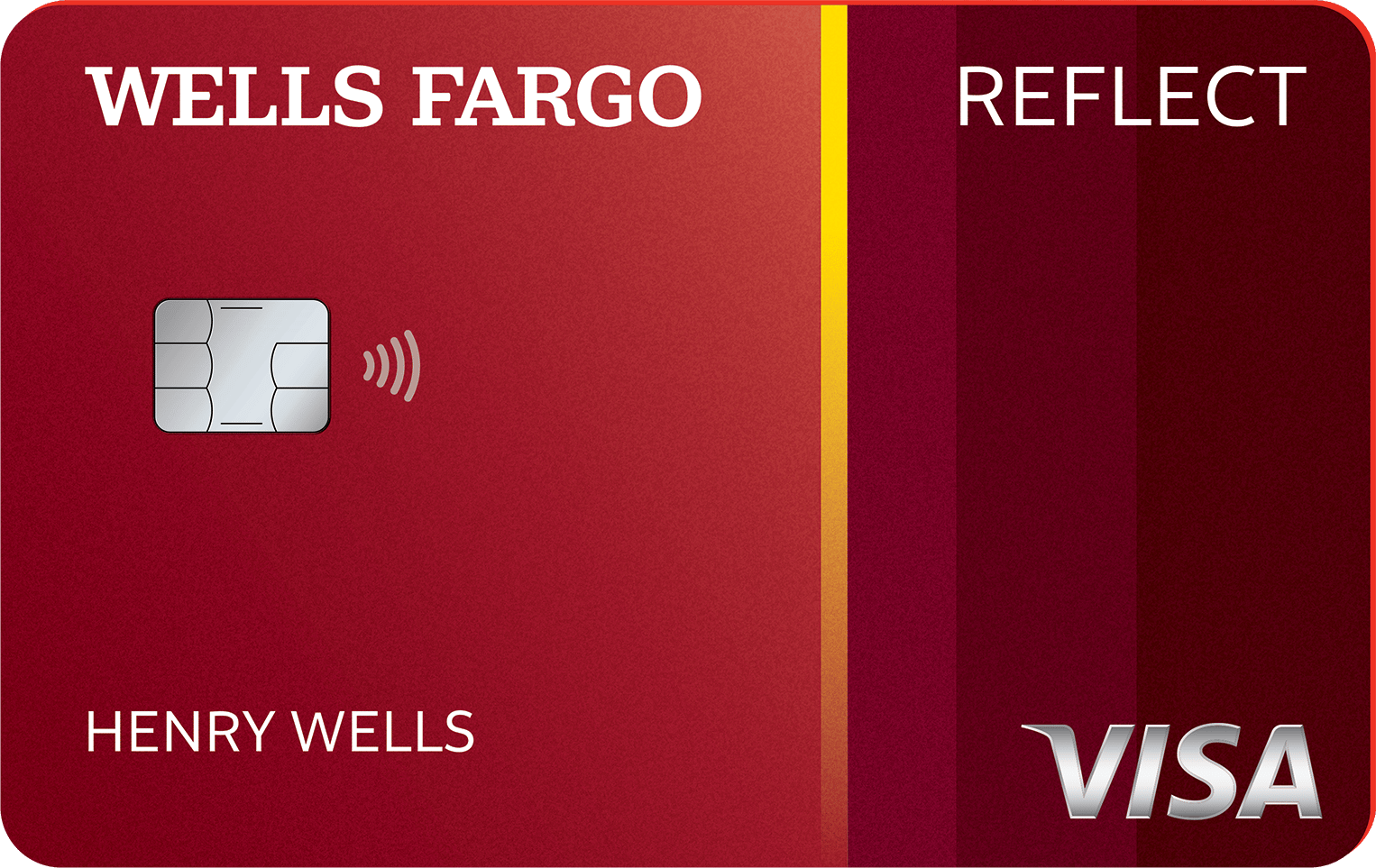
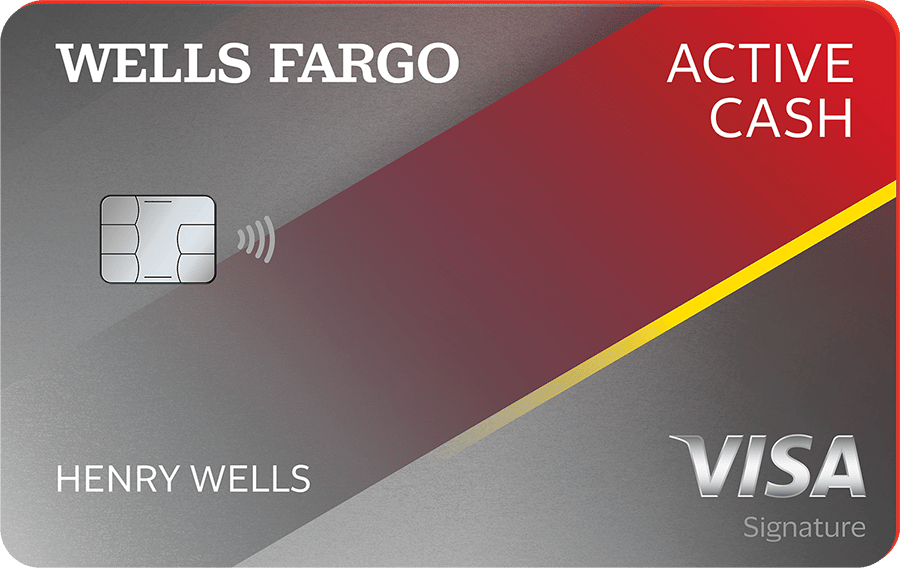
Of note: You generally can't transfer balances between cards from the same issuer. If you have debt on a Wells Fargo card, for example, you couldn't transfer it to the Wells Fargo Reflect® Card. Debt on a Citi card couldn't be moved to the Citi Simplicity® Card, and so on.
While the exact process for balance transfers can vary widely from one card company to another and even one card to another, here are the steps you generally have to take when working with major issuers:
1. Apply for a card with a 0% introductory APR on balance transfers or use an offer on a card you already have. Remember: To qualify for 0% balance transfer offers, you generally need to have good or excellent credit, and same-issuer transfers generally aren’t allowed. During the application process, you may be asked right off the bat whether you want to transfer a balance, and you might be able to start the process right then.
2. Initiate the balance transfer. Look for a balance transfer option in your card account online, or in the issuer's app, or call the customer service number on the back of your card. Whether you’re doing this online or by phone, you’ll need to provide information about the debt you’re looking to move, such as the card issuer name, the amount of the debt and the account number.
3. Wait for the transfer to go through. Once the balance transfer is approved, which could take two weeks or longer, the issuer will generally pay off your old account directly. The old balance — plus the balance transfer fee — will show up in the account on your new card.
4. Pay down the balance. When that balance is added to the new card, you’ll be responsible for making monthly payments on that account. And if you pay it down during the introductory 0% APR period, for example, you could potentially save a bundle.
🤓Nerdy Tip
Credit card debt isn't the only type of debt you can transfer. Many issuers also allow cardholders to move other types of debt — such as auto loans or personal loans — to a credit card.
No one can say exactly how much money you would save with a balance transfer, because that is determined by several factors:
How much debt you're starting with.
The interest rate on the card where that debt currently sits.
The balance transfer fee on the card you're moving the debt to.
Whether you will be able to pay the debt in full before the 0% period ends.
Even so, our balance transfer calculator can give you a general sense of what you could pay if you didn't do the transfer, compared with what the transfer would cost.
Since the ultimate purpose of a balance transfer is to save money, you want to choose a card that minimizes your costs as much as possible. The "perfect" balance transfer credit card comes with three big zeroes:
A 0% introductory APR offer for balance transfers.
With a "triple-zero" card, you could potentially pay off your debt without spending a penny on interest and fees. But cards without balance transfer fees are rare nowadays. They're generally available only from smaller banks and credit unions, and many cards with a $0 transfer fee don't actually have a 0% APR period; they might instead have a lower promotional rate for transfers, like 2.99%.
So in most cases, you're likely to find only two out of the three zeroes. Still, a card with a $0 annual fee and a long 0% introductory APR period on balance transfers is quite valuable. Interest charges add up quickly and can be far more costly than a one-time 3% to 5% fee.
One point of differentiation among balance transfer credit cards is the length of their introductory 0% APR period. Some cards have 0% periods of 18 months or more. If you're looking for the longest possible 0% period, you're likely to find it on a so-called dedicated balance transfer card. These cards give you a lot of time at 0%, but they might not offer much else — no rewards, bonuses or perks, and their ongoing interest rates after the 0% period are nothing special.
If you don't need a super-long 0% APR period, you can find a wide array of cards that offer a shorter 0% period for balance transfers — 12 to 15 months — and that also offer generous rewards. These cards have greater long-term value, since you have a reason to use them after the 0% period runs out. (Just don't use them to charge more than you can afford to pay in full every month, or you can end up right back in the debt cycle.)
NerdWallet's ratings are determined by our editorial team. The scoring formula takes into account the type of card being reviewed (such as cash back, travel or balance transfer) and the card's rates, fees, rewards and other features.
APR:0% intro APR for 21 billing cycles on purchases and balance transfers, and then the ongoing APR of 16.99%-27.99% Variable APR.
Balance transfer fee:Either 5% of the amount of each transfer or $5 minimum, whichever is greater. (This fee may be different if you apply directly via U.S. Bank.)
APR:0% intro APR for 21 months from account opening on purchases and qualifying balance transfers, and then the ongoing APR of 17.49%, 23.99%, or 28.24% Variable APR.
Balance transfer fee: 5% of the amount transferred ($5 minimum).
APR:0% intro APR on Purchases for 6 months and 0% intro APR on Balance Transfers for 18 months, and then the ongoing APR of 17.49%-26.49% Variable APR.
Balance transfer fee: 3% intro balance transfer fee; up to 5% fee on future balance transfers (see terms).
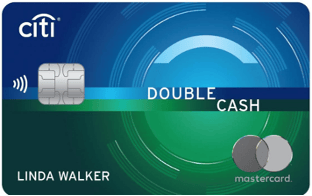
If you won't need a super-long time to pay down your transferred balance, you can get 0% intro APR periods of 12 to 15 months on a number of excellent cash back credit cards. The advantage with these cards is that their rewards give them ongoing value long after the interest-free promotion ends. Among popular cards with both a balance transfer offer and ongoing rewards:
NerdWallet's ratings are determined by our editorial team. The scoring formula takes into account the type of card being reviewed (such as cash back, travel or balance transfer) and the card's rates, fees, rewards and other features.
APR:0% intro APR on balance transfers for 18 months, and then the ongoing APR of 17.49%-27.49% Variable APR.
Balance transfer fee: 3% (minimum $5) for transfers completed within the first four months of account opening; after that, 5% (minimum $5).
APR:0% intro APR on purchases and Balance Transfers for 15 months, and then the ongoing APR of 18.24%-27.74% Variable APR.
Balance transfer fee: 3% (minimum $5) in the first 60 days; 5% (minimum $5) after that.
APR:0% Intro APR for 15 billing cycles for purchases, and for any balance transfers made in the first 60 days. After the Intro APR offer ends, a Variable APR that’s currently 17.49%-27.49% will apply.
Balance transfer fee:3% for 60 days from account opening, then 5%
APR:0% intro APR for 12 months from account opening on purchases and qualifying balance transfers, and then the ongoing APR of 18.49%, 24.49%, or 28.49% Variable APR. A balance transfer request must be made within 120 days from account opening to qualify for the introductory APR.
Balance transfer fee: 3% (minimum $5) for 120 days from account opening. After that, up to 5% (minimum $5).
Rewards
Unlimited 2% cash back on purchases — 1% when you buy something and 1% when you pay your bill.
Up to 5% cash back in specific categories; 1.5% cash back outside those categories.
If you'd be able to pay off your credit card balance in three months or less, you might be better off doing so rather than seeking a balance transfer, since the transfer fee might be greater than the interest you'd pay.
If you can't qualify for a good 0% APR offer, paying off your debt as quickly as possible might be the best option. A personal loan could also be a good match; you can pre-qualify for one to see how much you could borrow and what interest rate you could get before accepting an offer.
But in general, a balance transfer is the most valuable choice if you need months to pay off high-interest debt and have good enough credit to qualify for a card with a 0% introductory APR on balance transfers. Such a card could save you plenty on interest, giving you an edge when paying off your balances.
Whether you want to pay less interest or earn more rewards, the right card's out there. Just answer a few questions and we'll narrow the search for you.