




A mailbox full of credit card offers is a familiar sight to many people. But knowing the right time to apply for one of those offers can be uncertain.
Before you apply for a new credit card, understand your reason for wanting a new card. Maybe it’s to consolidate debt. Or perhaps you want to improve your credit score or earn airline miles on a big purchase.
You’ll also want to understand your current financial situation — including your debts, credit score and amount of existing credit — to improve your approval odds.
Here are the best times to apply for a new credit card.
When you’re carrying an existing balance with a high APR
If you’re carrying a balance from month to month on an existing credit card, one way to help ease the sting of high interest rates is to apply for a new card that offers an introductory 0% annual percentage rate (APR) on balance transfers. According to the Federal Reserve, the average rate on consumer credit card accounts that were assessed interest was 22.15% as of May 2026. By transferring such debt to a card with a 0% intro APR balance transfer offer, you’ll be able to get ahead of the interest payments and whittle down your balance more quickly.
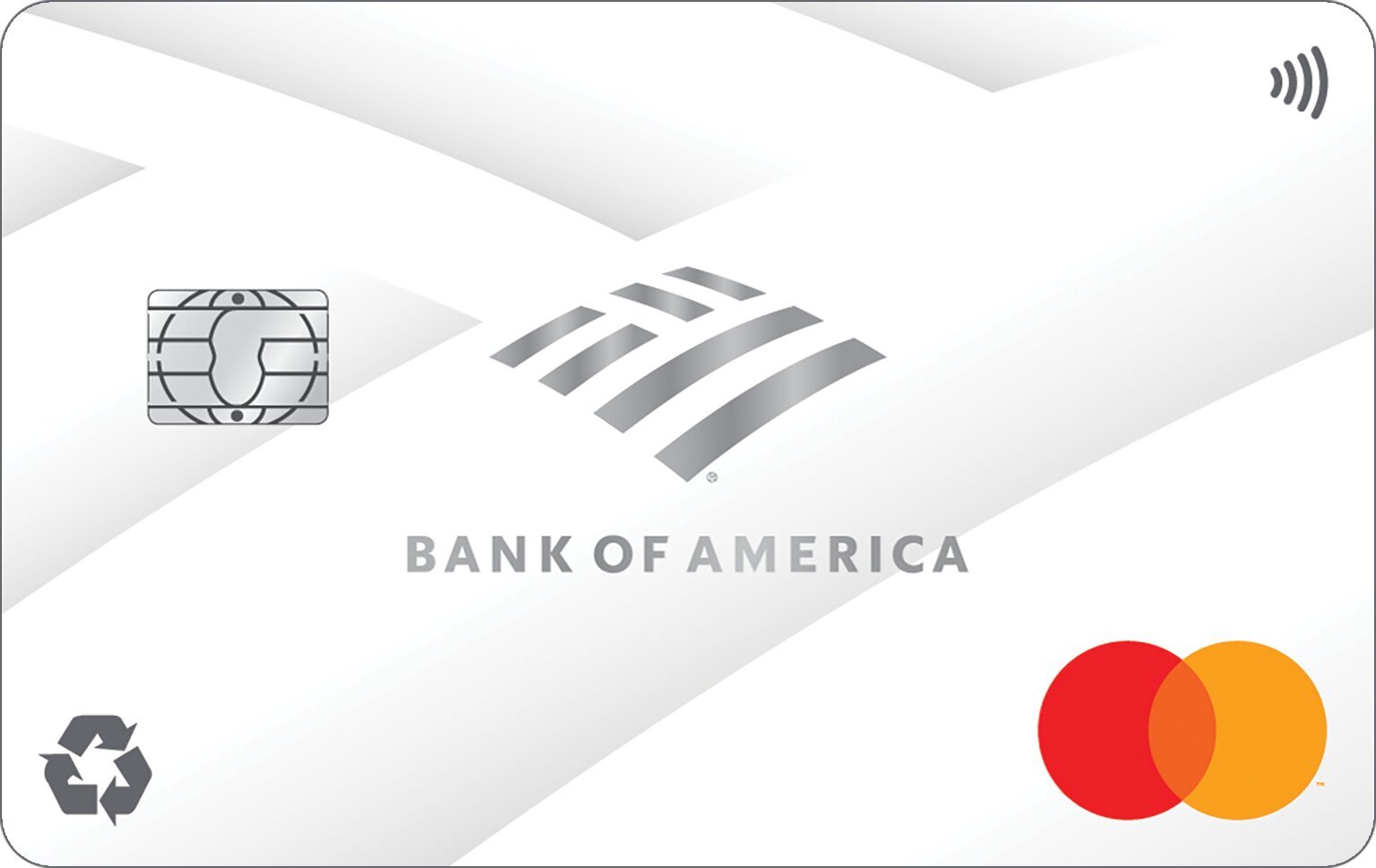
A good example: The BankAmericard® credit card comes with a 0% intro APR on Purchases for 21 billing cycles and 0% intro APR on Balance Transfers for 21 billing cycles for any balance transfers made in the first 60 days, and then the ongoing APR of 15.24%-26.24% Variable APR. That’s nearly two years' worth of relief from interest payments, which could amount to hundreds or even thousands of dollars in savings.
When you have big spending on the horizon
Whether you’re renovating your living space, paying for a wedding or dropping some coin on another expensive item, two potential credit card strategies can come into play.
First, applying for a card with a 0% intro APR on purchases is a simple way to help with cash flow after a large purchase. For example, let’s say you need to spend $10,000. Grabbing a card that offers a 21-month 0% intro APR period on purchases would let you pay off that purchase in interest-free installments of around $476 per month over the introductory period. The Wells Fargo Reflect® Card might be a good choice for such financing. It offers a 0% intro APR for 21 months from account opening on purchases and qualifying balance transfers, and then the ongoing APR of 17.74%, 24.24%, or 28.49% Variable APR.

Secondly, big purchases are also a great time to knock out the spending requirement to earn a juicy new sign-up bonus. The Chase Sapphire Preferred® Card, for instance, offers the following new cardholder bonus: Earn 75,000 bonus points after you spend $5,000 on purchases in the first 3 months from account opening. Those points can be used to offset future travel expenses, or they can be redeemed for cash, effectively leading to a discount on that large transaction you made.
When your credit score is high
If you have good to excellent credit (typically, FICO scores of 690 or higher), you may qualify for the market's best new credit card offers. So if responsible credit usage — such as paying in full and on time every month — has increased your FICO scores, consider your spending habits and whether a new card could help you earn some extra cash back, points or miles.
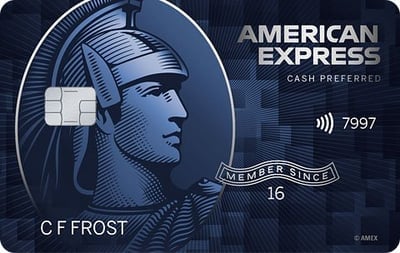
Maybe you spend a lot on groceries but don’t have a card that rewards those purchases. The Blue Cash Preferred® Card from American Express can net you 6% cash back on up to $6,000 per year in purchases at U.S. supermarkets. Terms apply. It also comes with the following introductory offer: You may be eligible for as high as $300 cash back after spending $3,000 in purchases on your new Card in the first 6 months. Welcome offers vary and you may not be eligible for an offer. Cash back is received as Reward Dollars, redeemable for statement credit or at Amazon.com checkout. Terms Apply.
When your credit score is low
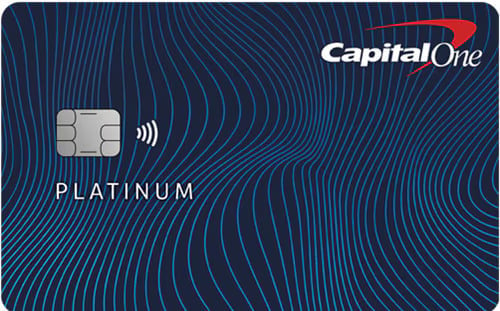
If, on the other hand, you're seeking to build or rebuild your credit, a credit card can be a good way to do that — and you don't necessarily have to settle for a lousy product. For example, it's possible to qualify for the Capital One Platinum Secured Credit Card with poor credit (scores of 629 or lower), and Capital One says customers who were approved for the card and made six months of consecutive on-time payments increased their credit scores by an average of more than 29 points over those six months.
While your mileage may vary, handling credit responsibly will help boost your credit scores over the long run.

When you’re preapproved
Credit issuers may use the information they gather about your finances to preapprove you for a new card. Those preapprovals may often arrive in your mailbox or email inbox. While a preapproved credit card offer doesn’t guarantee approval when you apply, it means you’ve passed an initial screening by the credit issuer, which increases your odds.
If it's been a while since your last approval
There's no hard and fast rule about how long to wait between credit card applications, but it is true that too many applications in too short of time can raise red flags for credit card issuers and may mean you get rejected. A good rule of thumb is to wait at least six months between applications. Still, there are exceptions, especially if you find yourself on either end of the credit score spectrum: Those with poor credit may need to wait even longer between applications. In comparison, those with excellent credit (FICO scores of 720 or higher) can often consider a guideline of more like three months.
It's also worth mentioning that some credit card issuers have rules about how many cards you can get over a period. For instance, if you want a Chase card, you can't have had more than five approvals for a credit card (from any issuer) within the past two years.
» MORE: Chase's 5/24 rule explained