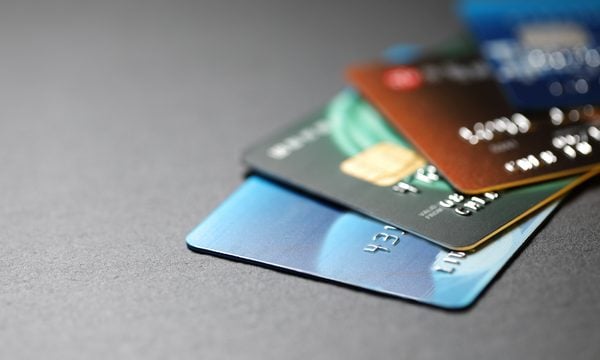
You did your research and made a plan you could live with. Maybe you took on side gigs or downsized your housing expenses. Perhaps you canceled unused subscriptions and negotiated some other monthly bills, or simply resisted the splurge on that impulse buy. Congratulations, you finally paid off your credit card debt! So ... now what?
After working so hard to break free of credit card debt, an understandable immediate reaction might be to cut up your cards once and for all — but that may not be the best move, for a variety of reasons. In fact, retaining your cards and using them as a budgeting tool rather than a loan can be beneficial for your financial future.
Once you’re free from credit card debt, here are four steps you can take to help maintain your momentum.
1. Keep your cards open, if it makes sense
There are times when it might make sense to close your cards — if, say, you're being charged an annual fee on an account you never use. But closing a credit card could hurt you in terms of your credit scores.
That’s because one of the largest factors in your credit scores is your credit utilization ratio, or how much credit you’re using compared with how much you have available. The lower that ratio, the better.
But if you close your cards, you lose those credit lines, which could increase your credit utilization and therefore damage your scores. Depending on how long you've had the card open, closing it could also negatively affect your average age of open accounts, which also could affect your credit scores.
If your scores fall, it could be harder to get a loan for a new car, qualify for a new apartment or get the best interest rate on a mortgage.
2. Start an emergency fund, tackle other priorities
A 2018 Federal Reserve study noted that 40% of Americans would have trouble coming up with enough cash to cover a $400 emergency expense. The good news for you is that now that you’re not using part of your monthly income to pay down credit card debt, you can set some of that money aside for your emergency fund.
This way, if your car suddenly won’t start, your basement floods or you’re faced with an unexpected job loss, you won't need to turn to a credit card to cover bills. It's a critical step to ensuring that you don’t fall back into debt.
Financial experts recommend having enough savings to cover three to six months of expenses — but don’t let that number scare you. Start with a goal of saving $500 in your emergency fund and build from there. Take some time to create a monthly budget, and consistently allocate money to go into your fund. You can automate the process by direct-depositing a portion of your paycheck into a savings account. It's harder to "miss" money that never arrives in your checking account to begin with, and a separate account can also make it harder to access that fund on a whim.
And now that you've dispensed with those double-digit credit card APRs, consider what else you might do with the money you've freed up each month. You could focus your attention on other balances with smaller interest rates — student loans or car loans, for instance — or you could devote more of your paycheck to your retirement nest egg or a child's college fund.
3. Reevaluate your existing plastic
Chances are, the cards you used to incur debt may not be the most beneficial products for you any longer.
Maybe you took advantage of a 0% balance transfer credit card offer when you were paying down your debt. But now that your debt is paid off, is that card still a good fit? Or perhaps you had a secured credit card that helped build your credit, but now that your score is in better shape it may not make sense. Or you may simply no longer want to pay an annual fee.
In those cases, rather than shuttering the account outright, it might be worth seeing if you can upgrade or downgrade your card to a different version that better suits your current needs. That way you’ll keep your credit history intact and avoid a hard pull — and the accompanying credit score dip — for a brand-new application.
On the flip side, keep in mind that the card you have could still be right for your spending, even if your goals have changed. For example, let's say you opened a Citi Double Cash® Card for its excellent cash-back rate, but now you want to rack up travel rewards instead. Since the card technically earns its rewards as ThankYou points, you can still use it to fund your travel without switching cards.
4. Look for richer reward opportunities
Rewards credit cards offer all kinds of lucrative bonuses and perks. Of course, they also tend to have high APRs, but now that you're paying off your credit card bills in full and on time each month, the APR is irrelevant. You're not incurring interest at all.
Many rewards credit cards require good to excellent credit in order to qualify, which usually means FICO scores of at least 690. But with your improved balance sheet, you may now have access to some of those offers.
Entrepreneur Shubhayan Mukherjee says he found himself $300,000 in credit card debt as he was trying to get a new business off the ground. “Because of the high debt," he says via email, "we did not qualify for the best rewards cards before. But with the debt paid off, we were getting better sign-up offers for credit cards.”
Still, always understand the terms and conditions before you jump into a new rewards credit card. Many offer eye-popping bonuses to new cardholders, for example, but make sure you know how much those points are really worth. And more importantly, don't spend beyond your means just to snag a bonus.
"The key is do not spend what you cannot pay off in full at the end of the month," Mukherjee says.