





The Bank of Missouri offers personal and business financial services to Missourians including mortgages, car loans and health savings accounts. Bank members may visit one of nearly 30 branches across Missouri in Ozark, Springfield and more.
But despite The Bank of Missouri’s sterling reputation as a trustworthy deposit institution, it issues some terrible credit cards that primarily target consumers with low credit scores. Overall, these cards hit you with a barrage of fees in exchange for very few perks. If you’ve been considering one of these credit cards, know that there are better options — even if you have poor credit (credit scores of 629 or lower), or no credit at all.
Here’s an overview of The Bank of Missouri’s credit cards, as well as some superior alternatives.
Credit cards issued by The Bank of Missouri
The Bank of Missouri issues close to 20 credit cards, some of which are in partnership with Continental Finance and Concora Finance, companies that provide customer service to cardholders. The Bank of Missouri’s roster of cards includes:
Build credit card.
First Phase credit card.
Matrix credit card.
Ness credit card (no longer available).
Sofi World Elite credit card.
Today credit card.
Some of these cards are nearly identical to each other.
Aspire credit card
Depending on your creditworthiness, applicants may qualify for the Aspire Mastercard or the Aspire Cash Back Rewards Card. The latter earns 3% cash back in qualifying categories and 1% on everything else. However, both credit cards have several pricey fees and an APR as high as 36%, which can easily cancel out any value from rewards if you're carrying a balance month to month.
The Aspire cards have an annual fee, which can be as high as $175 in the first year. After the first year, you’ll pay up to $49 just to hold the card. On top of the annual fee, there’s a monthly account maintenance fee that kicks in after the first year ranging from $5 to $15 ($60 to $180 annually). If you want an additional card to give to an authorized user, that’ll cost $19. The bank also assesses a $2 charge every time you receive a paper statement.
Alternative pick: The Discover it® Secured Credit Card is one of our top picks for those who want to build or rebuild their credit. After paying the security deposit of at least $200, you’ll get access to a card with a $0 annual fee; a $0 monthly fee; a $0 credit limit increase fee (yep, that's sadly a thing among some of the other cards on this list); a $0 foreign transaction fee; and no late fee on your first late payment. This card even earns rewards. If you're eligible, you can eventually get your deposit back when you upgrade to an unsecured credit card with the issuer or close the account.
First Access and Total Visa credit cards
Of the cards issued by The Bank of Missouri, the First Access and Total Visa credit cards may be the most alike. Neither card should be celebrating that distinction. As of November 2026, both cards have an APR of almost 36%. Both of them also have annual fees as high as $125, monthly fees as much as $10.25, and a maximum initial credit limit of just $500.
In either case, you'll have to wait at least a year to be considered for a credit limit increase. If that happens, you may also be charged a fee equal to 25% of that increase, which is ludicrous.
But wait, there’s more: Both cards charge an outlandish $95 “program fee” that must be paid within the first 60 months of account opening. If you don’t pay it, you can’t use the credit card. Very few issuers impose a fee to open an account. Heck, some issuers give you a virtual card number so that you can use the card right after approval. By contrast, The Bank of Missouri will express ship the First Access or Total Visa cards to your home — for a $35 fee.
Yes, the First Access and Total Visa cards earn rewards, but neither cards' rewards rate is high enough to recoup their fees. Plus, both cards make you wait six months after account opening to redeem your rewards.
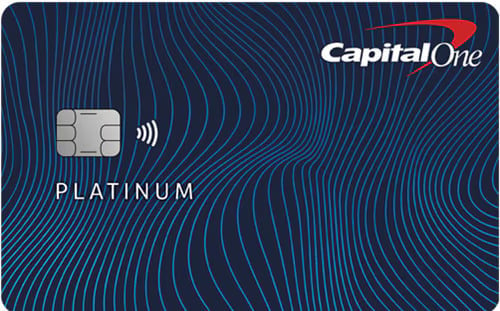
Alternative pick: The Capital One Platinum Secured Credit Card is a great option for those who want a secured card but worry about putting up hundreds of dollars for a security deposit. It's possible to qualify for a $200 credit limit with a deposit of $49, $99 or $200. Capital One also lets you pay down the security deposit in increments of $20, with the full amount due 35 days after card approval.
Destiny Mastercard® and Milestone® Mastercard®
The Destiny Mastercard® and Milestone® Mastercard®, both serviced by Concora, are unsecured credit cards for those looking to establish or repair a credit history. However, you'll pay dearly to do so with either card. Their annual fee runs as high as $250; plus, after the first year, you might owe a monthly fee as high as $19.25.
You can find many superior and less costly credit cards aimed at those with no credit or poor credit (credit scores of 629 or lower), especially if you're able to put down a deposit for a secured credit card. Unlike the fees you'll pay for holding the Destiny Mastercard®, a security deposit is refundable if you close the account in good standing.
And if you exceed your credit limit — which may be easy to do, as the minimum credit line on both cards is just $700 — you may be assessed an overlimit fee up to $41. That fee is particularly notable considering that most issuers don’t charge overlimit fees anymore.
Verve credit card
If you get the Verve card, you’ll start with an initial credit limit between $300 and $1,000. The credit limit you’re assigned determines the fees you’ll pay to use the card. For example, for a measly $300 credit limit, you’ll owe a $75 annual fee in the first year, then $99, plus a $12.50 monthly fee that begins after the first year.
Some of these fees are charged upon account opening and immediately reduce the amount of available credit. If you got a $300 credit limit, you’d really only have access to $225 because of the $75 annual fee. Not until you pay off the annual fee will the credit limit be restored to its full amount.
On a positive note, Verve cardholders can double their credit limit by paying either twice the minimum monthly payment amount or the entire statement balance (whichever is less) by the due date for the first six billing cycles.
Alternative pick: See the aforementioned Discover it® Secured Credit Card, which dispenses with most of these unreasonable fees and has a clear upgrade path to a better card from Discover when you're ready.