

Every time.
We believe everyone should be able to make financial decisions with confidence. While we don't cover every company or financial product on the market, we work hard to share a wide range of offers and objective editorial perspectives.
So how do we make money? Our partners compensate us for advertisements that appear on our site or when you click to or take an action on their website. This compensation helps us provide tools and services - like free credit score access and monitoring. With the exception of mortgage, home equity and other home-lending products or services, partner compensation is one of several factors that may affect which products we highlight and where they appear on our site. Other factors include your credit profile, product availability and proprietary website methodologies.
However, these factors do not influence our editors' opinions or ratings, which are based on independent research and analysis. Our partners cannot pay us to guarantee favorable reviews. Here is a list of our partners.
Best Starter Credit Cards for No Credit of October 2026


The best starter credit cards are easy to get, have no annual fee and report your payments to the three major credit bureaus. The right card for you depends on your situation. Options include secured credit cards — which require refundable upfront deposits — student credit cards and alternative credit cards from smaller issuers that evaluate applicants' creditworthiness on factors other than credit scores.
Read MoreShow Less
What matters most in a starter credit card for no credit
Pay special attention to the word starter in the term starter credit card. This is probably not a credit card you're going to be using for the rest of your life. Rather, it's one you'll carry for a little while as you learn how to use credit responsibly and build a good credit profile. Once you've done that, it will be time to move up or move on from your starter card. With that in mind, the most important features of a starter card are:
Accessibility. How easy is it to get approved for the card? Look for an issuer that welcomes applicants who are new to credit. Some card issuers specifically say that you do not need a credit history to qualify. Some do not require a credit check. And some use alternative methods to evaluate applications, looking at factors beyond credit scores.
Affordability. What out-of-pocket costs are involved? Some predatory cards boast easy approval but pile on outrageous fees. But there are many options with a low annual fee, or none at all. Secured credit cards require you to provide a cash deposit, but you are able to get this money back later when you close or upgrade the card. The best cards have annual fees of less than $50 (although $0 is ideal) and, in the case of secured cards, minimum deposits of $200 or less.
Credit-building features. How does the card set you up for success? A card should report your payments to all three major credit bureaus. Look for one that also provides free access to a credit score, so you can monitor your progress. And the ability to set up autopay can ensure you're never late with a payment.
Beyond that, you can consider whether a card offers cash back or points, but don't get too distracted by it. Credit limits on starter cards are typically low, and good credit-building practices involve keeping balances low, so you're unlikely to be racking up much in the way of rewards. Another consideration is whether the card offers an upgrade path — a way to transition your account to a better card with more robust benefits. When an issuer has both starter cards an "regular" cards, it can streamline your upgrade process, but there are still good issuers that focus only on the new-to-credit audience.
If you have bad credit rather than no credit — meaning you have low credit scores because of past issues with missed payments or other missteps — then "starter cards" aren't for you. See our roundup of the best cards for bad credit instead. Although some cards are available to people with either bad credit or no credit, many are tailored only to credit newcomers.
How NerdWallet chose these starter cards for no credit
"Starter credit cards" is an umbrella term that covers several different types of cards, and we've chosen good options from each of those categories. Student cards are designed for people in college or other post-secondary education; for this page, we chose cards that don't necessarily require a credit history. Secured cards require a cash deposit, which protects the issuer in case of default and therefore makes the card easier to qualify for; for this page, we prioritized with no annual fee. No-deposit starter cards free you from that deposit obligation, although they may have other requirements. Learn more about our picks or see more about our methodology.
Expert tip: Have a plan for when you outgrow your starter card
Melissa Lambarena, senior credit cards writer: “The ideal starter card should be easy to keep around for the long term. If possible, choose an option that eventually allows you to upgrade to a better credit card with the same issuer and maintain the same line of credit. Having this option may give you access to a card with better rewards or features once you work your way up to a better credit score. Before applying, investigate issuers' options to upgrade. It’s not a deal-breaker if an issuer doesn’t have a path to upgrade, but it can make your credit-building journey easier to stick with one card as you're learning to manage credit."
2026 Best credit card for college students
Annual fee$0Minimum depositN/ARecommended credit scoreRegular APR16.74%-25.74% Variable APRRewards rate1%-2%CashbackIntro offerCashback Match™Rewards breakdown
2%Cash back at Gas stations on up to $1,000 in combined purchases each quarter, automatically.2%Cash back at Restaurants on up to $1,000 in combined purchases each quarter, automatically.1%Cash back on all other purchases.Card details
- 0% intro APR on purchases for 6 months, then the standard variable purchase APR of 16.74% - 25.74% applies
- INTRO OFFER: Unlimited Cashback Match for all new cardmembers. Discover will automatically match all the cash back you’ve earned at the end of your first year! There’s no minimum spending or maximum rewards. You could turn $50 cash back into $100. Or turn $100 cash back into $200
- Earn 2% cash back at Gas Stations and Restaurants on up to $1,000 in combined purchases each quarter, automatically. You'll still earn unlimited 1% cash back on all other purchases
- Redeem cash back for any amount
- No annual fee
- Terms and conditions apply
- View Rates & Fees
NerdWallet's take
The Discover it® Student Chrome is a standout student credit card due to its no-frills rewards structure and student-friendly features. And, according to Discover, you don't need a FICO history to qualify.
Read full reviewProsThis card features simple rewards: You earn 2% cash back at restaurants and gas stations, on up to $1,000 in combined purchases per quarter. All other purchases earn 1%. The annual fee is $0. It comes with a potentially generous welcome offer: INTRO OFFER: Unlimited Cashback Match for all new cardmembers. Discover will automatically match all the cash back you’ve earned at the end of your first year! There’s no minimum spending or maximum rewards. You could turn $50 cash back into $100. Or turn $100 cash back into $200.
ConsDiscover isn’t the most ideal payment method abroad, so this card isn't the best one to take on a study abroad trip. The network isn’t as widely accepted internationally by merchants as Visa or Mastercards.
2026 Best credit card for building credit
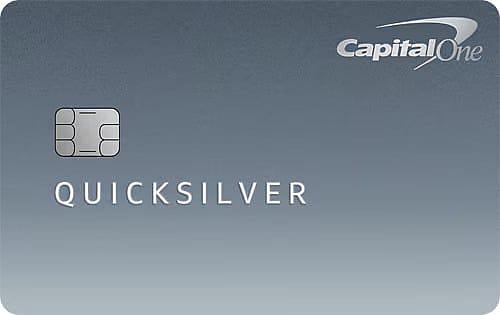 Apply Nowon Capital One's websiteon Capital One's websiteAnnual fee$0Minimum deposit$200Recommended credit scoreRegular APR29.24% Variable APRRewards rate1.5%-5%CashbackIntro offerN/A
Rewards breakdown
5%Cash back on hotels, vacation rentals and rental cars booked through Capital One Travel.1.5%Cash back on every purchase, every day.Card details
- No annual or hidden fees, and you can earn unlimited 1.5% cash back on every purchase, every day. See if you're approved in seconds
- Put down a refundable $200 security deposit to get at least a $200 initial credit line
- Building your credit? Using a card like this responsibly could help
- Enjoy peace of mind with $0 Fraud Liability so that you won't be responsible for unauthorized charges
- You could earn back your security deposit as a statement credit when you use your card responsibly, like making payments on time
- Be automatically considered for a higher credit line in as little as 6 months with no additional deposit needed
- Earn unlimited 5% cash back on hotels, vacation rentals and rental cars booked through Capital One Travel
- Monitor your credit score with CreditWise from Capital One. It's free for everyone
- Top rated mobile app
- View Rates & Fees
NerdWallet's take
The $0-annual-fee Capital One Quicksilver Secured Cash Rewards Credit Card is the rare secured card that also offers solid rewards, along with several other features ideal for those new to credit.
Read full reviewProsYou'll earn 1.5% cash back on every purchase, which is as good as you'll find on a lot of cards for those with much higher credit scores. The card reports to all three credit bureaus, and Capital One will review your credit limit after six months to see if you're eligible for an increase. You may even eventually be able to upgrade to an unsecured card.
ConsThe $200 mininum upfront security deposit might be expensive for some.
Our pick for: Student card: Bonus category cash-back rewards
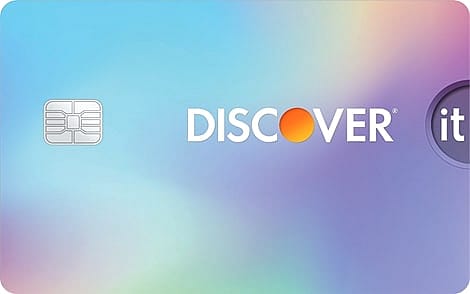 Apply Nowon Capital One's websiteon Capital One's websiteAnnual fee$0Minimum depositN/ARecommended credit scoreRegular APR16.74%-25.74% Variable APRRewards rate1%-5%CashbackIntro offerCashback Match™
Rewards breakdown
5%Cash back on everyday purchases at different places you shop each quarter like grocery stores, restaurants, gas stations, and more, up to the quarterly maximum when you activate.1%Cash back on all other purchases.Card details
- 0% intro APR on purchases for 6 months, then the standard variable purchase APR of 16.74% - 25.74% applies
- INTRO OFFER: Unlimited Cashback Match for all new cardmembers. Discover will automatically match all the cash back you’ve earned at the end of your first year! There’s no minimum spending or maximum rewards. You could turn $50 cash back into $100. Or turn $100 cash back into $200
- Earn 5% cash back on everyday purchases at different places you shop each quarter like grocery stores, restaurants, gas stations, and more, up to the quarterly maximum when you activate. Plus, earn unlimited 1% cash back on all other purchases
- Redeem cash back for any amount
- No annual fee
- Terms and conditions apply
- View Rates & Fees
NerdWallet's take
The Discover it® Student Cash Back offers a generous rewards rate on quarterly bonus categories upon activation. Discover says there is no FICO history requirement to qualify.
Read full reviewProsThis card offers 5% cash back in rotating categories on up to $1,500 in spending per quarter. Activation is required. All other spending earns 1% cash back. It has a $0 annual fee and no late fee on the first late payment. It also has a potentially rewarding welcome bonus: INTRO OFFER: Unlimited Cashback Match for all new cardmembers. Discover will automatically match all the cash back you’ve earned at the end of your first year! There’s no minimum spending or maximum rewards. You could turn $50 cash back into $100. Or turn $100 cash back into $200.
ConsBonus categories may not match your spending at all times and you'll have to activate them every three months to get the higher rewards rate. It can be a lot to manage when you’re just starting out with credit. Discover also isn’t as widely accepted abroad as Visa or Mastercard.
Our pick for: Secured card: Low deposit
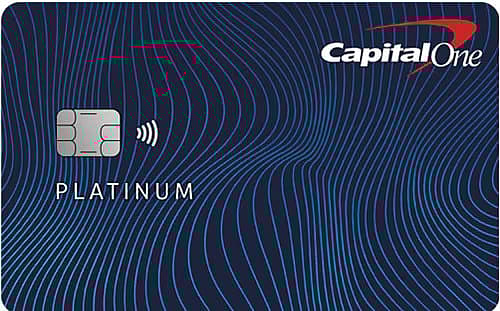 Apply Nowon Capital One's websiteon Capital One's websiteAnnual fee$0Minimum deposit$49, $99 or $200Recommended credit scoreRegular APR29.24% Variable APRRewards rateN/AIntro offerN/A
Card details
- No annual or hidden fees. See if you're approved in seconds
- Building your credit? Using the Capital One Platinum Secured card responsibly could help
- Put down a refundable security deposit starting at $49 to get at least a $200 initial credit line
- You could earn back your security deposit as a statement credit when you use your card responsibly, like making payments on time
- Be automatically considered for a higher credit line in as little as 6 months with no additional deposit needed
- Enjoy peace of mind with $0 Fraud Liability so that you won't be responsible for unauthorized charges
- Monitor your credit score with CreditWise from Capital One. It's free for everyone
- Get access to your account 24 hours a day, 7 days a week with online banking to access your account from your desktop or smartphone, with Capital One's mobile app
- Top rated mobile app
- View Rates & Fees
NerdWallet's take
With most secured credit cards, your deposit equals your credit limit. That’s not necessarily the case with the Capital One Platinum Secured Credit Card. The deposit may be $49, $99 or $200 for a $200 credit line, depending on what you qualify for. Plus, you can automatically be considered for a higher credit limit, without having to deposit more money, in as little as six months. The deposit can also be paid in installments.
Read full reviewProsThe card's deposit requirements — and the possibility of qualifying for a higher credit line — makes this card a valuable choice. The annual fee is $0. No credit history is required, as is generally the case with secured cards.
ConsYou won’t qualify for this card if your monthly income doesn't exceed your rent or mortgage payment by at least $425.
Our pick for: No-deposit starter card: Solid rewards on everything
Annual fee$0Minimum depositN/ARecommended credit scoreRegular APR18.24%-27.74% Variable APRRewards rate1.5%CashbackIntro offer$25Rewards breakdown
1.5%Cash back on all purchases.Card details
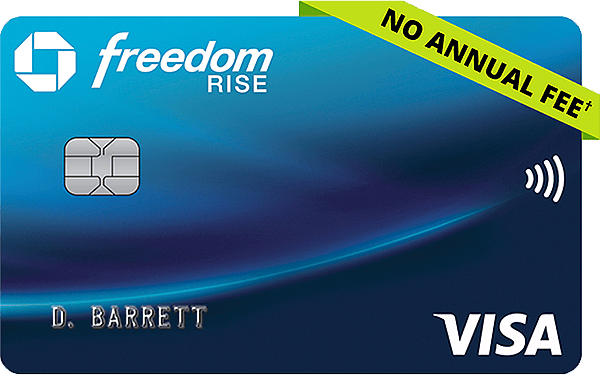
- Increase your approval chances - Having a Chase checking or savings account with a balance of at least $250 will increase your chances of getting approved for Chase Freedom Rise®
- Earn Cash Back - With Chase Freedom Rise®, you can establish credit while earning 1.5% cash back on all purchases. Cash Back rewards do not expire as long as your account is open and there is no minimum to redeem for cash back.
- Earn a $25 statement credit after signing up for automatic payments within the first three months of opening your account. With automatic payments, just pick a date and dollar amount to make sure your Credit Card gets paid on time.
- Credit Limit Increase - As a Freedom Rise® cardmember, you'll be evaluated for a credit line increase in as soon as 6 months. Your credit line is the maximum amount of money you can spend on your Freedom Rise® Card
- Free Credit Score - Track your credit score and learn how to build it with Chase Credit Journey.
- No Annual Fee - You won't have to pay an annual fee for all the great features that come with your Freedom Rise® Card.
- Member FDIC
- View Rates & Fees
NerdWallet's take
The Chase Freedom Rise® has everything you want to see in a credit card meant for beginners: a low barrier to approval, a $0 annual fee, solid rewards on everything you buy, and a potential upgrade path to any number of other excellent credit cards in the Chase portfolio.
Read full reviewProsThere's no annual fee to worry about, and since it's an unsecured credit card, there's no upfront deposit required either. You don't even need a credit history to qualify. On top of that, the card earns a flat 1.5% cash back on all purchases, which is competitive with many cards that have more stringent credit requirements. Plus, you may eventually be able to graduate to an even better Chase credit card.
ConsWhile it's a great choice for those with no credit, you won't be able to get this card if what you actually have is bad credit (FICO scores of 629 or lower). Chase also notes that your odds of approval will be higher if you have, or are willing to open, a Chase checking or savings account with at least $250 in it. So it may require jumping through a hoop or two first.
Our pick for: No-deposit starter card: Accessibility + travel rewards
Annual fee$0Minimum depositN/ARecommended credit scoreRegular APR26.99%-29.99% Fixed APRRewards rate3%CashbackIntro offerN/ARewards breakdown
3%Cash back on air travel purchasesCard details
- No annual fee. Ever.
- Apply in under 5 minutes, get a quick decision
- $350 and up credit limit
- 26.99%-29.99% APR remains fixed for life of the card
- Earn unlimited 3% cash back on airfare.
- Pay on time to skip interest.
- We welcome everyone new to credit
- Globally friendly. Apply without SSN. If you have an SSN you must provide it.
- Neu Card issued by Cross River Bank, Member FDIC, pursuant to a license from Visa U.S.A. Inc.
NerdWallet's take
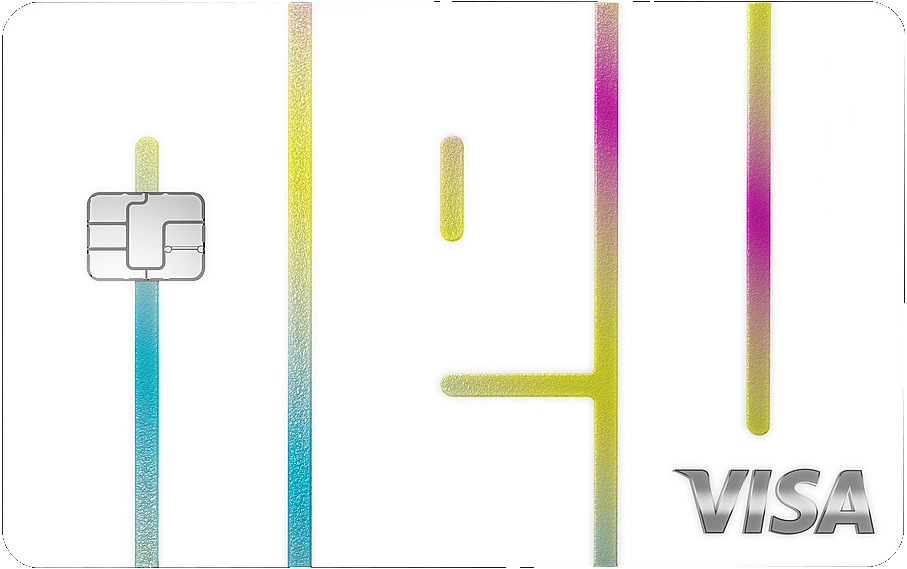
The Neu Card 2 is comparatively easy to qualify for and — thanks to its $0 annual fee — easy to hold onto. And unlike most other cards in this category, it earns bonus rewards on some travel purchases.
Read full reviewProsYou don't need a credit history, security deposit or, potentially, even a Social Security number to get the Neu Card 2. It reports to all three major U.S. credit bureaus, and it earns 3% cash back on most air travel purchases — a unique feature among starter cards.
ConsThere's no upgrade path to a better card from Neu when you're ready. (The company's other card — the Neu Card 1 — carries a monthly fee.) Plus, aside from air travel, there are no other ongoing rewards. If you do have a Social Security number or ITIN, you have better options.
Our pick for: No-deposit starter card: International students and immigrants
Annual fee$0Minimum depositN/ARecommended credit scoreRegular APR19.50%-39.50% Variable APRRewards rate1%-10%CashbackIntro offer$15Rewards breakdown
1%unlimited cashback on all spends.Card details
- $15 Welcome Points after completion of tasks and milestone activities detailed in the application process.
- $100+ Overall Annual Benefits.
- 1% Unlimited Cashback on all spends.
- Up to 10% Cashback on 7k+ merchants.
- No SSN or prior credit history required.
- Build credit history from Day 1 in the US.
NerdWallet's take
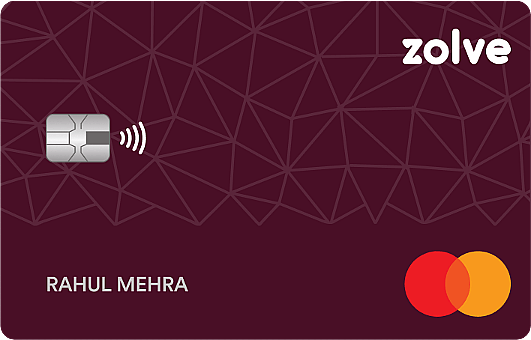
The Zolve Classic Credit Card is highly accessible and affordable, and it even earns modest rewards.
Read full reviewProsThere are few obstacles to getting this card, even if you're new to the U.S. The annual fee is $0, there's no security deposit or credit history requirement, and it's possible to get it without a Social Security number.
ConsThere's currently no clear upgrade path to a better product from Zolve when you're ready. Plus, the APR can range up to nearly 40%, so you won't want to carry a balance. If you do happen to have a Social Security number, you can likely do better with other starter cards in terms of rewards and flexibility.
Our pick for: No-deposit starter card: High accessibility
Annual feeUp to $60Minimum depositN/ARecommended credit scoreRegular APR24.99% Variable APRRewards rate1%CashbackIntro offerN/ARewards breakdown
1%Cash back on Gas.1%Cash back on Groceries.Card details
- Start with up to $300 in credit — grow to $2,500+ over time.
- Earn 1% cash back on gas & groceries and other rewards as you level up.
- Apply in 5 minutes or less with no hard credit check and no security deposit.
- Meet Artie, your AI money coach — delivering instant answers, personalized credit-building tips, and smart guidance 24/7.
- See your cash flow in real time with personalized insights designed to guide you toward smart money habits.
- Build credit with reporting to all three major credit bureaus.
- The Arro Card is issued by Community Federal Savings Bank, member FDIC, pursuant to license by Mastercard International. Privacy Policy.
NerdWallet's take
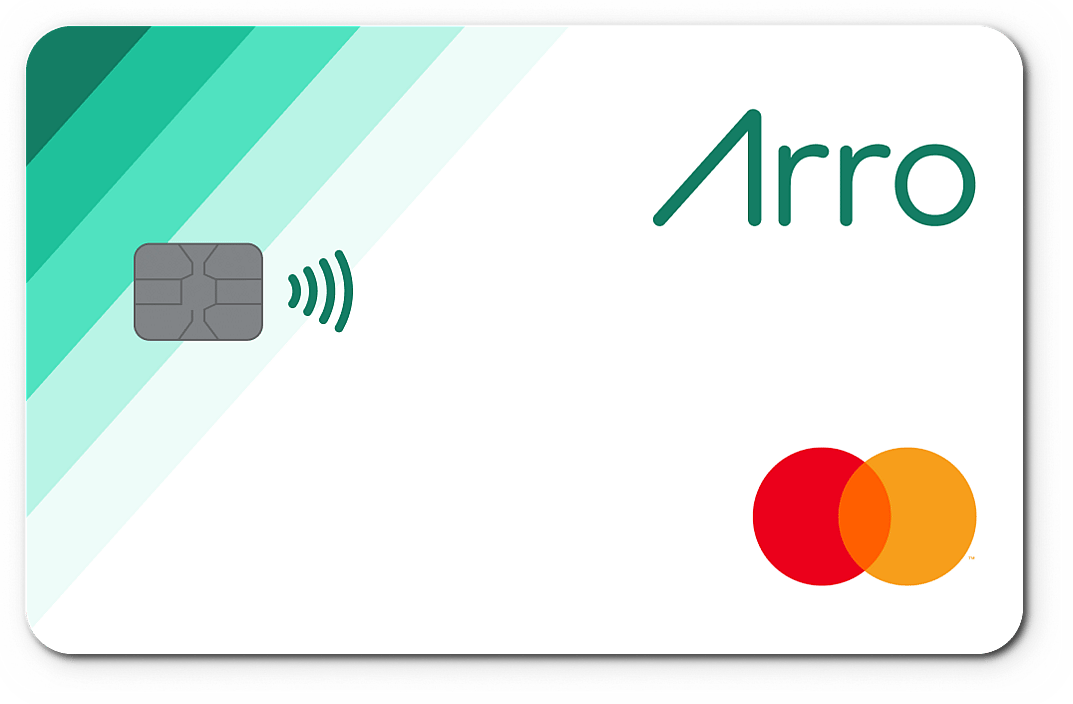
The Arro Card lowers a lot of barriers for those with bad or no credit. Not only is there no security deposit, but there's no credit check either (even though the card reports to all three U.S. credit bureaus, which is ideal). You can "game" your way to a higher credit limit, and the card also earns modest rewards. You will, however, need to link a bank account with Arro, which is partly how the company determines your eligibility. You'll also need an Arro membership, which has a yearly fee of Up to $60.
Read full reviewProsNo hard credit check.
Comprehensive credit bureau reporting.
Rewards: 1% cash back on gas and groceries (including groceries purchased at Walmart and Target).
ConsAnnual fee: Up to $60.
No upgrade path.
Our pick for: Secured card: No credit check
 Apply Nowon Capital Bank's websiteon Capital Bank's websiteAnnual fee$35Minimum deposit$200Recommended credit scoreRegular APR23.89% Variable APRRewards rate1%-10%CashbackIntro offerN/A
Card details
- Earn up to 10% cash back on everyday purchases
- No credit check required – 89% approval rate with zero credit risk to apply!
- Boost your credit score fast—2 out of 3 opensky® cardholders see an average increase of 47 points after 6 months
- Track your progress with free access to your FICO® score in our mobile app
- Build your credit history with reporting to all three major credit bureaus: Experian, Equifax, and TransUnion
- Seamless payments—add your card to Apple Pay, Google Pay, and Samsung Pay
- Start with just $200—secure your credit line with a refundable deposit
- Fast and easy application—apply in minutes with our mobile-first experience
- Flexible payment options—pick a due date that works for you
- More time to fund—spread your security deposit over 60 days with layaway
- Join 2 million+ cardholders who have used opensky® to build better credit!
- View Rates & Fees
NerdWallet's take
The opensky® Secured Visa® Credit Card is a strong option for people struggling to build credit, as well as for those without access to traditional banking services. Click "apply now" to see additional terms.
Read full reviewProsUnlike most other secured cards, the opensky® Secured Visa® Credit Card doesn’t require a credit check, so even people with badly damaged credit may be able to qualify. (You’ll still need to meet income standards, however.) Also setting this card apart from other secured cards: You don’t need a bank account. You can make your deposit and pay your bill by debit card, wire transfer, check or money order.
ConsThe card charges an annual fee. Also, your options for upgrading your account to an unsecured card are limited.
Our pick for: Small-business card: Startups
Annual fee$0Minimum depositN/ARecommended credit scoreRegular APRN/ARewards rate1x-7xPointsIntro offer10,000pointsRewards breakdown
7xPoints on rideshare.4xPoints on Brex Travel.3xPoints on restaurants.2xPoints on software subscriptions.1xPoint on all other transactions.Card details
- Get 10,000 points when you spend $3,000 on a Brex Card within your first 3 months.
- No personal guarantee needed – Brex does not ask for a personal credit check or security deposit during the application.
- Credit limits 10-20x higher than traditional small business corporate cards.
- Minimum bank balance of $50,000 from professional investors may be required to qualify for Brex.
- Exclusive signup offers from the best products and tools for your business (e.g. AWS, Google Ads, WeWork, Salesforce) worth up to $150,000 in value.
- Earn points on every dollar spent with industry-leading multipliers: 7x on rideshare, 4x on Brex Travel, 3x on restaurants, 2x on software subscriptions and 1x on all other transactions.
- Earn 3x Brex Rewards points on all eligible Apple purchases through the link or your Brex dashboard.
- Miles transfer program to 7 airlines (including Singapore Airlines, Qantas, Air France, and more) and their loyalty programs, giving Brex customers access to book travel across all of the major global airline alliances - Star Alliance, Oneworld, and SkyTeam.
- 30-day charge card running on the Mastercard network. Enjoy global acceptance with no foreign transaction fees.
- Build business credit: Brex partners with Dun & Bradstreet and Experian to report your on-time payments.
- Make employee expenses seamless - automated receipt-capture and expense matching and reconciliation via text, email, and mobile app. Instantly add new users and set spending limits.
- Contactless pay with Apple Pay, Google Pay, and Samsung Pay.
- Simplify reconciliation with built-in integrations with QuickBooks, Xero, NetSuite, and more.
NerdWallet's take
The Brex Card is ideal for business owners with no credit history and plenty of cash in the bank. It's one of the very few small-business cards that doesn't require a personal guarantee, meaning you're not personally on the hook for outstanding balances if your business fails. Brex evaluates creditworthiness by looking at a company’s cash balance, spending patterns and investors.
Read full reviewProsThis $0-annual-fee card packs a lot of opportunities to earn rewards and discounts on business expenses. You'll get 1 point per $1 spent on purchases, or more points if you make the Brex Card your only company card for expenses. If you do, you'll get 7 points per dollar on rideshares, 4 points per dollar on travel booked through Brex, 3 points per dollar at restaurants and on Apple products (purchased through the Brex dashboard), and 2 points per dollar on recurring software expenses. There's also a sign-up bonus: Get 10,000 points when you spend $3,000 on a Brex Card within your first 3 months..
ConsYou need $50,000 in your bank account to qualify for this card ($100,000 if you're self-funded). And, since it’s a charge card, you’ll have to pay the full balance at every billing cycle.
Compare the Best No Credit Credit Cards
| Credit card | Rating | Annual fee | Minimum deposit | Rec. credit score Rec. credit score | Learn more |
|---|---|---|---|---|---|
2026 Best credit card for college students 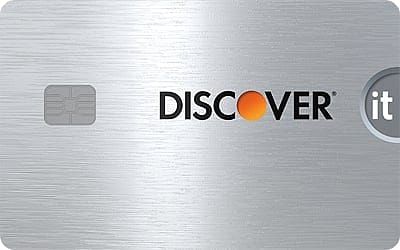 Discover it® Student Chrome Discover it® Student ChromeApply Nowon Capital One's website on Capital One's website | Best for Student card: Simplicity and value | $0 | N/A | 630-689 (Fair) | Apply Nowon Capital One's website on Capital One's website |
2026 Best credit card for building credit Capital One Quicksilver Secured Cash Rewards Credit CardApply Nowon Capital One's website on Capital One's website | Best for Secured card: Rewards and upgrading | $0 | $200 | 300-629 (Poor) | Apply Nowon Capital One's website on Capital One's website |
| Discover it® Student Cash Back Apply Nowon Capital One's website on Capital One's website | Best for Student card: Bonus category cash-back rewards | $0 | N/A | 630-689 (Fair) | Apply Nowon Capital One's website on Capital One's website |
| Capital One Platinum Secured Credit Card Apply Nowon Capital One's website on Capital One's website | Best for Secured card: Low deposit | $0 | $49, $99 or $200 | 300-629 (Poor) | Apply Nowon Capital One's website on Capital One's website |
 Chase Freedom Rise® Chase Freedom Rise®Apply Nowon Chase's website on Chase's website | Best for No-deposit starter card: Solid rewards on everything | $0 | N/A | 690-850 (Good - Excellent) | Apply Nowon Chase's website on Chase's website |
 Neu Card 2 Neu Card 2Apply Nowon Neu's website on Neu's website | Best for No-deposit starter card: Accessibility + travel rewards | $0 | N/A | 350-850 (Poor - Excellent) | Apply Nowon Neu's website on Neu's website |
 Zolve Classic Credit Card Zolve Classic Credit CardApply Nowon Zolve's website on Zolve's website | Best for No-deposit starter card: International students and immigrants | $0 | N/A | 350-850 (Poor - Excellent) | Apply Nowon Zolve's website on Zolve's website |
 Arro Card Arro CardApply Nowon Arro's website on Arro's website | Best for No-deposit starter card: High accessibility | Up to $60 | N/A | 300-850 (Poor - Excellent) | Apply Nowon Arro's website on Arro's website |
| opensky® Secured Visa® Credit Card Apply Nowon Capital Bank's website on Capital Bank's website | Best for Secured card: No credit check | $35 | $200 | 300-689 (Poor - Fair) | Apply Nowon Capital Bank's website on Capital Bank's website |
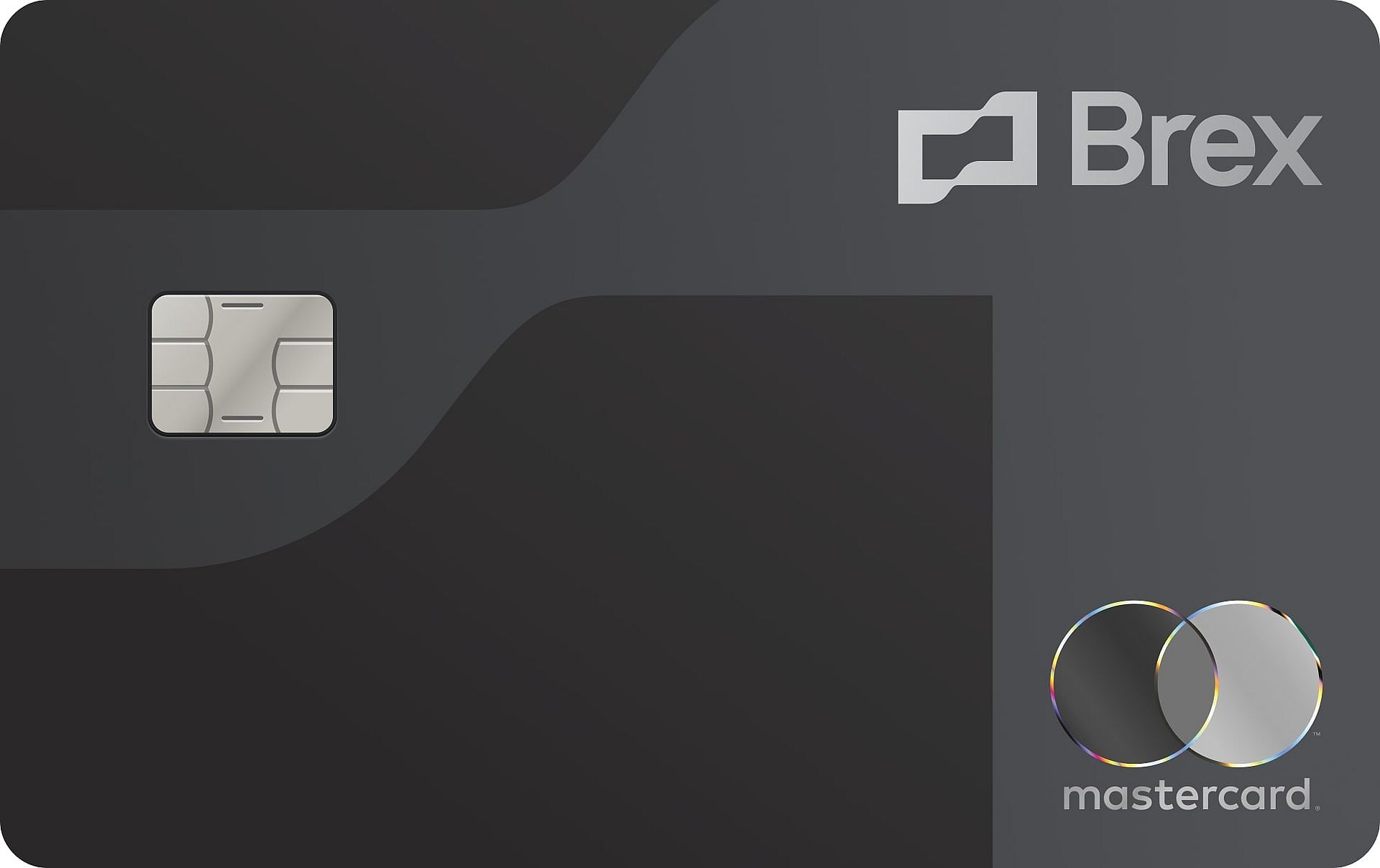 Brex Card Brex Card | Best for Small-business card: Startups | $0 | N/A | 300-850 (Poor - Excellent) |
More about our picks
Because "starter cards" has such a broad definition, no single card is going to be the objectively "best" card for everyone. A college student looking for their first card has different priorities and needs from, say, someone who needs a card they can qualify for without a bank account or a Social Security number. That's why you should look at this page not as a ranked list ordered from best to worst, but rather as a collection of the best options for a range of needs.
Below, we dive a little deeper on the cards featured on this page — what makes them stand out and what kind of cardholder would benefit most from them. If you're still unsure about your decision, this additional context may help. For additional choices, see our best secured cards and our best student cards.
BEST STARTER CARDS FOR NO CREDIT OF OCTOBER 2026
Secured cards
Capital One Platinum Secured Credit Card: Our pick for low deposit
Capital One Quicksilver Secured Cash Rewards Credit Card: Our pick for rewards & upgrading
opensky® Secured Visa® Credit Card: No credit check
Student cards
Discover it® Student Chrome: Our pick for simplicity and value
Discover it® Student Cash Back: Our pick for bonus category cash back
No-deposit starter cards
Chase Freedom Rise®: Our pick for solid rewards and an upgrade path
Arro Card: Our pick for high accessibility
Neu Card 2: Our pick for accessibility + travel rewards
Zolve Classic Credit Card: Our pick for international students and immigrants
Business card
Zolve Classic Credit Card: Our pick for startups
Secured cards
Secured credit cards can be a good option for those with no credit who want a starter card from a major issuer or without a credit check. These cards require an upfront refundable deposit, usually equal to the card's limit. That cash collateral is returned to you if the card is upgraded to an unsecured account or closed in good standing.
Capital One Platinum Secured Credit Card
Our pick for: Secured card — low deposit
A secured credit card is one of the quickest ways to build credit, but pulling together hundreds of dollars for a security deposit can be a tall order for some people. The Capital One Platinum Secured Credit Card offers a potential solution. Depending on your credit profile, you could get a $200 credit limit with a deposit of only $49 or $99 (see rates and fees). With most other secured cards, your initial credit limit is equal to whatever deposit you put down. Capital One also gives you 35 days from card approval to fully fund the security deposit, and you can pay it in increments of at least $20. If you show good credit habits, you could be automatically considered for a higher credit limit without needed to deposit more money. As with all secured cards, the deposit is fully refundable if you close the account in good standing, or if Capital One upgrades you to an unsecured card. The main downside of this card is that it doesn't earn any rewards, unlike many competing cards (including from Capital One). But keep in mind that a secured card isn't a long-term proposition, so the rewards you'd ultimately earn would likely be small. The goal is to use it to boost your credit, then move on to better cards. Read our review of the Capital One Platinum Secured Credit Card.
» For a secured card with rewards: Capital One Quicksilver Secured Cash Rewards Credit Card
Capital One Quicksilver Secured Cash Rewards Credit Card
Our pick for: Secured card — rewards and upgrading
For building credit as quickly and efficiently as possible, a secured card from a major issuer is often the way to go, and the Capital One Quicksilver Secured Cash Rewards Credit Card is one of the best available. It earns the same 1.5% cash back as the regular Quicksilver card, and the annual fee is $0 (see rates and fees). If you're financially stressed, the biggest obstacle might be pulling together the security deposit, which determines your initial credit limit on the card. The minimum is $200. But Capital One does let you pay that in increments and gives you 35 days from card approval to fully fund it. Admittedly, $200 isn’t a ton of spending power, but if you demonstrate responsible credit habits, you could be considered for a credit limit increase, without depositing any additional money, within six months. (You also have the option of simply depositing more money, and getting a higher initial credit line, when you open the card.) As with all secured cards, you can get your deposit back if you close the account in good standing or if Capital One upgrades you to an unsecured card. Read our review of the Capital One Quicksilver Secured Cash Rewards Credit Card.
» For no minimum security deposit: Secured Chime Visa® Credit Card
opensky® Secured Visa® Credit Card
Our pick for: Secured card — no credit check
The fact that the opensky® Secured Visa® Credit Card charges an annual fee might be a turn-off. After all, there's a fairly long list of secured cards that don't cost anything to carry (aside from the refundable deposit). But a lot of people will still want to take a look at it for two reasons. First, there's no credit check required. Anyone with bad credit or no credit who has struggled to qualify for a credit card can tell you what an obstacle the credit check can be; paying $35 a year to go around that barrier might well be worth it. Second, unlike with most credit cards, you don't need to have a traditional bank account, making this a decent option for the "unbanked." You can fund the deposit or pay your bill with a money order or Western Union payment. As for drawbacks beyond the annual fee, this card doesn't present you with good upgrade options. If you want a better card down the road, you'll probably have to move on. Read our review of the opensky® Secured Visa® Credit Card.
» For no-annual-fee version (but a higher deposit): opensky® Plus Secured Visa® Credit Card
Student cards
Student credit cards are ideal for working college students. Unlike secured cards, they don't require upfront deposits. If you're under 21, however, you have to have an independent income to qualify.
Discover it® Student Chrome
Our pick for: Student card — simplicity and value
The Discover it® Student Chrome checks so many boxes for a starter credit card that it was named the best college student card in NerdWallet's annual Best-Of Awards for every year but one from 2020 to 2026. You don't need a FICO credit history to apply, it has a $0 annual fee so you can keep it open long after graduation, it reports payments to all three major credit bureaus, and it has a simple rewards structure that doesn't require management. There are incentives rarely found on student cards, such as an intro APR period and a bonus offer for new cardholders. The card even waives your first late fee, a welcome spot of forgiveness for those just getting started with credit. The downsides of the card are minor, but still worth taking into account. One is the rewards, which are fairly meager compared with what you can get on other student cards, including from Discover. Another is Discover's limited acceptance outside the U.S., which can be an issue if you plan to study abroad. Read our review of the Discover it® Student Chrome.
» For broader acceptance abroad: Bank of America® Travel Rewards credit card for Students
Discover it® Student Cash Back
Our pick for: Student card — bonus category cash-back rewards
The Discover it® Student Cash Back comes with all the essentials for beginners learning to manage credit and and build a strong credit file. There's no credit history requirement to apply. There's no annual fee, which which makes it easy to keep open after graduation. It reports payments to all three major credit bureaus. It even waives the first late fee — a nice benefit to have in your back pocket while learning how to use credit but hopefully not something you'll ever use. It offers the same ongoing rewards as Discover's flagship card, including bonus cash back in rotating categories that you must activate. While this structure can be more rewarding than the simpler cash back of Discover's other student card, the categories might not always align with a student's spending. Having to activate and track categories also adds a level of complexity that many students may not be ready to bother with. Other standout perks for a student card include an intro APR period and a bonus offer. There's no foreign transaction fees, but Discover's limited acceptance abroad makes it an iffy proposition for studying abroad. Read our review Discover it® Student Cash Back.
» For broader acceptance outside the U.S.: Bank of America® Travel Rewards credit card for Students
No-deposit starter cards
It's possible to qualify for these cards without a U.S. credit history if you meet other criteria.
Chase Freedom Rise®
Our pick for: No-deposit starter card — solid rewards and an upgrade path
The Chase Freedom Rise® is ideal for those just starting out with credit because it doesn’t require a security deposit and you don't need a credit history to qualify. It has essential credit-building features, including reporting to major credit bureaus, periodic reviews for credit limit increases and annual reviews for a potential upgrade to a better Chase card. It also has a $0 annual fee, which makes it easy to keep open over the long term. Although it doesn't require a deposit like a secured card, you can strengthen your odds of approval by opening a Chase checking or savings account and depositing at least $250. There are rewards, too, as the card earns 1.5% cash back on all purchases. That matches what you'll find on many cards for people with good credit, although it's possible to find elevated rewards in specific categories, even on cards for beginners. Note, however, that while this is a great card for building credit, it's not for rebuilding credit. If your credit has been damaged from missed payments, defaults or a bankruptcy, you'll need to look elsewhere. Read our review of the Chase Freedom Rise®.
» For a rewards option for bad credit: Discover it® Secured Credit Card
Arro Card
Our pick for: No-deposit starter card: High accessibility
The strength of the Arro Card is its accessibility for those with poor, thin or no credit. It doesn't require a security deposit, and there's no credit check. Instead, the card considers other data points like your income and bank account information. (As such, you'll have to connect a bank account to apply.) The card reports to all three major U.S. credit bureaus, which is a must-have for those seeking to build or rebuild credit. It's not free to hold, though. There's technically no annual fee, but to get the card you'll need an Arro membership, which comes at a yearly cost of Up to $60 — not as pricey as some other unsecured credit cards, but also not refundable, as a security deposit would be. The good news is that you may be able to offset that cost thanks to the Arro Card's modest rewards on gas and groceries, two major line items in most household budgets. The card even offers ways to increase your credit limit over time, if you don't mind taking part in certain gamified tasks. Just note that as with many other "alternative cards," there's no upgrade path to a better product from Arro once you're ready. Read our review of the Arro Card.
» For a less expensive unsecured option for bad credit: AvantCard Credit Card
Neu Card 2
Our pick for: No-deposit starter card: Accessibility + travel rewards
The primary selling point of the Neu Card 2 is accessibility. It doesn't require a security deposit; it doesn't charge annual fees or monthly fees; there's no security deposit; and the issuer says you don't need a credit history to apply. In fact, you might even be able to get it without a Social Security number. (If you don't have a tax ID, you can apply with other documents, including a passport and a visa that's valid for a minimum of six months.) It's also a sneaky-good (or at least sneaky-not-bad) travel card: It earns 3% cash back on air travel, including airfare purchased directly from airlines, as well as incidentals like checked bags and upgrades. It has no foreign transaction fees, and because it runs on the Visa network, it's widely accepted abroad. You don't have good upgrade options once your credit improves, but with a $0 annual fee, it's not like it costs you anything to hold onto it. Read our review of the Neu Card 2.
» For cash back on all purchases with similar accessibility: Zolve Classic Credit Card
Zolve Classic Credit Card
Our pick for: No-deposit starter card: International students and immigrants
The Zolve Classic Credit Card boasts a lot of desirable features in a card for beginners to credit, especially those who are new to the U.S. For one thing, it's possible to qualify without a Social Security number. (The card allows you to apply with a passport, visa or alternative documents to determine eligibility.) In addition, it doesn't require a credit history or a security deposit, the annual fee is $0, and it reports to all three major credit bureaus. It even earns modest rewards. For those who aren't starting completely from scratch, though, other options offer higher rewards and better upgrade possibilities. It's not a great card for everyone, but it might be the perfect card for some. Read our review of the Zolve Classic Credit Card.
» For no credit check or bank account required: opensky® Secured Visa® Credit Card
Business card
Brex Card
Our pick for: Startups
Unlike most cards designed for entrepreneurs, the Brex Card doesn't require the cardholder to personally guarantee the debt on the card. Instead, Brex determines creditworthiness by evaluating a company's cash balance, spending patterns and investors. It's a good option when a business owner has a thin credit file but is well capitalized. The card earns rewards, too. Learn more and apply.
What do you need to get a credit card without credit?
By Melissa Lambarena, NerdWallet
You don't need a credit history to get a starter card. In some cases, you won't need a Social Security number. But generally, you'll need:
A U.S. mailing address.
Income.
A checking or savings account.
Depending on your age, you might have to meet stricter income requirements to qualify:
If you’re under 21: To qualify for a credit card, you'll need to show that you can make payments on the account independently or get a co-signer, someone 21 or older who assumes the responsibility of your debt if you can’t pay the bill.
If you’re over 21: You’re still required to report your income if you’re over 21, but you have the option to list any income to which you have “reasonable expectation of access.”
Other requirements can vary depending on the type of starter card. Some examples:
Secured cards for no credit. These require a cash deposit as collateral to reduce the risk to the issuer, which may present an obstacle for some applicants. The amount deposited usually determines your credit limit. With a good payment history, you eventually get your deposit back when you close the account or upgrade to a regular credit card.
Student cards for no credit. These may require you to be an enrolled college student. You might have to provide information like the name of your school, your major and your expected graduation year.
No-deposit starter cards for no credit. Applications for these cards may require government-issued documents, bank account information, employment verification requirements and other details. That's because they assess creditworthiness in alternative ways, such as looking at employment, income, spending, savings or your credit history from a different country.
Small-business cards for no credit. At least one issuer offers small-business cards without taking personal credit history into account, but to qualify, you'll have to have plenty of cash in the bank.
How can a credit card help me build credit fast?
A credit card can help you build credit when you have none.
As you’re making payments on your credit card, that history is being recorded in your credit report, which compiles the information used to calculate your credit scores.
As long as you make on-time payments and stay well below your credit limit, you can work your way up to a good credit score of 690 or higher. Your payment history makes up 35% of your FICO credit score; the amount of available credit used will account for 30% of it. Those are the two most important factors, but there are others.
How long you keep the account open also impacts your credit. Once you work your way up to good credit, it's helpful to keep the starter credit card open or maintain the original line of credit by upgrading to a regular credit card with the same issuer. This way, you preserve the length of your credit history, which accounts for 15% of your credit score. Closing your account could have negative consequences.
What to look for in a starter credit card
When you’re new to credit, you generally can't qualify for the best credit card offers. Among starter cards, ongoing interest rates are often steep and credit limits are low.
Don’t waste time looking for a credit card without a credit limit because issuers are required by federal law to determine your ability to pay. As a result, they offer a credit limit within your means. You also don’t need to look for credit cards that don’t run a credit check. These cards typically target those with bad credit, and they often come with an annual fee. There are plenty of starter cards that spare you that cost.
In some cases, you can be choosy. Here are a few things to look for in a starter credit card:
No annual fee. A starter credit card that doesn’t charge an annual fee makes it easier to preserve the length of your credit history and your credit score because you can keep it open for a long time at no cost.
A path to a better credit card with the same issuer. Look for this option during your initial search. Once you establish a good credit history, you could upgrade to a better credit card with the same issuer and keep your original line of credit. This way, you're not stuck with the lower credit limits and lower rewards rates typically found on starter cards.
A report to all three credit bureaus. The ideal starter credit should report payments to all three credit bureaus — TransUnion, Equifax and Experian. These companies record your payment history, which again is a key factor in your credit scores. If your card reports to all three bureaus, then all your possible bases will be covered when a lender pulls your credit report. The lender will have all of the information it needs to make a decision.
Here are some features that are less important but could still prove valuable:
Travel-friendly features. If travel is in your future, consider getting a credit card that doesn’t charge foreign transaction fees — a percentage assessed on every international purchase, typically between 1% and 3% of the amount charged. You can also choose a credit card that belongs to a Visa or Mastercard network, which has broad international merchant acceptance.
Rewards. On a starter card, these aren't a top priority, but many cards offer them. If you're deciding among multiple rewards cards, consider your spending habits and how well they match up with the bonus categories.
Making the most of your starter credit card
With a starter card, your goal should be to hit or exceed the 690 credit score target necessary to establish good credit. Here's what you can do to work toward that:
Pay on time and in full every month to avoid interest (or at least pay more than the minimum).
Aim to use less than 30% of your available credit limit at all times. The lower your balance, the better.
Keep the account open and active.
Check your statement for mistakes.
Monitor your credit score through your issuer’s app.
Get your free annual credit report.
You can track your credit score for free through NerdWallet, certain banks and other third-party apps.
This page includes information about the Discover it® Secured Credit Card which is no longer available, and the offer details may be out of date.
Frequently asked questions
Can I get a credit card without a credit history?
One of the easiest ways to build credit with no credit history is with a credit card. You can get a credit card without credit, but your options are mostly limited to alternative credit cards and secured credit cards. Credit cards outside of these options typically require good credit (FICO scores of 690 or higher), and some will accept only excellent credit (720 or higher). Understand that “no credit” doesn’t mean that you have “good credit.” And “no credit” is not worse than “bad credit,” though, you may experience similar obstacles in getting a credit card application approved. No credit means that you don’t have a credit score at the moment. You’re “credit invisible” for the time being until a lender approves you for credit and gives you the chance to prove you can manage credit responsibly.
Can I get a credit card with no credit limit?
You cannot get a credit card without a credit limit. Federal law prohibits credit card issuers from offering credit cards without a credit limit. They have to evaluate your ability to pay and offer credit accordingly. Otherwise, it would be like someone writing you a blank check. Credit limits are speed bumps that force you to slow down when you might be spending more than you can afford. Credit limits are determined by your issuer, and they take into account factors like your credit scores, payment history, income, credit utilization and large expenses.
Where can I find a credit card without a credit check?
Decent, non-predatory cards with no credit check are hard to come by, but there are some out there, like the opensky® Secured Visa® Credit Card. These cards are better suited for applicants with bad credit who don’t want to further ding their credit score with a “hard inquiry” on their credit report. The drawback to these credit cards is that they generally charge annual fees. There’s no point in paying an annual fee for a credit card if you have no credit because there are plenty of other starter cards for no credit that don’t charge it. (Many credit cards offer a preapproval process that doesn’t involve an hard pull, though once you officially apply, your credit report will be pulled.)
How do I fix insufficient credit history?
It’s not necessarily bad to get denied a credit card due to insufficient credit history. It just means you have some work to do to establish a credit history. One option that can help you: secured credit cards for no credit. These cards typically require that you put down a security deposit of several hundred dollars, though some options are cheaper or more flexible than others. If that’s not in your budget, you might consider becoming an authorized user on someone else’s credit card or getting a co-signer. When those options aren’t available, you can still build credit if you can’t get a credit card by having your rent payments or other bills reported to credit bureaus. If you’ve been denied a credit card, you’ll want to wait about six months until your next application.
What is the fastest way to build credit when you have no credit history?
The fastest and easiest way to build credit when you have none is with a credit card. A credit card issuer reports your payments to the credit bureaus about once in the ballpark of a month or longer, depending on the issuer. Once you activate your card and start using it, you’ll be on the path to building credit. By practicing healthy habits, you can have a positive impact on your credit score over time.
How we choose the best credit cards
Our team of credit card experts has developed a rigorous methodology to determine how much value a card delivers and how it stacks up against its competitors.
400+
Cards reviewed

400+
Cards reviewed
NerdWallet’s experts have reviewed more than 400 cards, from the most popular options at the biggest banks to store cards to niche cards from startups and small issuers.
8
Categories scored

8
Categories scored
Credit cards are so diverse that properly rating them with a single formula is impossible. We’ve built eight rubrics, plus variations, so we can score each card on what matters.
50+
Data points analyzed

50+
Data points analyzed
Our ratings consider not just a card’s rates, fees, rewards and perks, but also how easy or hard it is to get that card, manage it and enjoy its advertised benefits.
Star rating categories
What you want out of, say, a cash back credit card is fundamentally different from what you’re looking for in a balance transfer card or a card for building credit. That’s why we have different scoring models that put weight on different features.
Cash back cards
General travel cards
Balance transfer cards
Branded airline cards
Branded hotel cards
Credit builder cards
College student cards
Small business cards
Cash back cards
Our formula looks at how much cash back you could expect to earn from typical household spending. We consider rewards rates and categories, bonus offers and the cash value of other benefits, as well as any annual fee. The rating is also influenced by the complexity of the rewards structure.
General travel cards
We consider how many points you could expect to earn from typical household spending, along with per-point values and redemption options. We add in the cash value of bonus offers and other benefits, subtract annual fees and other costs, and take into account the complexity of the rewards structure.

Balance transfer cards
Our balance transfer rubric calculates how much money a card could save you with a low or 0% interest rate. Primary factors include the length and structure of the introductory APR period and the balance transfer fee. We also consider long-term value, such as whether the card offers rewards.

Branded airline cards
We calculate how many miles you could expect to earn from typical household spending and what those miles are worth based on our valuations. We add in the cash value of bonus offers and perks such as free checked bags and lounge access, and we subtract annual fees and other costs.

Branded hotel cards
We calculate how many points you could expect to earn from typical household spending and what those points are worth based on our valuations. We add in the cash value of bonus offers and perks such as free nights and automatic elite status, and we subtract annual fees and other costs

Credit builder cards
Our rubric focuses on accessibility (such as whether a credit check is required), out-of-pocket costs (such as annual fees or minimum security deposits), credit-building features (such as bureau reporting and access to a free credit score) and upgrade options when you’re ready to move on.

College student cards
Our formula calculates the rewards you could expect to earn on spending typical for a college student and takes into account the cash value of bonus offers and other benefits. Accessibility to students without established credit is a key consideration, as is the effort required to manage the card.

Small business cards
Our star ratings criteria for small business credit cards are similar to those for consumer cards, although they account for potentially higher spending levels and higher credit limits, as well as rewards structures and bonus categories tailored specifically to entrepreneurs and business operators.

NerdWallet's Credit Cards team selects the best credit cards in various categories based on overall consumer value, as evidenced by star ratings, as well as their suitability for specific kinds of consumers. Factors in our evaluations include fees, promotional and ongoing APRs, and sign-up bonuses; for rewards cards, we consider earning and redemption rates, redemption options and redemption difficulty. Because different consumers can have markedly different needs, preferences and spending habits, we recognize that there is rarely a single credit card that is "best" for everyone. That's why this page includes a variety of options to suit an array of circumstances. Also, a single card is eligible to be chosen as among the "best" in multiple categories.
Our star ratings provide a quick way to compare credit cards. We assess the features of a card, score those features according to how they compare with other options on the market, and assign the card a rating of 1 to 5 stars based on those features. In general, a card that rates 4.5 stars will be a better value for more people than a card that rates 4.0 stars. However, the 4.0 card might be better than the 4.5 card for an individual consumer depending on that person’s circumstances. Further, ratings are only comparable within categories. If you're looking for rewards, for example, a 3.5-star cash back card will be of greater value than a 5.0-star balance transfer card or a 4.5-star credit-builder card. Star ratings are an important consideration in which cards appear on our "best" pages, but they are not the sole determining factor. Learn how NerdWallet rates credit cards.
