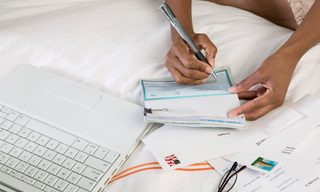
Bounced Check: The True Costs and What You Can Do
Bounced checks can mean fees and even criminal charges. Contact both the recipient and bank and try to pay quickly.

Bounced checks can mean fees and even criminal charges. Contact both the recipient and bank and try to pay quickly.

Aim to save three to six months' worth of expenses in your emergency fund.

Reap a higher return by stashing your cash in a high-yield savings or checking account or a high-yield CD.


A checking account is a bank account for everyday expenses. You can use it to pay bills, make purchases and more.



Having dedicated rainy day savings can help you weather irregular expenses and maintain financial stability.


A CD is a limited-use savings account. It works best for some short-term savings goals.

CDs lock up savings for a fixed period of time in exchange for a generally higher rate than other bank accounts.


Services include bill pay and money transfers. Hours are 8 a.m. to 8 p.m. Monday through Saturday and 10 a.m. to 6 p.m. on Sunday.
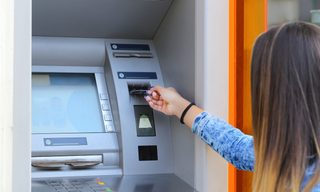
Load money in advance onto a prepaid debit card, then use it to make purchases or get cash at ATMs. You can reload the card in multiple ways.


PayPal is a widely-accepted payment and money transfer platform, but its fees can add up if you aren’t careful.
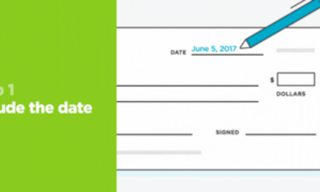
Writing a check can be done by filling out six lines on the check. There are also alternatives to sending a check.


Inspect the check, consider why you're getting it, don't use the money and tell authorities about the fraud.

Savings accounts, money market accounts and CDs are three types of accounts meant for saving cash.

Some banks still enforce caps after the Federal Reserve removed the “no more than six” limit on monthly savings transfers.


The Glass-Steagall Act of 1933, which has been partially repealed, prevented commercial banks from making risky investments with customer deposits.

To cancel a money order, contact the issuer, provide details, attach a copy of the receipt, submit the cancellation form and pay a fee.