



What Is a Bank Statement?
A bank statement is a monthly document that shows a summary of the money that goes in and out of your accounts. Check for errors, fees and any interest earned.


Wire Transfer Fees: What Banks Charge
Based on NerdWallet data, the median outgoing wire transfer in the U.S. costs $25. But you can find free wire transfers and cheaper ways to send money.


Is Online Banking Safe? How to Boost Your Banking Security
To increase online banking safety, use secure networks, create strong passwords and choose a bank or credit union that has industry-standard security technology.

4 Advantages of Traditional Banks Over Online Banks
Cash, checks and specialty services are where traditional banks have an edge.

What Do You Need to Open a Bank Account?
You'll need a government-issued ID and some basic information, and you might have to deposit some money to get started.

2

How Much Interest Does a CD Earn?
CDs are savings accounts for short-term cash investments. Compare returns on a CD with the calculator below.

What Are Senior Checking Accounts?
A senior checking account is essentially a regular checking account that may offer features such as free checks and lower monthly fees.

2

Cashier’s Check vs. Money Order: How to Decide
Cashier's checks cost more, but let you send more money. Money orders are cheaper and easier to buy, especially if you don't have a checking account.

How to Pick and Use Multiple Savings Accounts
Online banks tend to have higher savings rates and lower fees, making them good options for multiple savings accounts.

How Overdraft Protection Transfers Work
Overdraft protection transfers allow your transactions to go through even if you overdraw your checking account.
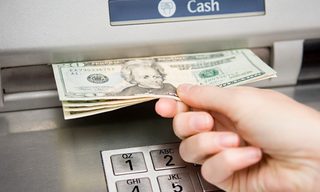
How to Cash a Check (And Save on Fees)
Major retailers, or the payer’s bank or credit union, can cash a check for a small fee. But the better option is your own financial institution.

How to Cancel a Lost Check
To stop a payment you have to gather check details and quickly notify your bank. Here's how to cancel a check.


Emergency Fund: What It Is and Why It Matters
Best kept in a savings account, an emergency fund is useful for unexpected expenses.

What Is a Money Market Account?
A money market account is a type of savings account, but it also has some checking features.

What Is a Savings Account?
A savings account is a safe place to store cash and earn interest. Rates on some accounts are above 4%.

Socially Responsible Banks: What They Are and How to Choose One
Some banks that uphold social and environmental causes let outside groups evaluate their values to show their commitment. Learn about the certifications and see our list.

Blocked From Getting a Bank Account? Learn About ChexSystems
If you've had banking problems, ChexSystems will alert other banks about them for up to five years. Opening new accounts could be tough. Prepaid cards or second-chance checking could help.

Checking vs. Savings Account: The Difference and How to Choose
Checking accounts are best for spending money. Savings accounts have higher interest rates, so they're best for stashing cash.