
Wells Fargo Ordered to Pay $3.7B for Array of Violations
The bank has been ordered to pay fines and consumer redress for "illegal conduct" across several business lines.

The bank has been ordered to pay fines and consumer redress for "illegal conduct" across several business lines.

A new NerdWallet survey finds that 72% of banking customers use a mobile banking app, and some worry about hacking or losing their phones.


The federal funds rate doesn't just affect banks. It has ripple effects on the price of consumer products such as credit cards, student loans and mortgages.


Closing an account doesn't hurt your credit, but there are steps you should take to ensure your credit stays unaffected when you do so.


Synchrony Bank has high CD rates and specialty CDs - including no-penalty and bump-up CDs - and no minimum opening requirements.


With a 0.25 percentage point rise in the federal funds rate, the target range is now between 3.75% and 4.00%.


Certificates of deposit are having a moment, but they’re best for specific savings goals.

Overdraft protection can help prevent overdraft fees through transfers, lines of credit, grace periods and more.

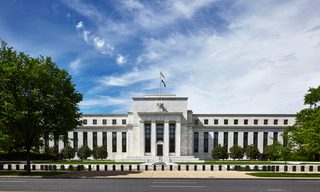
The Federal Reserve is the U.S. central bank whose rate changes can indirectly affect your bank’s savings and loan rates.

Regulation E protects consumers if an unauthorized or incorrect transaction is made to or from their bank account.

Nearly 4 in 5 have reallocated savings, according to NerdWallet's 2022 Banking Report.


The Citibank promotions offer decent sign-up bonuses, but you’ll have to make steep deposits to earn your cash award.

A deposit is the money you entrust to a financial institution for safekeeping.


Offshore bank accounts are accounts that exist outside of your home country.


The FDIC insures $250,000 per depositor, per institution and per ownership category. Learn how to protect your money if you have more than that.

A multicurrency account lets you spend and hold different currencies to make managing life or work abroad easier.

Get a recommendation by answering a few questions.