




Flat-rate cash back credit cards have come a long way in the past 15 years or so. It wasn't so long ago, relatively speaking, that 1% cash back on all purchases was considered a good rate. In the mid-2020s, more and more cards are now offering a rate twice that.
What's the standard now? If you have good credit, 1.5% is the absolute minimum you should settle for in a flat-rate card (that is, a card that pays the same rewards rate on all purchases). Multiple major issuers offer cards that pay at least that much, with many of them providing additional cash back in specific categories. Mass-market cards with a base rate of at least 1.5% include:
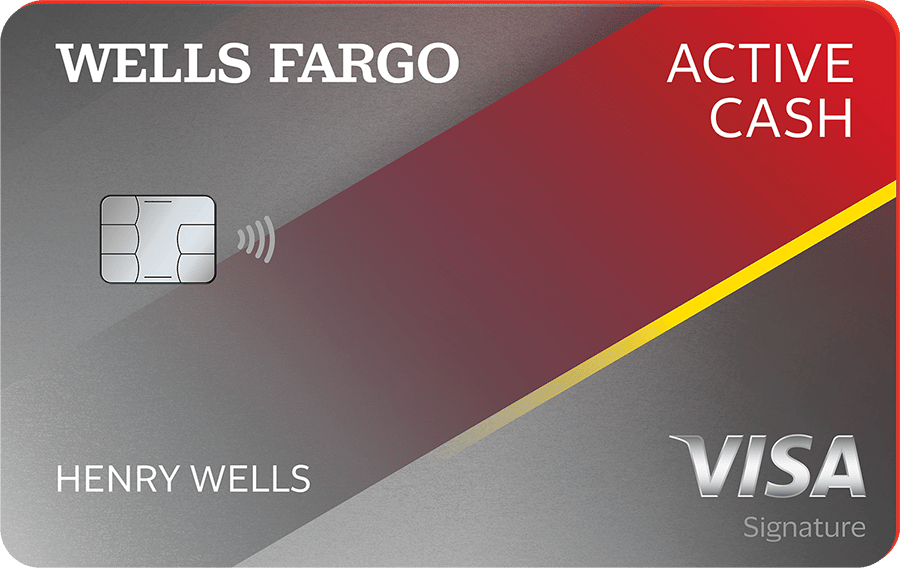
Wells Fargo Active Cash® Card. Base rate: 2%. Bonus categories: None.
Citi Double Cash® Card. Base rate: 2% (1% when you make a purchase + 1% when you pay it off). Bonus categories: 5% on hotels, rental cars and attractions booked through Citi.
U.S. Bank Smartly™ Visa Signature® Card. Base rate: 2% (up to 4% with qualifying U.S. Bank balances). Bonus categories: None.
Chase Freedom Unlimited®. Base rate: 1.5%. Bonus categories: 5% on travel booked through Chase; 3% on dining and drugstores.
Capital One Quicksilver Cash Rewards Credit Card. Base rate: 1.5%. Bonus categories: 5% on hotels, vacation rentals and rental cars booked through Capital One.
Bank of America® Unlimited Cash Rewards credit card. Base rate: 1.5%. Bonus categories: None.
If you avoid interest charges by paying your bill in full every month, these cards can net you hundreds of dollars per year in rewards. And they’re extremely low-hassle; you can use the same card for everything and earn the same strong rate.

New normal: 1.5% or 2%?
So, if a flat rate of 1% cash back is uncompetitive nowadays, and 1.5% cash back is the least you should settle for, what’s even better?
Answer: Cards that offer 2% cash back or more.
The catch is that many 2% cards come with some kind of, well, catch. For example:
The well-regarded Citi Double Cash® Card splits your cash back into two chunks of 1% each that are earned at different times, and when you cash in your rewards for a statement credit, you don't get the second 1% (making it effectively a 1.99% card, but we'll just round that to 2%). The Citi card also doesn't offer an intro 0% APR period on purchases, unlike many comparable cards.
The Fidelity® Rewards Visa Signature® Card gives you a 2% rewards rate only if you deposit your earnings into your Fidelity account.
The U.S. Bank Smartly™ Visa Signature® Card doesn't have a sign-up bonus, and its higher rewards rates are subject to spending caps and require you to maintain qualifying balances in other accounts.
The Robinhood Gold Card offers a whopping 3% cash back on all purchases — but you must be a paid "Gold" member of the Robinhood online brokerage (at least $50 a year), and the card has a wait list.
Restrictions like these were what made the Wells Fargo Active Cash® Card such a standout when it was introduced in 2021. It earned 2% cash back on every purchase, had an annual fee of $0 and included a bonus offer and an intro 0% period. (This card has since become a perennial NerdWallet Best-Of Award winner.)
But that’s not the norm. In most cases, you can expect a 2% card to lack one or more of the "goodies" you'd find on a 1.5% card. But the 33% higher rewards rate can make up for that over time.
Choosing a flat-rate cash-back credit card
As issuers either stick with the 1.5% rewards rate or experiment with 2% cards, here’s how to get the best deal:
Prioritize the dollars. Do the math on which is better for you, a 2% card or a 1.5% card with a sign-up bonus. Generally, a 2% card wins out over a longer period and benefits high spenders (assuming the 2% cash back is unlimited.) But the 1.5% card with a bonus is better in the short term and better for low spenders.
If it’s a tie, think short-term. If two cards have the same cash-back rewards rate, use extra features as a tiebreaker. Plan on revolving a balance for a few months? Find a card with a good introductory 0% APR period. Traveling overseas? Go with one that doesn’t charge foreign transaction fees. Otherwise, pick the card with the largest sign-up bonus. If you pay your balance in full each month, the interest rates won’t make a difference.
Once you get that flat-rate card, use it for all the purchases that don’t fall under your other credit cards’ bonus categories. You’ll never again settle for “1% on everything else.”
How did we get to 1.5%, anyway?
The push from 1% to 1.5% as the modern standard really started with the debut of the Capital One Quicksilver Cash Rewards Credit Card in 2013. The card's heavy marketing push leaned on its simplicity: 1.5% cash back on "every purchase, everywhere, every day," with no annual fee. (Capital One now also offers a version of this card for college students, a secured version for building credit and a version with an annual fee for people with fair or average credit.)
Every big credit card trend begins with one issuer. If the feature is a hit with cardholders, other issuers will introduce it too.
“Everyone jumps on the bandwagon,” says Tiffani Montez, a senior analyst for the banking consulting firm Aite-Novarica. “But then, as things progress again, everything starts to flatten, and there becomes this new normal for what’s acceptable for cash back. Then (issuers) go look for a new source of differentiation, such as credit monitoring and frictionless rewards redemption.”
Quicksilver led to a slew of flat-rate cards. Over the following years, other major issuers piled in with the Chase Freedom Unlimited®, the Wells Fargo Cash Wise Visa® card, the Barclaycard CashForward™ World Mastercard®, the U.S. Bank Cash 365™ American Express® Card, the American Express Cash Magnet® Card and the Bank of America® Unlimited Cash Rewards credit card. All of them matched Quicksilver at 1.5%. They differentiated themselves with their sign-up bonuses, intro APR periods and redemption options.
It was Citi that broke the logjam by going to 2% with the Citi Double Cash® Card.
It’s not too different from what happened 40 years ago when cards first began to advertise their cash back rates.
In 1986, Sears introduced the first Discover card. It paid out rewards of “up to 1% back,” a more generous offer than any other cards had at the time. But the program was complicated. It gave users:
0.25% cash back on the first $1,000 spent.
0.5% cash back on the next $1,000.
0.75% cash back on the next $1,000 after that.
1% on any spending over $3,000.
The card was successful, and other issuers jumped in with their own no-fee cash-back cards. They ramped up the rewards rates from “up to 1%” to “up to 2%.” And they added caps that limited how much cardholders could earn.
The 1.5% cards have taken their place — and they’re head and shoulders above what was considered “good” in the 1990s, without the complicated systems of graduated cash-back rates and annual rewards caps.
By coupling 1.5% cards with modern tiered cards — which offer cash-back rates of 3%, 5% or more on certain categories and 1% on everything else — you can boost your combined cash-back rate above 1.5%. But without decades of fierce issuer competition, these cards might not have existed.
“It always takes one person to push it a little bit higher, and eventually, the rest will do the same,” Montez says.
How close is a 2% standard?
When you see numerous credit card issuers making identical offers — 1.5% cash back with a sign-up bonus and no annual fee, for example — you know something is about to change. And we’ve seen the start. More issuers are pushing 2% cash back.
Still, these 2% cash-back cards aren’t ubiquitous enough to be considered the new standard.
At least, not yet.