




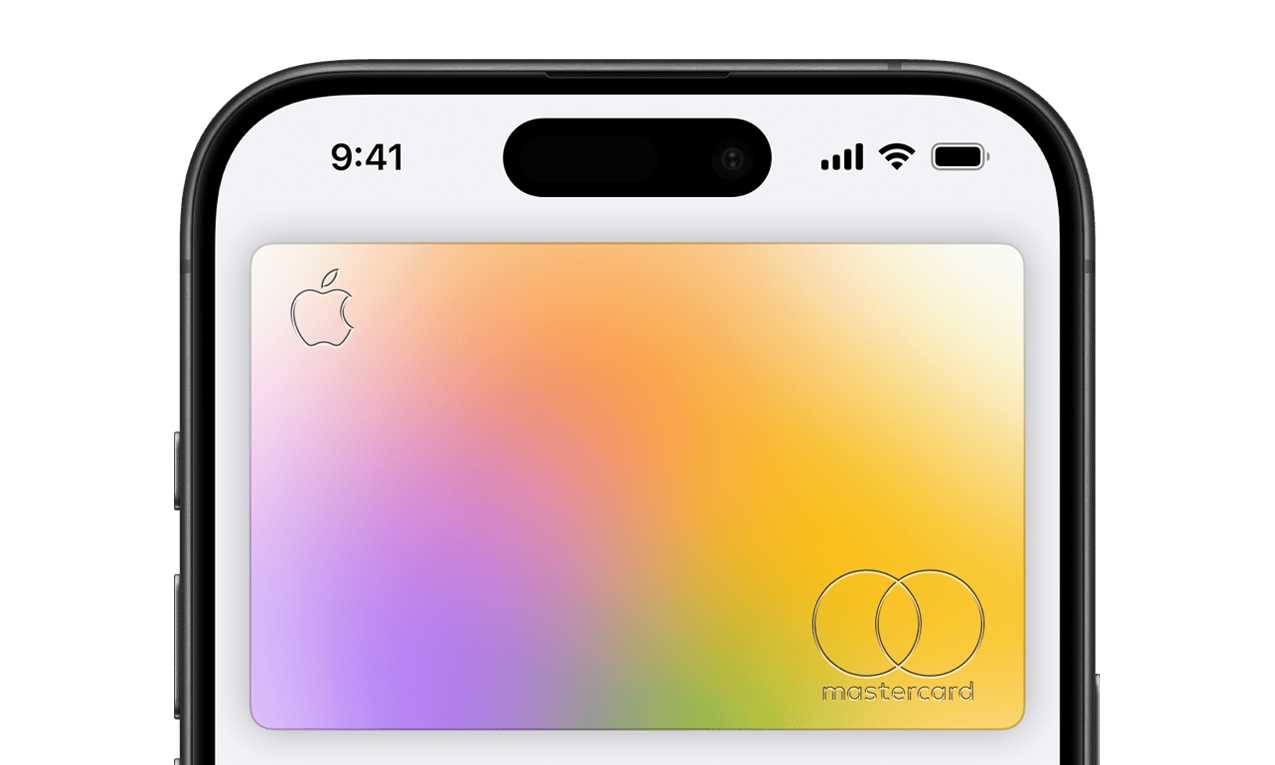
When the Samsung Galaxy credit card debuted in July 2026, Samsung cell phone users gained a new way to pay specifically tailored to their phone brand. Those with iPhones have long had their own credit card option, the Apple Card, since 2019.
Now that the market has two co-branded cards from major electronics companies that also happen to be major cell phone competitors, it seems appropriate to examine them side by side.
That said, it’s unlikely that anyone would be deciding between the two cards. An iPhone user wouldn’t have much use for the Samsung Galaxy credit card, and vice versa. Still, it’s useful to compare the two to get a sense of what this type of credit card is offering to consumers.
Here’s how the Apple Card and the Samsung Galaxy credit card compare.
Apple Card | Samsung Galaxy credit card | |
|---|---|---|
Annual fee | No Fees*. | $0. |
Welcome bonus | None. | Earn $200 bonus cash rewards after spending $2,000 on purchases within the first 90 days of account opening. |
Rewards |
|
|
Redemption options |
|
|
Instant access to credit line | Yes. | Yes. |
Card material | Titanium. | Steel. |
Rewards
Naturally, the Apple Card and Samsung Galaxy card encourage their holders to pay with the digital wallet that’s embedded into their phones. That’s why the cards feature a 3% cash-back rate on Apple Pay and Samsung Wallet purchases, respectively.
However, the Samsung Galaxy card’s rate is superior because it applies to any purchase made with the Samsung Wallet. Holders of the Apple Card earn 3% back with Apple Pay at only a handful of select merchants.
The Samsung card also offers a better rewards rate on its own products at 5% back, compared to just 3% on the Apple Card. It also earns 2% back on streaming services, a category that’s absent from the Apple Card.
Redemption options
With the Apple Card, your cash back (called Daily Cash) may be deposited into an Apple Cash account or deposited into an Apple Savings account, where it earns interest. Once redeemed into an Apple Cash account, the money can be spent or transferred to other Apple Pay users. There is no minimum redemption requirement.
Rewards earned with the Samsung Galaxy card may be redeemed for a statement credit, gift card, direct deposit into a U.S. bank account, or merchandise. You can also redeem rewards at checkout to reduce the purchase amount. But unlike the Apple Card, there is a minimum required redemption for most of those options.
Neither credit card makes you wait until the end of the billing cycle to redeem rewards. Instead, rewards post as soon as a transaction clears, and rewards may be redeemed after that.
Welcome offer
Welcome bonuses are pretty standard in rewards credit cards, so the absence of a regular, dependable offer is a glaring weakness of the Apple Card. In contrast, the Samsung Galaxy card offers the following welcome bonus for new cardholders, as of September 2026: Earn $200 bonus cash rewards after spending $2,000 on purchases within the first 90 days of account opening.
A hearty bonus like the one from the Samsung Galaxy card can result in meaningful savings on a big purchase like, say, a new cell phone.
Fees
One of the Apple Card’s main marketing messages is the promise of no fees. Indeed, it doesn’t have an annual fee, foreign transaction fee or even late fees. (Remember, though, that late credit card payments can lower your credit score.)
Similarly, the Samsung Galaxy card doesn’t have annual or foreign transaction fees, but it does charge up to $41 for late payments, which is in line with the industry standard.
Credit line access
Both the Apple Card and Samsung Galaxy card can be used immediately upon approval. The mechanism is the same for both: After you’re approved, a digital version of the card is automatically added to your Samsung or Apple Wallet.
Financing options
In a nod to how expensive Apple products can be, the Apple Card allows cardholders to pay for certain products over time through its Apple Card Monthly Installments program. Terms vary depending on what you buy, but all options don’t accrue interest for the life of the plan.
As of September 2026, the Samsung Galaxy card doesn’t have a similar feature. If you want to finance a purchase, you could instead use a buy now, pay later (BNPL) service, or get a card with a 0% intro APR period.
Pre-qualification
Prospective cardholders can pre-qualify for both the Apple Card and Samsung Galaxy card. The Apple Card even lets you see the terms of your offer, including the APR and credit limit, before you officially submit the application.
Barclays, the issuer of the Samsung Galaxy card, doesn’t reveal that information during the pre-qualification process.
Authorized users
Both credit cards allow the primary account holder to add authorized users. Through the Apple Card Family program, an Apple Card owner may add up to four authorized users, or “participants,” ages 13 and up and set spending limits for each user.
A Barclays spokesperson says Samsung Galaxy cardholders are able to add up to 99 authorized users, a nice perk for the rare person who knows and trusts 99 people with her personal credit card.
Card material
Both cards are made of metal — titanium in the case of the Apple Card and recycled steel for the Samsung card.