





Mission Lane is a financial technology company (aka "fintech") that offers multiple credit cards for varying credit profiles. Regardless of where you are in your credit journey, there might be an option for you, especially since the company can opt to consider factors beyond just traditional credit scores.
The card options are:
The Secured Visa, for establishing credit.
The Green Line Visa, for “fair-to-good” credit.
The Mission Lane Silver Line Visa® Credit Card and Mission Lane Gold Line Visa® Credit Card, for “fair-to-good” credit.
READ REVIEW: Mission Lane Silver Line Visa® Credit Card.
READ REVIEW: Mission Lane Gold Line Visa® Credit Card.
These cards have varying terms, offerings and issuers. Some cards are issued by Transportation Alliance Bank (TAB), and one is issued by WebBank. At the highest tier, the Mission Lane Gold Line Visa® Credit Card offers rewards, and at the lowest tier, a security deposit is required.
Here’s what to know about these cards.
1. Your eligibility may not hinge on credit scores alone
Mission Lane and its issuers consider a variety of factors beyond credit scores, so these products could be worth considering if you've been denied for other credit cards because of your credit history. Applications are evaluated using proprietary underwriting models that take into account factors like your credit profile, bank account history and income.
All of Mission Lane's credit cards report to the three major credit bureaus, too, which is a key feature for any credit-building card.
2. An annual fee may apply
The Mission Lane Gold Line Visa® Credit Card, Mission Lane Silver Line Visa® Credit Card and Secured cards don't charge an annual fee, but the Green Line might. Its annual fee ranges between $0 to $59, depending on your credit profile. That's relatively low compared with some other unsecured credit cards for those with less-than-ideal credit.
Still, you can find credit cards that don't tack on any kind of annual charge, which is preferable when credit-building is your goal. That's because it's easier (and cheaper) to keep open long term, which helps maintain the length of your credit history, a key factor that impacts your credit scores.
3. The cards are designed for different credit profiles
Mission Lane caters to a spectrum of credit journeys, so the offerings and terms you'll receive on each card vary widely:
Mission Lane Gold Line Visa® Credit Card
The Mission Lane Gold Line Visa® Credit Card is an unsecured card for “good” credit (typically, credit scores from at least the mid-600s), but the issuer may accept some applicants with "fair" credit. Out of all of Mission Lane's credit cards, it earns the highest rewards rate, offering a solid 3% cash back on gas, travel and dining. All other purchases earn 1% back.
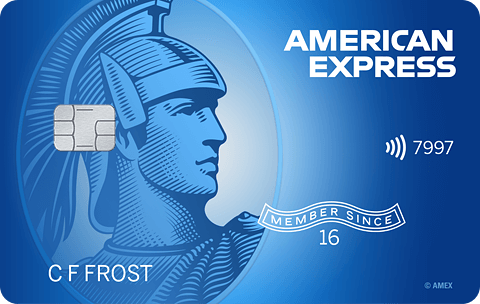
If you don’t spend in these categories, you’ll get more value with a different credit card — and with good credit, your options are plenty. For instance, if you mostly cook at home, a card like the $0-annual-fee Blue Cash Everyday® Card from American Express can offer 3% cash back at U.S. supermarkets, 3% cash back on U.S. online retail purchases, and 3% cash back at U.S. gas stations, on up to $6,000 per year in each category. All other purchases earn 1% cash back. (Terms apply; see rates and fees.)
Or suppose you don’t spend as much on gas, but dining and groceries are top spending categories. You could consider a card like the Capital One Savor Cash Rewards Credit Card, which earns 3% cash back on dining, at grocery stores (not including Walmart and Target), and on entertainment and popular streaming services. It also offers 8% back on Capital One Entertainment purchases; 5% back on hotels, vacation rentals and rental cars booked through Capital One Travel; and 1% back on all other purchases.
Also unlike the Mission Lane Gold Line Visa® Credit Card, these cards offer welcome bonuses and introductory APR offers for new cardholders.
Mission Lane Silver Line Visa® Credit Card
The Mission Lane Silver Line Visa® Credit Cardaccepts the same type of credit as the Mission Lane Gold Line Visa® Credit Card. It also doesn't require a security deposit, and it's the only other option from Mission Lane that offers rewards — specifically, 1.5% cash back on your purchases. If you qualify for both, the key differentiator will be your preference for the rewards offered.
That's not bad, but if you already have good credit then you're likely to qualify for rewards credit cards that offer a better rate.
For example, the Wells Fargo Active Cash® Card earns 2% cash back on all eligible purchases. And unlike the Mission Lane cards, it offers a welcome bonus: Earn a $100 cash rewards bonus after spending $500 in purchases in the first 3 months.
Mission Lane Green Line Visa
The Green Line, for fair to good credit, also doesn't require a security deposit, but as noted above, it could come with an annual fee. And it doesn't earn rewards.
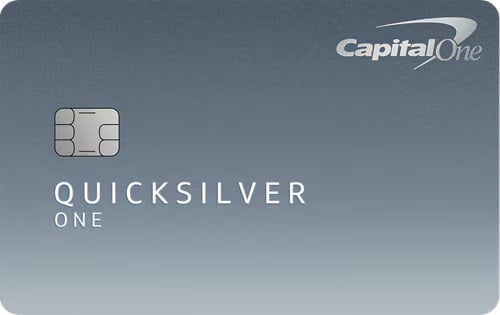
Fair credit — which generally equates to credit scores from at least the mid-600s — is more of an underserved market. But even still, potentially cheaper or more rewarding cards exist. The Capital One QuicksilverOne Cash Rewards Credit Card, for instance, has a $39 annual fee, and it earns 1.5% cash back on all purchases. The card also offers 5% back on hotels, vacation rentals and rental cars booked through Capital One Travel. Terms apply.
Mission Lane Secured Visa
The Secured card does not offer as many perks or incentives as Mission Lane's other cards, but its $200 minimum deposit requirement is more affordable than you'll find with other secured credit cards. There's also no annual fee.
Importantly, Mission Lane also offers the possibility of an upgrade to one of its unsecured cards once you've established a positive credit history with the secured product, a company representative confirmed. (At that point, your deposit would also be returned.)
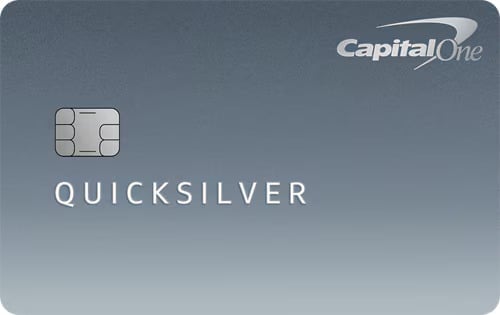
Those are ideal features for a secured credit card, although you can find some that also offer rewards. The Capital One Quicksilver Secured Cash Rewards Credit Card, for instance, earns 1.5% cash on every purchase and offers the potential for a future upgrade to a different Capital One card. It, too, requires a minimum of $200 as a security deposit.
4. Credit limits also vary by card
The credit limit you'll get with Mission Lane will depend on the card you’re eligible for. Credit limits are usually based on different factors like income and debts.
The cards offer the following credit limits:
Mission Lane Gold Line Visa® Credit Card: Up to $3,000.
Mission Lane Silver Line Visa® Credit Card: Between $300 and $3,000.
Mission Lane Green Line Visa: Between $300 and $2,000.
Mission Lane Secured Visa: Between $200 and $1,000.
Accounts are periodically reviewed for the opportunity to increase your credit limit, according to the company’s website.
5. Pre-qualifying doesn't impact your credit score
Mission Lane has a pre-qualification process that allows you to understand your odds of approval without initially impacting your credit scores. You can initiate the process for a specific card or for all Mission Lane cards in general to understand your options.
If you're eligible for a card, you’ll be approved and extended an offer with specific terms. For instance, if there's an annual fee, you'll be made aware of it before accepting the offer. It’s not until you officially accept the offer that your credit scores may be temporarily affected, as is common with the application process for most credit cards.