




A 650 credit score is considered "fair" by FICO and "near prime" by VantageScore, the two major credit scoring companies. Some 15.1% of consumers have a FICO 8 credit score in the “fair” range (580-669), according to Experian data from June 2026 .
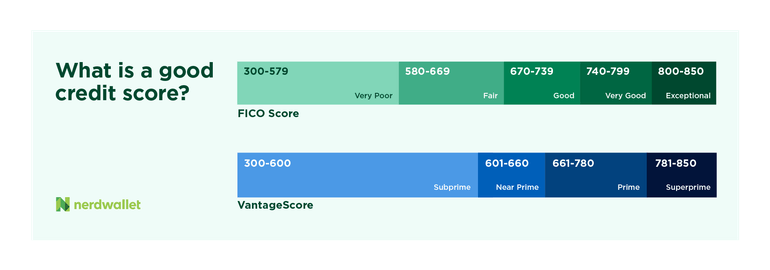
Your score helps lenders decide whether you qualify for products like credit cards and loans, and what interest rate you should pay.
Here’s how a 650 credit score can affect your financial life.
Meet MoneyNerd, your shortcut
to smart money moves
NerdWallet's editors surface the financial moves worth thinking about this week, so you can act on them, or get on with your life. Delivered free, twice a week.
With a 650 score, you may pay higher rates than others
A 650 credit score sits firmly in the “fair” territory of credit. If you have this score, you can usually qualify for financial products like a mortgage or car loan, but you will likely pay higher interest rates than someone with a better credit score — think high 600s and above.
Car loans
The average interest rate on a new car loan is 9.71%, and the average rate for a used car was 13.93% for buyers in the 601-660 range, according to data from Experian’s latest automotive report.
By contrast, the average APR for car buyers with a score between 661-780 is 6.15% for a new car and 8.81% for a used car.
Let’s do the math: Let’s say two buyers want to buy a used car. They put $0 down and have a 60 month loan term. The buyer with the lower credit score will pay $7,878 in interest compared with the buyer with a higher score, who will only pay $4,799.
This is just one example of how your credit score can cost you.
Credit cards
With a 650 score, you still have many credit card options open to you, including a store card, a no-fee card without rewards, or a cash-back card that charges a somewhat modest annual fee (compared to the fancy travel cards for excellent credit, that is).
» Looking for a card with a 650 score? Compare credit cards for fair credit
Home loans
Most mortgage lenders look for a credit score of 620 and higher when approving buyers. But, with a higher score (think 740 or above) you might have more options and get lower interest rates.
» Is your credit mortgage-ready? Explore credit score requirements for buying a home
Fortunately, there are quick ways to pump up your score to get better rates. Here are a few ways to build your credit to where you want it to be.
Ways to build your credit score beyond 650
Credit scores are constantly fluctuating based on your financial activity, which means you don’t need to feel “stuck” with your current score.
Here are a few steps you can take to build your credit, no matter your age or stage in life.
Pay on time, every time: Payment history is one of the biggest factors affecting your credit score. Set up payment reminders or autopay for at least the minimum due to help avoid missed payments.
Use less of your credit limit: The share of available credit you use — called credit utilization — is another major scoring factor. Aim to keep balances low on each card and across all your cards. Lower utilization (30% or less) is better for your score.
Consider a card to build credit: A secured credit card, which requires a cash deposit, may be an option. Check eligibility requirements before applying. Try using the card for one small recurring purchase and paying the balance in full each month.
Explore a credit-builder loan: Ask your local credit union whether it offers credit-builder loans. These loans can help establish a payment history while setting aside savings. Just make sure the payment fits your budget.
Ask about being an authorized user: A trusted family member or friend may be willing to add you as an authorized user on their credit card. Look for an account with a long history of on-time payments and a low balance, and confirm that the issuer reports authorized-user activity to all three credit bureaus.
» Ready to build on your progress? Explore ways to strengthen your credit score fast
Article sources
- 1.Experian. How Many Americans Have an 800 Credit Score or Greater? . Accessed Nov 9, 2026.