The highest credit score you can have on most widely used scoring systems is an 850.
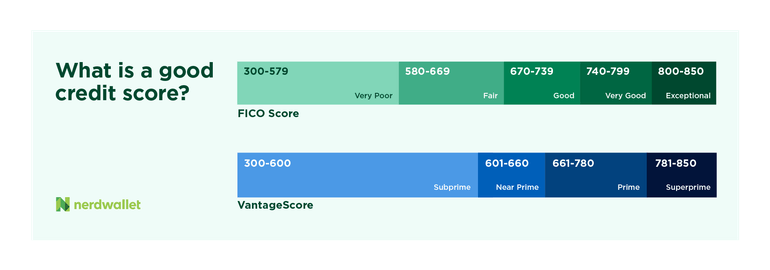
The FICO 8 scoring model and the VantageScore 3.0 both use a 300-850 scale. Credit scoring company FICO says about 1.7% of its scores reach 850. VantageScore spokesman Jeff Richardson says fewer than 1% of its credit scores are perfect.
Even if you succeed in getting the highest credit score possible, you're unlikely to keep it month after month. When senior credit Nerd Amanda Barroso got a perfect score, she says she just took a picture of it and went on with her day.
Scores fluctuate because they are a snapshot of your credit profile, which changes over time.
The way people get higher scores is by practicing good credit habits consistently. As you might expect, older consumers are more likely to have high scores than younger ones.
» Smart Money podcast: Is a perfect 850 credit score worth chasing?
Meet MoneyNerd, your shortcut
to smart money moves
NerdWallet's editors surface the financial moves worth thinking about this week, so you can act on them, or get on with your life. Delivered free, twice a week.
Here's what people with an 850 credit score typically have
According to Experian data, people who have 850 FICO scores generally pay on time, use credit lightly and have a long credit history. Here are common characteristics:
5.6 credit cards
Less than $3,500 on credit cards
Credit utilization of 4%
No late payments on credit reports (meaning any late payments were more than seven years ago)
But you don't have to be perfect
You don't need an 850 credit score to get good terms from lenders. For example, NerdWallet analyzed its registered user data and found that in 2025, applicants with scores between 760 and 769 had the highest approval rates for 0% APR credit cards.
A credit score between 781 and 850 will generally get you the best interest rate on a car loan, according to Experian.
If you're a high achiever, though, here's what it takes
If you really, really want to fight for every possible point, we have strategies that can help:
Pay every bill on time, every time. Payment history is the biggest factor in your score, so a misstep there can really set you back.
Have multiple credit accounts — both installment loans as well as credit cards.
Keep your credit balances well under 10% of your credit limits. Credit utilization — the amount of your credit limits in use — is another highly influential factor in your score. The lower you can get it, the better.
Ask to be an authorized user on an old, established credit card with a spotless payment record and low credit utilization if your credit history is on the short side.
Check your credit reports to spot errors that could hold down your scores.
» Learn more about credit score ranges and how they work
Meet MoneyNerd, your shortcut
to smart money moves
NerdWallet's editors surface the financial moves worth thinking about this week, so you can act on them, or get on with your life. Delivered free, twice a week.Article sources
- 1.Experian. How Many Americans Have a Perfect 850 Credit Score?. Accessed Oct 28, 2026.