

Every time.
We believe everyone should be able to make financial decisions with confidence. While we don't cover every company or financial product on the market, we work hard to share a wide range of offers and objective editorial perspectives.
So how do we make money? Our partners compensate us for advertisements that appear on our site or when you click to or take an action on their website. This compensation helps us provide tools and services - like free credit score access and monitoring. With the exception of mortgage, home equity and other home-lending products or services, partner compensation is one of several factors that may affect which products we highlight and where they appear on our site. Other factors include your credit profile, product availability and proprietary website methodologies.
However, these factors do not influence our editors' opinions or ratings, which are based on independent research and analysis. Our partners cannot pay us to guarantee favorable reviews. Here is a list of our partners.
11 Best Balance Transfer Credit Cards of October 2026


The best balance transfer credit cards charge no annual fee and offer at least 15 months of 0% APR for balance transfers. Using a balance transfer card wisely can save you hundreds of dollars in interest, even thousands, and help you get out of debt faster.
Read MoreShow Less
What matters most in a balance transfer credit card
A balance transfer card must save you money. That’s the whole point: You take a balance that’s sitting on a high-interest credit card, and you transfer that debt to one with a 0% introductory interest rate. That makes it easier and faster to pay off, since your entire payment can go toward the debt rather than interest. The catch is that balance transfers almost always incur a fee. So to make a transfer worthwhile, the money you save on interest must be greater than the fee. (Use our calculator lower down on the page to test the trade-offs.)
In choosing a card, start by considering how long it will take you to pay off your debt. The natural inclination is to go for the longest 0% period you can find. But if you only need a year to knock out your debt, you have many more options. A card with a 15-month interest-free period and a 3% transfer fee, for example, would save you more than one with a 21-month period and a 5% fee.
To be approved for a balance transfer card generally requires good to excellent credit, and there’s a limit to how much issuers will allow you to transfer. They’re not a realistic option for those with damaged credit.
How NerdWallet picked these balance transfer cards
Dozens of credit cards from major issuers offer 0% interest periods for balance transfers of 12 months or more. For this page, we chose the best options with introductory periods of at least 18 months, as well as top-rated cash-back cards that have a period of at least 15 months. (Rewards give a card long-term value but shouldn’t be the primary consideration in a balance transfer card; the goal is to eliminate debt, not add to it.) We don't just assume that a longer 0% period is better. Different people look for different things in balance transfer cards, so this page offers a variety of options for a variety of situations. Learn more about our picks or see more about our methodology.
See NerdWallet's best balance transfer credit cards
BEST BALANCE TRANSFER CREDIT CARDS OF OCTOBER 2026
Citi® Diamond Preferred® Card: Our pick for extra-long transfer offer + low intro fee
BankAmericard® credit card: Our pick for longest intro period for transfers & purchases
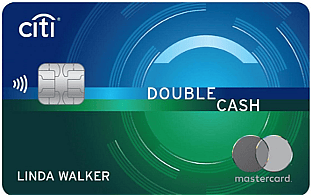
Citi Double Cash® Card: Our pick for long intro period + 2% cash back on everything
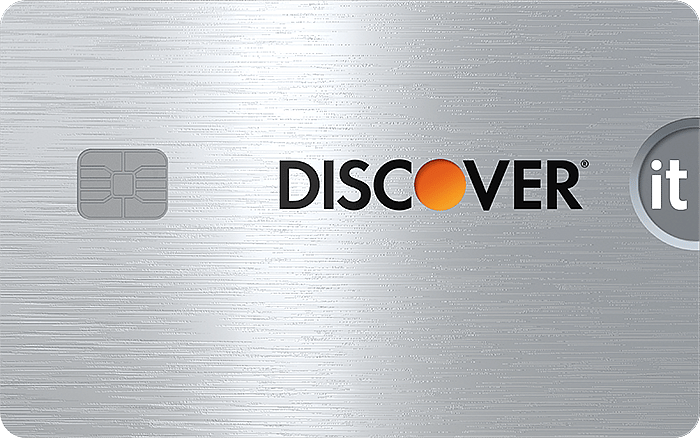
Discover it® Cash Back - 18 Month Intro Balance Transfer Offer: Our pick for long intro period + quarterly categories
U.S. Bank Shield™ Visa® Card: Our pick for longest intro period for transfers + side perks
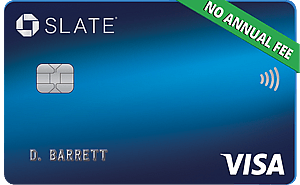
Chase Slate®: Our pick for longest intro period for transfers & purchases
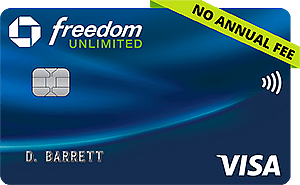
Chase Freedom Unlimited®: Our pick for all-around cash back
Wells Fargo Reflect® Card: Our pick for longest intro period for transfers & purchases
Discover it® Chrome: Our pick for long intro period + gas and dining rewards
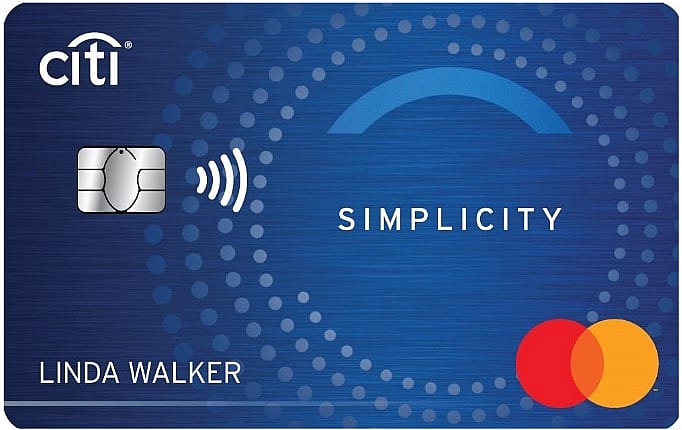
Citi Simplicity® Card: Our pick for long intro period + no late fees
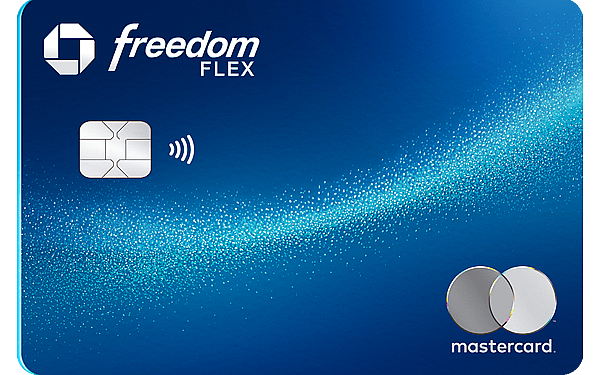
Chase Freedom Flex®: Our pick for quarterly cash back categories
Expert tip: Choosing a balance transfer credit card
Paul Soucy, content director: “I see a lot of people fall into the same traps with balance transfer cards. First is assuming that an issuer will accept an unlimited amount of debt. If you have excellent credit and a $5,000 balance to transfer, you should have good options; if you have $60,000 in debt on multiple maxed-out cards, you probably won’t. Second is using repeated transfers to just park debt without doing anything to pay it off. As a temporary measure in an emergency, it’s understandable, but it can’t be a way of life. Last, people focus too much on the length of the 0% period and ignore the transfer fee. The less time you’ll need to pay off the debt, the more important the fee becomes.”
Our pick for: Extra-long transfer offer + low intro fee
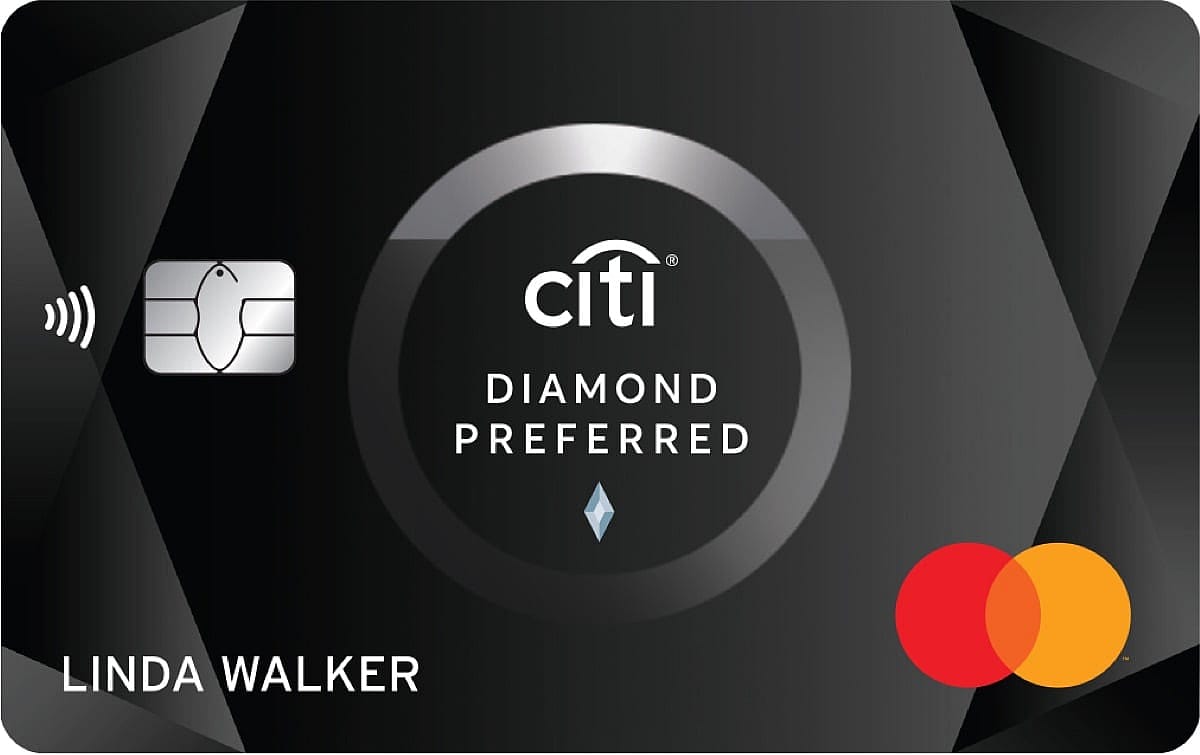 Apply Nowon Citibank's applicationon Citibank's applicationBalance transfer intro APR0% intro APR on balance transfers for 21 monthsPurchase intro APR0% intro APR on purchases for 12 monthsRegular APR16.74%-27.49% Variable APRAnnual fee$0Rewards rateN/AIntro offerN/ARecommended credit score
Card details
- 0% Intro APR on balance transfers for 21 months and on purchases for 12 months from date of account opening. After that the variable APR will be 16.74% - 27.49%, based on your creditworthiness. Balance transfers must be completed within 4 months of account opening.
- There is an intro balance transfer fee of 3% of each transfer (minimum $5) completed within the first 4 months of account opening. After that, your fee will be 5% of each transfer (minimum $5).
- No Annual Fee - our low intro rates and all the benefits don't come with a yearly charge.
- Buy now and pay later. Split your payment for eligible purchases of $75 or more into a fixed payment with Citi® Flex Pay.
- Get free access to your FICO® Score online.
- View Rates & Fees
NerdWallet's take
The Citi® Diamond Preferred® Card is all about the long 0% intro APR period for balance transfers. It's as much breathing room as you'll find on any card from a major issuer. Plus, there's a low introductory balance transfer fee. The 0% period on purchases is shorter than the one on transfers, however, so it's a less attractive option for financing a major expense than for paying down existing debt. Still, if you're working to whittle down your balances, the best move is not to add new debt anyway.
Read full reviewProsThe long intro period for transfers is this card's defining feature, giving you more than a year and a half to whittle down debt.
There's a relatively low introductory balance transfer fee of 3% for transfers in the first four months. After that, it's 5%. (In both cases, the minimum fee is $5.)
$0 annual fee.
ConsThe intro APR period for purchases is shorter than for transfers.
No rewards.
Our pick for: Longest intro period for transfers & purchases
Balance transfer intro APR0% intro APR for 21 billing cycles on any balance transfers made in the first 60 daysPurchase intro APR0% intro APR for 21 billing cycles on purchasesRegular APR15.24%-26.24% Variable APRAnnual fee$0Rewards rateN/AIntro offerN/ARecommended credit scoreCard details
- 0% Intro APR for 21 billing cycles for purchases, and for any balance transfers made in the first 60 days. After the Intro APR offer ends, a Variable APR that’s currently 15.24% - 26.24% will apply. A 5% fee applies to all balance transfers. Balance transfers may not be used to pay any account provided by Bank of America.
- No annual fee.
- No penalty APR. Paying late won't automatically raise your interest rate (APR). Other account pricing and terms apply.
- This offer may not be available elsewhere if you leave this page. You can take advantage of this offer when you apply now.
NerdWallet's take
There's nothing fancy about the BankAmericard® credit card, but there doesn't need to be. The card offers a terrific introductory APR period for balance transfers and purchases, giving you close to two years without interest. The downsides are the same ones you'll see on most other cards in its class: There's a balance transfer fee, and there are no rewards or perks. The APR promotion is its reason for being.
Read full reviewProsYou get one of the longest introductory APR periods around to help you wipe out debt.
$0 annual fee.
ConsThe balance transfer fee is on the high end: 5% of the amount of each transaction.
The card doesn't have ongoing rewards or significant perks.
Our pick for: Longest intro period for transfers + side perks
Balance transfer intro APR0% intro APR on balance transfers for 21 billing cyclesPurchase intro APR0% intro APR on purchases for 21 billing cyclesRegular APR17.24%-28.24% Variable APRAnnual fee$0Rewards rate4%CashbackIntro offerN/ARecommended credit scoreRewards breakdown
4%Cash back on prepaid air, hotel and car reservations booked directly in the Travel Center.Card details
- 0% intro APR on purchases and balance transfers for 21 billing cycles. After that, a variable APR currently 17.24% - 28.24%.
- 4% cash back on prepaid air, hotel and car reservations booked directly in the Travel Center when you use your card.
- Get a $20 annual statement credit for 11 consecutive months of purchases.
- No annual fee.
- Cell Phone Protection: Your eligible cell phone can be reimbursed up to $600 in the event it is stolen or damaged when you pay your monthly cell phone bill with your card.
- Terms and conditions apply.
- View Rates & Fees
NerdWallet's take
The U.S. Bank Shield™ Visa® Card initially launched with a best-in-class 24-month intro APR period that grabbed a lot of attention. That has since been scaled back, but not by too much, and it's still among the longest you'll find. As with most other balance transfer cards with a promotional period this long, the card doesn't have tremendous long-term value, but it does come with a few goodies that make it worth keeping active.
Read full reviewProsThis card offers an extra-long break from interest, as well as some reasons to keep it around long term.
The card earns 4% cash back on prepaid air, hotel and car reservations booked directly in U.S. Bank’s Rewards Center.
You can also earn a modest statement credit each year with qualifying purchases, and you'll get cell phone insurance when you use the card to pay your cell bill.
$0 annual fee.
ConsThe balance transfer fee of 5% (minimum $5) is on the high end for cards in its class.
If you're willing to accept a slightly shorter intro APR window, you can find cards with superior rewards.
Our pick for: Longest intro period for transfers & purchases
Balance transfer intro APR0% intro APR for 21 months from account opening on qualifying balance transfersPurchase intro APR0% intro APR for 21 months from account opening on purchasesRegular APR17.74%, 24.24%, or 28.49% Variable APRAnnual fee$0Rewards rateN/AIntro offerN/ARecommended credit scoreCard details
- Apply Now to take advantage of this offer and learn more about product features, terms and conditions.
- 0% intro APR for 21 months from account opening on purchases and qualifying balance transfers. 17.74%, 24.24%, or 28.49% variable APR thereafter; balance transfers made within 120 days qualify for the intro rate, BT fee of 5%, min: $5.
- $0 annual fee.
- Up to $600 of cell phone protection against damage or theft. Subject to a $25 deductible.
- Through My Wells Fargo Deals, you can get access to personalized deals from a variety of merchants. It's an easy way to earn cash back as an account credit when you shop, dine, or enjoy an experience simply by using an eligible Wells Fargo credit card.
- View Rates & Fees
NerdWallet's take
If you're looking for breathing room to pay down debt, the Wells Fargo Reflect® Card boasts an intro APR period that's close to two years. This card's 21-month break from interest isn't the runaway industry leader it once was, as other cards have matched it, but that doesn't make this card any less useful as a get-out-of-debt tool. It doesn't give you any rewards, but if you look at other cards with a similar APR offer, you'll see that they usually don't either.
Read full reviewProsThe intro APR period for both balance transfers and purchases is among the longest available on a card from a major issuer.
$0 annual fee.
The card also offers cell phone insurance.
ConsThe balance transfer fee of 5% (minimum $5) is on the high end for cards in its class.
The card doesn't earn ongoing rewards on everyday spending, so its value is limited after the intro period ends.
Our pick for: Long intro period + quarterly categories
 Apply Nowon Capital One's websiteon Capital One's websiteBalance transfer intro APR0% intro APR on balance transfers for 18 monthsPurchase intro APR0% intro APR on purchases for 6 monthsRegular APR17.74%-26.74% Variable APRAnnual fee$0Rewards rate1%-5%CashbackIntro offerCashback Match™Recommended credit score
Rewards breakdown
5%Cash back on everyday purchases at different places you shop each quarter like grocery stores, restaurants, gas stations, and more, up to the quarterly maximum when you activate.1%Cash back on all other purchases.Card details
- Get a 0% intro APR for 18 months on balance transfers and 0% intro APR on purchases for 6 months; balance transfer fee applies. Then 17.74% to 26.74% Standard Variable APR applies, based on credit worthiness.
- INTRO OFFER: Unlimited Cashback Match for all new cardmembers. Discover will automatically match all the cash back you’ve earned at the end of your first year! There’s no minimum spending or maximum rewards. You could turn $150 cash back into $300.
- Earn 5% cash back on everyday purchases at different places you shop each quarter like grocery stores, restaurants, gas stations, and more, up to the quarterly maximum when you activate. Plus, earn unlimited 1% cash back on all other purchases.
- Redeem cash back for any amount. No annual fee.
- Terms and conditions apply.
- View Rates & Fees
NerdWallet's take
Most balance-transfer cards don't give you much of a reason to hold onto them after the intro APR period ends. The Discover it® Cash Back - 18 Month Intro Balance Transfer Offer is a noteworthy exception. Get it for the balance-transfer benefits, keep it for rewards that are the same as on Discover's flagship cash back card. If you plan to use it for purchases, though, keep in mind that the intro APR period for purchases isn't as long.
Read full reviewProsThe introductory APR period for balance transfers is outstanding for a card that also has a robust rewards program.
$0 annual fee.
Rewards: 5% cash back in rotating categories that you activate, on up to $1,500 in category spending each quarter, and 1% on other purchases.
Discover matches the cash back you earn in your first year — although ideally in that first year you'll be focused more on paying down balances than adding to them.
ConsThe intro period on purchases is considerably shorter than that for balance transfers, so it's best to avoid putting purchases on the card until you've paid off transferred debt.
When it comes to rewards, the activation requirement for bonus categories can be a hassle.
Our pick for: All-around cash back
Balance transfer intro APR0% intro APR on balance transfers for 15 monthsPurchase intro APR0% intro APR on purchases for 15 monthsRegular APR18.24%-27.74% Variable APRAnnual fee$0Rewards rate1.5%-5%CashbackIntro offer$200Recommended credit scoreRewards breakdown
5%Cash back on travel purchased through Chase Travel℠.3%Cash back on drugstore purchases.3%Cash back on dining at restaurants, including takeout and eligible delivery services.1.5%Cash back on all other purchases.Card details
- Earn a $200 Bonus after you spend $500 on purchases in your first 3 months from account opening
- Enjoy 5% cash back on travel purchased through Chase Travel℠, our premier rewards program that lets you redeem rewards for cash back, travel, gift cards and more; 3% cash back on drugstore purchases and dining at restaurants, including takeout and eligible delivery service, and 1.5% on all other purchases.
- No minimum to redeem for cash back. You can use points to redeem for cash through an account statement credit or an electronic deposit into an eligible Chase account located in the United States!
- Enjoy 0% Intro APR for 15 months from account opening on purchases and balance transfers, then a variable APR of 18.24% - 27.74%.
- No annual fee – You won't have to pay an annual fee for all the great features that come with your Freedom Unlimited® card
- Keep tabs on your credit health, Chase Credit Journey helps you monitor your credit with free access to your latest score, alerts, and more.
- Member FDIC
- View Rates & Fees
NerdWallet's take
The Chase Freedom Unlimited® earns 5 stars for its generous cash-back rewards. Look a little closer, though, and you'll see that it also offers a solid 0% intro APR period for balance transfers. No, it doesn't give you as long of a break from interest as some of the other cards on this page. But if you don't need 18-21 months to pay off debt and you'd like a card that can keep delivering value long after the APR promotion ends, this is a strong contender.
Read full reviewProsThe intro APR period isn't as long as you'd get on a dedicated 0% card, but the rewards and other benefits make this a solid option with significant long-term value.
Relatively low intro balance transfer fee: 3% or $5, whichever is greater, in the first 60 days; 5% or $5, whichever is greater, after that.
You earn 1.5% cash back on most purchases, plus 5% on travel booked through Chase and 3% at drugstores and restaurants. There's an attractive bonus offer for new cardholders, too.
$0 annual fee.
ConsYou can get a longer 0% period on transfers with other cards, including a couple that also earn cash back.
Our pick for: Quarterly cash back categories
Balance transfer intro APR0% intro APR on balance transfers for 15 monthsPurchase intro APR0% intro APR on purchases for 15 monthsRegular APR18.24%-27.74% Variable APRAnnual fee$0Rewards rate1%-5%CashbackIntro offer$250Recommended credit scoreRewards breakdown
5%Cash back on up to $1,500 in combined purchases in bonus categories each quarter you activate.5%Cash back on travel purchased through Chase Travel℠.1%Cash back on all other purchases.Card details
- Limited Time Offer! Earn a $250 Bonus after you spend $500 on purchases in your first 3 months from account opening
- 5% cash back on up to $1,500 in combined purchases in bonus categories each quarter you activate. Enjoy new 5% categories each quarter!
- New Benefit! Earn rewards worldwide with no foreign transaction fees
- 5% cash back on travel purchased through Chase Travel℠, our premier rewards program that lets you redeem rewards for cash back, travel, gift cards and more
- 3% cash back on drugstore purchases and dining at restaurants, including takeout and eligible delivery service, and unlimited 1% cash back on all other purchases.
- No minimum to redeem for cash back. You can use points to redeem for cash through an account statement credit or an electronic deposit into an eligible Chase account located in the United States.
- 0% Intro APR for 15 months from account opening on purchases and balance transfers, then a variable APR of 18.24% - 27.74%.
- No annual fee – You won't have to pay an annual fee for all the great features that come with your Freedom Flex® card
- Keep tabs on your credit health - Chase Credit Journey helps you monitor your credit with free access to your latest score, real-time alerts, and more.
- Member FDIC
- View Rates & Fees
NerdWallet's take
With a solid 0% intro APR offer for balance transfers, the Chase Freedom Flex® is more than a 5-star rewards card — although its inviting combination of bonus categories and generous sign-up offer have made it a perennial favorite for cash back. As is the case with its sister card, the Chase Freedom Unlimited®, you won't get as long of a break from interest as you'll find on some other cards on this page, but if you only need 12-15 months to pay down your transferred debt, it will do just fine.
Read full reviewProsLike its sibling, the Chase Freedom Unlimited®, this card doesn't have the longest 0% APR period for transfers, but there's such strong long-term value that it's worth considering.
Relatively low intro balance transfer fee: 3% or $5, whichever is greater, in the first 60 days; 5% or $5, whichever is greater, after that.
The card offers bonus cash back of 3% to 5% on certain travel, at restaurants and drugstores, and in categories that change each quarter. Other spending earns 1% cash back. New cardholders can earn a strong bonus, too.
$0 annual fee.
ConsYou can get a longer 0% period on transfers with other cards, including a couple that also earn cash back.
The rotating quarterly 5% cash back categories give this card a lot of its appeal, but they do require some work, since you have to opt into them every three months.
Our pick for: Long intro period + 2% cash back on everything
Balance transfer intro APR0% intro APR on balance transfers for 18 monthsPurchase intro APRN/ARegular APR18.49%-28.74% Variable APRAnnual fee$0Rewards rate2%-5%CashbackIntro offer$200Recommended credit scoreRewards breakdown
2%Cash back on every purchase with unlimited 1% cash back when you buy, plus an additional 1% as you pay for those purchases.Card details
- Earn $200 cash back after you spend $1,500 on purchases in the first 6 months of account opening. This bonus offer will be fulfilled as 20,000 ThankYou® Points, which can be redeemed for $200 cash back.
- Earn 2% on every purchase with unlimited 1% cash back when you buy, plus an additional 1% as you pay for those purchases. To earn cash back, pay at least the minimum due on time. Plus, earn 5% total cash back on hotel, car rentals and attractions booked with Citi Travel.
- Balance Transfer Only Offer: 0% intro APR on Balance Transfers for 18 months. After that, the variable APR will be 18.49% - 28.74%, based on your creditworthiness.
- Balance Transfers do not earn cash back. Intro APR does not apply to purchases.
- If you transfer a balance, interest will be charged on your purchases unless you pay your entire balance (including balance transfers) by the due date each month.
- There is an intro balance transfer fee of 3% of each transfer (minimum $5) completed within the first 4 months of account opening. After that, your fee will be 5% of each transfer (minimum $5).
- View Rates & Fees
NerdWallet's take
The intro APR offer on the Citi Double Cash® Card might be an afterthought for most people, as outstanding cash-back rewards have been its calling card for more than a decade. But for anyone who wants a balance transfer card that they can keep using as an everyday card long after the promotional APR has expired, it should be top of mind. The biggest downside? No intro APR offer for purchases.
Read full reviewProsAs a balance-transfer card, there's a lot to like, including a lengthy introductory period for transfers.
Low intro balance transfer fee: 3% or $5, whichever is greater, in the first four months; 5% or $5, whichever is greater, after that.
The card has tremendous ongoing value. It earns 2% cash back on all purchases — 1% when you buy something and 1% when you pay it off.
There's also a bonus offer, although if you're trying to get out of debt, it's best to focus on paying down your balances, not adding to them.
$0 annual fee.
ConsThere's no 0% period for purchases. That means if you transfer a balance onto this card, you'll get no grace period, and you'll be paying interest on purchases right away. Your best move is to pay off the transferred debt first, then start using this card for the rewards.
Our pick for: Longest intro period for transfers & purchases
Balance transfer intro APR0% intro APR on balance transfers for 21 monthsPurchase intro APR0% intro APR on purchases for 21 monthsRegular APR18.24%-28.24% Variable APRAnnual fee$0Rewards rateN/AIntro offerN/ARecommended credit scoreCard details
- 0% Intro Offer- Enjoy 0% Intro APR for 21 months on purchases and balance transfers, then a variable APR of 18.24% - 28.24% thereafter
- No Annual Fee- You won't have to pay an annual fee for all the great features that come with your Slate Card
- Zero Liability Protection & Fraud Protection - You won’t be held responsible for unauthorized charges made with your card. We help safeguard your credit card purchases using sophisticated fraud monitoring. We monitor for fraud 24/7 and can text, email or call you if there are unusual purchases on your credit card.
- Chase Pay Over Time- Access more options to pay over time for eligible purchases made with your participating Chase credit card. With Pay Over Time, you can break up eligible purchases you've already made
- Get more purchasing power: Chase Slate® cardmembers may be eligible for a credit limit increase in as few as six months.
- Stay protected with purchase & travel benefits - Enjoy peace of mind with purchase protection, which safeguards your eligible new items against damage or theft for 120 days from the date of purchase, up to $500 per item. Plus, extended warranty protection adds an extra year to U.S. manufacturer warranties of three years or less, giving you up to four full years of coverage from the date of purchase
- Credit Journey: Access your credit score, receive customized score improvement plans from Experian™, and benefit from identity monitoring—all for free with Chase Credit Journey®
- Member FDIC
- View Rates & Fees
NerdWallet's take
The Chase Slate® doesn't require a lot of explanation. You get one of the longest introductory APR periods available from a major credit card issuer. If you're looking to get out from under high-interest debt, it's right up your alley. The card earns no rewards, though, and it's worth pointing out that it charges a balance transfer fee. (An earlier version of the Slate had no such fee, and you'll still see that outdated information repeated online.)
Read full reviewProsThis long introductory period on this card is the whole story.
$0 annual fee.
ConsNo rewards, so this card's value beyond the 0% period is limited.
The balance transfer fee is on the higher end of the usual range: 5% of the amount of each transfer ($5 minimum).
Our pick for: Long intro period + no late fees
Balance transfer intro APR0% intro APR on balance transfers for 18 monthsPurchase intro APR0% intro APR on purchases for 18 monthsRegular APR17.74%-28.49% Variable APRAnnual fee$0Rewards rateN/AIntro offerN/ARecommended credit scoreCard details
- 0% Intro APR on balance transfers and purchases for 18 months from date of account opening. After that, the variable APR will be 17.74% - 28.49%, based on your creditworthiness. Balance transfers must be completed within 4 months of account opening.
- There is an intro balance transfer fee of 3% of each transfer (minimum $5) completed within the first 4 months of account opening. After that, your fee will be 5% of each transfer (minimum $5).
- No Late Fees, No Penalty Rate, and No Annual Fee... Ever
- $0 liability on unauthorized charges.
- View Rates & Fees
NerdWallet's take
The Citi Simplicity® Card doesn't have the longest intro APR period on the market, but it boasts other features that can more than make up for that (slightly) smaller 0% window. One is the low introductory balance transfer fee. The other is forgiveness for late payments. There are no rewards, though, so once the APR resets to the ongoing rate, it may be time for the sock drawer.
Nerd insight: "One of the best get-out-of-debt balance transfer credit cards on the market, and I should know; I used it to do just that. Just don't expect it to do much else for you once you've paid off that balance. (Instead, ask Citi if you can then product-change to one of their rewards-earning credit cards.)" —Kenley Young, NerdWallet credit cards managing editor.
Read full reviewProsAlthough it's not as long as it once was for balance transfers, the intro APR period is this card's primary selling point.
There's a relatively low introductory balance transfer fee: 3% or $5, whichever is greater, in the first four months. After that, the fee is 5% or $5, whichever is greater.
The absence of late fees is a benefit for the absent-minded, although you don't want to get in the habit of paying bills late. Other lenders aren't as forgiving, and chronic lateness can kill your credit scores.
$0 annual fee.
ConsBecause it doesn't earn rewards, there's not a lot of ongoing value to the card once that 0% period runs out.
The 0% period for transfers used to be longer, 21 months. On the other hand, the 0% period for purchases used to be shorter. So while this card isn't as good for transfers as it used to be, it's better for purchases now.
Our pick for: Long intro period + gas and dining rewards
Balance transfer intro APR0% intro APR on balance transfers for 18 monthsPurchase intro APR0% intro APR on purchases for 6 monthsRegular APR17.74%-26.74% Variable APRAnnual fee$0Rewards rate1%-2%CashbackIntro offerCashback Match™Recommended credit scoreRewards breakdown
2%Cash back at Gas Stations on up to $1,000 in combined purchases each quarter, automatically.2%Cash back at Restaurants on up to $1,000 in combined purchases each quarter, automatically.1%Cash back on all other purchases.Card details
- Get a 0% intro APR for 18 months on balance transfers and 0% intro APR on purchases for 6 months; balance transfer fee applies. Then 17.74% to 26.74% Standard Variable APR applies, based on credit worthiness
- INTRO OFFER: Unlimited Cashback Match for all new cardmembers. Discover will automatically match all the cash back you’ve earned at the end of your first year! There’s no minimum spending or maximum rewards. You could turn $150 cash back into $300
- Earn 2% cash back at Gas Stations and Restaurants on up to $1,000 in combined purchases each quarter, automatically. You'll still earn unlimited 1% cash back on all other purchases
- Redeem cash back for any amount
- No annual fee
- Terms and conditions apply
- View Rates & Fees
NerdWallet's take
The rewards on the Discover it® Chrome aren't especially strong compared with other cash back cards, but the introductory APR period stands out for those looking to transfer a balance. The cash back gives you a reason to hold onto the card long term, although the considerably shorter intro APR period on purchases means that in the short term, your focus should be on paying down debt.
Read full reviewProsThe introductory APR period on balance transfers is excellent for a rewards credit card. Most cash back cards with balance transfer offers are in the 12- to 15-month range.
Rewards: This card pays 2% cash back at restaurants and gas stations, on up to $1,000 in purchases each quarter; other purchases earn 1%.
This card has a bonus offer as well.
$0 annual fee.
ConsThe intro period on purchases is considerably shorter than that for balance transfers, so it's best to avoid putting purchases on the card until you've paid off transferred debt.
More about our picks: Best balance transfer cards
Different people are looking for different things in a balance transfer credit card. For many, the only thing that matters is the length of the 0% period — the longer, the better. Some might not need as long to pay down their debt and are most interested in finding a card with a low balance transfer fee. Other considerations include whether you want a card that you can also use to finance a big purchase (in which case you want a good 0% intro period on purchases, too) and whether you'll want to keep using the card long-term (if so, look for an option with rewards). No single card is going to be the best for everyone. But each of the cards on this page is, in our opinion, the best option for a specific kind of consumer. This page is not a ranked list ordered from best to worst; it's a roundup of all the best options. (There may be "ties" among cards that are equally strong, though.)
Below, we dive a little deeper on the cards featured on this page — what makes them stand out and what kind of cardholder would benefit most from them. If you're still unsure about your decision, this additional context may help.
BEST BALANCE TRANSFER CREDIT CARDS OF OCTOBER 2026
Wells Fargo Reflect® Card: Our pick for longest intro period for transfers & purchases
Chase Slate®: Our pick for longest intro period for transfers & purchases
BankAmericard® credit card: Our pick for longest intro period for transfers & purchases
U.S. Bank Shield™ Visa® Card: Our pick for longest intro period for transfers + side perks
Citi Simplicity® Card: Our pick for long intro period + no late fees
Citi® Diamond Preferred® Card: Our pick for extra-long transfer offer + low intro fee
Discover it® Cash Back - 18 Month Intro Balance Transfer Offer: Our pick for long intro period + quarterly categories
Discover it® Chrome: Our pick for long intro period + gas and dining rewards
Citi Double Cash® Card: Our pick for long intro period + 2% cash back on everything
Chase Freedom Unlimited®: Our pick for all-around cash back
Chase Freedom Flex®: Our pick for quarterly cash back categories
Wells Fargo Reflect® Card
Our pick for: Longest intro period for transfers & purchases
APR offer: 0% intro APR for 21 months from account opening on purchases and qualifying balance transfers, and then the ongoing APR of 17.74%, 24.24%, or 28.49% Variable APR.
The value proposition on the Wells Fargo Reflect® Card is about as simple as it gets: an introductory APR period of almost two years for both purchases and balance transfers, which is one of the lengthiest breaks from interest offered by any major card issuer. The promotional rate for transfers is good for 120 days from the time you open the account; that's a longer window than on some competing cards, which might offer only 60 days. On the other hand, the balance transfer fee on this card is on the high end of the typical range. Like most cards in its class, it doesn't offer many compelling reasons to keep using it once the intro APR period ends. There are no rewards, no significant perks beyond cell phone insurance, and no bonus offer. If you don't actually need 21 months to eliminate your debt, a cash back card with a shorter 0% promotion might be a better alternative. But if your aim is as much 0% as you can get, it's a good choice. Read our review of the Wells Fargo Reflect® Card.
» For a lower intro balance transfer fee: Citi Simplicity® Card.
Chase Slate®
Our pick for: Longest intro period for transfers & purchases
APR offer: 0% intro APR on Purchases and Balance Transfers for 21 months, and then the ongoing APR of 18.24%-28.24% Variable APR.
The Chase Slate® offers a simple value proposition, with one of the longest introductory APR periods on any card from a major issuer. Put a major purchase on this card, or transfer a balance to it, and you don't have to worry about interest for nearly two years. That's the extent of its appeal, however. The card doesn't have a bonus offer or earn rewards, so there's not a lot of long-term value once the clock runs out on the APR promotion. If you don't actually need the full 21 months to pay down your debt, you might even be better off with a rewards card that has a shorter 0% offer but will put cash back in your pocket. Unlike an earlier version of the Slate, this card charges a balance transfer fee of 5%, which is on the higher end. Still, if a super-long 0% period is what you're after, you'll find it with this card. Read our review of the Chase Slate®.
» For a lower balance transfer fee and rewards: Citi Double Cash® Card
BankAmericard® credit card
Our pick for: Longest intro period for transfers & purchases
APR offer: 0% intro APR on Purchases for 21 billing cycles and 0% intro APR on Balance Transfers for 21 billing cycles for any balance transfers made in the first 60 days, and then the ongoing APR of 15.24%-26.24% Variable APR.
If you want to avoid paying interest as long as possible, the BankAmericard® credit card can give you that reprieve thanks to an introductory APR period approaching two years. The APR promotion applies to purchases and to balance transfers made within 60 days of account opening. However, this card doesn’t earn rewards, nor does it come with a bonus offer. (If you have a big purchase coming up that you'll be able to pay off in 12-15 months, consider a cash back card with a 0% intro APR period; the spending rewards combined with the bonus could effectively provide a significant discount on that purchase.) The lack of rewards also limits the card's long-term value. And there's a 5% balance transfer fee, which is on the high end of the typical range. Nevertheless, if your primary goal is simply putting interest on hold, this card can make it happen. Read our review of the BankAmericard® credit card.
» For a lower intro balance transfer fee: Citi Simplicity® Card.
U.S. Bank Shield™ Visa® Card
Our pick for: Longest intro period for transfers + side perks
APR offer: 0% intro APR for 21 billing cycles on purchases and balance transfers, and then the ongoing APR of 17.24%-28.24% Variable APR.
While primarily a card for paying down debt, the U.S. Bank Shield™ Visa® Card adds a few perks that might push it ahead of its rivals. In addition to its lengthy 0% intro APR period for purchases and balance transfers, the card offers cell phone insurance, an annual statement credit after making a purchase in 11 consecutive months, and 4% back on certain travel booked through U.S. Bank’s Rewards Center. Sure, none of those perks are groundbreaking, but other cards in its class have almost nothing to offer beyond their 0% period. (Tip: Put a subscription on the card, set the card to autopay and that annual credit becomes automatic.) If all you're looking for is the longest possible break from interest, then you've read as far as you need to. But if you aren't going to need more than a year or so to pay down your debt, consider a card with a shorter intro APR period plus rewards that give it greater lasting value (or even a sign-up bonus for immediate value). Read our review of the U.S. Bank Shield™ Visa® Card.
» For a long break from interest and low balance transfer fee: Citi Simplicity® Card.
Citi Simplicity® Card
Our pick for: Long intro period + no late fees
APR offer: 0% intro APR on purchases and balance transfers for 18 months, and then the ongoing APR of 17.74%-28.49% Variable APR.
We crowned the Citi Simplicity® Card as the best balance transfer credit card in the NerdWallet Best-Of Awards for both 2025 and 2026 because of the length of its intro APR period, its low introductory balance transfer fee and its forgiveness features. The structure of the introductory APR offer has since changed, however. It used to be 21 months for balance transfers and 12 months for purchases; now it's 18 months for each. That makes it slightly worse for transfers but significantly better for purchases, and in the end it remains a strong card overall. What hasn't changed is the low intro fee and the fact that the card doesn’t charge late fees or assess a penalty APR for late payments. Of course, you’ll want to strive for consistent on-time payments for the sake of your credit score, but life happens, and it’s nice to know this card won’t kick you when you're down. But because it doesn’t earn rewards or offer perks, its utility will likely run out after you’ve used it to pay down debt. Read our review of the Citi Simplicity® Card.
» For a long 0% period on purchases, plus rewards: Chase Freedom Unlimited®
Citi® Diamond Preferred® Card
Our pick for: Extra-long transfer offer + low intro fee
APR offer: 0% intro APR on purchases for 12 months and 0% intro APR on balance transfers for 21 months, and then the ongoing APR of 16.74%-27.49% Variable APR.
The Citi® Diamond Preferred® Card has one job: saving money on interest. It does that job really well when it comes to balance transfers, because it has one of the longest introductory APR periods for transfers on the market. It's a less attractive option for purchases, because the intro period for those transactions is considerably shorter. (There are many cash back cards with a 0% period for purchases that's just as long or longer, plus they will earn rewards and possibly even a sign-up bonus on that big purchase you're looking to finance.) Like most dedicated balance-transfer cards, this one doesn't earn rewards, so there isn't a huge reason to keep it around once the intro APR period ends. It also doesn't have the late-fee forgiveness of Citi's other primary balance-transfer card. Nevertheless, if you want as much time as possible to pay down existing debt without interest, this card will do the job. Read our review of the Citi® Diamond Preferred® Card.
» For an option with no late fees: Citi Simplicity® Card
Discover it® Cash Back - 18 Month Intro Balance Transfer Offer
Our pick for: Long intro period + quarterly categories
APR offer: 0% intro APR on Purchases for 6 months and 0% intro APR on Balance Transfers for 18 months, and then the ongoing APR of 17.74%-26.74% Variable APR.
The Discover it® Cash Back - 18 Month Intro Balance Transfer Offer is the rare card with a long introductory APR period for balance transfers and a robust rewards program, meaning it continues to hold value after that intro period ends. It's really just a variation on Discover's flagship cash back card. It has the same rewards as the regular card, the same bonus offer, really the same everything — except for the APR offer. There are a couple of things to be aware of, though. The rewards require some work, as you have to track and activate quarterly bonus categories, and there's a spending cap on the highest rewards rate. And the intro APR period for purchases is considerably shorter than the one for transfers. When intro APR periods are mismatched like that, it can mean you have no grace period on purchases when you are still carrying a transferred balance. So the smart move may be to wait until you've paid off any transfers before putting purchases on it. Read our review of the Discover it® Cash Back - 18 Month Intro Balance Transfer Offer.
» For the same rewards but a different intro APR offer: Discover it® Cash Back
Discover it® Chrome
Our pick for: Long intro period + gas and dining rewards
APR offer: 0% intro APR on Purchases for 6 months and 0% intro APR on Balance Transfers for 18 months, and then the ongoing APR of 17.74%-26.74% Variable APR.
The Discover it® Chrome is a bit underwhelming as a cash-back card, offering weak rewards relative to its competitors and even to Discover's own flagship card — but it scores high as a balance transfer card. You get a long intro APR period for balance transfers, and an intro balance transfer fee that's on the low end of the typical range. The rewards top out at 2% cash back at restaurants and gas stations, on up to $1,000 in combined spending per quarter, and you get 1% on everything else. That's not terribly strong considering how many cards offer 3% or more in those same categories (often uncapped or with a higher limit, too). But they at least give the card a certain amount of long-term value. Because of the mismatched intro APR periods, our advice with this card is the same as for Discover's primary balance transfer card: Pay off your transferred balance, then shift to using the card for purchases. Read our review of the Discover it® Chrome.
» For 2% cash back and a similar balance transfer offer: Citi Double Cash® Card
Citi Double Cash® Card
Our pick for: Long intro period + 2% cash back on everything
APR offer: 0% intro APR on balance transfers for 18 months, and then the ongoing APR of 18.49%-28.74% Variable APR.
Because the Citi Double Cash® Card earns an unlimited 2% cash back on all purchases, it’s an ideal card for both everyday spending and one-off big expenses. The 2% rate is actually earned in two stages: You get 1% when you make a purchase and another 1% when you pay it off. This unique structure can serve as an incentive to pay your credit card bill in full every month — or it can be a minor nuisance since 50% of your rewards won’t be credited to your account until you make a payment. (Also, when you redeem your cash back for credit on your statement, you don't get the second 1% for that amount.) The cash back is technically earned as points, which you can transfer to select Citi travel cards and then move to the issuer's airline or hotel partners. One big drawback of this card: It lacks an introductory 0% APR period for purchases, which is a relatively common benefit on cash back cards. There is a promo period for balance-transfers, however, and it's a good one, with a relatively low transfer fee. But because there's no matching period for purchases, it's best not to put spending on this card until you've paid down any transferred balance. Read our review of the Citi Double Cash® Card.
» For near-instant rewards: Capital One Savor Cash Rewards Credit Card.
Chase Freedom Unlimited® and Chase Freedom Flex®
Our picks for: All-around cash back (Unlimited) and quarterly cash back categories (Flex)
Chase Freedom Unlimited® APR offer: 0% intro APR on purchases and Balance Transfers for 15 months, and then the ongoing APR of 18.24%-27.74% Variable APR.
Chase Freedom Flex® APR offer: 0% intro APR on Purchases and Balance Transfers for 15 months, and then the ongoing APR of 18.24%-27.74% Variable APR.
These cards both earn 5 stars for their cash back rewards, but each also comes with a balance transfer offer that's only a smidge below what you get from some cards that are entirely devoted to balance transfers. The intro APR period for transfers might not be as long as what you get on, say, the Wells Fargo Reflect® Card or the BankAmericard® credit card, but it's still well over a year. Both cards have a relatively low balance transfer fee for new cardholders (see the pros and cons for each card above). Each has a matching intro APR period for purchases, so they're also strong options for financing a large purchase. And each offers terrific long-term value with their rewards. As balance-transfer cards, the only real drawback is what we just mentioned: the length of the 0% period. For some people, 15 months isn't going to be enough. For others, though, it will be plenty.
» For a longer intro period + rewards: Citi Double Cash® Card
Who can qualify for a balance transfer credit card?
NerdWallet readers usually land on this page because they’ve concluded that a balance transfer is a good move, and now they’re just looking for the right balance transfer credit card. Below, we’ll go into detail on how to choose among your options. But first, it’s worth quickly reviewing your situation to ensure you don’t apply for a card just to get met with a rejection.

NerdWallet credit card expert Sally French goes over the basics of balance transfer credit cards.
Generally speaking, you’ll need good to excellent credit to be approved for a balance transfer credit card. That can be roughly defined as a credit score of 690 or better. But credit scores alone don’t guarantee approval for any card. Other factors include your income and your other debts. Because of this, people with credit scores above 800 can (and do) get rejected for balance transfer cards. And people with scores below 690 can (and do) get approved. We took a look at approval rates for credit cards on this page among people who have registered for NerdWallet and activated their free credit score.
Over a 10-month period in 2024, the average credit score among applicants for balance transfer credit cards on this page was 701. The average credit score among those approved was 727. The majority of applicants with scores over 720 were approved. However, our data show that some people with scores below 690 — sometimes referred to as “fair” credit — were still able to qualify.
Choosing a balance transfer credit card
This page includes a variety of balance transfer cards, each of which delivers value in its own way. Some of them offer a 0% introductory APR period and not much more. Others pay rewards on your spending, meaning they can continue to deliver value long after the 0% period ends. Here’s what to consider when looking at balance transfer cards.
Card issuer
Length of 0% introductory APR period
Balance transfer fee
Annual fee
Long-term value
Next steps: Using your balance transfer credit card
If the balance transfer math works in your favor, here’s what to do.
1Choose a card and apply
2Tell the new card’s issuer you want to do a transfer
3Continue making payments on the old card
4 Pay down the debt on the new card
Common balance transfer credit card mistakes
A balance transfer credit card can be a powerful tool for getting out from under high-interest credit card debt. But as with any tool, you have to know how to use it for it to be effective. We’ve touched on some of these already, but here are the most common mistakes people make with their balance transfer card.
Applying for a card from the wrong issuer
We mentioned above that you can’t transfer debt from, say, the Chase Sapphire Preferred® Card to the Chase Freedom Unlimited®. That’s because both of these cards are issued by Chase, and you can’t transfer debt among cards from the same issuer. But Chase issues plenty of credit cards that don’t have “Chase” in the name — United℠ Explorer Card, for example, or the Marriott Bonvoy Boundless® Credit Card. You can’t transfer debt from any of those cards to a Chase-branded card either. So double-check which bank issued your card, regardless of which brand name is on the front.
Assuming how much debt can be transferred
If your only significant credit card debt is a $3,000 balance that you want to transfer, and you otherwise have good credit, you have a good chance of getting approved for a balance transfer credit card — and for getting a credit limit high enough to move it all. By contrast, if you have $40,000 in balances spread across a few maxed-out cards, you might not get approved for a balance transfer card at all, no matter how good your credit. Or you might get approved, but not with enough of a credit limit to move much of the debt.
Card issuers don’t offer balance transfer cards out of the goodness of their hearts. They do it to make money. They can make some money from the transfer fee, and if they can turn you into a long-term customer, they make money from your future business. But they can’t make money if a cardholder transfers debt and then defaults on it. So they’re careful about whom they approve, and for how much.
That’s why consumers can’t assume that a balance transfer credit card will be a simple solution when they are deep in debt.
Missing payments on the old card
As discussed above, even after requesting a balance transfer, continue making payments on the old card until you see that the debt no longer appears on the account. The transfer process isn’t instantaneous: Your new card issuer has to send the money to the issuer of the old card, and it has to be directed to the proper account.
This is where some people get tripped up. They request the transfer, then just wait for the balance to appear on the new card. They stop paying attention to the old card and end up missing a payment, incurring a late fee or even damaging their credit. So keep an eye on the old account, and if there’s a payment due, pay at least the minimum.
Losing your 0% rate with a missed payment
Once you’ve moved debt onto a card with a 0% period in effect, it’s critical to make your payments on time every single month. If you’re late, the card issuer could cancel your 0% promotion, and you’ll be back to paying sky-high credit card interest rates on your debt.
Playing hot potato with credit card debt
Sometimes finances get tight, and you simply don’t have the means to aggressively pay down your credit card debt, even with a 0% period in effect. In those circumstances, moving debt to a balance transfer card and paying only the minimum for a few months can buy you some breathing room. You do what you have to do.
You don’t want it to become a habit, though. For one thing, you’re mostly treading water rather than getting ahead. The transfer fee (which usually gets tacked onto the balance you transfer) sets you back at the start, and the minimum monthly payments are fairly small — maybe 1% to 3% of the balance. For another, having debt parked at 0% can encourage you to view that debt as “taken care of” for now, which can in turn encourage more spending and more debt. Then the 0% period runs out and you rush to try to move the balance to another 0% card — playing hot potato with debt rather than getting rid of it.
Ask our credit card experts
 Melissa Lambarena
Melissa LambarenaWHERE CAN PEOPLE RUN INTO TROUBLE WITH A BALANCE TRANSFER?
With a balance transfer, you have to do the math to make sure that balance transfer fee is worth it. If it saves you money compared with the interest you’d pay with your current credit card over time, it can be a useful tool for paying down debt aggressively. Have a strategy in place when using a balance transfer credit card. Curb any habits that may have led to the debt, build an emergency fund to prevent further debt and switch your payment method to debit or cash to make more progress on paying off the balance.

Melissa Lambarena
Senior Writer & Content Strategist
 Funto Omojola
Funto OmojolaWHERE CAN PEOPLE RUN INTO TROUBLE WITH A BALANCE TRANSFER?
Balance transfer credit cards can be good debt management tools because they can save you money on interest payments. But you'll still need to be hands on with your debt and have a repayment plan. A late payment can cause you to lose your introductory 0% APR period and result in a penalty APR that’s higher than the card’s regular rate — which can leave you in a worse financial shape than when you started.

Funto Omojola
Lead Writer & Content Strategist
 Paul Soucy
Paul SoucyWHERE CAN PEOPLE RUN INTO TROUBLE WITH A BALANCE TRANSFER?
Many people hoping to do a balance transfer end up surprised and disappointed when they don't get enough of a credit limit to transfer all the debt they need to move. You might have $20,000 in debt you hope to transfer but only get approved to transfer $3,000.

Paul Soucy
Director of Content
 Kenley Young
Kenley YoungWHERE CAN PEOPLE RUN INTO TROUBLE WITH A BALANCE TRANSFER?
I've used several balance transfer credit cards as successful debt-zapping tools. If you have significant debt, it'll generally be worth paying the balance transfer fee. Even if you don't get a credit limit high enough to tackle all of your outstanding debt, that's fine. You can start small and attack your balance(s) brick by brick.

Kenley Young
Managing Editor
WHERE CAN PEOPLE RUN INTO TROUBLE WITH A BALANCE TRANSFER?
With a balance transfer, you have to do the math to make sure that balance transfer fee is worth it. If it saves you money compared with the interest you’d pay with your current credit card over time, it can be a useful tool for paying down debt aggressively. Have a strategy in place when using a balance transfer credit card. Curb any habits that may have led to the debt, build an emergency fund to prevent further debt and switch your payment method to debit or cash to make more progress on paying off the balance.
Melissa Lambarena
Senior Writer & Content Strategist
WHERE CAN PEOPLE RUN INTO TROUBLE WITH A BALANCE TRANSFER?
Balance transfer credit cards can be good debt management tools because they can save you money on interest payments. But you'll still need to be hands on with your debt and have a repayment plan. A late payment can cause you to lose your introductory 0% APR period and result in a penalty APR that’s higher than the card’s regular rate — which can leave you in a worse financial shape than when you started.
Funto Omojola
Lead Writer & Content Strategist
WHERE CAN PEOPLE RUN INTO TROUBLE WITH A BALANCE TRANSFER?
Many people hoping to do a balance transfer end up surprised and disappointed when they don't get enough of a credit limit to transfer all the debt they need to move. You might have $20,000 in debt you hope to transfer but only get approved to transfer $3,000.
Paul Soucy
Director of Content
WHERE CAN PEOPLE RUN INTO TROUBLE WITH A BALANCE TRANSFER?
I've used several balance transfer credit cards as successful debt-zapping tools. If you have significant debt, it'll generally be worth paying the balance transfer fee. Even if you don't get a credit limit high enough to tackle all of your outstanding debt, that's fine. You can start small and attack your balance(s) brick by brick.
Kenley Young
Managing Editor
Frequently asked questions
What is a balance transfer?
A balance transfer involves moving debt from a high-interest credit card to a new card with a lower interest rate, ideally one with an introductory 0% period. Essentially, you're using one card to pay off another, but because you aren't paying as much in interest, you have more money available to pay down your debt more quickly.
What should I look for in a balance transfer card?
When evaluating balance transfer credit cards, you'll want to pay attention to:
The balance transfer fee. Most cards charge a fee of 3% to 5% of the amount transferred. That translates to $30 to $50 for each $1,000 transferred. A handful of cards charge no transfer fee, although such offers are hard to find and can be difficult to qualify for.
The introductory interest rate (APR). Credit cards designed for balance transfers offer a lower interest rate on transfers for a certain period of time after you open the account. Usually, this promotional rate is 0%, but on some cards it might be something like 2.99%.
The length of the intro APR period. The best balance transfer credit cards offer 15 months or more at 0%. When the promotional period ends, the interest rate shoots up, so you'll want to have your debt paid off by the end of that time.
The annual fee. The point of a balance transfer is to save money, so you shouldn't be paying an annual fee.
The issuer. You typically can't transfer debt between cards from the same issuer. For example, if you have debt on a Citi credit card, you can't move it to another Citi card.
Who can qualify for a balance transfer card?
In most cases, you'll need good to excellent credit to qualify for a card with an introductory 0% period. That generally means a credit score of 690 or better. However, credit scores alone aren't the only factor that card issuers take into consideration. A person with an excellent credit score could still be rejected; a person with a score in the mid-600s might still be approved.
How does a balance transfer work?
The first step in executing a balance transfer is applying for a balance-transfer credit card. Once you're approved for the new card, tell that card's issuer that you want to do a transfer. (You can sometimes do this through your credit card's online portal or mobile app; in other cases, you'll have to call the number on the back of the card.)
The new card's issuer will ask for information about the balance you want to transfer, including the financial institution, the account number and the amount of the debt. Depending on your credit limit and the issuer's rules, you may be approved for the full amount of the transfer or only a portion.
The transfer can take a while, so keep an eye on both accounts until the debt disappears from the old one and shows up in the new one. Make at least the minimum payments on the old account until the debt is transferred.
Does a balance tranfer help your credit score?
A balance transfer by itself isn't going to have much of an effect on your credit score. The transfer doesn't make the debt go away; it simply moves it to a new place. In fact, applying for the balance transfer card could knock a few points off your score in the short term.
What matters is what you do after you transfer your balance. If you take advantage of the breathing room and significantly reduce your debt, your credit can benefit, since the amounts you owe are a significant factor in your scores.
Is there a downside to a balance transfer?
If you'll have the money to pay off your credit card debt within a month or two, you're probably better off not bothering with a balance transfer. That's because the transfer fee you'd have to pay would probably outweigh any interest that would accumulate during that time. But if paying off that debt will take three or four months, or longer, your interest savings will probably more than make up for the fee.
If you take advantage of a 0% balance transfer offer to aggressively pay off what you owe, there's no real downside. The money you save on interest can instead go toward eliminating the debt even more quickly. But if all you're doing is "parking" debt on a 0% card and paying only the required minimum without a plan to significantly reduce what you owe, you're only treading water. The 0% period will run out and you'll be right back where you started.
What's the easiest balance transfer card to get?
For a credit card issuer, taking on a consumer's existing debt at 0% interest is a risk, so issuers are careful about whom they approve for a balance transfer. Generally speaking, issuers are reluctant to take balance transfers from people with credit scores much below 700. Each issuer evaluates applications according to its own risk-assessment rubrics; what might be an "easy" card for one applicant to get could be completely unattainable for someone else. As a result, there's no single balance transfer card that you can confidently say is the "easiest" to quality for.
How we choose the best credit cards
Our team of credit card experts has developed a rigorous methodology to determine how much value a card delivers and how it stacks up against its competitors.
400+
Cards reviewed

400+
Cards reviewed
NerdWallet’s experts have reviewed more than 400 cards, from the most popular options at the biggest banks to store cards to niche cards from startups and small issuers.
8
Categories scored

8
Categories scored
Credit cards are so diverse that properly rating them with a single formula is impossible. We’ve built eight rubrics, plus variations, so we can score each card on what matters.
50+
Data points analyzed

50+
Data points analyzed
Our ratings consider not just a card’s rates, fees, rewards and perks, but also how easy or hard it is to get that card, manage it and enjoy its advertised benefits.
Star rating categories
What you want out of, say, a cash back credit card is fundamentally different from what you’re looking for in a balance transfer card or a card for building credit. That’s why we have different scoring models that put weight on different features.
Cash back cards
General travel cards
Balance transfer cards
Branded airline cards
Branded hotel cards
Credit builder cards
College student cards
Small business cards
Cash back cards
Our formula looks at how much cash back you could expect to earn from typical household spending. We consider rewards rates and categories, bonus offers and the cash value of other benefits, as well as any annual fee. The rating is also influenced by the complexity of the rewards structure.
General travel cards
We consider how many points you could expect to earn from typical household spending, along with per-point values and redemption options. We add in the cash value of bonus offers and other benefits, subtract annual fees and other costs, and take into account the complexity of the rewards structure.

Balance transfer cards
Our balance transfer rubric calculates how much money a card could save you with a low or 0% interest rate. Primary factors include the length and structure of the introductory APR period and the balance transfer fee. We also consider long-term value, such as whether the card offers rewards.

Branded airline cards
We calculate how many miles you could expect to earn from typical household spending and what those miles are worth based on our valuations. We add in the cash value of bonus offers and perks such as free checked bags and lounge access, and we subtract annual fees and other costs.

Branded hotel cards
We calculate how many points you could expect to earn from typical household spending and what those points are worth based on our valuations. We add in the cash value of bonus offers and perks such as free nights and automatic elite status, and we subtract annual fees and other costs

Credit builder cards
Our rubric focuses on accessibility (such as whether a credit check is required), out-of-pocket costs (such as annual fees or minimum security deposits), credit-building features (such as bureau reporting and access to a free credit score) and upgrade options when you’re ready to move on.

College student cards
Our formula calculates the rewards you could expect to earn on spending typical for a college student and takes into account the cash value of bonus offers and other benefits. Accessibility to students without established credit is a key consideration, as is the effort required to manage the card.

Small business cards
Our star ratings criteria for small business credit cards are similar to those for consumer cards, although they account for potentially higher spending levels and higher credit limits, as well as rewards structures and bonus categories tailored specifically to entrepreneurs and business operators.

NerdWallet's Credit Cards team selects the best balance transfer credit cards based on overall consumer value, as evidenced by star ratings, as well as their suitability for specific kinds of consumers. Factors in our evaluation include annual fees, balance transfer fees, the length of each card's 0% introductory APR period, ongoing APRs, credit-profile requirements, cardholders' access to credit scores, and other noteworthy features such as rewards or perks that give the card ongoing value beyond the promotional APR period. Because different consumers can have markedly different needs, preferences and spending habits, we recognize that there is rarely a single credit card that is "best" for everyone. That's why this page includes a variety of options to suit an array of circumstances. Also, a single card is eligible to be chosen as among the "best" in multiple categories.
A note about star ratings on this page: NerdWallet assigns star ratings to credit cards according to their primary function. Several of the cards on this page are cash back credit cards that also have a balance transfer offer. Those cards are rated on our cash back rubric, which is why, for example, a cash-back card with a 15-month 0% intro APR might show a higher star rating than a dedicated balance-transfer card with a 21-month intro period.
Our star ratings provide a quick way to compare credit cards. We assess the features of a card, score those features according to how they compare with other options on the market, and assign the card a rating of 1 to 5 stars based on those features. In general, a card that rates 4.5 stars will be a better value for more people than a card that rates 4.0 stars. However, the 4.0 card might be better than the 4.5 card for an individual consumer depending on that person’s circumstances. Further, ratings are only comparable within categories. If you're looking for rewards, for example, a 3.5-star cash back card will be of greater value than a 5.0-star balance transfer card or a 4.5-star credit-builder card. Star ratings are an important consideration in which cards appear on our "best" pages, but they are not the sole determining factor. Learn how NerdWallet rates credit cards.

