

Every time.
We believe everyone should be able to make financial decisions with confidence. While we don't cover every company or financial product on the market, we work hard to share a wide range of offers and objective editorial perspectives.
So how do we make money? Our partners compensate us for advertisements that appear on our site or when you click to or take an action on their website. This compensation helps us provide tools and services - like free credit score access and monitoring. With the exception of mortgage, home equity and other home-lending products or services, partner compensation is one of several factors that may affect which products we highlight and where they appear on our site. Other factors include your credit profile, product availability and proprietary website methodologies.
However, these factors do not influence our editors' opinions or ratings, which are based on independent research and analysis. Our partners cannot pay us to guarantee favorable reviews. Here is a list of our partners.
Best Secured Credit Cards of June 2026


Whether you're building credit from scratch or rebuilding after a setback, a secured credit card can help. Secured cards require a cash security deposit, usually equal to your credit line, which makes them easier to qualify for. Keep your balance low and pay on time every month, and you can begin strengthening your credit.
Our pick for: Rewards and upgrading
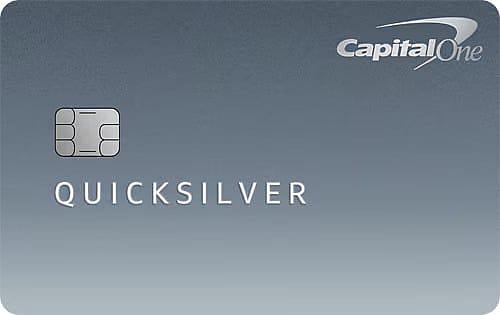 Apply Nowon Capital One's websiteon Capital One's websiteAnnual fee$0Minimum deposit$200Recommended credit scoreRegular APR28.99% Variable APRRewards rate1.5%-5%CashbackIntro offerN/A
Rewards breakdown
5%Cash back on hotels, vacation rentals and rental cars booked through Capital One Travel.1.5%Cash back on every purchase, every day.Card details
- No annual or hidden fees, and you can earn unlimited 1.5% cash back on every purchase, every day. See if you're approved in seconds
- Put down a refundable $200 security deposit to get at least a $200 initial credit line
- Building your credit? Using a card like this responsibly could help
- Enjoy peace of mind with $0 Fraud Liability so that you won't be responsible for unauthorized charges
- You could earn back your security deposit as a statement credit when you use your card responsibly, like making payments on time
- Be automatically considered for a higher credit line in as little as 6 months with no additional deposit needed
- Earn unlimited 5% cash back on hotels, vacation rentals and rental cars booked through Capital One Travel
- Monitor your credit score with CreditWise from Capital One. It's free for everyone
- Top rated mobile app
- View Rates & Fees
NerdWallet's take
The Capital One Quicksilver Secured Cash Rewards Credit Card offers the ability to build or rebuild credit while also enjoying a simple, straightforward rewards rate.
Read full reviewProsThe $0-annual-fee card earns 1.5% cash back on most purchases — a decent rate even among unsecured cards. It offers an automatic credit limit review after six months and a possible upgrade path to a traditional, unsecured card with Capital One. Plus, you'll earn 5% cash back on hotels, vacation rentals and rental cars booked through Capital One Travel.
ConsAs with all secured cards, an upfront deposit is required. The $200 minimum might be a tough hurdle for some to clear.
Our pick for: Low deposit
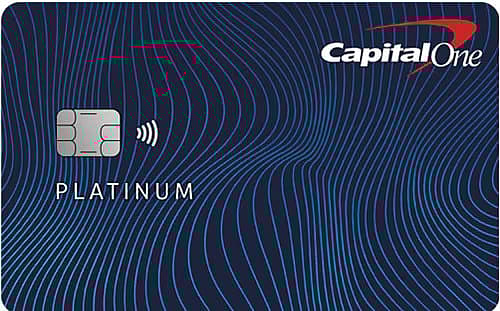 Apply Nowon Capital One's websiteon Capital One's websiteAnnual fee$0Minimum deposit$49, $99 or $200Recommended credit scoreRegular APR28.99% Variable APRRewards rateN/AIntro offerN/A
Card details
- No annual or hidden fees. See if you're approved in seconds
- Building your credit? Using the Capital One Platinum Secured card responsibly could help
- Put down a refundable security deposit starting at $49 to get at least a $200 initial credit line
- You could earn back your security deposit as a statement credit when you use your card responsibly, like making payments on time
- Be automatically considered for a higher credit line in as little as 6 months with no additional deposit needed
- Enjoy peace of mind with $0 Fraud Liability so that you won't be responsible for unauthorized charges
- Monitor your credit score with CreditWise from Capital One. It's free for everyone
- Get access to your account 24 hours a day, 7 days a week with online banking to access your account from your desktop or smartphone, with Capital One's mobile app
- Top rated mobile app
- View Rates & Fees
NerdWallet's take
The Capital One Platinum Secured Credit Card may not be a good fit for folks recovering from major credit damage, but it could be an excellent match for someone getting a credit card for the first time.
Read full reviewProsWith most secured cards, your deposit must be equal to your credit limit. But with the Capital One Platinum Secured Credit Card, you can get a limit of $200 for a deposit of $49, $99 or $200. If you can’t come up with your whole deposit upfront, you can pay it in installments before activating your card. Pay your bill on time, and you can also be automatically considered for a higher credit line in as little as six months.
ConsUnderwriting standards are tighter than for many other secured cards. You generally won’t qualify if you don’t have a checking or savings account, if you have non-discharged bankruptcy, or if your rent is almost as high as your monthly income, among other reasons.
Our pick for: Easy account management
Annual fee$0Minimum depositN/ARecommended credit scoreRegular APRN/ARewards rate2%-5%CashbackIntro offerN/ARewards breakdown
2%Cash back on category of choice with a monthly direct deposit of $200 or more.5%Cash back on category of choice with a monthly direct deposit of $3,000 or more.Card details
- Chime is a fintech, not a bank. Banking services and Chime Card provided by Chime's bank partners. Secured Chime Visa® Credit Card is issued by The Bancorp Bank, N.A. or Stride Bank, N.A., Members FDIC, pursuant to a license from Visa U.S.A. Inc. and may be used everywhere Visa credit cards are accepted. Please see the back of your card for its issuing bank.
- No credit check to apply, no annual fees or interest⁴, and no minimum security deposit required.³ No stress! Additional terms apply.
- Use your Secured Chime Visa® Credit Card everywhere Visa credit cards are accepted, including on everyday purchases, such as gas and groceries.
- Help build your credit history with your own money. The money you move into the secured account is the amount you can spend on your card (no minimum deposit required!).³ Turn on Safer Credit Building² and have your monthly balance automatically paid on time. Chime will report your activities to Transunion®, Experian®, and Equifax®.
- Help increase your credit scores up to 71 points, with regular, on-time payments.¹
- Turn on transaction notifications to receive real-time transaction alerts. Then, use Chime’s instant in-app disable card feature to help prevent unauthorized activities.
- Live support 24/7 to assist you around the clock.
- Now you can use your Secured Chime Visa® Credit Card card fee-free at over 47,000 in-network ATMs at retailers like Walgreens®, CVS®, and more! Out-of-network ATM withdrawal and over the counter advance fees may apply except at FCTI® ATMs in a 7-Eleven® or Speedway, or any Allpoint® or Visa® Plus Alliance ATM participating in the Allpoint network.
- Apply for a Secured Chime Visa® Credit Card once you have an active Chime Checking Account. See www.chime.com to learn more.
- Cash back with Chime Card With qualifying direct deposits, earn 5% cash back as a Chime Prime member or 2% cash back as a Chime Plus member on up to $1,500 of eligible secured Chime Visa® Credit Card purchases. See the Secured Chime Visa® Credit Card - Cash Rewards Program Addendum for limitations and details on earning cash back on your monthly selected category.
NerdWallet's take
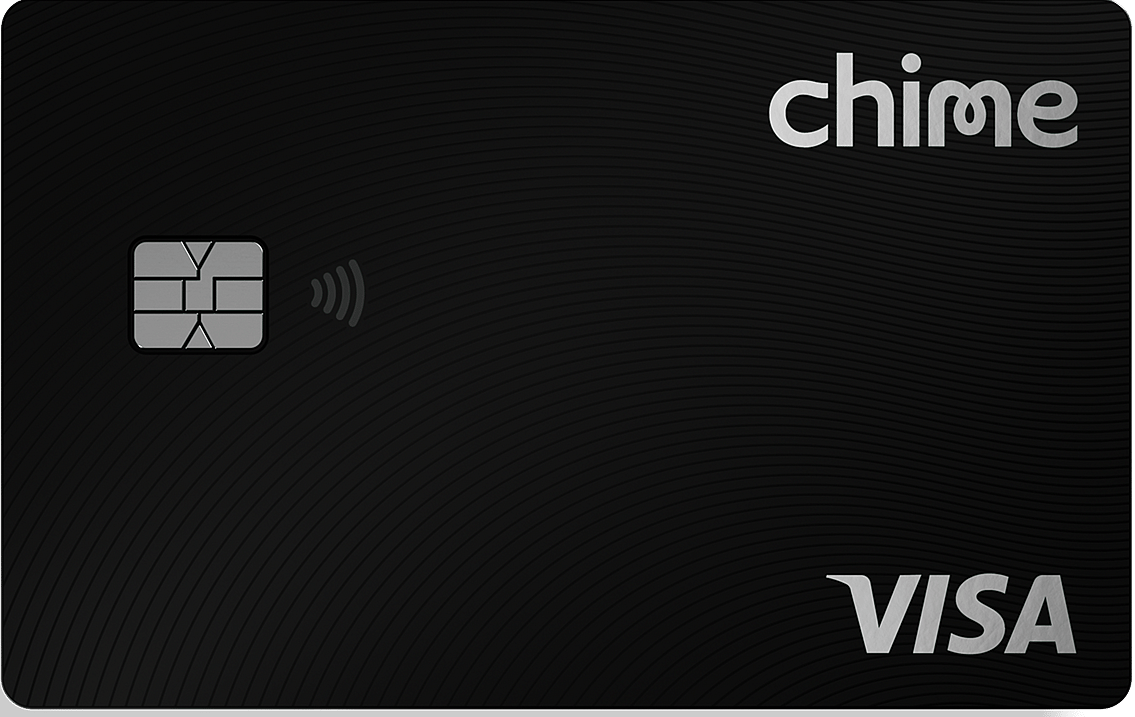
The Secured Chime Visa® Credit Card has no minimum security deposit requirement, charges neither an annual fee nor interest, and doesn't require a credit check, and you can automate your payments so you're never late. But to get it, you must be a Chime® banking customer.
Read full reviewProsInstead of a security deposit, the card is backed by the money in a linked account, which you can add to at any time. The card won't let you spend any more than you have in the account, and when your payment is due, you can have the money taken from the account automatically. In a way, it works like a reloadable debit card, but it also helps build credit. No credit check required to apply.
ConsThe safety precautions that make it an excellent tool for building credit can also get in the way of learning how to handle credit responsibly. Any card you graduate to will work quite differently. Chime has been the subject of multiple complaints related to the way it freezes customers' funds.
Our pick for: No hard credit check
Annual fee$0 intro first year, $25 thereafter†Minimum deposit$100Recommended credit scoreRegular APR27.49% Variable†Rewards rateNoneIntro offerN/ACard details
- With no credit check or prior credit required, anyone can start building credit. Fund your card with a minimum security deposit of $100 and use it anywhere Visa® is accepted in the U.S. Build credit by making on-time payments and maintaining a low credit utilization ratio. Every on-time payment helps build credit history.
- If you don’t have the $100 security deposit today, consider a Credit Builder Account² starting at $25 a month⁴ . Consistent, on-time payments help you build credit and build savings to secure the secured Self Visa® Credit Card³.
- †$0 annual fee for the first year only, $25 annual fee thereafter. Variable APR of 27.49%. Offer valid for new customers only.
- *The secured Self Visa®Credit Card is issued by Lead Bank, Sunrise Banks, N.A., or First Century Bank, N.A., each Member FDIC.
- ²Credit Builder Accounts & Certificates of Deposit made/held by Lead Bank, Sunrise Banks, N.A., First Century Bank, N.A., each Member FDIC. Subject to credit approval.
- ³Qualification for the secured Self Visa® Credit Card is based on meeting eligibility requirements, including income and expense requirements and establishment of security interest. Criteria Subject to change.
- ⁴$25/mo, 24 mos, 15.92% APR; $35/mo, 24 mos, 15.69% APR; $48/mo, 24 mos, 15.51% APR; $150/mo, 24 mos, 15.82% APR. See self.inc/pricing
NerdWallet's take
The secured Self Visa® Credit Card offers those with no credit or poor credit a path to establishing a credit history. Unlike typical secured cards, it doesn't require a steep upfront security deposit or a hard credit check.
Read full reviewProsThe minimum deposit is just $100, lower than on most secured cards. There's no hard credit check, either. This card is also one of a few secured credit cards that offers a path to upgrade to an unsecured credit card with the same issuer once you can qualify. Most importantly, the card reports payments to all three major credit bureaus which is a key step in building credit.
ConsThere's an annual fee of $0 intro first year, $25 thereafter† and while it has a low security deposit requirement, some credit cards offer the flexibility to choose your own amount.
Our pick for: No credit check and no minimum security deposit
Annual fee$0 (see terms)Minimum deposit$1Recommended credit scoreRegular APRN/ARewards rateN/AIntro offerN/ACard details
- Get credit for every swipe - Just use your card, even at the ATM, to build credit with every swipe, earn points, and more.
- Build credit not debt - Build credit using only the money in your account and enable AutoPay so you never miss a payment.
- Credit for everyone - No matter what your credit history, there are no credit checks required to apply and build credit.
- Get paid up to 2 days faster - With direct deposit get your paycheck up to 2 days faster, so you get the money you need exactly when you need it.
- Earn points on swipes - Earn up to 7x the points on card swipes at over 14,000 participating merchants, then redeem them for cash back.
NerdWallet's take
This card is an affordable and accessible option for those wanting to establish or mend their credit history with little risk of getting into debt trouble.
Read full reviewProsBecause this card doesn't require a credit check, it's an ideal option for those trying to build or rebuild their credit scores. There's no minimum security deposit and no APR. Plus, with an eligible payroll deposit the card earns 1 point per dollar spent on eligible dining and grocery purchases.
ConsThere's no upgrade path to another card within Current's portfolio, so when you're ready for an unsecured card, you'll have to apply for another card. You might also incur fees when using this card, including foreign transaction and ATM fees.
Our pick for: No credit check + lower deposit
 Apply Nowon Capital Bank's websiteon Capital Bank's websiteAnnual fee$35Minimum deposit$200Recommended credit scoreRegular APR23.89% Variable APRRewards rate1%-10%CashbackIntro offerN/A
Card details
- Earn up to 10% cash back on everyday purchases
- No credit check required – 89% approval rate with zero credit risk to apply!
- Boost your credit score fast—2 out of 3 opensky® cardholders see an average increase of 47 points after 6 months
- Track your progress with free access to your FICO® score in our mobile app
- Build your credit history with reporting to all three major credit bureaus: Experian, Equifax, and TransUnion
- Seamless payments—add your card to Apple Pay, Google Pay, and Samsung Pay
- Start with just $200—secure your credit line with a refundable deposit
- Fast and easy application—apply in minutes with our mobile-first experience
- Flexible payment options—pick a due date that works for you
- More time to fund—spread your security deposit over 60 days with layaway
- View Rates & Fees
NerdWallet's take
The opensky® Secured Visa® Credit Card is a strong option for people struggling to build or rebuild credit, as well as for those without access to traditional banking services. Click 'apply now' to see additional terms.
Read full reviewProsUnlike most other secured cards, the opensky® Secured Visa® Credit Card doesn’t require a credit check, so even people with badly damaged credit may be able to qualify. (You’ll still need to meet income standards, however.) Also setting this card apart from other secured cards: You don’t need a bank account. You can make your deposit and pay your bill by debit card, wire transfer, check or money order.
ConsThe card charges an annual fee. Also, your options for upgrading your account to an unsecured card are limited.
Our pick for: No credit check + no annual fee
 Apply Nowon Capital Bank's websiteon Capital Bank's websiteAnnual fee$0Minimum deposit$300Recommended credit scoreRegular APR28.24% Variable APRRewards rate1%-10%CashbackIntro offerN/A
Card details
- No annual fee – keep more money in your pocket!
- No credit check required – 89% approval rate with zero credit risk to apply!
- Earn up to 10% cash back on everyday purchases
- Boost your credit score fast—2 out of 3 opensky® cardholders see an average increase of 47 points after 6 months
- Track your progress with free access to your FICO® score in our mobile app
- Build your credit history with reporting to all three major credit bureaus: Experian, Equifax, and TransUnion
- Seamless payments—add your card to Apple Pay, Google Pay, and Samsung Pay
- Start with as little as $300 – Secure your line with a refundable security deposit
- Fast and easy application—apply in minutes with our mobile-first experience
- Flexible payment options—pick a due date that works for you
- More time to fund—spread your security deposit over 60 days with layaway
- View Rates & Fees
NerdWallet's take
Like opensky's regular card, the opensky® Plus Secured Visa® Credit Card doesn't require a credit check or a bank account. But this one also doesn't charge an annual fee — although the minimum security deposit and the interest rate are both significantly higher.
Read full reviewProsThe benefits are largely the same as with the annual-fee opensky card: The issuer doesn’t run a credit check, and you can make your deposit and pay your bills with a debit card, wire transfer, check or money order, making it an option for those without a traditional bank account. On top of that, there's no annual fee.
ConsThe minimum security deposit on this card is higher than on opensky's standard card. The APR is also considerably higher, so avoid carrying a balance. Also, your options for upgrading to an unsecured card are limited.
Our pick for: Low fees and interest
Annual fee$0Minimum depositN/ARecommended credit scoreRegular APR15.25%, Variable APRRewards rateN/AIntro offerN/ACard details
- Could help with building or rebuilding your credit – with responsible use
- No annual, balance transfer, foreign transaction, or cash advance fees
- Fraud notifications and the ability to freeze/unfreeze your credit card
- Great Visa benefits on travel, live music, and more
NerdWallet's take
If you're trying to build credit, it's best not to carry a balance on your credit card. But if you have to do so, the DCU Visa® Platinum Secured Credit Card might be the least painful way.
Read full reviewProsThe card has no annual fees, foreign transaction fees, cash advance fees or balance transfer fees, and its ongoing APR is relatively low for a card aimed at the credit-building population. Your account is secured with funds you put in a savings account with Digital Federal Credit Union. That makes it possible to get a really high credit limit if you've got a deposit to match, which in turn would allow you to use this card more like a "regular" card.
ConsThe $500 minimum deposit is quite pricey for a secured card and drags down the rating of what is an otherwise solid option. You also have to be a member of Digital Federal Credit Union, although anyone can join through membership in a partner organization.
Our pick for: Adjustable credit limit
Annual fee$0Minimum deposit$300Recommended credit scoreRegular APR25.99% Fixed APRRewards rateN/AIntro offerN/ACard details
- Deposit an amount from $300 up to $3,000 into a Credit Builder Savings Account which will set the credit limit you request.
- Increase your credit limit by adding funds in increments of $50 or more to the Credit Builder savings account
- No application fee
- No over-the-limit fee
- Automatic reporting to the three major credit bureaus to help you build or repair your credit history
- With improvements to your credit score, graduate to an Unsecured Credit Card
NerdWallet's take
The Credit Builder Secured Visa® Credit Card from Armed Forces Bank isn't fancy, but that's OK. There's no annual fee, and you can add to your security deposit (and thus your credit limit) at any time.
Read full reviewProsThis no-fuss secured credit card has an annual fee of $0 and allows for credit lines of up to $3,000. You must open the account with at least a $300 deposit in your Credit Builder savings account, but you can add to your limit by depositing more (in $50 increments). The card reports to all three credit bureaus. And no, despite the bank's name, you don't need any military affiliation.
ConsThe $300 minimum initial deposit is higher than most cards require. Though the card has no annual fee, there's a $5 quarterly charge if you want a bill sent in the mail rather than receiving electronic statements.
Compare the Best Secured Credit Cards
| Credit card | Rating | Annual fee | Minimum deposit | Rec. credit score Rec. credit score | Learn more |
|---|---|---|---|---|---|
| Capital One Quicksilver Secured Cash Rewards Credit Card Apply Nowon Capital One's website on Capital One's website | Best for Rewards and upgrading | $0 | $200 | 300-629 (Poor) | Apply Nowon Capital One's website on Capital One's website |
| Capital One Platinum Secured Credit Card Apply Nowon Capital One's website on Capital One's website | Best for Low deposit | $0 | $49, $99 or $200 | 300-629 (Poor) | Apply Nowon Capital One's website on Capital One's website |
 Secured Chime Visa® Credit Card Secured Chime Visa® Credit CardApply Nowon Chime's website on Chime's website | Best for Easy account management | $0 | N/A | 300-669 (Poor - Fair) | Apply Nowon Chime's website on Chime's website |
 The secured Self Visa® Credit Card The secured Self Visa® Credit CardApply Nowon Self's website on Self's website | Best for No hard credit check | $0 intro first year, $25 thereafter† | $100 | 300-607 (Poor) | Apply Nowon Self's website on Self's website |
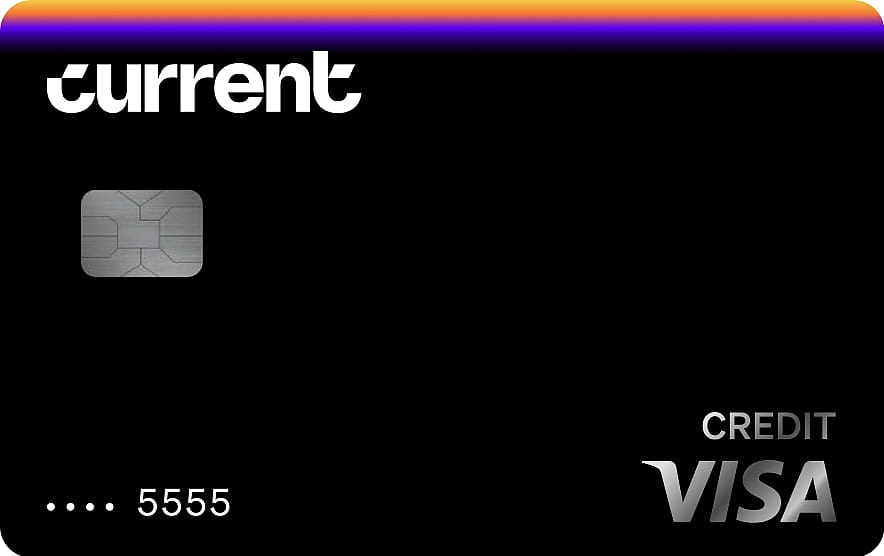 Current Build Card Current Build CardApply Nowon Current's website on Current's website | Best for No credit check and no minimum security deposit | $0 (see terms) | $1 | 350-850 (Poor - Excellent) | Apply Nowon Current's website on Current's website |
| opensky® Secured Visa® Credit Card Apply Nowon Capital Bank's website on Capital Bank's website | Best for No credit check + lower deposit | $35 | $200 | 300-689 (Poor - Fair) | Apply Nowon Capital Bank's website on Capital Bank's website |
| opensky® Plus Secured Visa® Credit Card Apply Nowon Capital Bank's website on Capital Bank's website | Best for No credit check + no annual fee | $0 | $300 | 300-850 (Poor - Excellent) | Apply Nowon Capital Bank's website on Capital Bank's website |
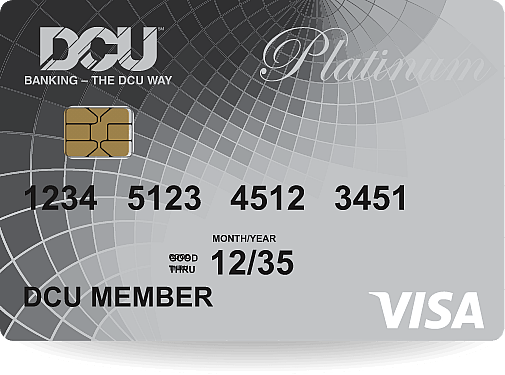 DCU Visa® Platinum Secured Credit Card DCU Visa® Platinum Secured Credit Card | Best for Low fees and interest | $0 | N/A | 300-850 (Poor - Excellent) | |
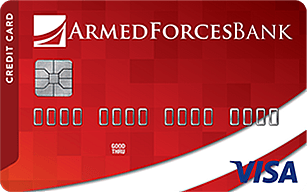 Credit Builder Secured Visa® Credit Card Credit Builder Secured Visa® Credit Card | Best for Adjustable credit limit | $0 | $300 | 300-689 (Poor - Fair) |
More about our picks
Discover it® Secured Credit Card
Our pick for: Rewards, bonus offer & upgrading
A strong combination of features earned the Discover it® Secured Credit Card the title of "best card for building credit" in the NerdWallet Best-Of Awards every year from 2018 to 2026. It was one of the first secured cards with rewards and a bonus offer. It has a $0 annual fee. It reports to all three credit bureaus. It gives you free access to a FICO credit score. And it offers the possibility to upgrade to an unsecured Discover card. The upgrade path, however, is not as clearly marked as it once was. For years, this card advertised that it conducted automatic account reviews beginning after seven months. That will no longer be the case. (Upgrades will still be possible, but the industry-leading transparency about the process is going away.) Even without automatic reviews, though, it's still a top-notch secured card. The $200 minimum security deposit may be a barrier for some, but it can be more cost-effective than paying ongoing monthly or annual fees on other cards. Plus, you can get your deposit back when you upgrade or close the account in good standing. Read our review of the Discover it® Secured Credit Card.
» For a potentially lower security deposit: Capital One Platinum Secured Credit Card.
Capital One Quicksilver Secured Cash Rewards Credit Card
Our pick for: Rewards and upgrading
For building credit as quickly and efficiently as possible, a secured card from a major issuer is often the way to go, and the Capital One Quicksilver Secured Cash Rewards Credit Card is one of the best available. It earns the same 1.5% cash back as the regular Quicksilver card, and the annual fee is $0 (see rates and fees). If you're financially stressed, the biggest obstacle might be pulling together the security deposit, which determines your initial credit limit on the card. The minimum is $200. But Capital One does let you pay that in increments and gives you 35 days from card approval to fully fund it. Admittedly, $200 isn’t a ton of spending power, but if you demonstrate responsible credit habits, you could be considered for a credit limit increase, without depositing any additional money, within six months. (You also have the option of simply depositing more money, and getting a higher initial credit line, when you open the card.) As with all secured cards, you can get your deposit back if you close the account in good standing or if Capital One upgrades you to an unsecured card. Read our review of the Capital One Quicksilver Secured Cash Rewards Credit Card.
» For no minimum security deposit: Secured Chime Visa® Credit Card
Capital One Platinum Secured Credit Card
Our pick for: Low deposit
A secured credit card is one of the quickest ways to build credit, but pulling together hundreds of dollars for a security deposit can be a tall order for some people. The Capital One Platinum Secured Credit Card offers a potential solution. Depending on your credit profile, you could get a $200 credit limit with a deposit of only $49 or $99 (see rates and fees). With most other secured cards, your initial credit limit is equal to whatever deposit you put down. Capital One also gives you 35 days from card approval to fully fund the security deposit, and you can pay it in increments of at least $20. If you show good credit habits, you could be automatically considered for a higher credit limit without needed to deposit more money. As with all secured cards, the deposit is fully refundable if you close the account in good standing, or if Capital One upgrades you to an unsecured card. The main downside of this card is that it doesn't earn any rewards, unlike many competing cards (including from Capital One). But keep in mind that a secured card isn't a long-term proposition, so the rewards you'd ultimately earn would likely be small. The goal is to use it to boost your credit, then move on to better cards. Read our review of the Capital One Platinum Secured Credit Card.
» For a secured card with rewards: Discover it® Secured Credit Card
Citi® Secured Mastercard®
Our pick for: Basic card for thin credit
The Citi® Secured Mastercard® is a straightforward card for people new to credit — put down a security deposit, use the card to establish a positive credit history and then move up to a better card (and get your deposit back). One note: This card is for people just starting out with credit, rather than people with bad credit from past mistakes. Read our review.
opensky® Secured Visa® Credit Card
Our pick for: No credit check + lower deposit
The opensky® Secured Visa® Credit Card charges an annual fee, but a lot of people will still want to take a look at it for two reasons. First, there's no credit check required. Second, you don't need a traditional bank account; you can fund the deposit or pay your bill with a money order or Western Union payment. Read our review.
opensky® Plus Secured Visa® Credit Card
Our pick for: No credit check + no annual fee
Like the regular opensky card, the opensky® Plus Secured Visa® Credit Card doesn't require a credit check or a bank account. This card, however, charges an annual fee of $0 — at the cost of a higher minimum deposit and a higher interest rate. Read our review.
Secured Chime Visa® Credit Card
Our pick for: Easy account management
This card has no minimum deposit requirement, charges neither an annual fee nor interest, and doesn't require a credit check, and you can automate your payments so you're never late. But to get it, you must be a Chime® banking customer, which is an extra hoop to jump through — and which comes with its own considerations when it comes to customer service. Read our review.
See more from Chime®
Chime says the following:
The secured Chime Visa® Credit Card is issued by The Bancorp Bank, N.A. or Stride Bank, N.A., pursuant to a license from Visa U.S.A. Inc. and may be used everywhere Visa credit cards are accepted. Please see the back of your card for its issuing bank.
Based on a representative study conducted by Experian® in Sept 2025, the top 10% of members who made their first purchase with Credit Builder, an earlier version of Secured Chime Visa® Credit Card, between April and August 2024, observed a FICO® Score 8 increase of 71 points after approximately 8 months. Average increase of 28 points across all participants in the study. Credit score improvement not guaranteed. Paying on time may increase your score, while late payment may decrease your score. Other credit activity can impact your score. Credit score is one of many factors creditors may consider in evaluating credit applications.
On-time payment history may have a positive impact on your credit score. Late payment may negatively impact your credit score. Results may vary.
Money added to the Secured Chime Visa® Credit Card will be held in a secured deposit account as collateral for your Secured Chime Visa® Credit Card, and you can spend up to this amount. You can use money deposited in your Secured Deposit Account to pay off your charges at the end of every month.
Out-of-network ATM withdrawal and over the counter advance fees may apply.
SpotMe® on Credit is an optional, no interest / no fee overdraft line of credit tied to the Secured Deposit Account available to qualifying members with an active Secured Chime Visa® Credit Card. To qualify for the SpotMe on Chime Card service, you must receive $200 or more in qualifying direct deposits to your Chime® Checking Account each month and have activated your physicalSecured Chime Visa® Credit Card or Chime Visa® Debit Card. Qualifying members will be allowed to overdraw their Secured Deposit Account up to $20, but may later be eligible for a higher limit of up to $200 or more based on Chime account history, direct deposit frequency and amount, spending activity and other risk-based factors. The SpotMe on Chime Card Limit will be displayed within the Chime mobile app and is subject to change at any time, at Chime’s or its banking partners’ discretion. Although Chime does not charge any overdraft fees for SpotMe on Chime Card, there may be out-of-network or third-party fees associated with ATM transactions and fees associated with OTC cash withdrawals. SpotMe on Chime Card won’t cover non-card transactions. SpotMe on Chime Card Terms and Conditions.
With qualifying direct deposits, earn 5% cash back as a Chime Prime member or 2% cash back as a Chime Plus member on up to $1,500 of eligible Secured Chime Visa® Credit Card purchases. See the Secured Chime Visa® Credit Card - Cash Rewards Program Addendum for limitations and details on earning cash back on your monthly selected category.
Current Build Card
Our pick for: No credit check and no minimum security deposit
The Current Build Card has an annual fee of $0 (see terms). It doesn't require a credit check, making it a solid option for those with bad or no credit. Other perks include no APR and no minimum security deposit. On top of all that, the card also earns rewards. Read our review.
The secured Self Visa® Credit Card
Our pick for: No upfront deposit or credit check
The secured Self Visa® Credit Card is an interesting option for people who want to build credit but aren't a good fit for more traditional secured cards. It doesn't require a hard credit check, and the $100 minimum security deposit requirement is lower than the industry standard of $200 to $300. You also have the option of funding the deposit by making payments on a secured loan. It's more complicated than the usual secured card, there are no rewards, and there's an annual fee after the first year. But for those struggling to establish a credit history, it can be efficient and effective. Read our review of The secured Self Visa® Credit Card.
» For a traditional secured card with rewards: Discover it® Secured Credit Card
Credit Builder Secured Visa® Credit Card
Our pick for: Adjustable credit limit
The Credit Builder Secured Visa® Credit Card from Armed Forces Bank stands out for flexibility. With many secured cards, the deposit you put down when you open the card becomes your credit limit, and you have no option to increase it later on. If all you were able to deposit at that time was $200 or $300, you might be stuck with that limit going forward. That can prevent you from using your card for things like plane tickets or big online purchases, where the more robust protections of a credit card (as compared with a debit card) become really valuable. With this card, you can increase your credit limit in $50 increments simply by depositing more money at any time. Your available credit is still limited to the amount you have on deposit — the max is $3,000 — but having that higher limit makes the card usable in more situations and helps you keep your credit utilization low. The downsides: No rewards, and while you can upgrade to an unsecured card (and get your deposit back) with responsible use, the upgrade options aren't great. Read our review of the Credit Builder Secured Visa® Credit Card.
» For better upgrade options: Capital One Platinum Secured Credit Card
DCU Visa® Platinum Secured Credit Card
Our pick for: Low fees and interest
With low fees and interest, the DCU Visa® Platinum Secured Credit Card has the ideal features to help you build credit. You'll have to clear a few hurdles to qualify for this second-chance credit card. To be eligible, you must be a member of Digital Federal Credit Union and pay a steep security deposit requirement. Read our review.
Getting a secured credit card to build credit
Who can be approved?
Even though secured credit cards are available to people with bad credit, and even though the security deposit reduces the risk to the issuer, approval is not guaranteed for everyone:
The issuer will usually (but not always) check your credit report for signs that you're an unacceptable credit risk. If you're in the middle of a bankruptcy, for example, or you're currently delinquent on other accounts, or you've opened a bunch of new accounts recently, you're unlikely to be approved.
You'll also have to show that you have income so you can pay your credit card bill. Yes, the issuer has your deposit, but it will use that money to cover your bill only as a last resort. You're expected to pay your bill every month, so you'll need income.
How does the process work?
Every issuer handles things a bit differently, but the process of applying for, receiving and using a secured credit card works like this:
1You apply for the card
2You fund the deposit
3You receive the card
4You get the bill and pay it each month
5You upgrade
Alternatives to secured credit cards
Unsecured cards for bad credit
Several issuers specialize in unsecured credit cards for people with bad credit, but NerdWallet generally doesn't recommend them. That's because these "subprime specialist" cards tend to charge high fees that can easily add up to much more than a typical minimum security deposit — annual fees up to $99, application fees, "activation" and "processing" fees, monthly maintenance fees and so on. And unlike the deposit on a secured card, those fees are money you can't get back.
Prepaid debit cards
Prepaid debit cards offer convenience and are a safer alternative than carrying cash, but they don't help you build credit. With a prepaid debit card, you "load" money onto the card, and the purchases you make are paid for with that money. Because you're not borrowing money, there's no effect on your credit score. See NerdWallet's best prepaid cards.
Credit-builder loans
Offered mostly by smaller financial institutions, such as credit unions and community banks, these loans are designed to help you build a good payment history. The money you "borrow" isn't actually given directly to you. Instead, it's held on your behalf in a savings account while you repay the loan in monthly installments. Once you're done, the money is released to you — and your credit report shows a paid-off loan. Learn more about credit-builder loans.
Personal loans
These loans can be secured or unsecured. Unsecured loans (those without collateral, such as a car title) generally have higher interest rates than secured loans. The better your credit, the lower your rate is likely to be. Conversely, those with bad credit can expect to pay very high rates, if they can get a loan at all. Learn more about personal loans.
Frequently asked questions
What's the difference between secured and regular credit cards?
Secured credit cards require a cash security deposit, while regular "unsecured" cards do not. The card issuer requires that you deposit some money — typically $200 or more — to open your secured card account. The deposit is there to protect the issuer in case you don't pay your bill. Because secured credit cards pose less risk to the issuer, they are generally easier to qualify for.
How much do I have to deposit for a secured credit card?
Secured credit cards usually require you to deposit at least $200 to $300, although some have minimum requirements as high as $500. In most cases, your credit limit will be equal to your security deposit. So if you deposit $300, you'll have a $300 credit limit on your card. If you deposit $1,000, you'll have a $1,000 limit, and so on. Most cards set a maximum amount you can deposit — say, $2,500 or $5,000 — which also limits your credit line.
With some cards, you can increase your credit limit just by depositing more money. With others, you must apply for an increase. Some cards will automatically consider you for a credit line increase if you use the card responsibly for a while — not going over your limit and paying your bill on time every month. Also depending on the card, you might be able to get a higher credit line without depositing more money.
Is the deposit "loaded" onto a secured credit card?
No. A secured credit card is different from a prepaid debit card that you "load" with money. With prepid debit, you put money on the card, and then you spend that money when you make purchases. A secured card works just like a regular credit card: You make purchases with the card, and then you pay them off later. The deposit comes into play only if you don't make your payments. In that case, the issuer can use it to pay your debt.
Can I get my deposit back on a secured credit card?
Yes, when you close your account in good standing (meaning you've paid off your balance) or when you upgrade to an unsecured card from the same issuer, your security deposit will be returned to you.
Am I guaranteed approval for a secured credit card?
No. Even though the risk is lower, issuers of secured cards still have eligibility criteria. For example, you'll need to be able to pay your bill each month, so your application could be rejected if you don't have a job or if you have only a small income. If you have filed for bankruptcy and the case is still pending (meaning a court could wipe out any debt you put on a new card), you could be rejected. Some secured cards are designed only for people new to credit, rather than those with bad credit, so you could be rejected based on negative information on your credit report.
Can I get a card for bad credit without a deposit?
Yes, but be careful. Several specialist companies offer unsecured credit cards designed for people with bad credit, but we generally advise consumers to be cautious when applying for them. They tend to charge high fees that secured cards do not — application or "processing" fees at the beginning, annual fees as high as $99, monthly maintenance fees, and so on. And unlike a secured card deposit, none of these fees are refundable.
How we choose the best credit cards
Our team of credit card experts has developed a rigorous methodology to determine how much value a card delivers and how it stacks up against its competitors.
400+
Cards reviewed

400+
Cards reviewed
NerdWallet’s experts have reviewed more than 400 cards, from the most popular options at the biggest banks to store cards to niche cards from startups and small issuers.
8
Categories scored

8
Categories scored
Credit cards are so diverse that properly rating them with a single formula is impossible. We’ve built eight rubrics, plus variations, so we can score each card on what matters.
50+
Data points analyzed

50+
Data points analyzed
Our ratings consider not just a card’s rates, fees, rewards and perks, but also how easy or hard it is to get that card, manage it and enjoy its advertised benefits.
Star rating categories
What you want out of, say, a cash back credit card is fundamentally different from what you’re looking for in a balance transfer card or a card for building credit. That’s why we have different scoring models that put weight on different features.
Cash back cards
General travel cards
Balance transfer cards
Branded airline cards
Branded hotel cards
Credit builder cards
College student cards
Small business cards
Cash back cards
Our formula looks at how much cash back you could expect to earn from typical household spending. We consider rewards rates and categories, bonus offers and the cash value of other benefits, as well as any annual fee. The rating is also influenced by the complexity of the rewards structure.
General travel cards
We consider how many points you could expect to earn from typical household spending, along with per-point values and redemption options. We add in the cash value of bonus offers and other benefits, subtract annual fees and other costs, and take into account the complexity of the rewards structure.

Balance transfer cards
Our balance transfer rubric calculates how much money a card could save you with a low or 0% interest rate. Primary factors include the length and structure of the introductory APR period and the balance transfer fee. We also consider long-term value, such as whether the card offers rewards.

Branded airline cards
We calculate how many miles you could expect to earn from typical household spending and what those miles are worth based on our valuations. We add in the cash value of bonus offers and perks such as free checked bags and lounge access, and we subtract annual fees and other costs.

Branded hotel cards
We calculate how many points you could expect to earn from typical household spending and what those points are worth based on our valuations. We add in the cash value of bonus offers and perks such as free nights and automatic elite status, and we subtract annual fees and other costs

Credit builder cards
Our rubric focuses on accessibility (such as whether a credit check is required), out-of-pocket costs (such as annual fees or minimum security deposits), credit-building features (such as bureau reporting and access to a free credit score) and upgrade options when you’re ready to move on.

College student cards
Our formula calculates the rewards you could expect to earn on spending typical for a college student and takes into account the cash value of bonus offers and other benefits. Accessibility to students without established credit is a key consideration, as is the effort required to manage the card.

Small business cards
Our star ratings criteria for small business credit cards are similar to those for consumer cards, although they account for potentially higher spending levels and higher credit limits, as well as rewards structures and bonus categories tailored specifically to entrepreneurs and business operators.

NerdWallet's Credit Cards team selects the best secured credit cards based on overall value, as evidenced by star ratings, as well as suitability for specific kinds of consumers. Factors in our evaluation include annual and other fees, security deposits (both the minimum required and maximum allowed), APRs, whether a card offers an option to upgrade to an unsecured account, the availability of free credit scores and other credit education, reporting to credit bureaus, and other noteworthy features such as a rewards program or the ability to qualify without a credit check. Because different consumers can have markedly different needs, preferences and spending habits, we recognize that there is rarely a single credit card that is "best" for everyone. That's why this page includes a variety of options to suit an array of circumstances. Also, a single card is eligible to be chosen as among the "best" in multiple categories.
Our star ratings provide a quick way to compare credit cards. We assess the features of a card, score those features according to how they compare with other options on the market, and assign the card a rating of 1 to 5 stars based on those features. In general, a card that rates 4.5 stars will be a better value for more people than a card that rates 4.0 stars. However, the 4.0 card might be better than the 4.5 card for an individual consumer depending on that person’s circumstances. Further, ratings are only comparable within categories. If you're looking for rewards, for example, a 3.5-star cash back card will be of greater value than a 5.0-star balance transfer card or a 4.5-star credit-builder card. Star ratings are an important consideration in which cards appear on our "best" pages, but they are not the sole determining factor. Learn how NerdWallet rates credit cards.
