

Every time.
We believe everyone should be able to make financial decisions with confidence. While we don't cover every company or financial product on the market, we work hard to share a wide range of offers and objective editorial perspectives.
So how do we make money? Our partners compensate us for advertisements that appear on our site or when you click to or take an action on their website. This compensation helps us provide tools and services - like free credit score access and monitoring. With the exception of mortgage, home equity and other home-lending products or services, partner compensation is one of several factors that may affect which products we highlight and where they appear on our site. Other factors include your credit profile, product availability and proprietary website methodologies.
However, these factors do not influence our editors' opinions or ratings, which are based on independent research and analysis. Our partners cannot pay us to guarantee favorable reviews. Here is a list of our partners.
Best Credit Cards of June 2026


The best credit card is one that's best aligned with your specific needs. NerdWallet's credit card experts have reviewed and rated hundreds of options for the best credit cards of 2026 — from generous rewards and giant sign-up bonuses to long 0% APR periods and credit-building help, so you can find the best fit for your needs.
Read MoreShow Less
How to identify your ‘best credit card’
Ask any credit card expert what the best card is, and you’ll undoubtedly hear: “There is no single best credit card. There’s just the best credit card for you.” (Ask AI, and you’ll get a similar answer, cribbed from those same credit card experts.) While that’s true, it’s also a cliche and not terribly helpful. So skip that approach and instead ask yourself a question: What do you hope to get from a credit card?
Credit cards fall into three major categories. Rewards cards give you cash back, points or miles on your purchases, as well as perks. Zero-percent cards save you money on interest. Credit-building cards have more forgiving application criteria so you can work toward better cards down the road. Some cards fit into more than one category, but there are always tradeoffs. You can find a cash back card with a 0% APR offer, for example, but the 0% period may be comparatively short. There are credit-building cards with rewards, but those rewards won’t be as generous as on cards for people with excellent credit. Be realistic. You’re not going to find one card that has everything; instead look for one that performs best at what you value most.
If you can’t put your finger on what it is you’re looking for, start by browsing the cards on this page. Also explore the pages linked at the top, which provide more options (and more guidance on making a selection) within specific categories: cash-back cards, travel cards, balance transfer cards and so on. As you explore options, think specifically about how each card would fit into your lifestyle and your budget. Do the rewards match your spending, or would they just require you to spend money you otherwise wouldn’t? Would a break on interest help you get out of debt, or just encourage you to pile up more? Is an annual fee worth what you'll get from the card?
How NerdWallet picked these credit cards
For this page, we chose credit cards with the broadest appeal, meaning they’ll provide significant value to just about anyone looking for a card in their target category. That’s not to say every card on this page is a perfect fit for everyone. Rather, if you’re looking for, say, a cash back card, you really can’t go wrong with the cash back options on this page. The same applies if you’re looking for a general-purpose travel rewards card, a premium travel card, a 0% APR card and so on. For additional options, use the buttons at the top of the page. Learn more about our picks or see more about our methodology.
Expert tip: Knowing what a card can and can’t do
Paul Soucy, content director: “Don’t expect a credit card to change your life. Instead, look for a card that will complement your life. For example, a travel credit card can make your journeys more affordable and more comfortable — but if you don’t already travel, a credit card isn’t going to magically turn you into a globetrotter. A cash back card can put hundreds of dollars a year in your pocket — but if you aren’t comfortable using credit cards for everyday spending (and paying them in full every month), the rewards you earn won’t amount to much. A balance-transfer card can give you breathing room to pay down debt — but it won’t make that debt go away on its own.”
Our pick for: All-around cash back
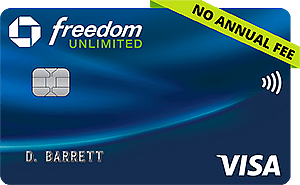
Annual fee$0Rewards rate1.5%-5%CashbackIntro offer$200Recommended credit scorePurchase intro APR0% intro APR on purchases for 15 monthsBalance transfer intro APR0% intro APR on balance transfers for 15 monthsRegular APR18.24%-27.74% Variable APRRewards breakdown
5%Cash back on travel purchased through Chase Travel℠.3%Cash back on drugstore purchases.3%Cash back on dining at restaurants, including takeout and eligible delivery services.1.5%Cash back on all other purchases.Card details
- Earn a $200 Bonus after you spend $500 on purchases in your first 3 months from account opening
- Enjoy 5% cash back on travel purchased through Chase Travel℠, our premier rewards program that lets you redeem rewards for cash back, travel, gift cards and more; 3% cash back on drugstore purchases and dining at restaurants, including takeout and eligible delivery service, and 1.5% on all other purchases.
- No minimum to redeem for cash back. You can use points to redeem for cash through an account statement credit or an electronic deposit into an eligible Chase account located in the United States!
- Enjoy 0% Intro APR for 15 months from account opening on purchases and balance transfers, then a variable APR of 18.24% - 27.74%.
- No annual fee – You won't have to pay an annual fee for all the great features that come with your Freedom Unlimited® card
- Keep tabs on your credit health, Chase Credit Journey helps you monitor your credit with free access to your latest score, alerts, and more.
- Member FDIC
- View Rates & Fees
NerdWallet's take
Read full reviewPros- No annual fee
- Intro APR period
- High rewards rate
- No minimum redemption amount
Cons- Requires good/excellent credit
Our pick for: Simple travel rewards
 Apply Nowon Capital One's websiteon Capital One's websiteAnnual fee$95Rewards rate2x-5xMilesIntro offer75,000milesRegular APR19.49%-28.49% Variable APRRecommended credit score
Rewards breakdown
5xEarn 5X miles on hotels, vacation rentals and rental cars booked through Capital One Travel.2xMiles on every purchase, every day.Card details
- Earn a one-time bonus of 75,000 miles once you spend $4,000 on purchases within 3 months from account opening, equal to $750 in travel
- Earn unlimited 2X miles on every purchase, every day
- Earn 5X miles on hotels, vacation rentals and rental cars booked through Capital One Travel
- Miles won't expire for the life of the account and there's no limit to how many you can earn
- Receive up to a $120 credit for Global Entry or TSA PreCheck®
- Use your miles to get reimbursed for any travel purchase—or redeem by booking a trip through Capital One Travel
- Enjoy a $50 experience credit and other premium benefits with every hotel and vacation rental booked from the Lifestyle Collection
- Transfer your miles to your choice of 15+ travel loyalty programs
- Top rated mobile app
- View Rates & Fees
NerdWallet's take
Read full reviewPros- High rewards rate
- Flexible rewards redemption
Cons- Has annual fee
- Requires good/excellent credit
Our pick for: Longest Intro APR period for transfers and purchases
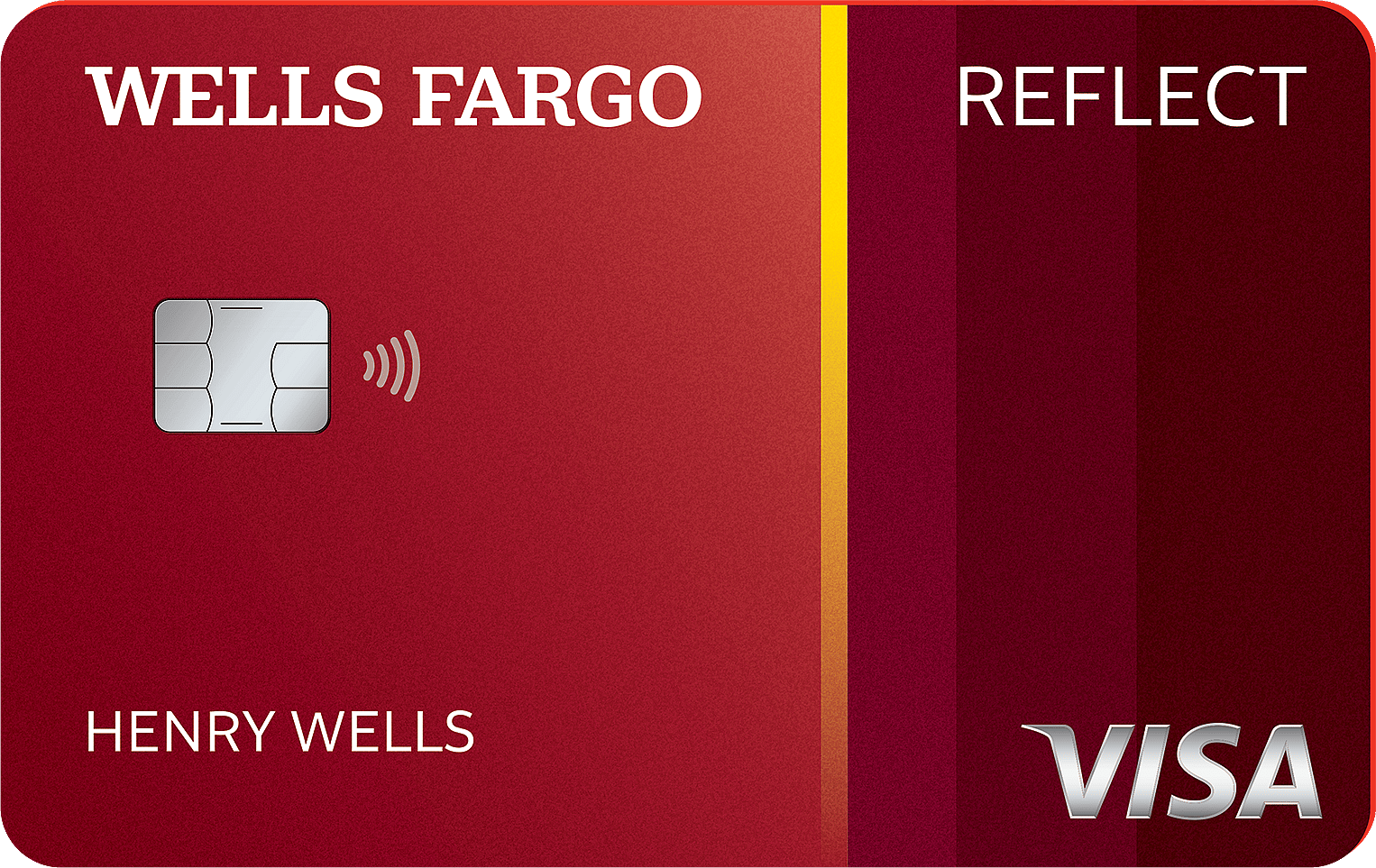
Annual fee$0Rewards rateN/AIntro offerN/ARecommended credit scorePurchase intro APR0% intro APR for 21 months from account opening on purchasesBalance transfer intro APR0% intro APR for 21 months from account opening on qualifying balance transfersRegular APR17.49%, 23.99%, or 28.24% Variable APRCard details
- Apply Now to take advantage of this offer and learn more about product features, terms and conditions.
- 0% intro APR for 21 months from account opening on purchases and qualifying balance transfers. 17.49%, 23.99%, or 28.24% variable APR thereafter; balance transfers made within 120 days qualify for the intro rate, BT fee of 5%, min: $5.
- $0 annual fee.
- Up to $600 of cell phone protection against damage or theft. Subject to a $25 deductible.
- Through My Wells Fargo Deals, you can get access to personalized deals from a variety of merchants. It's an easy way to earn cash back as an account credit when you shop, dine, or enjoy an experience simply by using an eligible Wells Fargo credit card.
- View Rates & Fees
NerdWallet's take
Read full reviewPros- No annual fee
- Intro APR period
Cons- No rewards
2026 Best all-purpose travel rewards credit card
Annual fee$95Rewards rate1x-5xPointsIntro offer75,000pointsRegular APR19.24%-27.49% Variable APRRecommended credit scoreRewards breakdown
5xPoints on travel purchased through Chase Travel℠.3xPoints on dining.3xPoints on select streaming services.3xPoints on online groceries.2xPoints on all other travel purchases.1xPoint on all other purchases.Card details
- Earn 75,000 bonus points after you spend $5,000 on purchases in the first 3 months from account opening.
- Enjoy benefits such as 5x on travel purchased through Chase Travel℠, 3x on dining, select streaming services and online groceries, 2x on all other travel purchases, 1x on all other purchases
- Earn up to $50 in statement credits each account anniversary year for hotel stays through Chase Travel℠
- 10% anniversary points boost - each account anniversary you'll earn bonus points equal to 10% of your total purchases made the previous year.
- Count on Trip Cancellation/Interruption Insurance, Auto Rental Collision Damage Waiver, Lost Luggage Insurance and more.
- Complimentary DashPass which unlocks $0 delivery fees & lower service fees for a min. of one year when you activate by 12/31/27. Plus, a $10 promo each month on non-restaurant orders.
- Member FDIC
- View Rates & Fees
NerdWallet's take
Read full reviewPros- New cardholder bonus offer
- Bonus categories
- Primary rental car coverage
- Flexible rewards redemption
- Transfer partners
Cons- Has annual fee
- Requires good/excellent credit
- Complicated rewards
2026 Best balance transfer credit card
Annual fee$0Rewards rateN/AIntro offerN/ARecommended credit scorePurchase intro APR0% intro APR on purchases for 18 monthsBalance transfer intro APR0% intro APR on balance transfers for 18 monthsRegular APR17.49%-28.24% Variable APRCard details
- 0% Intro APR on balance transfers and purchases for 18 months from date of account opening. After that, the variable APR will be 17.49% - 28.24%, based on your creditworthiness. Balance transfers must be completed within 4 months of account opening.
- There is an intro balance transfer fee of 3% of each transfer (minimum $5) completed within the first 4 months of account opening. After that, your fee will be 5% of each transfer (minimum $5).
- No Late Fees, No Penalty Rate, and No Annual Fee... Ever
- $0 liability on unauthorized charges.
- View Rates & Fees
NerdWallet's take
Read full reviewPros- No annual fee
- Intro APR period
Cons- No rewards
- No new cardholder bonus offer
- Requires good/excellent credit
2026 Best all-purpose cash back credit card
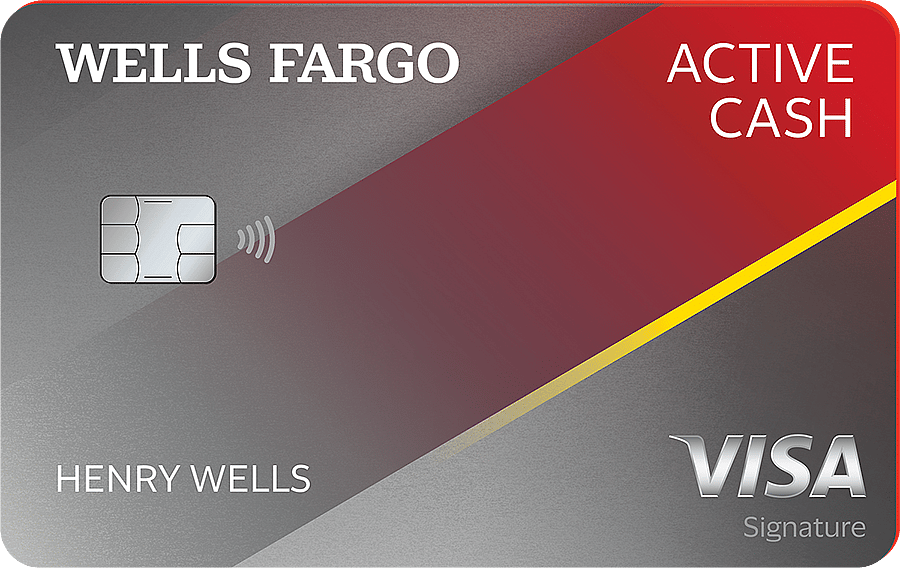 Apply Nowon Wells Fargo's websiteon Wells Fargo's websiteAnnual fee$0Rewards rate2%CashbackIntro offer$200Recommended credit scorePurchase intro APR0% intro APR for 12 months from account opening on purchasesBalance transfer intro APR0% intro APR for 12 months from account opening on qualifying balance transfersRegular APR18.49%, 24.49%, or 28.49% Variable APR
Rewards breakdown
2%Unlimited Cash rewards on purchases.Card details
- Apply Now to take advantage of this offer and learn more about product features, terms and conditions.
- Earn a $200 cash rewards bonus after spending $500 in purchases in the first 3 months.
- Earn unlimited 2% cash rewards on purchases.
- 0% intro APR for 12 months from account opening on purchases and qualifying balance transfers. 18.49%, 24.49%, or 28.49% variable APR thereafter; balance transfers made within 120 days qualify for the intro rate and fee of 3% then a BT fee of up to 5%, min: $5.
- $0 annual fee.
- No categories to track or remember and cash rewards don’t expire as long as your account remains open.
- Find tickets to top sports and entertainment events, book travel, make dinner reservations and more with your complimentary 24/7 Visa Signature® Concierge.
- Up to $600 of cell phone protection against damage or theft. Subject to a $25 deductible.
- View Rates & Fees
NerdWallet's take
Read full reviewPros- High rewards rate
- No annual fee
- Intro APR period
Cons- No bonus categories
Our pick for: Luxury travel perks
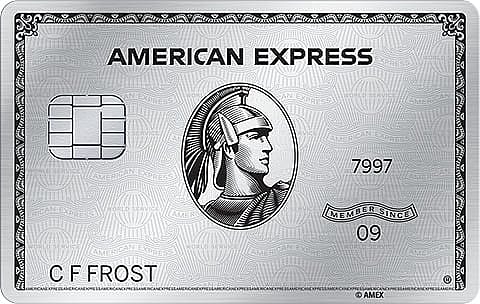 Apply Nowon American Express' websiteon American Express' websiteAnnual fee$895Rewards rate1x-5xPointsIntro offerAs High As 175,000 Points. Find Out Your Offer.APRSee Pay Over Time APRRecommended credit
Rewards breakdown
5xMembership Rewards® Points on flights purchased directly from airlines or through American Express Travel® on up to $500,000 on these purchases per calendar year.5xMembership Rewards® Points on prepaid hotel bookings through American Express Travel®, including Fine Hotels + Resorts® and The Hotel Collection bookings.1xMembership Rewards® Points on other purchases.Card details
- You may be eligible for as high as 175,000 Membership Rewards® points after you spend $12,000 in eligible purchases on your new Card in your first 6 months of Card Membership. Welcome offers vary and you may not be eligible for an offer. Apply to know if you’re approved and find out your exact welcome offer amount – all with no credit score impact. If you’re approved and choose to accept the Card, your score may be impacted.
- Get more for your travels with 5X Membership Rewards® points on all flights and prepaid hotel bookings through American Express Travel®, including Fine Hotels + Resorts® and The Hotel Collection bookings. You earn 5X points on flights purchased directly from airlines or through American Express Travel® on up to $500,000 on these purchases per calendar year.
- With over 1,550 airport lounges - more than any other credit card company on the market* - enjoy the benefits of the Global Lounge Collection®, over $850 of annual value, with access to Centurion Lounges, 10 complimentary Delta Sky Club® visits when flying on an eligible Delta flight (subject to visit limitations), Priority Pass Select membership (enrollment required), and other select partner lounges.* As of 07/2025.
- $200 Uber Cash + $120 Uber One Credit: With the Platinum Card® you can receive $15 in Uber Cash each month plus a bonus $20 in December when you add your Platinum Card® to your Uber account to use on rides and orders in the U.S when you select an Amex Card for your transaction. Plus, when you use the Platinum Card® to pay for an auto-renewing Uber One membership, you can get up to $120 in statement credits each calendar year. Terms apply.
- $300 Digital Entertainment Credit: Experience the latest shows, news and recipes. Get up to $25 in statement credits each month when you use your Platinum Card® for eligible purchases on Disney+, a Disney+ bundle, ESPN streaming services, Hulu, The New York Times, Paramount+, Peacock, The Wall Street Journal, YouTube Premium, and YouTube TV when you purchase directly from one or more of the providers. Enrollment required.
- $600 Hotel Credit: Get up to $300 in statement credits semi-annually on prepaid Fine Hotels + Resorts® or The Hotel Collection* bookings through American Express Travel® using the Platinum Card®. *The Hotel Collection requires a minimum two-night stay.
- $400 Resy Credit + Platinum Nights by Resy: Get up to $100 in statement credits each quarter when you use the Platinum Card® to make eligible purchases with Resy, including dining purchases at U.S. Resy restaurants. Enrollment required. Plus, with Platinum Nights by Resy, you can get special access to reservations on select nights at participating in demand Resy restaurants with the Platinum Card®. Simply add your eligible Card to your Resy profile to book and discover Platinum Nights reservations near you.
- $209 CLEAR+ Credit: CLEAR+ helps get you to your gate faster by using your face to verify you are you at 55+ airports nationwide. You can cover the cost of a CLEAR+ Membership* with up to $209 in statement credits per calendar year after you pay for CLEAR+ with your Platinum Card®. *Excluding any applicable taxes and fees. Subject to auto-renewal.
- $200 Airline Fee Credit: Select one qualifying airline and then receive up to $200 in statement credits per calendar year when incidental fees, such as checked bags and in-flight refreshments, are charged by the airline to the Platinum Card® Account. American Express relies on airlines to submit the correct information on airline transactions to identify incidental fee purchases. If you do not see a credit for a qualifying incidental purchase on your eligible Card after 8 weeks, simply call the number on the back of your Card. Qualifying airlines are subject to change. See terms & conditions for more details.
- Start your vacation sooner, and keep it going longer. When you book Fine Hotels + Resorts® through American Express Travel®, enjoy noon check-in, when available, and guaranteed 4PM check-out.
- $300 lululemon Credit: Enjoy up to $75 in statement credits each quarter when you use the Platinum Card® for eligible purchases at U.S. lululemon retail stores (excluding outlets) and lululemon.com. That’s up to $300 in statement credits each calendar year. Enrollment required.
- $155 Walmart+ Credit: Receive a statement credit* for one monthly Walmart+ membership (subject to auto-renewal) after you pay for Walmart+ each month with the Platinum Card®.* Up to $12.95 plus applicable local sales tax. Plus Ups not eligible.
- Whenever you need us, we're here. Our Member Services team will ensure you are taken care of. From lost Card replacement to statement questions, we are available to help 24/7.
- $895 annual fee.
- Terms Apply.
- View Rates & Fees
NerdWallet's take
Read full reviewPros- Bonus categories
- Transfer partners
- Luxury perks
- Lounge membership
- Automatic elite status
Cons- Has annual fee
- Complicated rewards
- Requires good/excellent credit
2026 Best credit card for groceries
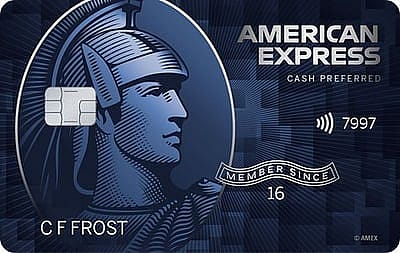 Apply Nowon American Express' websiteon American Express' websiteAnnual fee$0 intro annual fee for the first year, then $95.Rewards rate1%-6%CashbackIntro offerAs High as $300 cash back. Find Out Your Offer.Recommended creditPurchase intro APR0% intro APR on purchases for 12 months from the date of account openingBalance transfer intro APR0% intro APR on balance transfers for 12 months from the date of account openingAPR19.49%-28.49% Variable APR
Rewards breakdown
6%Cash Back at U.S. supermarkets on up to $6,000 per year in purchases (then 1%).6%Cash Back on select U.S. streaming subscriptions.3%Cash Back at U.S. gas stations and on transit (including taxis/rideshare, parking, tolls, trains, buses and more).1%Cash Back on other purchases.Card details
- Apply and find out your welcome offer. As High As $300 cash back* after you spend $3,000 in purchases on your new Card within the first 6 months of Card Membership. Welcome offers vary and you may not be eligible for an offer. Apply, and if approved: 1. Find out your offer amount 2. Accept the Card with your offer 3. Spend $3,000 in 6 months 4. Receive the cash back. *Cash back is received in the form of Reward Dollars that can be redeemed for a statement credit or at Amazon.com checkout.
- $0 intro annual fee for the first year, then $95.
- Enjoy 0% intro APR on purchases and balance transfers for 12 months from the date of account opening. After that, your APR will be a variable APR of 19.49%-28.49%.
- Plan It®: Buy now, pay later with Plan It. Split purchases of $100 or more into equal monthly installments with a fixed fee so you don’t have the pressure of paying all at once. Simply select the purchase in your online account or the American Express® App to see your plan options. Plus, you’ll still earn rewards on purchases the way you usually do.
- Earn 6% cash back at U.S. supermarkets on up to $6,000 per year in eligible purchases (then 1%), 6% cash back on select U.S. streaming subscriptions, 3% cash back at eligible U.S. gas stations and on transit (including taxis/rideshare, parking, tolls, trains, buses and more) purchases and 1% cash back on other purchases. Cash Back is received in the form of Reward Dollars that can be redeemed as a statement credit and at Amazon.com checkout.
- Get up to a $10 monthly statement credit after using your enrolled Blue Cash Preferred® Card for a subscription purchase, including a bundle subscription purchase, at DisneyPlus.com, Hulu.com, or Stream.ESPN.com U.S. websites. Subject to auto-renewal.
- Terms Apply.
- View Rates & Fees
NerdWallet's take
Read full reviewPros- High rewards rate
- Bonus categories
- Intro APR period
- Cash rewards
Cons- Has annual fee
- Requires good/excellent credit
- Spending caps on bonus rewards
Our pick for: Long intro period + quarterly categories
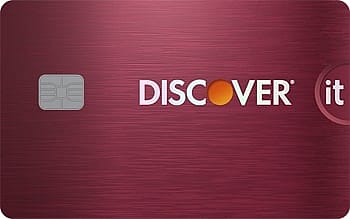 Apply Nowon Discover's websiteon Discover's websiteAnnual fee$0Rewards rate1%-5%CashbackIntro offerCashback Match™Recommended credit scorePurchase intro APR0% intro APR on purchases for 6 monthsBalance transfer intro APR0% intro APR on balance transfers for 18 monthsRegular APR17.49%-26.49% Variable APR
Rewards breakdown
5%Cash back on everyday purchases at different places you shop each quarter like grocery stores, restaurants, gas stations, and more, up to the quarterly maximum when you activate.1%Cash back on all other purchases.Card details
- INTRO OFFER: Unlimited Cashback Match for all new cardmembers. Discover will automatically match all the cash back you’ve earned at the end of your first year! There’s no minimum spending or maximum rewards. You could turn $150 cash back into $300.
- Earn 5% cash back on everyday purchases at different places you shop each quarter like grocery stores, restaurants, gas stations, and more, up to the quarterly maximum when you activate. Plus, earn unlimited 1% cash back on all other purchases.
- Redeem cash back for any amount. No annual fee.
- Get a 0% intro APR for 18 months on balance transfers. Then 17.49% to 26.49% Standard Variable APR applies, based on credit worthiness.
- Terms and conditions apply.
- View Rates & Fees
NerdWallet's take
Read full reviewPros- No annual fee
- Intro APR period
- Bonus categories
- Cash rewards
Cons- Complicated rewards
- Spending caps on bonus rewards
- Lower acceptance abroad
2026 Best premium travel credit card
 Apply Nowon Capital One's websiteon Capital One's websiteAnnual fee$395Rewards rate2x-10xMilesIntro offer75,000milesRegular APR19.49%-28.49% Variable APRRecommended credit score
Rewards breakdown
10xMiles on hotels and rental cars booked through Capital One Travel.5xMiles on flights and vacation rentals booked through Capital One Travel.2xMiles on all other purchases.Card details
- Earn 75,000 bonus miles when you spend $4,000 on purchases in the first 3 months from account opening, equal to $750 in travel
- Receive a $300 annual credit for bookings through Capital One Travel, where you'll get Capital One's best prices on thousands of trip options
- Get 10,000 bonus miles (equal to $100 towards travel) every year, starting on your first anniversary
- Earn unlimited 10X miles on hotels and rental cars booked through Capital One Travel and 5X miles on flights and vacation rentals booked through Capital One Travel
- Earn unlimited 2X miles on all other purchases
- Enjoy access to 1,300+ lounges worldwide, including Capital One Lounge and Landing locations and participating Priority Pass™ lounges, after enrollment
- Use your Venture X miles to easily cover travel expenses, including flights, hotels, rental cars and more—you can even transfer your miles to your choice of 15+ travel loyalty programs
- Enjoy a $100 experience credit and other premium benefits with every hotel and vacation rental booked from the Premier Collection
- Receive up to a $120 credit for Global Entry or TSA PreCheck®
- Top rated mobile app
- View Rates & Fees
NerdWallet's take
Read full reviewPros- High rewards rate
- New cardholder bonus offer
- Lounge membership
- Anniversary perk
- Flexible rewards redemption
Cons- High annual fee
- Requires excellent credit
Our pick for: Long intro APR period + side perks
Annual fee$0Rewards rate4%CashbackIntro offerN/ARecommended credit scorePurchase intro APR0% intro APR on purchases for 21 billing cyclesBalance transfer intro APR0% intro APR on balance transfers for 21 billing cyclesRegular APR16.99%-27.99% Variable APRRewards breakdown
4%Cash back on prepaid air, hotel and car reservations booked directly in the Travel Center.Card details
- 0% intro APR on purchases and balance transfers for 21 billing cycles. After that, a variable APR currently 16.99% - 27.99%.
- 4% cash back on prepaid air, hotel and car reservations booked directly in the Travel Center when you use your card.
- Get a $20 annual statement credit for 11 consecutive months of purchases.
- No annual fee.
- Cell Phone Protection: Your eligible cell phone can be reimbursed up to $600 in the event it is stolen or damaged when you pay your monthly cell phone bill with your card.
- Terms and conditions apply.
- View Rates & Fees
NerdWallet's take
Read full reviewPros- No annual fee
- Intro APR period
- Rewards
- Cell phone insurance
Cons- Requires good/excellent credit
- No bonus offer
2026 Best credit card for dining
 Apply Nowon Capital One's websiteon Capital One's websiteAnnual fee$0Rewards rate1%-8%CashbackIntro offer$250Recommended credit scorePurchase intro APR0% intro on purchases for 12 monthsBalance transfer intro APR0% intro on balance transfers for 12 months; balance transfer fee appliesRegular APR18.49%-28.49% Variable APR
Rewards breakdown
8%Cash back on Capital One Entertainment purchases.5%Cash back on hotels, vacation rentals and rental cars booked through Capital One Travel.3%Cash back on dining.3%Cash back on entertainment.3%Cash back on popular streaming services.3%Cash back at grocery stores (excluding superstores like Walmart® and Target®).1%Cash back on all other purchases.Card details
- For a limited time, earn a one-time $250 cash bonus once you spend $500 on purchases within the first 3 months from account opening
- $0 annual fee and no foreign transaction fees
- Earn unlimited 3% cash back at grocery stores (excluding superstores like Walmart® and Target®), on dining, entertainment and popular streaming services, plus 1% on all other purchases
- Earn 8% cash back on Capital One Entertainment purchases
- Earn unlimited 5% cash back on hotels, vacation rentals and rental cars booked through Capital One Travel
- No rotating categories or sign-ups needed to earn cash rewards; plus cash back won't expire for the life of the account and there's no limit to how much you can earn
- 0% intro APR on purchases and balance transfers for 12 months; 18.49% - 28.49% variable APR after that; balance transfer fee applies
- Top rated mobile app
- View Rates & Fees
NerdWallet's take
Read full reviewPros- No annual fee
- Intro APR period
- Bonus categories
- No foreign transaction fees
Cons- Requires good/excellent credit
Our pick for: Going out & staying in
 Apply Nowon Capital One's websiteon Capital One's websiteAnnual fee$0Rewards rate1%-8%CashbackIntro offer$100Regular APR18.49%-28.49% Variable APRRecommended credit score
Rewards breakdown
8%Cash back on entertainment purchases when you book through the Capital One Entertainment portal.5%Cash back on hotels, vacation rentals and rental cars booked through Capital One Travel.3%Cash back on dining.3%Cash back on entertainment.3%Cash back on popular streaming services.3%Cash back at grocery stores (excluding superstores like Walmart® and Target®).1%Cash back on all other purchases.Card details
- Earn unlimited 3% cash back at grocery stores (excluding superstores like Walmart® and Target®), on dining, entertainment and popular streaming services, plus 1% on all other purchases
- Early Spend Bonus: For a limited-time, earn $100 when you spend $300 in the first three months
- Enjoy peace of mind with $0 Fraud Liability so that you won't be responsible for unauthorized charges
- Enjoy no annual fee, foreign transaction fees, or hidden fees
- Earn unlimited 5% cash back on hotels, vacation rentals and rental cars booked through Capital One Travel
- Earn up to $500 a year by referring friends and family when they're approved for a Capital One credit card
- Earn 8% cash back on entertainment purchases when you book through the Capital One Entertainment portal
- Build your credit with responsible card use
- Whether you're at a 4-year university, community college or other higher education institution, this card might be an option for you
- Top rated mobile app
- View Rates & Fees
NerdWallet's take
Read full reviewPros- No annual fee
- Bonus categories
- No rewards caps
- Reports to the three major credit bureaus
Cons- High APR
Our pick for: Quarterly categories + matching bonus
Annual fee$0Rewards rate1%-5%CashbackIntro offerCashback Match™Recommended credit scorePurchase intro APR0% intro APR on purchases for 15 monthsBalance transfer intro APR0% intro APR on balance transfers for 15 monthsRegular APR17.49%-26.49% Variable APRRewards breakdown
5%Cash back on everyday purchases at different places you shop each quarter like grocery stores, restaurants, gas stations, and more, up to the quarterly maximum when you activate.1%Cash back on all other purchases.Card details
- INTRO OFFER: Unlimited Cashback Match for all new cardmembers. Discover will automatically match all the cash back you’ve earned at the end of your first year! There’s no minimum spending or maximum rewards. You could turn $150 cash back into $300.
- Earn 5% cash back on everyday purchases at different places you shop each quarter like grocery stores, restaurants, gas stations, and more, up to the quarterly maximum when you activate. Plus, earn unlimited 1% cash back on all other purchases.
- Redeem cash back for any amount. No annual fee.
- Get a 0% intro APR for 15 months on purchases. Then 17.49% to 26.49% Standard Variable Purchase APR applies, based on credit worthiness.
- Terms and conditions apply.
- View Rates & Fees
NerdWallet's take
Read full reviewPros- No annual fee
- Intro APR period
- Bonus categories
- Cash rewards
Cons- Complicated rewards
- Spending caps on bonus rewards
- Lower acceptance abroad
Compare the Best Credit Card Offers of June 2026
| Credit card | Rating | Annual fee | Rewards rate | Intro offer | Learn more |
|---|---|---|---|---|---|
 Chase Freedom Unlimited® Chase Freedom Unlimited®Apply Nowon Chase's website on Chase's website | Best for All-around cash back | $0 | 1.5%-5% | $200 | Apply Nowon Chase's website on Chase's website |
| Capital One Venture Rewards Credit Card Apply Nowon Capital One's website on Capital One's website | Best for Simple travel rewards | $95 | 2x-5x | 75,000 miles | Apply Nowon Capital One's website on Capital One's website |
 Wells Fargo Reflect® Card Wells Fargo Reflect® CardApply Nowon Wells Fargo's website on Wells Fargo's website | Best for Longest Intro APR period for transfers and purchases | $0 | N/A | N/A | Apply Nowon Wells Fargo's website on Wells Fargo's website |
2026 Best all-purpose travel rewards credit card 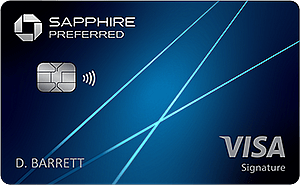 Chase Sapphire Preferred® Card Chase Sapphire Preferred® CardApply Nowon Chase's website on Chase's website | Best for Bonus travel rewards | $95 | 1x-5x | 75,000 points | Apply Nowon Chase's website on Chase's website |
2026 Best balance transfer credit card 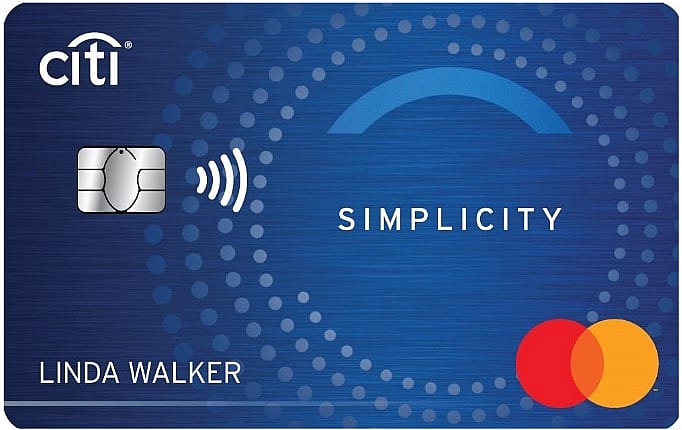 Citi Simplicity® Card Citi Simplicity® CardApply Nowon Citibank's application on Citibank's application | Best for Balance transfers + no late fees | $0 | N/A | N/A | Apply Nowon Citibank's application on Citibank's application |
2026 Best all-purpose cash back credit card Wells Fargo Active Cash® CardApply Nowon Wells Fargo's website on Wells Fargo's website | Best for 2% cash back | $0 | 2% | $200 | Apply Nowon Wells Fargo's website on Wells Fargo's website |
| American Express Platinum Card® Apply Nowon American Express' website on American Express' website | Best for Luxury travel perks | $895 | 1x-5x | As High As 175,000 Points. Find Out Your Offer. | Apply Nowon American Express' website on American Express' website |
2026 Best credit card for groceries Blue Cash Preferred® Card from American ExpressApply Nowon American Express' website on American Express' website | Best for Families & households | $0 intro annual fee for the first year, then $95. | 1%-6% | As High as $300 cash back. Find Out Your Offer. | Apply Nowon American Express' website on American Express' website |
| Discover it® Cash Back - 18 Month Intro Balance Transfer Offer Apply Nowon Discover's website on Discover's website | Best for Long intro period + quarterly categories | $0 | 1%-5% | Cashback Match™ | Apply Nowon Discover's website on Discover's website |
2026 Best premium travel credit card Capital One Venture X Rewards Credit CardApply Nowon Capital One's website on Capital One's website | Best for Travel portal benefits | $395 | 2x-10x | 75,000 miles | Apply Nowon Capital One's website on Capital One's website |
 U.S. Bank Shield™ Visa® Card U.S. Bank Shield™ Visa® CardApply Nowon U.S. Bank's website on U.S. Bank's website | Best for Long intro APR period + side perks | $0 | 4% | N/A | Apply Nowon U.S. Bank's website on U.S. Bank's website |
2026 Best credit card for dining Capital One Savor Cash Rewards Credit CardApply Nowon Capital One's website on Capital One's website | Best for Food and entertainment | $0 | 1%-8% | $250 | Apply Nowon Capital One's website on Capital One's website |
| Capital One Savor Student Cash Rewards Credit Card Apply Nowon Capital One's website on Capital One's website | Best for Going out & staying in | $0 | 1%-8% | $100 | Apply Nowon Capital One's website on Capital One's website |
| Discover it® Cash Back Apply Nowon Capital One's website on Capital One's website | Best for Quarterly categories + matching bonus | $0 | 1%-5% | Cashback Match™ | Apply Nowon Capital One's website on Capital One's website |
What's news this week in credit cards
June 10, 2026: "This week, the Chase Sapphire Preferred® Card unveiled quite a few changes with, shockingly, no change to the card's $95 annual fee. Anyone with the card will get to enjoy new 3X rewards on gas and EV charging, a larger annual credit for hotel stays booked through Chase, a credit covering the TSA PreCheck or Global Entry application fee, a year of Apple TV for free so you can finally see what all the "Severance" fuss is about, and more. The downsides: your Ultimate Rewards® points won't be worth as much when you transfer them to Hyatt, and the card's 10% anniversary bonus is going away."

Sara Rathner
Senior Writer/Spokesperson
More about our picks
Wells Fargo Active Cash® Card
Our pick for: Flat-rate cash back
There's a reason the Wells Fargo Active Cash® Card has been the NerdWallet Best-Of Award winner as the best card for simple cash back every year from 2022 to 2026 (in other words, every year it's been eligible). The uncapped 2% cash back on every purchase is as good as it gets for a $0-annual-fee card with no membership requirements. Add to that the excellent sign-up bonus, an intro APR period and cell phone insurance, and there just isn't much to complain about. As is always the case with any flat-rate card, the simplicity comes with an opportunity cost: Other cards can earn higher rewards in specific categories. And if you need a long time to pay down a major purchase, other cash back cards offer a longer 0% intro APR period. But those are relatively minor quibbles. Read our review of the Wells Fargo Active Cash® Card.
» For higher rewards in everyday categories: Capital One Savor Cash Rewards Credit Card.
Blue Cash Preferred® Card from American Express
Our pick for: Families & households
The Blue Cash Preferred® Card from American Express stands out for its high rewards rates across a range of common household spending categories. NerdWallet has dubbed it the "ultimate family card" for that very reason. The rates it pays at U.S. supermarkets and on select U.S. streaming subscriptions are among the richest of any card on the market, and you also get strong cash back at U.S. gas stations and on transit. If you spend a lot of money in these categories — whether you have a family or not — the card merits serious consideration. Note the key phrase there: "a lot of money." Unlike most cash back cards, this one charges an annual fee, so it's not for those who intend to use it for a few purchases here and there. But if you do have big grocery, commuting or streaming bills, you can break even quickly and start racking up serious cash back. Terms apply. Read our review of the Blue Cash Preferred® Card from American Express.
» For an alternative with no annual fee (terms apply): Blue Cash Everyday® Card from American Express
Discover it® Cash Back
Our pick for: Quarterly categories + matching bonus
The Discover it® Cash Back requires a little more work than other credit cards, but the rewards can justify the extra effort. The card earns 5% cash back in quarterly categories that you activate, on up to $1,500 per quarter in spending, and 1% on other purchases. The "work" comes in tracking and manually opting into the categories online. But those categories have proved to be an excellent fit for a typical household, including major spending areas like grocery stores, restaurants and gas stations, without the super-niche one-offs that sometimes pop up on competing cards (looking at you, Chase Freedom Flex®). Discover also structures its bonus offer differently from other cards. The more you use the card, the bigger your bonus will be, although you do have to wait a year to collect that bonus. Finally, the introductory APR period makes this a good option for financing a large purchase. Read our review of the Discover it® Cash Back.
» For the same rewards but a longer balance-transfer offer: Discover it® Cash Back - 18 Month Intro Balance Transfer Offer
Capital One Savor Cash Rewards Credit Card
Our pick for: Going out & staying in
The Capital One Savor Cash Rewards Credit Card is a perfect fit for many modern families’ spending habits, earning 3% cash back at grocery stores, at restaurants and on popular streaming services and entertainment. It's the rare card with high rewards for both going out (dining and entertainment) and staying in (groceries and streaming). That versatility makes it a solid top-of-wallet card and gives busy young professionals or harried parents one less thing to juggle. The card also pairs well with Capital One's Venture-branded travel cards, as you can transfer your rewards and combine them with Venture miles for greater flexibility in redemption. This is the rare card without a glaring drawback — it has a bonus offer and an introductory APR period, too — but it's worth noting that there are cards with higher rewards on groceries and cards with higher rewards at restaurants. If the bulk of your food spending is at one or the other, rather than both, you might be able to generate more cash back with a different card (see rates and fees). Read our review of the Capital One Savor Cash Rewards Credit Card.
» For higher grocery and dining rewards (but at a cost): American Express® Gold Card.
Chase Freedom Unlimited®
Our pick for: All-around cash back
The Chase Freedom Unlimited® isn't all things to all people, but it is a lot of things to a lot of people, which is why it's so popular — and why it appears on so many of NerdWallet's roundups for the best credit cards in a particular category. It's the rare card that pays uncapped bonus cash back in common spending categories and earns more than 1% cash back on all other spending. (Usually you get one or the other.) It's a good fit for someone looking for one card they can use everywhere. Flexible rewards also make it a good pairing with one of Chase's Sapphire-branded travel cards, and the lengthy 0% introductory APR period gives you a decent option for managing debt. There aren't a lot of drawbacks, but if you don't spend much in the card's bonus categories (restaurants, drugstores, travel booked through Chase), you'd be better off with a flat-rate 2% cash back card. Read our review of the Chase Freedom Unlimited®.
» For a simpler rewards structure: Citi Double Cash® Card
Capital One Venture Rewards Credit Card
Our pick for: Simple travel rewards
The Capital One Venture Rewards Credit Card is hard to beat if you just want a simple, flexible travel card. For a comparatively modest annual fee (see rates and fees), you get a strong rewards rate on all purchases: 2 miles per dollar, rising to 5 miles per dollar for certain bookings through Capital One's travel portal. You also get perks like a credit toward TSA PreCheck or Global Entry. But it's the straightforward redemption process that has made this card so popular — and which has been the cornerstone of this card's marketing for more than a decade. Miles can be redeemed for 1 cent apiece for credit on your statement against travel purchases, allowing you to book travel however you want and then redeem your miles to pay for it, without the restrictions of airline or hotel loyalty programs. (Other issuers have copied this model, but give Capital One credit for popularizing it.) You can also use miles to book travel directly for travel through Capital One (also at 1 cent per mile) or transfer them to one of the issuer's partners. Be advised, however, that the only domestic airline among those partners is JetBlue, as the biggest U.S. airlines have been locked up by other card issuers. And if you want to use your miles for credit against non-travel expenses (as cash back, essentially), they're worth only half as much. Read our review of the Capital One Venture Rewards Credit Card.
» For even more benefits with similar flexibility: Capital One Venture X Rewards Credit Card
Chase Sapphire Preferred® Card
Our pick for: Bonus travel rewards
While premium travel credit cards race toward annual fees of $1,000, the Chase Sapphire Preferred® Card remains an outstanding choice if you’re looking for solid, flexible benefits at a reasonable cost. Although it lacks some of the perks you’d enjoy with higher-end cards — airport lounge access, for example, or credit for TSA PreCheck/Global Entry — you still get a lot for the money. So much value, in fact, that it has been the NerdWallet Best-Of Award winner for best all-purpose travel card from 2023 to 2026. There’s a generous sign-up bonus, plus elevated rewards for travel (especially travel booked through Chase), dining, streaming services and online grocery purchases. The card also offers an annual credit toward hotels booked through Chase, as well as an anniversary point bonus and primary rental car coverage. Points are potentially worth more when you redeem them for travel booked through Chase, or you can transfer them to about a dozen airline and hotel partners. The partner list is especially strong and includes big brands like United, Southwest, JetBlue, Marriott, Hyatt and IHG. But note that all those redemption options can make this a more complicated card to manage. Read our review of the Chase Sapphire Preferred® Card.
» For simpler rewards for a similar price: Capital One Venture Rewards Credit Card
American Express Platinum Card®
Our pick for: Luxury travel perks
The American Express Platinum Card® isn't for everyone. The annual fee is among the highest on any card, and a significant chunk of the card's value lies in an array of travel, lifestyle, entertainment and shopping credits that might appeal to hardcore maximizers but can just look like work to those who are more laid-back. But "not for everyone" doesn't mean "not for anyone." Frequent travelers who enjoy VIP treatment and don't mind putting in some effort can easily make back the $895 annual fee. You can travel in style with extensive lounge access, a yearly airline credit that covers things like checked bag fees and upgraded seats, and credits toward prepaid bookings at select hotels. Plus, the card's statement credits for CLEAR+ and either TSA PreCheck or Global Entry can smooth your way through airport security. On top of its extensive travel benefits, cardholders also get benefits with Resy restaurants, Uber, Equinox, Lululemon, the Oura Ring and more. Note, though, that while the perks are extensive, the rewards are more limited. Some travel earns 5 points per dollar spent, everything else only earns 1 point per dollar. Enrollment required for many benefits; terms apply. Read our review of the American Express Platinum Card®.
» For higher spending rewards and a lower annual fee: American Express® Gold Card.
Chase Sapphire Reserve®
Our pick for: Bonus rewards + high-end perks
For its high annual fee, the Chase Sapphire Reserve® packs a lot of potential value — a big sign-up bonus, elevated rewards on travel and dining purchases, and travel perks such as airport lounge access and a credit toward TSA PreCheck or Global Entry. Points are potentially worth more when you redeem them for travel booked through Chase, or you can transfer them to about a dozen airline and hotel programs, with a strong roster of partners that includes big domestic airlines and hotel credits. The flexible annual travel credit will easily take a big bite out of the annual fee, but chipping away at the rest of the cost involves a laundry list of credits toward purchases with specific merchants. If these were purchases you were going to make anyway, then they elevate the card's utility and value. If not, you may find it difficult to get enough out of the card to justify the big fee. Ultimately, frequent travelers who can use at least some of the credits stand to get the most out of this card. If you don't travel all that much, it will be hard to justify the fee. Read our review of the Chase Sapphire Reserve®.
» For a high-end experience with greater simplicity: Capital One Venture X Rewards Credit Card
Capital One Venture X Rewards Credit Card
Our pick for: Travel portal benefits
Despite its seemingly high $395 annual fee, it's easy to get a lot of value out of the Capital One Venture X Rewards Credit Card (see rates and fees). That's why it beat out an array of flashier, pricier cards to be the best premium travel credit card in the 2025 and 2026 NerdWallet Best-Of Awards. Between a $300 annual credit toward travel booked through Capital One and an anniversary bonus worth at least $100, you can more than offset the card’s cost without a lot of work — and without needing the coupon-style credits that so many of its competitors are loaded up with. And that’s before you factor in other travel perks and the card’s sign-up bonus. You’ll earn 2 miles per dollar on purchases and 5-10 miles per dollar on certain travel bookings through Capital One. You have the same flexible redemption options that made the original Venture card so popular: a statement credit to cover recent travel purchases, booking travel through Capital One, or transferring miles to one of Capital One’s airline or hotel partners. All that said, this card does have its drawbacks and blind spots. Much of its value is tied to using the issuer's travel portal; if you prefer to book direct, you'll have to compromise or leave money on the table. Capital One doesn't have a major U.S. airline partner, so JetBlue is your only domestic option. And the comparative lack of "coupon" credits cuts both ways: Sure, you won't be stuck with benefits you won't use, but a lot of people do get value out of at least some of them. Read our review of the Capital One Venture X Rewards Credit Card.
» For more U.S. airline partners: Chase Sapphire Reserve®
Wells Fargo Reflect® Card
Our pick for: Longest Intro APR period for transfers and purchases
The value proposition on the Wells Fargo Reflect® Card is about as simple as it gets: an introductory APR period of almost two years for both purchases and balance transfers, which is one of the lengthiest breaks from interest offered by any major card issuer. The promotional rate for transfers is good for 120 days from the time you open the account; that's a longer window than on some competing cards, which might offer only 60 days. On the other hand, the balance transfer fee on this card is on the high end of the typical range. Like most cards in its class, it doesn't offer many compelling reasons to keep using it once the intro APR period ends. There are no rewards, no significant perks beyond cell phone insurance, and no bonus offer. If you don't actually need 21 months to eliminate your debt, a cash back card with a shorter 0% promotion might be a better alternative. But if your aim is as much 0% as you can get, it's a good choice. Read our review of the Wells Fargo Reflect® Card.
» For a lower intro balance transfer fee: Citi Simplicity® Card.
Citi Simplicity® Card
Our pick for: Balance transfers + no late fees
We crowned the Citi Simplicity® Card as the best balance transfer credit card in the NerdWallet Best-Of Awards for both 2025 and 2026 because of the length of its intro APR period, its low introductory balance transfer fee and its forgiveness features. The structure of the introductory APR offer has since changed, however. It used to be 21 months for balance transfers and 12 months for purchases; now it's 18 months for each. That makes it slightly worse for transfers but significantly better for purchases, and in the end it remains a strong card overall. What hasn't changed is the low intro fee and the fact that the card doesn’t charge late fees or assess a penalty APR for late payments. Of course, you’ll want to strive for consistent on-time payments for the sake of your credit score, but life happens, and it’s nice to know this card won’t kick you when you're down. But because it doesn’t earn rewards or offer perks, its utility will likely run out after you’ve used it to pay down debt. Read our review of the Citi Simplicity® Card.
» For a long 0% period on purchases, plus rewards: Chase Freedom Unlimited®
Discover it® Cash Back - 18 Month Intro Balance Transfer Offer
Our pick for: Long intro period + quarterly categories
The Discover it® Cash Back - 18 Month Intro Balance Transfer Offer is the rare card with a long introductory APR period for balance transfers and a robust rewards program, meaning it continues to hold value after that intro period ends. It's really just a variation on Discover's flagship cash back card. It has the same rewards as the regular card, the same bonus offer, really the same everything — except for the APR offer. There are a couple of things to be aware of, though. The rewards require some work, as you have to track and activate quarterly bonus categories, and there's a spending cap on the highest rewards rate. And the intro APR period for purchases is considerably shorter than the one for transfers. When intro APR periods are mismatched like that, it can mean you have no grace period on purchases when you are still carrying a transferred balance. So the smart move may be to wait until you've paid off any transfers before putting purchases on it. Read our review of the Discover it® Cash Back - 18 Month Intro Balance Transfer Offer.
» For the same rewards but a different intro APR offer: Discover it® Cash Back
U.S. Bank Shield™ Visa® Card
Our pick for: Longest intro APR period + side perks
While primarily a card for paying down debt, the U.S. Bank Shield™ Visa® Card adds a few perks that might push it ahead of its rivals. In addition to its lengthy 0% intro APR period for purchases and balance transfers, the card offers cell phone insurance, an annual statement credit after making a purchase in 11 consecutive months, and 4% back on certain travel booked through U.S. Bank’s Rewards Center. Sure, none of those perks are groundbreaking, but other cards in its class have almost nothing to offer beyond their 0% period. (Tip: Put a subscription on the card, set the card to autopay and that annual credit becomes automatic.) If all you're looking for is the longest possible break from interest, then you've read as far as you need to. But if you aren't going to need more than a year or so to pay down your debt, consider a card with a shorter intro APR period plus rewards that give it greater lasting value (or even a sign-up bonus for immediate value). Read our review of the U.S. Bank Shield™ Visa® Card.
» For a long break from interest and low balance transfer fee: Citi Simplicity® Card.
Capital One Savor Student Cash Rewards Credit Card
Our pick for: Nightlife for students
The Capital One Savor Student Cash Rewards Credit Card is a strong choice for students in college or other post-secondary education. Features that make it a great starter card include a $0 annual fee (see rates and fees), payments being reported to all three major credit bureaus, and automatic reviews for a higher credit line in as little as six months. The spending rewards, up to 3% cash back in categories that include restaurants and grocery stores, are the same as on the regular Savor cards for people with good to excellent credit. (They might not be a good fit for everyone, though.) As with Capital One's other student card, accessibility is something of a question mark. Some competing cards for those building credit are very clear that people with no credit history are welcome to apply; others don't run a credit check. Read our review of the Capital One Savor Student Cash Rewards Credit Card.
» For simpler rewards: Capital One Quicksilver Student Cash Rewards Credit Card
A beginner's guide to credit cards
The idea behind credit cards is simple: When you use a credit card, you are borrowing money to pay for something. Later on, you must repay what your borrowed. If you take time to pay it back (rather than pay it in full when your credit card statement comes), you'll be charged interest. The whole credit cards industry rests on this basic premise.
How credit cards work
A basic credit card transaction works like this:
1. You use your card.
You use your card at the cash register by running it through a card reader (or, if you're online, you enter your card information on the checkout page).
2. The purchase is authorized.
The card reader contacts your credit card company to make sure the card is valid for the purchase amount. Assuming everything is OK, the transaction is authorized.
3. The merchant gets paid.
The bank that issued your credit card sends money for the purchase to the merchant where the transaction took place.
4. You pay.
The transaction shows up on your credit card statement, and you repay the bank for the purchase.
» MORE: What is a credit card?
How credit card rewards work
Many of the best credit cards of 2026 give you rewards for your spending. Rewards programs come in two basic flavors (cash back and points/miles), with two basic structures (flat rate and bonus rewards).

Cash back
You can use cash back to directly reduce your balance. In some cases, you can have your cash back deposited in a bank account or sent to you as a check.

Points or miles
Points and miles can be redeemed for travel, gift cards, merchandise or other things. You may also have the option of redeeming points for credit on your statement, just like cash back.

Flat rate
You get the same rewards rate on all spending done with the card, regardless of what you spend money on. You might get 2 points per dollar on all purchases, or 1.5% cash back on everything.

Bonus rewards
You earn a base rate on all spending (typically 1 point per dollar or 1% cash back) and then higher rates in certain categories — 5% cash back at gas stations, for example, or 3 points per dollar spent on travel.
Many credit card users carry multiple cards with bonus rewards in different categories, plus a flat-rate card for purchases that fall outside those categories.
Different types of credit cards
Credit card companies in 2026 offer different kinds of cards to meet different consumer needs. Some people put a lot of money on their cards every month and then pay them off immediately; those people benefit from a card that returns a portion of their spending in the form of rewards. Others tend to carry a balance from month to month; they're better served with a card that offers a low ongoing interest rate. Still others are working to improve their credit; issuers have cards designed for those people, too.
Rewards credit cards
Interest-saving credit cards
Credit-building credit cards
Choosing the best credit card for you in 2026
If you're a beginner to credit cards, see our step-by-step guide to choosing a credit card. It starts by helping you figure out what cards you can qualify for, then walks you through deciding what kind of card best fits your needs. The process in short:
- 1.Check your credit
The higher your credit score, the more likely you are to qualify for the best credit cards of 2026. NerdWallet offers free access to credit scores.




Comparing credit card features
Every credit card delivers value in its own way, through its own unique combination of features. And there are trade-offs involved. If you want rewards, for example, you'll probably have to accept a higher interest rate. If you want high-value perks, you'll likely pay an annual fee. If you want a low interest rate and no fees, you shouldn't expect much else from the card. In other words, you're unlikely to find a single card that offers a high rewards rate, a long 0% period, a rock-bottom ongoing interest rate, generous perks and no annual fee.
Here are the main points of comparison when looking at credit cards.
Annual fee
Introductory interest rate
Ongoing interest rate
Rewards
Sign-up bonus
Perks
Credit-building help
How many credit cards should you have?
Just as there is no single best credit card for everyone, there is no perfect number of credit cards to have. It depends on your needs and how much effort you want to put into managing your credit cards.
There's no limit to how many cards you can have. Each lender evaluates your credit on its own term, but there's no hard limit where you have "too many cards."
You don't need to have multiple cards to maintain good credit score. Credit scoring formulas tend to reward you for having different types of accounts — credit cards, mortgages, loans, etc. — but it's not necessary to have multiple accounts of each type. One credit card, responsibly managed, is enough.
Advantages of carrying multiple cards

One card may pay you a higher rewards rate on groceries. Another may reward you handsomely at restaurants, or on gas purchases, or for spending on travel. Having multiple cards allows you to maximize your total rewards.
Some cards are more widely accepted than others. It’s good to have a backup in situations where one card isn’t accepted. Additionally, if a card is lost, stolen or compromised, you'll have another option while you wait for a replacement.
A key factor in your credit score is your credit utilization, or how much of your available credit you're using. Ideally, you’ll want to keep utilization below 30%. If you have a $500 balance on a card with a $1,000 limit, your utilization is 50%. If you have $500 in balances spread across three cards with limits of $1,000 each, your utilization about is 17%.
Risks of carrying multiple cards

The more cards you have, the harder it is to remember how much you’ve spent on which card.
Multiple due dates increase the risk of missing a payment, which can trigger a late fee or (if it's late enough) even damage your credit.
Frequently asked questions
What's the best credit card?
No single credit card is the best for everyone. It all depends on how you use credit and how strong your credit is.
A rewards credit card gives you a little something back with each purchase you make — usually cash back or travel points or airline miles. These cards are best for people who can pay their credit card bill in full each month. If you carry a balance from one month to the next, the interest you pay will eat up the value of your rewards.
A zero-percent credit card is ideal if you're looking to finance a big purchase or pay down high-interest debt by way of a balance transfer. If you tend to carry a balance month to month, look for a card with low ongoing interest rate.
A credit-building card is designed for people who are just starting out with credit or are trying to bounce back from damaged credit. Rewards cards and zero-percent cards are available mostly to people with good to excellent credit; for those who aren't there yet, there are credit-building cards. There are options for bad credit, for fair or average credit and for people with no credit history.
What's the easiest credit card to get?
Secured credit cards require you to provide a cash security deposit to open an account. Because that deposit protects the card company from risk, secured cards are much easier to qualify for than other cards. You're not guaranteed approval for a secured card, but the bar is much lower than for regular cards. Store credit cards are also generally easier to qualify for than bank cards.
What's the best credit card company?
Just as there is no single best card for everyone, consumers have widely different opinions about the best (and worst) credit card issuers. One person could get the runaround from customer service rep and rate a bank zero stars as a result, while another has nothing but positive experiences and gives it five stars across the board. Still, some trends emerge in customer satisfaction surveys.
J.D. Power conducts an annual study of satisfaction among major national and regional credit card issuers. It regularly rates Discover and American Express at the top among mass-market issuers. In the most recent study, USAA and Navy Federal Credit Union had the highest ratings of all, but keep in mind that only people affiliated with the military are eligible for USAA or Navy Federal products.
How we choose the best credit cards
Our team of credit card experts has developed a rigorous methodology to determine how much value a card delivers and how it stacks up against its competitors.
400+
Cards reviewed

400+
Cards reviewed
NerdWallet’s experts have reviewed more than 400 cards, from the most popular options at the biggest banks to store cards to niche cards from startups and small issuers.
8
Categories scored

8
Categories scored
Credit cards are so diverse that properly rating them with a single formula is impossible. We’ve built eight rubrics, plus variations, so we can score each card on what matters.
50+
Data points analyzed

50+
Data points analyzed
Our ratings consider not just a card’s rates, fees, rewards and perks, but also how easy or hard it is to get that card, manage it and enjoy its advertised benefits.
Star rating categories
What you want out of, say, a cash back credit card is fundamentally different from what you’re looking for in a balance transfer card or a card for building credit. That’s why we have different scoring models that put weight on different features.
Cash back cards
General travel cards
Balance transfer cards
Branded airline cards
Branded hotel cards
Credit builder cards
College student cards
Small business cards
Cash back cards
Our formula looks at how much cash back you could expect to earn from typical household spending. We consider rewards rates and categories, bonus offers and the cash value of other benefits, as well as any annual fee. The rating is also influenced by the complexity of the rewards structure.
General travel cards
We consider how many points you could expect to earn from typical household spending, along with per-point values and redemption options. We add in the cash value of bonus offers and other benefits, subtract annual fees and other costs, and take into account the complexity of the rewards structure.

Balance transfer cards
Our balance transfer rubric calculates how much money a card could save you with a low or 0% interest rate. Primary factors include the length and structure of the introductory APR period and the balance transfer fee. We also consider long-term value, such as whether the card offers rewards.

Branded airline cards
We calculate how many miles you could expect to earn from typical household spending and what those miles are worth based on our valuations. We add in the cash value of bonus offers and perks such as free checked bags and lounge access, and we subtract annual fees and other costs.

Branded hotel cards
We calculate how many points you could expect to earn from typical household spending and what those points are worth based on our valuations. We add in the cash value of bonus offers and perks such as free nights and automatic elite status, and we subtract annual fees and other costs

Credit builder cards
Our rubric focuses on accessibility (such as whether a credit check is required), out-of-pocket costs (such as annual fees or minimum security deposits), credit-building features (such as bureau reporting and access to a free credit score) and upgrade options when you’re ready to move on.

College student cards
Our formula calculates the rewards you could expect to earn on spending typical for a college student and takes into account the cash value of bonus offers and other benefits. Accessibility to students without established credit is a key consideration, as is the effort required to manage the card.

Small business cards
Our star ratings criteria for small business credit cards are similar to those for consumer cards, although they account for potentially higher spending levels and higher credit limits, as well as rewards structures and bonus categories tailored specifically to entrepreneurs and business operators.

NerdWallet's Credit Cards team selects the best credit cards in various categories based on overall consumer value, as evidenced by star ratings, as well as their suitability for specific kinds of consumers. Factors in our evaluations include fees, promotional and ongoing APRs, and sign-up bonuses; for rewards cards, we consider earning and redemption rates, redemption options and redemption difficulty. Because different consumers can have markedly different needs, preferences and spending habits, we recognize that there is rarely a single credit card that is "best" for everyone. That's why this page includes a variety of options to suit an array of circumstances. Also, a single card is eligible to be chosen as among the "best" in multiple categories.
Our star ratings provide a quick way to compare credit cards. We assess the features of a card, score those features according to how they compare with other options on the market, and assign the card a rating of 1 to 5 stars based on those features. In general, a card that rates 4.5 stars will be a better value for more people than a card that rates 4.0 stars. However, the 4.0 card might be better than the 4.5 card for an individual consumer depending on that person’s circumstances. Further, ratings are only comparable within categories. If you're looking for rewards, for example, a 3.5-star cash back card will be of greater value than a 5.0-star balance transfer card or a 4.5-star credit-builder card. Star ratings are an important consideration in which cards appear on our "best" pages, but they are not the sole determining factor. Learn how NerdWallet rates credit cards.
