

Every time.
We believe everyone should be able to make financial decisions with confidence. While we don't cover every company or financial product on the market, we work hard to share a wide range of offers and objective editorial perspectives.
So how do we make money? Our partners compensate us for advertisements that appear on our site or when you click to or take an action on their website. This compensation helps us provide tools and services - like free credit score access and monitoring. With the exception of mortgage, home equity and other home-lending products or services, partner compensation is one of several factors that may affect which products we highlight and where they appear on our site. Other factors include your credit profile, product availability and proprietary website methodologies.
However, these factors do not influence our editors' opinions or ratings, which are based on independent research and analysis. Our partners cannot pay us to guarantee favorable reviews. Here is a list of our partners.
15 Best Travel Credit Cards of October 2026


The best travel credit card is one that brings your next trip a little closer every time you use it. Purchases earn points or miles you can use to pay for travel. If you're loyal to a specific airline or hotel chain, consider one of its branded credit cards. Otherwise, check out our picks for general-purpose travel cards that give you flexible rewards without the restrictions and blackout dates of branded cards.
Read MoreShow Less
What matters most in a travel credit card
A travel credit card is valuable only if it meaningfully improves your travel experience. That could mean making travel cheaper, making it more comfortable or giving yourself greater flexibility. So choosing a travel card starts with deciding what you want out of it in terms of rewards (the points you get when you spend with the card), perks (benefits you get just for owning the card) and credits (reimbursements for purchases in specific categories or with specific merchants). You can narrow your choices considerably with just a little contemplation.
Annual fees on popular travel cards range from $0 to nearly $1,000. As you’d expect, the more you pay, the more value you can get. But travel cards, especially the more expensive ones, are becoming increasingly complex, laden with coupon-style credits that require you to do some work to derive maximum value. So when evaluating a card’s benefits, consider whether those benefits will suit your current lifestyle or whether you’d have to change your lifestyle (that is, spend more money) to accommodate them.
Probably most important, for a travel credit card to make sense, you have to travel. Not just have a vague desire to travel, but actually pack your bags and travel. And you should do so often enough that the card has a chance to earn its keep. Be realistic with yourself. People who rarely travel are often better off getting a cash back card and using those rewards to pay for a trip.
How NerdWallet picked these travel credit cards
There are as many different travel styles as there are travelers, so there is no single “best” travel credit card for everyone. For this page, we selected outstanding cards that appeal to broad segments of consumers — from fee-averse budget travelers to the fly-like-a-VIP crowd — and we identified circumstances for which each card is best suited. Everyone should be able to find one or more options that meet their needs, but we recognize that everyone will also see options that aren’t for them. That’s the nature of travel credit cards. Learn more about our picks or see more about our methodology.
Expert tip: Choosing a travel credit card
Sally French, lead travel writer and co-host of NerdWallet's Smart Travel podcast: “Too many people get stuck on rewards rates when the sign-up bonus and perks matter far more, especially in your first year. A card offering 80,000 points upfront (which can sometimes be worth around $1,000, depending on how you value the points) will outperform a slightly higher rewards rate for years. That said, don’t get so distracted by the big bonus number that you ignore the spending required to earn it. If you end up carrying a balance because you can’t afford the spending, the interest can quickly erase your bonus. Never increase your spending just to hit a bonus. The smart move is to time your application around legitimate big purchases.”
| Credit card | Rating | Annual fee | Rewards rate | Intro offer | Learn more |
|---|---|---|---|---|---|
2026 Best all-purpose travel rewards credit card  Chase Sapphire Preferred® Card Chase Sapphire Preferred® CardApply Nowon Chase's website on Chase's website | Best for Max flexibility + big bonus | $95 | 1x-5x | 75,000 points | Apply Nowon Chase's website on Chase's website |
 Capital One Venture Rewards Credit Card Capital One Venture Rewards Credit CardApply Nowon Capital One's website on Capital One's website | Best for Flat-rate rewards | $95 | 2x-5x | $300 + 75,000 Miles | Apply Nowon Capital One's website on Capital One's website |
2026 Best premium travel credit card  Capital One Venture X Rewards Credit Card Capital One Venture X Rewards Credit CardApply Nowon Capital One's website on Capital One's website | Best for Travel portal benefits | $395 | 2x-10x | 75,000 miles | Apply Nowon Capital One's website on Capital One's website |
 Capital One VentureOne Rewards Credit Card - Miles Boost Capital One VentureOne Rewards Credit Card - Miles BoostApply Nowon Capital One's website on Capital One's website | Best for Flat-rate rewards + no annual fee | $0 | 1.25x-5x | 40,000 miles | Apply Nowon Capital One's website on Capital One's website |
2026 Best travel card with no annual fee 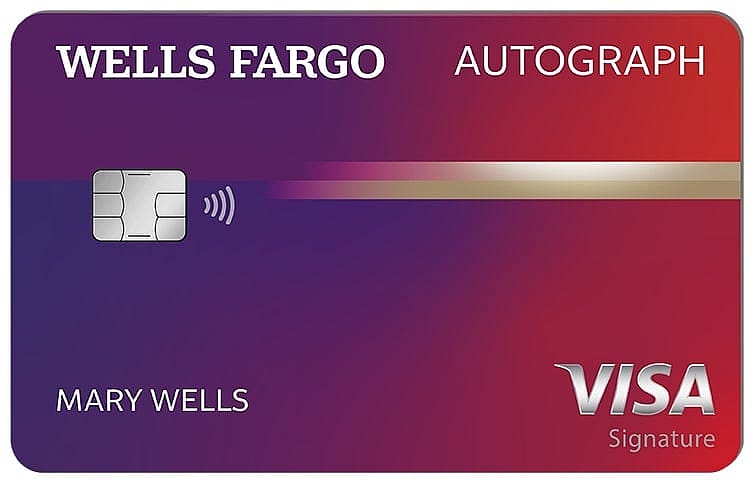 Wells Fargo Autograph® Card Wells Fargo Autograph® CardApply Nowon Wells Fargo's website on Wells Fargo's website | Best for Bonus rewards + no annual fee | $0 | 1x-3x | 20,000 points | Apply Nowon Wells Fargo's website on Wells Fargo's website |
 Chase Sapphire Reserve® Chase Sapphire Reserve®Apply Nowon Chase's website on Chase's website | Best for Bonus rewards + high-end perks | $795 | 1x-8x | 100,000 points | Apply Nowon Chase's website on Chase's website |
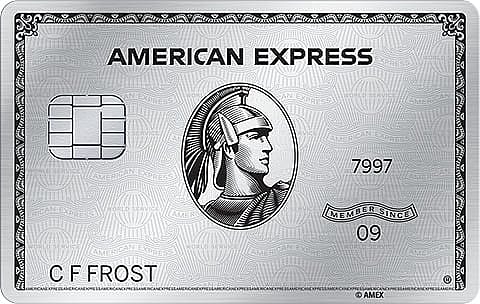 American Express Platinum Card® American Express Platinum Card®Apply Nowon American Express' website on American Express' website | Best for Luxury travel perks | $895 | 1x-5x | As High As 175,000 Points. Find Out Your Offer. | Apply Nowon American Express' website on American Express' website |
 Chase Freedom Unlimited® Chase Freedom Unlimited®Apply Nowon Chase's website on Chase's website | Best for Cash back for travel bookings | $0 | 1.5%-5% | $200 | Apply Nowon Chase's website on Chase's website |
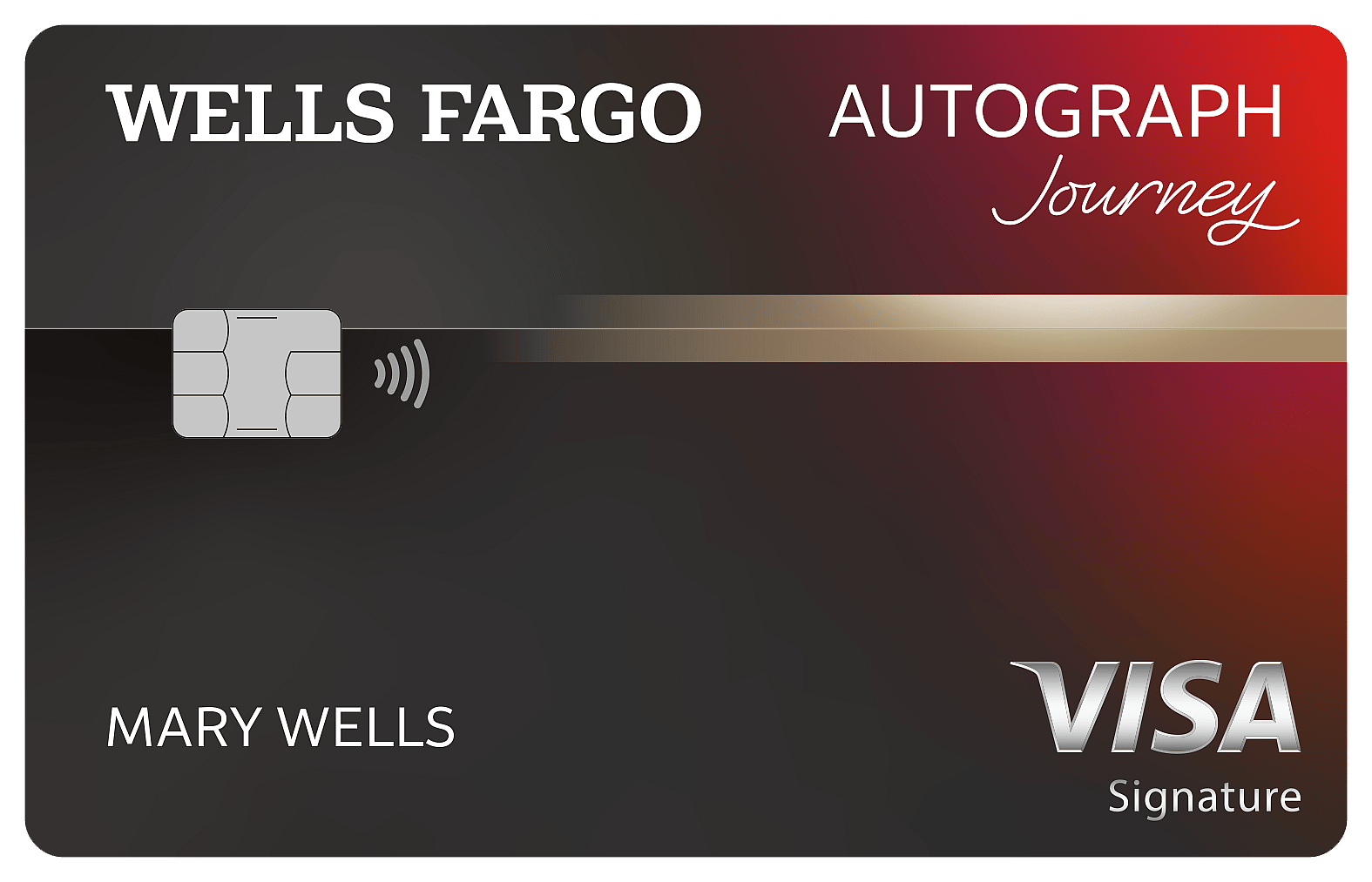 Wells Fargo Autograph Journey® Card Wells Fargo Autograph Journey® CardApply Nowon Wells Fargo's website on Wells Fargo's website | Best for Booking directly with airlines/hotels | $95 | 1x-5x | 60,000 points | Apply Nowon Wells Fargo's website on Wells Fargo's website |
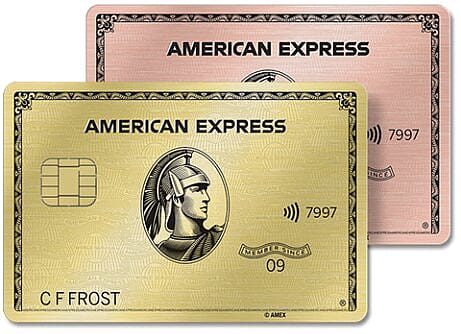 American Express® Gold Card American Express® Gold CardApply Nowon American Express' website on American Express' website | Best for Big rewards on everyday spending | $325 | 1x-5x | As High As 100,000 Points. Find Out Your Offer. | Apply Nowon American Express' website on American Express' website |
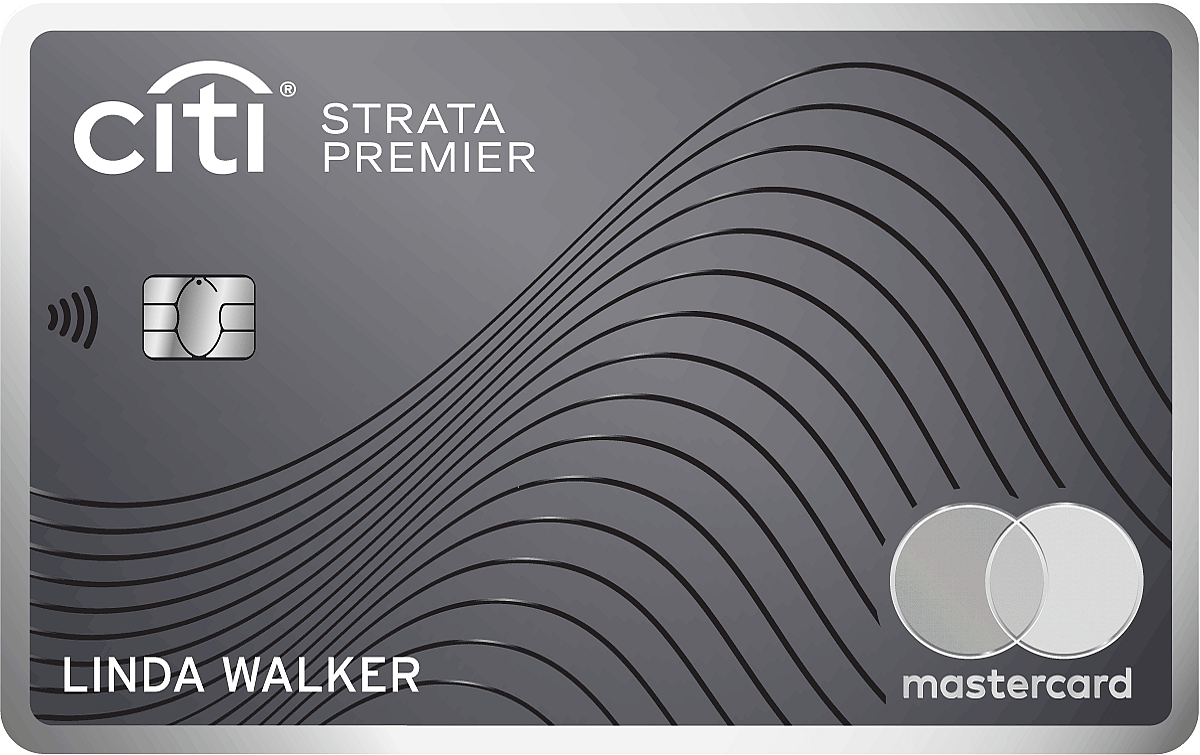 Citi Strata Premier® Card Citi Strata Premier® CardApply Nowon Citibank's application on Citibank's application | Best for Triple points on multiple categories | $95 | 1x-10x | 60,000 points | Apply Nowon Citibank's application on Citibank's application |
2026 Best hotel credit card  Marriott Bonvoy Boundless® Credit Card Marriott Bonvoy Boundless® Credit CardApply Nowon Chase's website on Chase's website | Best for Best hotel card | $95 | 2x-17x | 3 Free Night Awards | Apply Nowon Chase's website on Chase's website |
 Capital One Venture X Business Capital One Venture X BusinessApply Nowon Capital One's website on Capital One's website | Best for Business travelers | $395 | 2x-10x | 150,000 miles | Apply Nowon Capital One's website on Capital One's website |
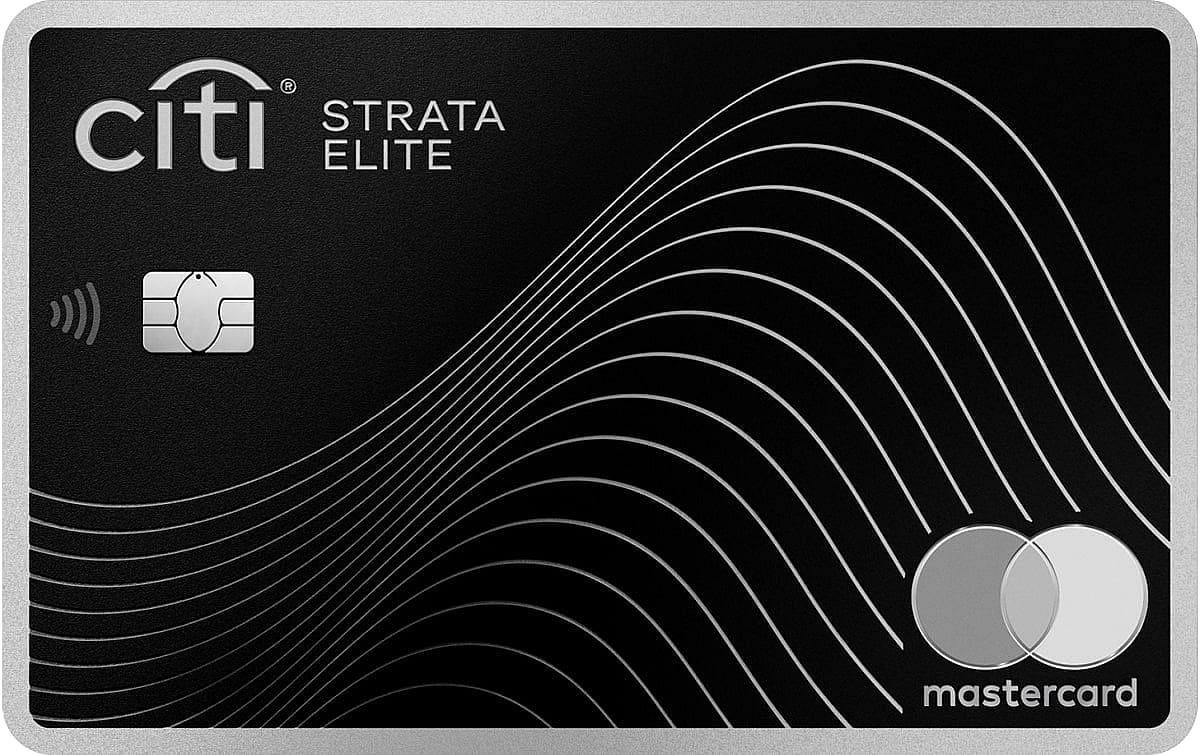 Citi Strata Elite℠ Card Citi Strata Elite℠ CardApply Nowon Citibank's application on Citibank's application | Best for American Airlines loyalists | $595 | 1.5x-12x | 75,000 points | Apply Nowon Citibank's application on Citibank's application |
 PenFed Pathfinder® Rewards Visa Signature® Card PenFed Pathfinder® Rewards Visa Signature® Card | Best for Credit union benefits | $95 | 1.5x-4x | 50,000 points |
2026 Best all-purpose travel rewards credit card
Annual fee$95Rewards rate1x-5xPointsIntro offer75,000pointsRegular APR19.24%-27.49% Variable APRRecommended credit scoreRewards breakdown
5xPoints on travel purchased through Chase Travel℠.3xPoints on dining.3xPoints on vacation homes.3xPoints on on gas & EV charging.3xPoints on top streaming services.3xPoints on online groceries (excluding Walmart, Target, and wholesale clubs).2xPoints on all other travel purchases.1xPoint on all other purchases.Card details
- Earn 75,000 bonus points after you spend $5,000 on purchases in the first 3 months from account opening.
- Enjoy benefits such as 5x on travel purchased through Chase Travel℠, 3x on dining, 3x on vacation homes, 3x on gas & EV charging, 3x on top streaming services and online groceries (excluding Walmart, Target, and wholesale clubs), 2x on all other travel purchases, 1x on all other purchases
- Earn up to $100 in statement credits each account anniversary year for hotel stays through Chase Travel
- Count on Trip Cancellation/Interruption Insurance, Auto Rental Collision Damage Waiver, Emergency Evacuation and Transportation and more
- Get a year of complimentary Apple TV when activated by December 31, 2026 - a value of $156.
- Complimentary DashPass which unlocks $0 delivery fees & lower service fees for 12 months when you activate by 12/31/27. Plus, a $10 promo each month on non-restaurant orders.
- Receive one statement credit of up to $120 every four years as reimbursement for the application fee charged to your card for a Global Entry, TSA Precheck® or NEXUS application.
- Transfer points to leading airline and hotel loyalty programs
- Member FDIC
- View Rates & Fees
NerdWallet's take
With a strong bonus offer and flexible rewards, the Chase Sapphire Preferred® Card has long been recognized as an outstanding option, whether you're a seasoned traveler or just getting into the points game. Its value intensifies if you transfer rewards to it from other Chase cards. You won't get the kind of VIP perks that come with higher-priced premium cards or brand-specific airline or hotel cards, but the benefits you do enjoy are more than enough to justify the annual fee.
Nerd insight: "This was the card that got me into the points-and-miles game. I opened it when planning my wedding and turned catering deposits into a big sign-up bonus to put toward a honeymoon in Maui. I probably didn't "optimize" points as well as I would now, but this card is forgiving for award travel newbies." —Sara Rathner, NerdWallet credit cards writer/spokesperson
Read full reviewProsRewards: 5X points on travel booked through Chase and 2X on other travel; 3X on dining and online grocery delivery (not including Target, Walmart and wholesale clubs); 3X on streaming services; 3X on gas and EV charging; 3X on vacation homes booked directly with brands like Airbnb and VRBO; and 1X on other purchases.
Bonus offer: Earn 75,000 bonus points after you spend $5,000 on purchases in the first 3 months from account opening.
Points can be worth more when you redeem them for travel booked through Chase.
Get up to $100 in statement credit each account anniversary year for hotel stays booked through Chase.
Points can also be transferred to multiple airline and hotel programs.
ConsChase's no-annual-fee cash back cards now offer competitive rewards on dining and some travel when compared to the Chase Sapphire Preferred® Card. However, those cards don't offer the enhanced redemption value and point-transfer options, and they also charge foreign transaction fees.
There's an annual fee of $95.
- Bonus worth over $1,000 in travel
Our pick for: Flat-rate rewards
Apply Nowon Capital One's websiteon Capital One's websiteAnnual fee$95Rewards rate2x-5xMilesIntro offer$300 + 75,000 MilesRegular APR19.74%-28.74% Variable APRRecommended credit scoreRewards breakdown
5xEarn 5X miles on hotels, vacation rentals and rental cars booked through Capital One Travel.2xMiles on every purchase, every day.Card details
- LIMITED-TIME OFFER: Enjoy $300 to use on hotel and vacation rental bookings through Capital One Travel in your first cardholder year, plus earn 75,000 bonus miles once you spend $4,000 on purchases within the first 3 months from account opening – that’s more than $1,000 in travel value
- Earn unlimited 2X miles on every purchase, every day
- Earn 5X miles on hotels, vacation rentals and rental cars booked through Capital One Travel
- Miles won't expire for the life of the account and there's no limit to how many you can earn
- Receive up to a $120 credit for Global Entry or TSA PreCheck®
- Use your miles to get reimbursed for any travel purchase—or redeem by booking a trip through Capital One Travel
- Enjoy a $50 experience credit and other premium benefits with every hotel and vacation rental booked from the Lifestyle Collection
- Transfer your miles to your choice of 15+ travel loyalty programs
- Top rated mobile app
- View Rates & Fees
NerdWallet's take
Simple rewards, flexible redemption and a moderate annual fee have rightly made the Capital One Venture Rewards Credit Card one of the most popular travel credit cards on the market. Its value proposition is straightforward: Earn miles on purchases, and then redeem those miles to pay for any travel. That makes it a low-hassle alternative to the murky point values and complex redemption rules of branded airline and hotel cards.
Nerd insight: "This is the card I recommend to friends who aren’t loyal to one airline or hotel brand and who are new to travel rewards optimizing. It was my first travel credit card for these reasons. It has a simple and uncomplicated rewards structure and straightforward redemption options. Plus, its annual fee is manageable if you don’t have the budget to pay for a pricier card." —Funto Omojola, NerdWallet credit cards writer
Read full reviewProsRewards: 5X miles on hotels, vacation rentals and car rentals booked through Capital One Travel; 2X miles on everything else.
Bonus offer: LIMITED-TIME OFFER: Enjoy $300 to use on hotel and vacation rental bookings through Capital One Travel in your first cardholder year, plus earn 75,000 bonus miles once you spend $4,000 on purchases within the first 3 months from account opening – that’s more than $1,000 in travel value.
Miles can be redeemed to cover past travel expenses or to book travel through Capital One Travel. You can also transfer miles to one of Capital One’s travel partners.
Receive credit for the application fee for TSA PreCheck or Global Entry.
The $95 annual fee is modest compared with what you might pay for other travel cards that provide similar benefits.
ConsYou can find cards that earn 2% rewards on most purchases for no annual fee.
Capital One has only a handful of domestic transfer partners.
The card lacks some of the benefits offered by other travel cards, such as airport lounge access.
2026 Best premium travel credit card
Apply Nowon Capital One's websiteon Capital One's websiteAnnual fee$395Rewards rate2x-10xMilesIntro offer75,000milesRegular APR19.74%-28.74% Variable APRRecommended credit scoreRewards breakdown
10xMiles on hotels and rental cars booked through Capital One Travel.5xMiles on flights and vacation rentals booked through Capital One Travel.2xMiles on all other purchases.Card details
- Earn 75,000 bonus miles when you spend $4,000 on purchases in the first 3 months from account opening, equal to $750 in travel
- Receive a $300 annual credit for bookings through Capital One Travel, where you'll get Capital One's best prices on thousands of trip options
- Get 10,000 bonus miles (equal to $100 towards travel) every year, starting on your first anniversary
- Earn unlimited 10X miles on hotels and rental cars booked through Capital One Travel and 5X miles on flights and vacation rentals booked through Capital One Travel
- Earn unlimited 2X miles on all other purchases
- Enjoy access to 1,300+ lounges worldwide, including Capital One Lounge and Landing locations and participating Priority Pass™ lounges, after enrollment
- Use your Venture X miles to easily cover travel expenses, including flights, hotels, rental cars and more—you can even transfer your miles to your choice of 15+ travel loyalty programs
- Enjoy a $100 experience credit and other premium benefits with every hotel and vacation rental booked from the Premier Collection
- Receive up to a $120 credit for Global Entry or TSA PreCheck®
- Top rated mobile app
- View Rates & Fees
NerdWallet's take
The most affordable card in the premium travel space, the Capital One Venture X Rewards Credit Card can deliver terrific benefits — provided you're willing to do your travel spending through the issuer's online booking portal. Do that, and you'll unlock an annual credit that makes up for the bulk of your annual fee. (The anniversary bonus takes care of the rest.) The card also gets you into Priority Pass lounges and Capital One's own airport lounges.
Nerd insight: "This is one of those cards with a high annual fee — but it's an annual fee that's relatively easy to justify. ... Even if you don't go the transfer partner route and just use your points to book travel through Capital One, take solace in knowing that the bank's travel portal is better designed than similar portals from other competitors." —Sally French, NerdWallet travel writer/spokesperson
Read full reviewProsRewards: 10X miles on hotels and rental cars booked through Capital One Travel; 5X miles on flights and vacation rentals booked through Capital One Travel; 2X miles on other purchases.
Miles can be redeemed to cover past travel expenses or to book travel through Capital One. You can also transfer miles to one of Capital One’s travel partners.
Bonus offer: Earn 75,000 bonus miles when you spend $4,000 on purchases in the first 3 months from account opening, equal to $750 in travel.
Travel perks chip away at the high annual fee, including a $300 annual credit for bookings in the portal, a 10,000-mile annual bonus, airport lounge access and a credit for the application fee for Global Entry or TSA PreCheck.
ConsIf you prefer to book directly with hotels or airlines, rather than through a portal like Capital One's, you won’t get as much value out of this card to offset the $395 annual fee.
Capital One has only a handful of domestic transfer partners.
Our pick for: Flat-rate rewards + no annual fee
Apply Nowon Capital One's websiteon Capital One's websiteAnnual fee$0Rewards rate1.25x-5xMilesIntro offer40,000milesRegular APR18.74%-28.74% Variable APRRecommended credit scoreRewards breakdown
5xMiles on hotels, vacation rentals and rental cars booked through Capital One Travel.1.25xMiles on every purchase, every day.Card details
- Earn a bonus of 40,000 miles once you spend $1,000 on purchases within 3 months from account opening, equal to $400 in travel
- 18.74% - 28.74% variable APR; this product does not have an introductory APR period, 4% fee on amounts transferred at a promotional APR that Capital One may offer you
- $0 annual fee and no foreign transaction fees
- Earn unlimited 1.25X miles on every purchase, every day
- Miles won't expire for the life of the account and there's no limit to how many you can earn
- Earn 5X miles on hotels, vacation rentals and rental cars booked through Capital One Travel
- Use your miles to get reimbursed for any travel purchase—or redeem by booking a trip through Capital One Travel
- Transfer your miles to your choice of 15+ travel loyalty programs
- Top rated mobile app
- View Rates & Fees
NerdWallet's take
The Capital One VentureOne Rewards Credit Card - Miles Boost is a solid choice for getting started with travel rewards, combining a terrific new-cardholder bonus offer and hassle-free rewards on every purchase, for an annual fee of $0. Befitting that lower cost, the rewards rate is lower than on the regular Venture card — 1.25 miles per dollar for VentureOne vs. 2 miles per dollar for Venture — but it offers the same easy, flexible redemption that made the original such a hit.
Read full reviewProsRewards: 5X miles on hotels, vacation rentals and rental cars booked through Capital One Travel; 1.25X miles on all other purchases.
Bonus offer: Earn a bonus of 40,000 miles once you spend $1,000 on purchases within 3 months from account opening, equal to $400 in travel.
Redeem miles for a statement credit against travel purchases, or use them to book travel through Capital One. You can also transfer miles to partner loyalty programs.
$0 annual fee.
ConsSome competing no-annual-fee cards have higher ongoing reward rates.
Capital One has only a handful of domestic travel partners.
2026 Best travel card with no annual fee
Annual fee$0Rewards rate1x-3xPointsIntro offer20,000pointsRecommended credit scorePurchase intro APR0% intro APR for 12 months from account opening on purchasesRegular APR18.74%, 24.74%, or 28.74% Variable APRRewards breakdown
3xUnlimited Points on restaurants, travel, gas stations, transit, popular streaming services and phone plans.1xUnlimited Points on other purchases.Card details
- Apply Now to take advantage of this offer and learn more about product features, terms and conditions.
- Earn 20,000 bonus points when you spend $1,000 in purchases in the first 3 months - that's a $200 cash redemption value.
- Earn unlimited 3X points on the things that really add up - like restaurants, travel, gas stations, transit, popular streaming services, and phone plans. Plus, earn 1X points on other purchases.
- $0 annual fee.
- 0% intro APR for 12 months from account opening on purchases. 18.74%, 24.74%, or 28.74% variable APR thereafter.
- Up to $600 of cell phone protection against damage or theft. Subject to a $25 deductible.
- Redeem your rewards points for travel, gift cards, or statement credits. Or shop at millions of online stores and redeem your rewards when you check out with PayPal.
- Find tickets to top sports and entertainment events, book travel, make dinner reservations and more with your complimentary 24/7 Visa Signature® Concierge.
- View Rates & Fees
NerdWallet's take
The Wells Fargo Autograph® Card offers so much value, it's hard to believe there's no annual fee. Start with a great bonus offer, then earn extra rewards in a host of common spending categories. The somewhat limited set of transfer partners might reduce the appeal for hardcore points maximizers, but that shouldn't be a problem for those who like to keep things simple. Points are also worth the same whether redeemed for travel or for statement credit, something not all travel cards can say.
Nerd insight: "With no annual fee, valuable rewards and benefits, the Wells Fargo Autograph is an excellent choice for those who are navigating points on a travel credit card for the first time. Points and redemptions are straightforward and easy to understand. Unlike other travel credit cards, it also offers an interest-free window for cardholders that can provide some breathing room on vacation expenses." —Melissa Lambarena, NerdWallet credit cards writer
Read full reviewProsRewards: 3X points on travel, on dining, at gas stations, on transit, on popular streaming services and on phone plans; 1X points for other spending.
Bonus offer: Earn 20,000 bonus points when you spend $1,000 in purchases in the first 3 months - that's a $200 cash redemption value.
Redeem rewards for travel, gift cards or statement credits, or transfer them to one of Wells Fargo’s travel partners.
Unlike most other travel cards, this one has a 0% intro APR period.
Cell phone protection.
$0 annual fee.
ConsLacks the perks of more premium travel cards that do charge annual fees.
Transfer partner options are limited and don’t include U.S. airlines.
Our pick for: Bonus rewards + high-end perks
Annual fee$795Rewards rate1x-8xPointsIntro offer100,000pointsRegular APR19.49%-27.99% Variable APRRecommended credit scoreRewards breakdown
8xPoints on all purchases through Chase Travel℠, including The Edit℠.4xPoints on flights and hotels booked direct.3xPoints on dining worldwide.1xPoints on all other purchases.Card details
- Earn 100,000 bonus points after you spend $6,000 on purchases in the first 3 months from account opening.
- Get $3,000 in annual value with Sapphire Reserve.
- Earn 8x points on all purchases through Chase Travel℠, including The Edit℠ and 4x points on flights and hotels booked direct. Plus, earn 3x points on dining worldwide & 1x points on all other purchases
- $300 annual travel credit as reimbursement for travel purchases charged to your card each account anniversary year.
- Access over 1,300 airport lounges worldwide with a complimentary Priority Pass™ Select membership, plus every Chase Sapphire Lounge® by The Club with two guests. Plus, up to $120 towards Global Entry, NEXUS, or TSA PreCheck® every 4 years
- Get up to $150 in statement credits every six months for a maximum of $300 annually for dining at restaurants that are part of Sapphire Reserve Exclusive Tables.
- Count on Trip Cancellation/Interruption Insurance, Auto Rental Coverage, Lost Luggage Insurance, no foreign transaction fees, and more.
- Get complimentary subscriptions to Apple TV and Apple Music for a minimum of one year when activated by June 22, 2027, a value of $288 annually.
- Member FDIC
- View Rates & Fees
NerdWallet's take
With its $795 annual fee, the Chase Sapphire Reserve® is certainly costly. But for dedicated travelers, the high rewards rates and generous perks can make it a bargain. The annual travel credit takes a big bite out of the cost, and an array of other credits can whittle it down further. You can transfer rewards from other Chase cards to take advantage of flexible redemption options, including a strong roster of airline and hotel partners.
Nerd insight: "For avid travelers who can cash in on the card’s numerous credits, the Chase Sapphire Reserve® can be a good deal, especially if you’re OK with hunting down the best deals via Chase’s travel portal." —Sara Rathner, NerdWallet credit cards writer/spokesperson
Read full reviewProsRewards: 8 points per dollar on all travel booked through Chase, 4 points per dollar on flights booked directly with airlines, 4 points per dollar on hotel stays booked directly and 1 point per dollar on all other travel. Plus, 3 points per dollar on dining and 1 point per dollar on all other purchases.
Bonus offer: Earn 100,000 bonus points after you spend $6,000 on purchases in the first 3 months from account opening.
Points can be worth more when redeemed for travel booked through Chase, or you can transfer them to Chase’s multiple hotel and airline partners.
$300 annual travel credit automatically applied to eligible purchases.
Other travel perks including airport lounge access and a statement credit toward TSA PreCheck or Global Entry.
ConsThe annual fee is high. Though the $300 annual travel credit offsets a large portion of it, infrequent travelers won’t have as many opportunities to use it.
Our pick for: Luxury travel perks
Apply Nowon American Express' websiteon American Express' websiteAnnual fee$895Rewards rate1x-5xPointsIntro offerAs High As 175,000 Points. Find Out Your Offer.APRSee Pay Over Time APRRecommended creditRewards breakdown
5xMembership Rewards® Points on flights purchased directly from airlines or through American Express Travel® on up to $500,000 on these purchases per calendar year.5xMembership Rewards® Points on prepaid hotel bookings through American Express Travel®, including Fine Hotels + Resorts® and The Hotel Collection bookings.1xMembership Rewards® Points on other purchases.Card details
- You may be eligible for as high as 175,000 Membership Rewards® points after you spend $12,000 in eligible purchases on your new Card in your first 6 months of Card Membership. Welcome offers vary and you may not be eligible for an offer. Apply to know if you’re approved and find out your exact welcome offer amount – all with no credit score impact. If you’re approved and choose to accept the Card, your score may be impacted.
- Get more for your travels with 5X Membership Rewards® points on all flights and prepaid hotel bookings through American Express Travel®, including Fine Hotels + Resorts® and The Hotel Collection bookings. You earn 5X points on flights purchased directly from airlines or through American Express Travel® on up to $500,000 on these purchases per calendar year.
- With over 1,550 airport lounges - more than any other credit card company on the market* - enjoy the benefits of the Global Lounge Collection, over $850 of annual value, with access to Centurion Lounges, 10 Delta Sky Club visits (subject to visit limitations) when flying on an eligible Delta flight, Priority Pass™ membership (enrollment required), and other select partner lounges. *As of 01/2026
- $200 Uber Cash + $120 Uber One Credit: With the Platinum Card® you can receive $15 in Uber Cash each month plus a bonus $20 in December when you add your Platinum Card® to your Uber account to use on rides and orders in the U.S when you select an Amex Card for your transaction. Plus, when you use the Platinum Card® to pay for an auto-renewing Uber One membership, you can get up to $120 in statement credits each calendar year. Terms apply.
- $300 Digital Entertainment Credit: Experience the latest shows, news and recipes. Get up to $25 in statement credits each month when you use your Platinum Card® for eligible purchases on Disney+, a Disney+ bundle, ESPN streaming services, Hulu, The New York Times, Paramount+, Peacock, The Wall Street Journal, YouTube Premium, and YouTube TV when you purchase directly from one or more of the providers. Enrollment required.
- $600 Hotel Credit: Get up to $300 in statement credits semi-annually on prepaid Fine Hotels + Resorts® or The Hotel Collection* bookings through American Express Travel® using the Platinum Card®. *The Hotel Collection requires a minimum two-night stay.
- $400 Resy Credit + Platinum Nights™ by Resy: Get up to $100 in statement credits each quarter when you use the Platinum Card® to pay for eligible purchases with Resy, including dining purchases at over 10,000 qualifying U.S. Resy restaurants. Enrollment required. As a Platinum Card® Member you have special access to reservations on select nights at participating sought after Resy restaurants in select cities through Platinum Nights™ by Resy. Simply add your Platinum Card® to your Resy profile to book your reservation.
- $219 CLEAR+ Credit: CLEAR+ helps get you to your gate faster by using your face to verify you are you at 55+ airports nationwide. You can cover the cost of a CLEAR+ Membership* with up to $219 in statement credits per calendar year after you pay for CLEAR+ with your Platinum Card®. *Excluding any applicable taxes and fees. Subject to auto-renewal.
- $200 Airline Fee Credit: Select one qualifying airline and then receive up to $200 in statement credits per calendar year when incidental fees, such as checked bags and in-flight refreshments, are charged by the airline to the Platinum Card® Account. American Express relies on airlines to submit the correct information on airline transactions to identify incidental fee purchases. If you do not see a credit for a qualifying incidental purchase on your eligible Card after 8 weeks, simply call the number on the back of your Card. Qualifying airlines are subject to change. See terms & conditions for more details.
- Start your vacation sooner and keep it going longer. When you book Fine Hotels + Resorts® through American Express Travel®, enjoy noon check-in, when available, and guaranteed 4pm late check-out.
- $300 lululemon Credit: Enjoy up to $75 in statement credits each quarter when you use the Platinum Card® for eligible purchases at U.S. lululemon retail stores (excluding outlets) and lululemon.com. That’s up to $300 in statement credits each calendar year. Enrollment required.
- $155 Walmart+ Credit: Get up to a $12.95* statement credit back each month after you pay for a monthly Walmart+ membership (subject to auto-renewal) with your Platinum Card®. *Up to $12.95 plus applicable taxes on one membership fee.
- Whenever you need us, we're here. Our Member Services team will ensure you are taken care of. From lost Card replacement to statement questions, we are available to help 24/7.
- $895 annual fee.
- Terms Apply.
- View Rates & Fees
NerdWallet's take
If you’re willing to pay a $895 annual fee to be treated like a VIP when you travel, the American Express Platinum Card® will be rewarding. You’ll enjoy industry-leading airport lounge access, elite status with major hotel groups and travel benefits galore, along with 5X points on certain travel bookings (terms apply). And while this certainly isn’t a card for penny pinchers or budget travelers, you can reduce the cost significantly if you can use the many travel, shopping and lifestyle credits.
Nerd insight: "I treat my AmEx Platinum as a membership card. I get a lot of value from holding it — as I'd hope for that annual fee — but not very much value from actually using it for purchases, given its relatively low ongoing rewards rates. But rewards aren't the reason to get this card, and it's not really about 'making back the annual fee.' It's about gaining access to perks and benefits that make travel more pleasurable." —Kenley Young, NerdWallet credit cards managing editor
Read full reviewProsRewards: 5X points for flights booked directly with airlines or with American Express Travel, on up to $500,000 in purchases per year; 5X on prepaid hotels booked through American Express; 1X points on other purchases.
Welcome offer: You may be eligible for as high as 175,000 Membership Rewards® Points after spending $12,000 in eligible purchases on your new Card in your first 6 months of Membership. Welcome offers vary and you may not be eligible for an offer. Terms apply.
Travel perks, including airport lounge access, elite status with Marriott and Hilton hotels (enrollment required), a $200 annual airline fee credit (enrollment required), $300 semiannual credit for select hotel bookings, a statement credit for TSA PreCheck or Global Entry, and a statement credit for CLEAR+ membership.
Credits for spending with participating merchants, including Uber, lululemon and Walmart+. Enrollment required for some of these benefits.
Redeem points for travel, statement credits, gift cards or shopping, or transfer them to one of American Express’ transfer partners.
Terms apply.
ConsThe $895 annual fee is about as high as it gets for a consumer card.
If you don’t already shop at the merchants where credits apply, those benefits won’t offer you much value.
American Express acceptance overseas can be limited.
Our pick for: Cash back for travel bookings
Annual fee$0Rewards rate1.5%-5%CashbackIntro offer$200Recommended credit scorePurchase intro APR0% intro APR on purchases for 15 monthsBalance transfer intro APR0% intro APR on balance transfers for 15 monthsRegular APR18.24%-27.74% Variable APRRewards breakdown
5%Cash back on travel purchased through Chase Travel℠.3%Cash back on drugstore purchases.3%Cash back on dining at restaurants, including takeout and eligible delivery services.1.5%Cash back on all other purchases.Card details
- Earn a $200 Bonus after you spend $500 on purchases in your first 3 months from account opening
- Enjoy 5% cash back on travel purchased through Chase Travel℠, our premier rewards program that lets you redeem rewards for cash back, travel, gift cards and more; 3% cash back on drugstore purchases and dining at restaurants, including takeout and eligible delivery service, and 1.5% on all other purchases.
- No minimum to redeem for cash back. You can use points to redeem for cash through an account statement credit or an electronic deposit into an eligible Chase account located in the United States!
- Enjoy 0% Intro APR for 15 months from account opening on purchases and balance transfers, then a variable APR of 18.24% - 27.74%.
- No annual fee – You won't have to pay an annual fee for all the great features that come with your Freedom Unlimited® card
- Keep tabs on your credit health, Chase Credit Journey helps you monitor your credit with free access to your latest score, alerts, and more.
- Member FDIC
- View Rates & Fees
NerdWallet's take
Once merely a great cash-back card, the Chase Freedom Unlimited® can now be counted as a solid travel card, too. It earns 5% cash back on travel booked through Chase and 3% on dining, and that's just the start. The rewards you earn can be transferred to Chase's Sapphire cards for greater redemption flexibility, including moving them to partner airline and hotel loyalty programs.
Read full reviewProsRewards: 5% cash back on travel booked through Chase; 3% cash back at restaurants and drugstores; 1.5% cash back on other purchases.
Earn a $200 Bonus after you spend $500 on purchases in your first 3 months from account opening.
Solid 0% intro APR period.
$0 annual fee.
If you have one of Chase's Sapphire cards, you can transfer your rewards to it for greater value and flexibility.
ConsAs a cash-back card, it doesn't offer many travel perks.
There’s a foreign transaction fee, so it’s not the best choice for international travel.
Our pick for: Booking directly with airlines/hotels
Apply Nowon Wells Fargo's websiteon Wells Fargo's websiteAnnual fee$95Rewards rate1x-5xPointsIntro offer60,000pointsRegular APR19.74%, 25.74%, or 28.74% Variable APRRecommended credit scoreRewards breakdown
5xUnlimited Points with hotels.4xUnlimited Points with airlines3xUnlimited Points on other travel and restaurants.1xUnlimited Points on other purchases.Card details
- Apply Now to take advantage of this offer and learn more about product features, terms and conditions.
- Earn 60,000 bonus points when you spend $4,000 in purchases in the first 3 months – that’s $600 toward your next trip.
- Earn unlimited 5X points with hotels, 4X points with airlines, 3X points on restaurants and other travel, and 1X points on other purchases.
- $95 annual fee.
- Book your travel with the Autograph Journey Card and enjoy Travel Accident Insurance, Lost Baggage Reimbursement, Trip Cancellation and Interruption Protection and Auto Rental Collision Damage Waiver.
- Earn a $50 annual statement credit with $50 minimum airline purchase.
- Up to $1,000 of cell phone protection against damage or theft. Subject to a $25 deductible.
- Find tickets to top sports and entertainment events, book travel, make dinner reservations and more with your complimentary 24/7 Visa Signature® Concierge.
- View Rates & Fees
NerdWallet's take
The Wells Fargo Autograph Journey® Card stands out among general-purpose travel cards because it pays its highest rewards rates on travel bookings made directly with airlines and hotels, rather than requiring you to go through the issuer's travel portal, where prices might not be competitive. On top of that, the rewards rates on those direct bookings are among the best you'll find anywhere. The points are flexible and the card comes with a few other nice perks that help make the $95 annual fee worth it.
Read full reviewProsRewards: 5X points on hotels booked directly with the hotel; 4X points on flights booked directly with the airline; 3X on other travel and restaurants; 1X points on everything else.
Bonus offer: Earn 60,000 bonus points when you spend $4,000 in purchases in the first 3 months – that’s $600 toward your next trip.
A $50 annual statement credit with $50 minimum airline purchase.
Cell phone and travel protections.
Points can be redeemed for travel or statement credit at the same penny-per-point value.
You can also transfer miles to partner loyalty programs.
ConsThere’s no credit for the application fee for TSA PreCheck or Global Entry, an increasingly common benefit on cards in this price range.
The list of travel partners is fairly short and includes no domestic airlines.
Our pick for: Big rewards on everyday spending
Apply Nowon American Express' websiteon American Express' websiteAnnual fee$325Rewards rate1x-5xPointsIntro offerAs High As 100,000 Points. Find Out Your Offer.APRSee Pay Over Time APRRecommended creditRewards breakdown
5xPoints on on prepaid hotel stays booked through AmexTravel.com or the Amex Travel App™.4xPoints on purchases at restaurants worldwide, on up to $50,000 in purchases per calendar year.4xPoints at US supermarkets, on up to $25,000 in purchases per calendar year.3xPoints on flights booked through AmexTravel.com, the Amex Travel App™, or purchased directly from airlines.2xPoints on prepaid car rentals booked through AmexTravel.com or the Amex Travel App™ and cruises booked and paid through AmexTravel.com.1xPoint on all other eligible purchases.Card details
- You may be eligible for as high as 100,000 Membership Rewards® Points after you spend $8,000 in eligible purchases on your new Card in your first 6 months of Card Membership. Welcome offers vary and you may not be eligible for an offer. Apply to know if you’re approved and find out your exact welcome offer amount – all with no credit score impact. If you’re approved and choose to accept the Card, your score may be impacted.
- Earn 4X Membership Rewards® points per dollar spent on purchases at restaurants worldwide, on up to $50,000 in purchases per calendar year, then 1X points for the rest of the year.
- Earn 4X Membership Rewards® points per dollar spent at US supermarkets, on up to $25,000 in purchases per calendar year, then 1X points for the rest of the year.
- Earn 5X Membership Rewards® points on prepaid hotel stays booked through AmexTravel.com or the Amex Travel App™.
- Earn 3X Membership Rewards® points on flights booked through AmexTravel.com, the Amex Travel App™, or purchased directly from airlines.
- Earn 2X Membership Rewards® points on prepaid car rentals booked through AmexTravel.com or the Amex Travel App™ and cruises booked and paid through AmexTravel.com.
- Earn 1X Membership Rewards® point per dollar spent on all other eligible purchases.
- Pay It® lets you tap in the American Express® App to quickly pay for small purchase amounts throughout the month and still earn rewards the way you usually do. Plan It® gives you the option to split up big purchases into equal monthly payments with a fixed fee. You’ll know upfront exactly how much you’ll pay.
- $120 Dining Credit: Earn up to a total of $10 in statement credits monthly when you pay with the Gold Card at Grubhub (including Seamless), Buffalo Wild Wings, Five Guys, The Cheesecake Factory, and Wonder. This can be an annual savings of up to $120. Enrollment required.
- $100 Resy Credit: Get up to $100 in statement credits each calendar year at over 10,000 qualifying U.S. Resy restaurants after you pay for eligible purchases with the American Express® Gold Card. That’s up to $50 in statement credits semi-annually. Enrollment required.
- $84 Dunkin' Credit: Earn up to $7 in monthly statement credits after you pay with the American Express® Gold Card at U.S. Dunkin’ locations. Enrollment required.
- $120 Uber Cash on Gold: Enjoy up to $120 in Uber Cash annually with your Gold Card. Just add your Card to your Uber account and you'll get $10 in Uber Cash each month to use on orders and rides in the U.S. when you select an Amex Card for your transaction.
- Enjoy complimentary Hertz Five Star® Status benefits like skipping the counter at select locations, adding an additional driver at no additional cost*, and vehicle upgrades**. Benefit enrollment and Hertz Gold+ registration are required. *Additional drivers must meet standard rental qualifications and must be a spouse or domestic partner to qualify as complimentary. Other additional drivers subject to fees. **Benefits are subject to availability and vary by location. Additional Hertz program Terms and Conditions including age restrictions apply.
- Book two nights or more with The Hotel Collection through AmexTravel.com or the Amex Travel App™ and receive a $100* credit towards eligible charges at over 1,400 upscale hotels worldwide. *Eligible charges vary by property.
- Book your travel through the Amex Travel App™ with added peace of mind – backed by American Express® service and support. Only for American Express® Card Members.
- Whenever you need us, we're here. Our Member Services team will ensure you are taken care of. From lost Card replacement to statement questions, we are available to help 24/7.
- No Foreign Transaction Fees.
- Annual Fee is $325.
- Terms Apply.
- View Rates & Fees
NerdWallet's take
The American Express® Gold Card is the rare high-priced card that delivers value through outstanding rewards on spending rather than relying on a long list of hit-or-miss credits from specific merchants (although it has some of those, too). It offers handsome returns at restaurants and on airfare, and its rewards for grocery spending are tops among travel cards. The $325 can be offset just by those statement credits, assuming you already shop at the participating merchants.
Nerd insight: "The Gold card takes sort of an opposite approach from its gaudy Platinum sibling. American Express Platinum is all about flashy benefits but doesn't offer much in the way of spending rewards. The Gold doesn’t offer perks on par with premium rewards cards, nor is it as straightforward or affordable as some other dining and travel credit cards. But it's one of the best cards if you’re looking for outstanding rewards at restaurants and at U.S. supermarkets. Cardholders can quickly amass points with everyday spending and then take advantage of a valuable redemption option by transferring points to a travel partner and booking a rewards flight." —Sally French, NerdWallet travel writer/spokesperson
Read full reviewProsRewards: 5X Membership Rewards points on prepaid hotel stays booked through American Express Travel; 4X points at restaurants, on up to $50,000 per year in purchases; 4X points on up to $25,000 a year in spending at U.S. supermarkets; 3X points on airfare booked directly with airlines or through American Express; 2X points on select travel; and 1X points on all other spending.
Welcome offer: You may be eligible for as high as 100,000 Membership Rewards® Points after you spend $8,000 in eligible purchases on your new Card in your first 6 months of Card Membership. Welcome offers vary and you may not be eligible for an offer. Apply to know if you’re approved and find out your exact welcome offer amount – all with no credit score impact. If you’re approved and choose to accept the Card, your score may be impacted. Terms Apply.
Annual statement credits toward specific travel and dining purchases can exceed the card’s annual fee.
Redeem points for travel, statement credits, gift cards or shopping, or transfer them to one of American Express’ transfer partners.
Terms apply.
ConsThe $325 annual fee is steep compared with similar cards.
Getting value out of the long list of statement credits can take work — and if you don’t typically make purchases with those merchants, the credits aren’t useful to you.
Our pick for: Triple points on multiple categories
Annual fee$95Rewards rate1x-10xPointsIntro offer60,000pointsRegular APR19.74%-27.74% Variable APRRecommended credit scoreRewards breakdown
10xPoints per $1 spent on Hotels, Car Rentals, and Attractions booked on CitiTravel.com.3xPoints per $1 on Air Travel.3xPoints per $1 on Hotels.3xPoints per $1 spent at Supermarkets.3xPoints per $1 spent at Gas Stations.3xPoints per $1 spent at Restaurants.1xPoint per $1 spent on all other purchases.Card details
- Earn 60,000 bonus ThankYou® Points after spending $4,000 in the first 3 months of account opening, redeemable for $600 in gift cards or travel rewards at thankyou.com.
- Earn 10 Points per $1 spent on Hotels, Car Rentals, and Attractions booked on CitiTravel.com.
- Earn 3 Points per $1 on Air Travel and Other Hotel Purchases, at Restaurants, Supermarkets, Gas and EV Charging Stations.
- Earn 1 Point per $1 spent on all other purchases
- $100 Annual Hotel Benefit: Once per calendar year, enjoy $100 off a single hotel stay of $500 or more (excluding taxes and fees) when booked through CitiTravel.com. Benefit applied instantly at time of booking.
- No expiration and no limit to the amount of points you can earn with this card
- No Foreign Transaction Fees on purchases
- View Rates & Fees
NerdWallet's take
The Citi Strata Premier® Card stands out among travel cards in its class for the sheer breadth of its bonus categories. You earn 3 points per dollar on air travel and at most hotels, which in itself is solid. But you also earn triple points at supermarkets, restaurants and gas stations. Add in the rich welcome bonus and the annual hotel benefit, and it's a serious contender.
Read full reviewProsRewards: 10X points on hotels, car rentals and attractions booked through Citi; 3X points on air travel, hotels, supermarkets, gas stations and restaurants; 1X points on all other purchases.
Bonus offer: Earn 60,000 bonus ThankYou® Points after spending $4,000 in the first 3 months of account opening, redeemable for $600 in gift cards or travel rewards at thankyou.com.
Get $100 off per year on a single hotel stay of $500 or more (excluding taxes and fees) booked through Citi’s travel portal.
Points can be transferred to a variety of Citi travel partners.
The $95 annual fee is modest for the value you can squeeze out of it.
ConsPoint values are poor for cash back.
While you'll earn bonus rewards on eligible air travel and hotel purchases, other minor travel categories — like parking and ridesharing — won't qualify for elevated rates.
2026 Best hotel credit card
Annual fee$95Rewards rate2x-17xPointsIntro offer3 Free Night AwardsRegular APR19.24%-27.74% Variable APRRecommended credit scoreRewards breakdown
17xUp to 17x total points for every $1 spent at thousands of hotels participating in Marriott Bonvoy®.3xPoints per $1 on the first $6,000 spent in combined purchases annually on grocery stores, gas stations, and dining.2xPoints for every $1 spent on all other purchases.Card details
- Earn 3 Free Night Awards (valued up to 50,000 points) after spending $3,000 on qualifying purchases in the first 3 months spending $3,000 on eligible purchases within 3 months of account opening.
- Special Offer through 6/30/2027: Get up to $100 in statement credits after spending $500 on eligible airline purchases. That's up to $50 in statement credits semi-annually.
- Earn 3X points per $1 on the first $6,000 spent in combined purchases annually on grocery stores, gas stations, and dining.
- Earn 1 Elite Night Credit towards Elite Status for every $5,000 you spend.
- 1 Free Night Award (valued up to 35,000 points) every year after account anniversary.
- Earn up to 17X total points per $1 spent at thousands of hotels participating in Marriott Bonvoy® with the Marriott Bonvoy Boundless® Card.
- Receive 15 Elite Night Credits annually, automatic Silver Elite status, and path to Gold Status when you spend $35,000 on purchases each calendar year.
- No Foreign Transaction Fees. Your points don't expire as long as you make purchases on your card every 24 months.
- Member FDIC
- View Rates & Fees
NerdWallet's take
The Marriott Bonvoy Boundless® Credit Card is a solid card with benefits — especially a free night every year — that easily make up for its $95 annual fee. Not only does Marriott have a wide selection of brands and locations, but the card doesn't limit you to using points only for hotel stays. (Not a Marriott customer? See our best hotel cards for other options.)
Read full reviewProsRewards: 6X points at participating Marriott Bonvoy hotels (on top of points you earn for stays just for being a member of the Marriott Bonvoy program); 3X points at grocery stores, gas stations and on dining (up to $6,000 in combined purchases each year; 2 points per $1 spent thereafter); and 2X points on other purchases.
Bonus offer: Earn 3 Free Night Awards after spending $3,000 on eligible purchases within 3 months of account opening with the Marriott Bonvoy Boundless® Credit Card. Redeem your Free Night Award for a one-night stay at properties with a redemption level up to 50,000 points per night. Certain hotels have resort fees. Special Offer through 6/30/2027: Get up to $100 in statement credits after spending $500 on eligible airline purchases. That's $50 in statement credits semi-annually.
One automatic free night award per year.
Automatic Silver Elite status, with an accelerated path to Gold.
Points are transferable to several airline partners.
ConsThe $95 annual fee can be easily made up for with the card's benefits — but you have to use them. If you're not staying with Marriott regularly, the card won't be right for you.
As with most branded hotel or airline credit cards, the rewards aren't as flexible for redeeming as those on general travel cards.
Our pick for: Business travelers
Apply Nowon Capital One's websiteon Capital One's websiteAnnual fee$395Rewards rate2x-10xMilesIntro offer150,000milesRegular APR25.99% Variable APRRecommended credit scoreRewards breakdown
10xMiles per dollar on hotels and rental cars booked through Capital One Business Travel.5xMiles per dollar on flights and vacation rentals booked through Capital One Business Travel.2xMiles per dollar on every purchase, everywhere—with no limits or category restrictions.Card details
- Earn 150,000 bonus miles once you spend $30,000 in the first 3 months from account opening
- Earn unlimited 2X miles on every purchase, everywhere—with no limits or category restrictions
- Earn 10X miles on hotels and rental cars and 5X miles on flights and vacation rentals booked through Capital One Business Travel
- With no preset spending limit, enjoy big purchasing power that adapts so you can spend more and earn more rewards
- Empower your teams to make business purchases while earning rewards on their transactions, with free employee and virtual cards. Plus, automatically sync your transaction data with your accounting software and pay your vendors with ease
- Redeem your miles on flights, hotels and more. Plus, transfer your miles to any of the 15+ travel loyalty programs
- Every year, you'll get 10,000 bonus miles after your account anniversary date. Plus, receive an annual $300 credit for bookings made through Capital One Business Travel
- Receive up to a $120 credit for Global Entry or TSA PreCheck®. Enjoy access to 1,300+ airport lounges worldwide, including Capital One Lounge and Landing locations and participating Priority Pass™ lounges, after enrollment
- Enjoy a $100 experience credit and other premium benefits with every hotel and vacation rental booked from the Premier Collection
- Your card is designed to be paid in full. However, you have the option to carry over a portion of your balance with interest if needed. Pay at least the minimum payment amount by your payment due date, otherwise you'll be charged a 2.99% late fee
- Top rated mobile app
- View Rates & Fees
NerdWallet's take
The Capital One Venture X Business earns 2X miles on all spending. It does have a $395 annual fee. But it's easy to get your money's worth with perks like airport lounge access, bonus miles each anniversary and an annual travel credit (for bookings through Capital One Business Travel). Note: This is a pay-in-full charge card with no preset spending limit. (For other options, see our best travel cards for small business.)
Read full reviewProsRewards: Unlimited 2X miles on every purchase. Plus, 10X miles on hotels and rental cars and 5X miles on flights and vacation rentals booked through Capital One Business Travel.
Welcome offer: Earn 150,000 bonus miles once you spend $30,000 in the first 3 months from account opening.
Travel perks, including airport lounge access, $120 statement credit on TSA PreCheck® or Global Entry, $300 annual travel credit for bookings through Capital One Business Travel.
ConsThe $395 fee may be a dealbreaker for some.
You must pay your balance in full each month.
Doesn't include elite status with hotels or car rental companies.
Our pick for: American Airlines loyalists
Annual fee$595Rewards rate1.5x-12xPointsIntro offer75,000pointsRegular APR20.74%-28.74% Variable APRRecommended credit scoreRewards breakdown
12xPoints per $1 spent on Hotels, Car Rentals, and Attractions booked on cititravel.com.6xPoints per $1 spent on Air Travel booked on cititravel.com.6xPoints per $1 spent at Restaurants on CitiNights℠ purchases, every Friday and Saturday from 6 PM to 6 AM ET.3xPoints per $1 spent at Restaurants any other time.1.5xPoints per $1 spent on All Other Purchases.Card details
- Earn 75,000 bonus Points after spending $6,000 in the first 3 months of account opening.
- Earn 12 Points per $1 spent on Hotels, Car Rentals, and Attractions booked on cititravel.com and 6 Points per $1 spent on Air Travel booked on cititravel.com
- Earn 6 Points per $1 spent at Restaurants including Restaurant Delivery Services on CitiNights℠ purchases, every Friday and Saturday from 6 PM to 6 AM ET. Earn 3 Points per $1 spent any other time
- Earn 1.5 Points per $1 spent on All Other Purchases
- Up to $300 Annual Hotel Benefit: Each calendar year, enjoy up to $300 off a hotel stay of two nights or more when booked through cititravel.com.
- No Foreign Transaction Fees
- View Rates & Fees
NerdWallet's take
The Citi Strata Elite℠ Card comes with a hefty annual fee of $595, but in return it boasts rich rewards and perks, including lucrative annual statement credits to offset that cost. Those rewards can be transferred to Citi's multiple travel partners, including American Airlines, and the card's "Splurge Credit" applies to flights with the airline, too. It also offers limited access to American Airlines Admirals Clubs.
Read full reviewProsRewards: 12 ThankYou points per $1 on hotels, car rentals and attractions booked on cititravel.com; 6 points per $1 on air travel booked on cititravel.com; 6 points per $1 at restaurants on “Citi Nights” (Fridays and Saturdays between 6 p.m. and 6 a.m. ET.), and 3 points per $1 otherwise; 1.5 points per $1 on all other purchases.
Bonus offer: Earn 75,000 bonus Points after spending $6,000 in the first 3 months of account opening.
Transfer points to multiple Citi travel partners, including American Airlines.
Multiple travel and lifestyle statement credits each year, including a $300 annual hotel credit, a $200 annual "Splurge Credit" and more.
TSA PreCheck or Global Entry credit.
Airport lounge access: Four passes per year to American Airlines Admirals Clubs, plus free Priority Pass Select membership.
ConsHigh annual fee of $595
Poor cash-back value: Points are worth only 0.75 cent each when redeemed for cash back.
Our pick for: Credit union benefits
Annual fee$95Rewards rate1.5x-4xPointsIntro offer50,000pointsRegular APR17.99% Variable APRRecommended credit scoreRewards breakdown
4xPoints on travel for PenFed Honors Advantage Members.3xPoints on travel categories for everyone else.1.5xPoints on all other purchases.Card details
- Earn more everywhere you go!
- 50,000 Bonus Points when you spend $3000 in the first 90 days
- 4X Points on all Travel categories for PenFed Honors Advantage Members
- 3X Points on all Travel categories
- 1.5X Points on all other purchases
- Annual Fee: $95 (waived for existing PenFed Honors Advantage Members)
- Purchase Variable APR: 17.99%
- Enjoy a $120 statement credit towards Global Entry or $85 credit towards TSA PreCheck® every 4 years when you charge either program’s fee to your PenFed Pathfinder® card.
- Refer to PenFed.org for Terms/Conditions
NerdWallet's take
The PenFed Pathfinder® Rewards Visa Signature® Card gives you 3X rewards on a broad array of travel expenses (4X if you meet certain qualifications) and a high rate on other purchases. There's a $95 annual fee, but you may even be able to get it waived.
Read full reviewProsRewards: 4X points on travel for PenFed Honors Advantage Members; 3X points on travel categories for everyone else; 1.5X points on other purchases.
Welcome offer: 50,000 bonus points after spending $3,000 in purchase transactions within the first 90 days of account opening.
Decent 0% intro APR period for balance transfers.
Annual fee is waived for existing PenFed Honors Advantage Members (members of the military or those with a PenFed Access America checking account).
There are credits for airline fees and the TSA PreCheck/Global Entry application fee.
ConsTo get the card, you have to be a member of PenFed Credit Union; anyone can join, but it's still an extra hoop to jump through.
Not everyone qualifies to have the annual fee waived.
The latest from the TravelNerd newsletter
Twice a week, NerdWallet's travel writers deliver news, deals, updates and inspiration to your inbox in our newsletter, TravelNerd. Join the mailing list here. From the Sept. 25, 2026, edition:
"“Bilt just added Amtrak Guest Rewards as its 26th travel partner, which could be especially useful for folks in the Northeast. The growing list of new partners is why Bilt is my favorite transferable rewards program."

Craig Joseph
Lead Writer
Upgrade your getaways with the Smart Travel podcast
Our podcast co-hosts Sally French and Meghan Coyle show you how your travel dollars can take you farther. Subscribe to automatically download new episodes on your favorite podcast app, visit our Smart Travel podcast page, or listen here:
More about our picks: Best travel credit cards
Different people have different priorities when shopping for a travel credit card. This page focuses primarily on general-purpose travel cards, or those that are not branded with the name of a particular airline or hotel chain. If you know for sure that you want a branded card, see our pages on the best airline credit cards and best hotel credit cards for a wider range of options.
Options vary widely among general-purpose cards. Key points of differentiation include annual fees, rewards structures, the perks you get as a cardholder, and the options you have for redeeming the rewards you earn. Every traveler is going to weigh these things in their own way, and every card is going to deliver value in its own way. So no single travel card is going to be the best option for everyone. But each of the cards on this page is, in our opinion, the best option for a specific kind of consumer. This page is not a ranked list ordered from best to worst; it's a roundup of all the best options.
Below, we dive a little deeper on the cards featured on this page — what makes them stand out and what kind of cardholder would benefit most from them. If you're still unsure about your decision, this additional context may help.
BEST TRAVEL CREDIT CARDS OF OCTOBER 2026
Chase Sapphire Preferred® Card: Our pick for max flexibility + big bonus
Capital One Venture Rewards Credit Card: Our pick for flat-rate rewards
Citi Strata Premier® Card: Our pick for triple points on multiple categories
Wells Fargo Autograph Journey® Card: Our pick for booking directly with airlines/hotels
American Express® Gold Card: Our pick for big rewards on everyday spending
PenFed Pathfinder® Rewards Visa Signature® Card: Our pick for credit union benefits
Premium travel cards
Capital One Venture X Rewards Credit Card: Our pick for travel portal benefits
Chase Sapphire Reserve®: Our pick for bonus rewards + high-end perks
American Express Platinum Card®: Our pick for luxury travel perks
Citi Strata Elite℠ Card: American Airlines loyalists
Capital One Venture X Business: Our pick for business travelers
No-annual-fee travel cards
Chase Freedom Unlimited®: Our pick for cash back for travel bookings
Wells Fargo Autograph® Card: Our pick for bonus rewards + no annual fee
Capital One VentureOne Rewards Credit Card - Miles Boost: Our pick for flat-rate rewards + no annual fee
Branded travel cards
United℠ Explorer Card: Our pick for best airline card
Marriott Bonvoy Boundless® Credit Card: Our pick for best hotel card
Chase Sapphire Preferred® Card
Our pick for: Max flexibility + big bonus
While premium travel credit cards race toward annual fees of $1,000, the Chase Sapphire Preferred® Card remains an outstanding choice if you’re looking for solid, flexible benefits at a reasonable cost. Although it lacks some of the perks you’d enjoy with higher-end cards, such as airport lounge access, you still get a lot for the money. So much value, in fact, that it has been the NerdWallet Best-Of Award winner for best all-purpose travel card from 2023 to 2026. There’s a generous sign-up bonus, plus elevated rewards for travel (especially travel booked through Chase), dining, streaming services, online grocery purchases, vacation rentals, gas and electric vehicle charging. The card also offers an annual credit toward hotels booked through Chase, as well as a credit for TSA PreCheck or Global Entry, plus primary rental car coverage. Points are potentially worth more when you redeem them for travel booked through Chase, or you can transfer them to about a dozen airline and hotel partners. The partner list is especially strong and includes big brands like United, Southwest, JetBlue, Marriott, Hyatt and IHG. But note that all those redemption options can make this a more complicated card to manage. Read our review of the Chase Sapphire Preferred® Card.
» For simpler rewards for a similar price: Capital One Venture Rewards Credit Card
Capital One Venture Rewards Credit Card
Our pick for: Flat-rate rewards
The Capital One Venture Rewards Credit Card is hard to beat if you just want a simple, flexible travel card. For a comparatively modest annual fee (see rates and fees), you get a strong rewards rate on all purchases: 2 miles per dollar, rising to 5 miles per dollar for certain bookings through Capital One's travel portal. You also get perks like a credit toward TSA PreCheck or Global Entry. But it's the straightforward redemption process that has made this card so popular — and which has been the cornerstone of this card's marketing for more than a decade. Miles can be redeemed for 1 cent apiece for credit on your statement against travel purchases, allowing you to book travel however you want and then redeem your miles to pay for it, without the restrictions of airline or hotel loyalty programs. (Other issuers have copied this model, but give Capital One credit for popularizing it.) You can also use miles to book travel directly for travel through Capital One (also at 1 cent per mile) or transfer them to one of the issuer's partners. Be advised, however, that the only domestic airline among those partners is JetBlue, as the biggest U.S. airlines have been locked up by other card issuers. And if you want to use your miles for credit against non-travel expenses (as cash back, essentially), they're worth only half as much. Read our review of the Capital One Venture Rewards Credit Card.
» For even more benefits with similar flexibility: Capital One Venture X Rewards Credit Card
Citi Strata Premier® Card
Our pick for: Triple points on multiple categories
The Citi Strata Premier® Card stands out for high rewards rates across popular spending categories (both travel-oriented and everyday) coupled with some valuable perks. It's ideal for those who want an uncomplicated travel option that can fit easily into their budget, particularly those who value Citi's transfer partners or want to realize more value within the Citi ecosystem. Notably, the card’s points are flexible and can be transferred to multiple partners, including American Airlines (itself a rare transfer partner) and JetBlue. Plus, you can pair it with other Citi cards and pool your points. On the downside, the card lacks some of the benefits offered by similarly priced cards, and if you ever need to redeem your points for cash back, you'll get subpar value. Additionally, with the exception of JetBlue and American, its airline transfer partners skew toward international carriers, and its hotel partners don't include some of the biggest names, which can be limiting. Read our review of the Citi Strata Premier® Card.
» For an alternative with more domestic transfer options: Chase Sapphire Preferred® Card.
Wells Fargo Autograph Journey® Card
Our pick for: Booking directly with airlines/hotels
The Wells Fargo Autograph Journey® Card stands out among general-purpose travel cards because it pays its highest rewards rates on bookings made directly with airlines and hotels. Other cards in its class typically reserve their highest rates for bookings through the issuer's own travel portal, where prices might not be as competitive and where you can encounter gaps in customer service if problems arise. The 4X and 5X rewards on direct bookings rival (if not exceed) what you can get on airline- and hotel-branded cards, although you won't enjoy the kinds of perks those cards confer, like free checked bags, upgrades, elite status or free nights. A yearly airfare credit takes a bite out of the card’s annual fee, too. The points are flexible; you can redeem them for travel or statement credit for 1 cent apiece. You can also transfer points to partner airline and hotel programs, but your options there are more limited than with comparably priced cards from other issuers. If point transfers are key to your travel strategy, this probably isn't your card. But there are plenty of people for whom that's not an issue. Read our review of the Wells Fargo Autograph Journey® Card.
» For simple rewards and more transfer partners: Capital One Venture Rewards Credit Card
American Express® Gold Card
Our pick for: Big rewards on everyday spending
The annual fee on the American Express® Gold Card is high enough to push it into "premium card" territory. But unlike some other premium cards — including options that are twice as expensive — it rewards you handsomely for actually spending money with the card, rather than tying up the bulk of its value in coupon-style credits that might be worthless to you. The card earns strong rewards at restaurants and U.S. supermarkets and also offers bonus points on flights and hotel stays booked direct or through AmEx. Yes, there are "coupons," too, although these credits are broad enough that many cardholders may be able to earn back a meaningful chunk of the annual fee without needing to rearrange their lives. (It all comes down to the individual.) The $325 fee means this isn't a card for small spenders, and caps on spending eligible for 4X rewards also might limit its value for super-high spenders. But there are a lot of people in the middle who will find that it's right in their wheelhouse. Terms apply. Read our review of the American Express® Gold Card.
» For restaurant and grocery rewards without a big fee: Capital One Savor Cash Rewards Credit Card
PenFed Pathfinder® Rewards Visa Signature® Card
Our pick for: Credit union benefits
The PenFed Pathfinder® Rewards Visa Signature® Card is a good travel card that pivots to a potentially great one if you qualify for the issuer's Honors Advantage loyalty program. First of all, program members get their $95 annual fee waived. And the rewards rates of 3X on travel and 2X on dining get bumped up to 4X and 3X, respectively, for Honors Advantage members. All other purchases earn 1.5X points, which is 50% higher than what you get for non-bonus spending on most cards. The card also tosses in some valuable credits. However, the points aren't as flexible or valuable as those offered by some other issuers. And since PenFed is a credit union, you have to be a member to get the card. That isn't terribly restricted, but it's still a hoop to jump through. Qualifying for Honors Advantage, which is what really unlocks the standout value of this card, is another complication. Military members are automatically in; everyone else needs to have an eligible checking account. That might be more paperwork than you want to deal with. Read our review of the PenFed Pathfinder® Rewards Visa Signature® Card.
» For more flexible rewards points: Chase Sapphire Preferred® Card
PREMIUM TRAVEL CREDIT CARDS
Capital One Venture X Rewards Credit Card
Our pick for: Travel portal benefits
Despite its seemingly high $395 annual fee, it's easy to get a lot of value out of the Capital One Venture X Rewards Credit Card (see rates and fees). That's why it beat out an array of flashier, pricier cards to be the best premium travel credit card in the 2025 and 2026 NerdWallet Best-Of Awards. Between a $300 annual credit toward travel booked through Capital One and an anniversary bonus worth at least $100, you can more than offset the card’s cost without a lot of work — and without needing the coupon-style credits that so many of its competitors are loaded up with. And that’s before you factor in other travel perks and the card’s sign-up bonus. You’ll earn 2 miles per dollar on purchases and 5-10 miles per dollar on certain travel bookings through Capital One. You have the same flexible redemption options that made the original Venture card so popular: a statement credit to cover recent travel purchases, booking travel through Capital One, or transferring miles to one of Capital One’s airline or hotel partners. All that said, this card does have its drawbacks and blind spots. Much of its value is tied to using the issuer's travel portal; if you prefer to book direct, you'll have to compromise or leave money on the table. Capital One doesn't have a major U.S. airline partner, so JetBlue is your only domestic option. And the comparative lack of "coupon" credits cuts both ways: Sure, you won't be stuck with benefits you won't use, but a lot of people do get value out of at least some of them. Read our review of the Capital One Venture X Rewards Credit Card.
» For more U.S. airline partners: Chase Sapphire Reserve®
Chase Sapphire Reserve®
Our pick for: Bonus rewards + high-end perks
For its high annual fee, the Chase Sapphire Reserve® packs a lot of potential value — a big sign-up bonus, elevated rewards on travel and dining purchases, and travel perks such as airport lounge access and a credit toward TSA PreCheck or Global Entry. Points are potentially worth more when you redeem them for travel booked through Chase, or you can transfer them to about a dozen airline and hotel programs, with a strong roster of partners that includes big domestic airlines and hotel credits. The flexible annual travel credit will easily take a big bite out of the annual fee, but chipping away at the rest of the cost involves a laundry list of credits toward purchases with specific merchants. If these were purchases you were going to make anyway, then they elevate the card's utility and value. If not, you may find it difficult to get enough out of the card to justify the big fee. Ultimately, frequent travelers who can use at least some of the credits stand to get the most out of this card. If you don't travel all that much, it will be hard to justify the fee. Read our review of the Chase Sapphire Reserve®.
» For a high-end experience with greater simplicity: Capital One Venture X Rewards Credit Card
American Express Platinum Card®
Our pick for: Luxury travel perks
The American Express Platinum Card® isn't for everyone. The annual fee is among the highest on any card, and a significant chunk of the card's value lies in an array of travel, lifestyle, entertainment and shopping credits that might appeal to hardcore maximizers but can just look like work to those who are more laid-back. But "not for everyone" doesn't mean "not for anyone." Frequent travelers who enjoy VIP treatment and don't mind putting in some effort can easily make back the $895 annual fee. You can travel in style with extensive lounge access, a yearly airline credit that covers things like checked bag fees and upgraded seats, and credits toward prepaid bookings at select hotels. Plus, the card's statement credits for CLEAR+ and either TSA PreCheck or Global Entry can smooth your way through airport security. On top of its extensive travel benefits, cardholders also get benefits with Resy restaurants, Uber, Equinox, Lululemon, the Oura Ring and more. Note, though, that while the perks are extensive, the rewards are more limited. Some travel earns 5 points per dollar spent, everything else only earns 1 point per dollar. Enrollment required for many benefits; terms apply. Read our review of the American Express Platinum Card®.
» For higher spending rewards and a lower annual fee: American Express® Gold Card.
Citi Strata Elite℠ Card
Our pick for: American Airlines loyalists
The Citi Strata Elite℠ Card may be attractive to anyone committed to Citi's ThankYou® points ecosystem, as it earns outstanding rewards rates on travel booked through the issuer. But it's especially valuable for frequent American Airlines flyers. First, the points you earn can be transferred to American, as well as to other airline and hotel partners. Second, you get four day passes each year for American's airport lounges, the Admirals Club. And there's a $200 "Splurge Credit" each year that you can use at select merchants, including American Airlines. Cardholders also get a $300 statement credit on hotels booked through Citi, a statement credit to cover the cost of TSA PreCheck or Global Entry, and access to Priority Pass lounges. Add up just those benefits, and you've more than made up the $595 annual fee. If you're not flying American, though, it'll take more effort to cover the cost. And the level of effort required is one of the drawbacks of the card. For example, the non-airline "Splurge" merchants might not be of much use to you. And while you can earn 6X points on dining ... that rate is available only on certain days at certain times. That kind of thing. Read our review of the Citi Strata Elite℠ Card.
» For a lower annual fee: Citi Strata Premier® Card.
Capital One Venture X Business
Our pick for: Business travelers
The Capital One Venture X Business offers some of the highest travel rewards rates around and a solid cash-back rate on everything else: Earn 10X miles on hotels and rental cars and 5X miles on flights and vacation rentals booked through Capital One Business Travel, where you'll get the best prices on thousands of options. Earn unlimited 2X miles on every purchase, everywhere—with no limits or category restrictions.This is a charge card, so it doesn't come with a preset spending limit — but you'll have to pay it off in full every month. If you can swing that (plus the $395 annual fee), it could be a valuable addition to your wallet. (See rates and fees.) Learn more and apply.
» For a lower fee and more transfer partners: Ink Business Preferred® Credit Card
NO-ANNUAL-FEE TRAVEL CREDIT CARDS
Chase Freedom Unlimited®
Our pick for: Cash back for travel bookings
The Chase Freedom Unlimited® isn't all things to all people, but it is a lot of things to a lot of people, which is why it's so popular — and why it appears on so many of NerdWallet's roundups for the best credit cards in a particular category. It's the rare card that pays uncapped bonus cash back in common spending categories and earns more than 1% cash back on all other spending. (Usually you get one or the other.) It's a good fit for someone looking for one card they can use everywhere. Flexible rewards also make it a good pairing with one of Chase's Sapphire-branded travel cards, and the lengthy 0% introductory APR period gives you a decent option for managing debt. There aren't a lot of drawbacks, but if you don't spend much in the card's bonus categories (restaurants, drugstores, travel booked through Chase), you'd be better off with a flat-rate 2% cash back card. Read our review of the Chase Freedom Unlimited®.
» For a simpler rewards structure: Citi Double Cash® Card
Wells Fargo Autograph® Card
Our pick for: Bonus rewards + no annual fee
A two-time NerdWallet Best-Of Award winner as the top travel credit card with no annual fee, the Wells Fargo Autograph® Card is a compelling option for anyone who refuses to pay a yearly premium. The rewards far outpace what you'll find on other cards in its class, including triple points in common categories such as restaurants, travel and transit, gas stations and electric vehicle charging stations, streaming services, and select phone plans. Redeeming is easy, too. Points are worth 1 cent each whether you use them to book travel or for a statement credit, gift cards or online checkout through PayPal. You can transfer points to participating airline and hotel loyalty programs, but Wells Fargo's list of partners is fairly limited compared with what other issuers offer, especially when it comes to domestic airlines. You won't get much in the way of travel perks, either, so don't expect VIP treatment. Nevertheless, there's so much value here, it's hard to believe the annual fee is $0. Read our review of the Wells Fargo Autograph® Card.
» For better transfer partners (with a fee): Chase Sapphire Preferred® Card
Capital One VentureOne Rewards Credit Card - Miles Boost
Our pick for: Flat-rate rewards + no annual fee
As the no-annual-fee entry in Capital One's popular Venture line of travel credit cards, the Capital One VentureOne Rewards Credit Card - Miles Boost can be a good option for occasional travers or those just getting started in the points-and-miles game (see rates and fees). You won’t earn as much on your spending as you would with the pricier Venture cards — or even with many competing no-fee cards — but you can realize near-immediate value with a bonus offer that is among the biggest in its class. Rewards come with the same flexibility as on the other Venture cards — redeem for a statement credit to cover a recent eligible travel purchase, use them on Capital One’s travel portal, or transfer them to one of Capital One’s airline or hotel partners. (The same caveats apply as on the other Venture cards: cash back redemption is much less attractive, and the list of transfer partners includes only JetBlue among domestic airlines.) Frequent flyers may be better served with a card that provides higher rewards and more frills, even with a fee, but don't sleep on the simplicity and value. Travel rewards cards can get seriously complicated, but this one is easy to manage. Read our review of the Capital One VentureOne Rewards Credit Card - Miles Boost.
» For a higher rewards rate with no annual fee: Wells Fargo Autograph® Card
BRANDED TRAVEL CREDIT CARDS
These were our selections for the top airline credit card and top hotel credit card in the most recent annual NerdWallet Best-Of Awards. If these brands don't suit your travel habits, find more options on our best airline credit cards and best hotel credit cards pages.
United℠ Explorer Card
Our pick for: Best airline card
United℠ Explorer Card earns bonus rewards not only on spending with United Airlines but also at restaurants and on eligible hotel stays. And the perks are outstanding for a basic airline card — a free checked bag, priority boarding, lounge passes and more. Read our review.
Marriott Bonvoy Boundless® Credit Card
Our pick for: Best hotel card
The Marriott Bonvoy Boundless® Credit Card is a worthwhile card whose benefits — especially a free night every year — can easily make up for its annual fee. Not only does Marriott have a wide selection of locations, both economy and upscale, but the card doesn't limit you to using points only for hotel stays. Read our review.
How travel rewards work
Modern-day adventurers and once-a-year vacationers alike love the idea of earning rewards toward their next big trip. According to a NerdWallet study, 68% of American adults say they have a credit card that earns travel rewards.
With a travel rewards card, you earn points or miles every time you use the card, but you can often earn more points per dollar in select categories. Some top travel credit cards, such as the Chase Sapphire Reserve®, offer bonus points on any travel spending, while the Marriott Bonvoy Boundless® Credit Card grants bonus points when you use the card at Marriott hotels, grocery stores, restaurants or gas stations.

Not all points and miles earned on travel rewards credit cards are the same:
General-purpose travel credit cards — including the Chase Sapphire Preferred® Card, the American Express® Gold Card and the Capital One Venture Rewards Credit Card — give you rewards that can be used like cash to pay for travel or that can be exchanged for points in airline or hotel loyalty programs. With their flexible rewards, general-purpose options are usually the best travel credit cards for those who don't stick to a single airline or hotel chain.
Airline- and hotel-specific cards — such as United℠ Explorer Card and the Hilton Honors American Express Card — give points and miles that can be used only with the brand on the card. (Although it's possible in some cases to transfer hotel points to airlines, we recommend against it because you get a poor value.) These so-called co-branded cards are usually the best travel credit cards for those who always fly one particular airline or stay with one hotel group.
How do we value points and miles? With the rewards earned on general travel cards, it's simple: They have a fixed value, usually between 1 and 1.5 cents per point, and you can spend them like cash. With airline miles and hotel points, finding the true value is more difficult. How much value you get depends on how you redeem them.
To better understand what miles are worth, NerdWallet researched the cash prices and reward-redemption values for hundreds of flights and hotel rooms. Our results:
Keep in mind that the airline values are based on main cabin economy tickets and exclude premium cabin redemptions. Hotel values are based on basic rooms. See our valuations page for more details.
Our valuations are different from many others you may find. That’s because we looked at the average value of a point based on reasonable price searches that anyone can perform, not a maximized value that only travel rewards experts can expect to reach.
You should therefore use these values as a baseline for your own redemptions. If you can redeem your points for the values listed on our valuations page, you are doing well. Of course, if you are able to get higher value out of your miles, that’s even better.
How to choose a travel credit card
There are scores of travel rewards cards to choose from. The best travel credit card for you has as much to do with you as with the card. How often you travel, how much flexibility you want, how much you value airline or hotel perks — these are all things to take into account when deciding on a travel card. Our article on how to choose a travel credit card recommends that you prioritize:
Rewards you will actually use (points and miles are only as good as your ability to redeem them for travel).
A high earning rate (how much value you get in rewards for every dollar spent on the card).
A sign-up bonus (a windfall of points for meeting a spending requirement in your first few months).
Even with these goals in mind, there are all kinds of considerations that will influence your decision on a travel rewards credit card.
Travel cards are for travelers
Travel cards vs. cash-back cards
The very first question to ask yourself when choosing a travel credit card is: Should I get a travel card at all? Travel credit cards are best for frequent travelers, who are more likely to get enough value from rewards and perks to make up for the annual fees that the best travel credit cards charge. (Some travel cards charge no annual fee, but they tend to offer lesser rewards than full-fee cards.) A NerdWallet study found that those who travel only occasionally — say, once a year — will probably get greater overall rewards from cash-back credit cards, most of which charge no annual fee, than from a travel card.
Flexibility and perks: A trade-off
Co-branded cards vs. general travel cards
Travel credit cards fall into two basic categories: co-branded cards and general travel cards.
Co-branded cards carry the name of an airline or hotel group, such as the United℠ Explorer Card or the Marriott Bonvoy Boundless® Credit Card. The rewards you earn are redeemable only with that particular brand, which can limit your flexibility, sometimes sharply. For example, if your credit card's co-branded airline partner doesn't have any award seats available on the flight you want on the day you want, you're out of luck. On the other hand, co-branded cards commonly offer airline- or hotel-specific perks that general travel cards can't match.
General travel cards aren't tied to a specific airline or hotel, so they offer much greater flexibility. Well-known general travel cards include the Capital One Venture Rewards Credit Card and the Chase Sapphire Preferred® Card. Rewards on general travel cards come as points (sometimes called "miles" but they're really points) that you can redeem for any travel expense. You're not locked into using a single airline or hotel, but you also won't enjoy the perks of a co-branded card.
Evaluating general travel credit cards
What you get with a general travel card
The credit cards featured at the top of this page are general travel cards. They're issued by a bank (such as Chase or Capital One), carry only that bank's name, and aren't tied to any single airline or hotel group. With these cards, you earn points on every purchase — usually 1 to 2 points per dollar spent, sometimes with additional points in certain categories.
Issuers of general travel cards typically entice new applicants with big sign-up bonuses (also known as "welcome offers") — tens of thousands of miles that you can earn by spending a certain amount of money on the card in your first few months.
What do you do with those points? Depending on the card, you may have several ways to redeem them:
Booking travel. With this option, your points pay for travel booked through the issuer's website, using a utility similar to Orbitz or Expedia. For example, if points were worth 1 cent apiece when redeemed this way, you could book a $400 flight on the issuer's portal and pay for it with 40,000 points
Statement credit. This lets you essentially erase travel purchases by using your points for credit on your statement. You make travel arrangements however you want (directly with an airline or hotel, through a travel agency, etc.) and charge it to your card. Once the charge shows up on your account, you apply the necessary points and eliminate the cost.
Transferring to partners. The card issuer may allow you to transfer your points to loyalty programs for airlines or hotel chains, turning your general card into something like a co-branded card (although you don't get the perks of a co-brand).
Cash back, gift cards or merchandise. If you don't plan to travel, you can burn off your rewards with these options, although you'll often get a lower value per point.
Airline and hotel cards sharply limit your choice, but they make up for it with perks that only they can offer, like free checked bags or room upgrades. General travel cards, on the other hand, offer maximum flexibility but can't provide the same kinds of perks, because the banks that issue them don't operate the airlines or hotels. Still, there are some noteworthy perks on general travel cards, including:
Travel credit. This is automatic reimbursement for travel-related spending. Some top travel credit cards offer hundreds of dollars a year in travel credit.
Trusted traveler reimbursement. More and more travel credit cards are covering the application fee for TSA Precheck and Global Entry, programs that allow you to move through airport security and customs more quickly.
Airport lounge access. Hundreds of lounges worldwide operate separately from airlines under such networks as Priority Pass and Airspace, and several general travel cards offer access to these lounges.
Points programs
Every major card issuer has at least one travel card with a points program. American Express calls its program Membership Rewards, while Chase has Ultimate Rewards® and Citi pays in ThankYou points. Wells Fargo has Wells Fargo Rewards, and U.S. Bank has FlexPerks. Bank of America® travel cards offer points without a fancy name. Travel cards from Capital One, Barclays and Discover all call their points "miles."
These programs differ in how much their points are worth and how you can use them. Some offer the full range of redemption options, including transfers to loyalty programs. Others let you use them only to book travel or get statement credit.
» MORE: Travel loyalty program reviews
Evaluating airline credit cards
What you get with an airline credit card
Airline credit cards earn "miles" with each purchase. You typically get 1 mile per dollar spent, with a higher rate (2 or more miles per dollar) on purchases with the airline itself. (Some airline cards have also begun offering extra miles for purchases in additional categories, such as restaurants or car rental agencies.) These miles go into the same frequent-flyer account as the ones you earn by flying the airline, and you can redeem them for free flights with the airline or its alliance partners.
Co-branded airline cards typically offer sign-up bonuses (or welcome offers). But what really sets them apart are the perks they give you. With some cards, for example, the checked-bag benefit alone can make up for the annual fee after a single roundtrip by a couple. Common perks of airline cards include:
Free checked bags. This commonly applies to the first checked bag for you and at least one companion on your reservation. Some cards extend this perk to more people, and higher-end cards (with higher annual fees) may even let you check two bags apiece for free.
Priority boarding. Holders of co-branded airline credit cards often get to board the plane early — after the airline's elite-status frequent flyers but before the general population. This gives you time to settle in and gives you a leg up on claiming that coveted overhead bin space.
In-flight discounts or freebies. You might get, say, 25% off the cost of food and beverages during the flight, or free Wi-Fi.
Airport lounge access. High-end cards often include a membership to the airline's airport lounges, where you can get away from the frenzy in the terminal and enjoy a complimentary snack. Some less-expensive airline cards give you only limited or discounted lounge access; others give you none at all.
Companion fares. This perk lets you bring someone with you for a lower cost when you buy a ticket at full price.
A boost toward elite status. Miles earned with a credit card, as opposed to those earned from actually flying on the airline, usually do not count toward earning elite status in an airline's frequent-flyer program. However, carrying an airline's high-end card might automatically qualify you for a higher tier within the program.
The biggest U.S. airlines — American, United and Delta — offer an array of credit cards. Each airline has a no-annual-fee card that earns miles on purchases but provides little in the way of perks (no free bags or priority boarding). Each has a high-end card with an annual fee in the neighborhood of $450 that offers lounge access and sumptuous perks. And each has a "middle-class" card with a fee of around $100 and solid ongoing perks. Southwest offers three credit cards with varying fees; smaller carriers may just have a single card.
Choosing an airline
Which airline card you get depends in large part on what airline you fly, and that's heavily influenced by where you live. Alaska Airlines, for example, has an outstanding credit card, but the airline's routes are concentrated primarily on the West Coast. So it's not a great option for those who live in, say, Buffalo, New York, or Montgomery, Alabama.
If your local airport is dominated by a single airline, then you're probably flying that carrier most (or all) of the time by default. Delta, for example, is the 800-pound gorilla at Minneapolis-St. Paul and Salt Lake City. United has the bulk of the traffic at Newark and Washington Dulles. American calls the shots at Charlotte and Dallas-Fort Worth. That airline's credit card may be your only realistic option. If you're in a large or midsize market with frequent service from multiple airlines, you have more choice.
Evaluating hotel credit cards
What you get with a hotel card
Hotel credit cards earn points with each purchase. As with airline cards, you typically get more points per dollar for purchases from the co-brand partner, and some cards also give bonus points in additional categories. (Hotel cards tend to give you a greater number of points overall than airline cards, but each individual point is generally worth less than a typical airline mile.) Similar to the airline model, the points you earn with the card go into the same loyalty account as the points you earn from actually staying at a hotel. You redeem your points for free stays.
Hotel cards usually offer a sign-up bonus, but like airline cards, they really make their bones with the ongoing perks. Common perks on hotel cards include:
Free nights. Several cards offer this perk, which can make up for the card's annual fee. You may get a free night automatically every year, or you may unlock it by spending a certain amount within a year. In the latter case, it comes on top of the points you earn for your spending.
Upgrades and freebies. Cardholders may qualify for automatic room upgrades when available, or free or discounted amenities such as meals or spa packages.
Early check-in/late check-out. No one likes having to cool their heels in the hotel lobby waiting for 3 o'clock to check in. And no one likes have to vacate their room by 11 a.m. when their flight doesn't leave till evening.
Accelerated elite status. Some hotel cards automatically bump you up a level in their loyalty program just for being a cardholder.
Choosing a hotel group
If you decide to go the hotel-card route, you'll need to decide which hotel group gets your business. Hotels aren't as market-concentrated as airlines, so if your travels take you mostly to metropolitan areas, you'll have a decent amount of choice. Keep in mind that even though there are dozens of nationally recognizable hotel brands, ranging from budget inns to luxury resorts, many of them are just units in a larger hotel company, and that company's card can unlock benefits across the group.
Marriott, for example, includes not only its namesake properties but nearly 30 other brands, including Courtyard, Fairfield, Renaissance, Residence Inn, Ritz-Carlton, Sheraton and Westin. The Hilton family includes DoubleTree, Embassy Suites, Hampton Inn and Waldorf-Astoria. InterContinental includes Holiday Inn, Candlewood, Staybridge and Crowne Plaza. Wyndham and Choice have more than 15 mid-tier and budget-oriented brands between them.
How to compare travel credit cards
No travel rewards credit card is going to have everything you want. You're going to be disappointed if you expect to find a high rewards rate, a generous sign-up bonus, top-notch perks and no annual fee. Each card delivers value through a different combination of features; it's up to you to compare cards based on the following features and choose the best travel credit card for your needs and preferences.
Annual fee
Most of the best travel cards charge an annual fee. Fees in the range of $90 to $100 are standard for travel cards. Premium cards with extensive perks will have fees of $450 or more. Weigh the value of the rewards and perks you'll get to make sure they'll make up for the fee.
Can you find good cards without an annual fee? Absolutely! There are no-fee options on our list of the best travel credit cards, and we've rounded up more here. Just be aware that if you go with a no-fee travel card, you'll earn rewards at a lower rate, your sign-up bonus will be smaller, and you won't get as many (if any) perks.
Rewards rate
Rewards can be thought of in terms of "earn rate" and "burn rate".
The earn rate is how many points or miles you receive per dollar spent. Some general travel cards offer flat-rate rewards, meaning you get the same rate on all purchases, all the time — 2 miles per dollar, for example, or 1.5 points per dollar. Others, including most co-branded cards, offer a base rate of maybe 1 point per dollar and then pay a higher rate in certain categories, such as airline tickets, hotel stays, general travel expenses or restaurant meals.
The burn rate is the value you get for those points or miles when you redeem them. The industry average is about 1 cent per point or mile. Some cards, particularly hotel cards, have lower value per point on the "burn" side but give you more points per dollar on the earning side.
When comparing rewards rates, don't just look at the numbers. Look at the categories to which those numbers apply, and find a card that matches your spending patterns. Getting 5 points per dollar seems great — but if those 5X points come only on purchases at, say, office supply stores, and you don't spend money on office supplies, then you're getting lousy value.
Sign-up bonus
Travel cards tend to have the biggest sign-up bonuses — tens of thousands of points that you earn by hitting a certain amount of spending. But there's more to consider when comparing sign-up bonuses than just how many points or miles you earn. You must also take into account how much you have to spend to earn the bonus. While cash-back credit cards often require just $500 to $1,000 in spending over three months to unlock a bonus, travel cards commonly have thresholds of $3,000 to $5,000.
Never spend money you don't have just to earn a sign-up bonus. Carrying $3,000 in debt for a year in order to earn a $500 bonus doesn't make economic sense — the interest you'll pay could easily wipe out the value of the bonus.
Finally, keep in mind that the biggest bonuses will come on cards with annual fees.
Foreign transaction fees
A good travel card will not charge a foreign transaction fee. These fees are surcharges on purchases made outside the U.S. The industry standard is about 3%, which is enough to wipe out most if not all of the rewards you earn on a purchase. If you never leave the U.S., then this isn't much of a concern, but anyone who travels abroad should bring a no-foreign-transaction-fee card with them.
Some issuers don't charge foreign transaction fees on any of their cards. Others charge them on some cards but not all.
International acceptance
Not all travel credit cards are great companions for international travel. While Visa and Mastercard are good pretty much worldwide, you may encounter limited acceptance for American Express and, especially, Discover, depending on the destination. This doesn't mean world travelers should dismiss AmEx and Discover. Just know that if you take one of these cards with you overseas, you'd be smart to bring along a backup in case you run into acceptance problems. (Having a backup card is good advice within the U.S., too, really.)
Travel protections
Consider which travel protections — car rental insurance, trip cancellation coverage, lost baggage protection — are important to you.
Perks
"Rewards" are what you get for using a credit card — the points earned with each transaction and the bonuses you unlock with your spending. "Perks" are goodies that you get just for carrying the card. There's a very close correlation between the annual fee on a card and the perks you get for carrying it. Cards with no annual fee are all about rewards and go very light on perks. Premium cards with annual fees of $450 or more are laden with perks (although sometimes their rewards aren't too special). Midtier cards (in the $100 range) tend to have solid rewards and a handful of high-value perks.
Assuming you take advantage of them, the perks often make up for the annual fee on a card quite easily. This is especially true with co-branded cards. Free checked bags can pay for an airline card several times over, and a free night is usually worth more than the fee on a hotel card. When comparing the perks of various cards, be realistic about which ones you will and won't use. Sure, that card may entitle you to a free spa package the next time you're at a five-star hotel, but how often do you stay at five-star hotels?
Should you get a travel credit card? Pros and cons
Pros: Why it's worth getting a travel card
The sign-up bonus gives you a big head-start on travel. Bonuses on the best travel credit cards typically run $500 or more — enough for a roundtrip ticket in many instances.
Perks make travel less expensive and more relaxing. You won't have to worry about cramming a week's worth of clothes into a carry-on if your travel credit card gives you a free checked bag (or automatically reimburses you for the bag fee). Hate the crush of travelers in the terminal? Escape to the airport lounge. Renting a car? Use a travel card that provides primary rental car insurance.
Rewards get you closer to your next trip with every purchase. Spending money on the mundane activities of daily life has a silver lining when you know that every $1,000 you spend will knock $10 or $20 off the cost of that future beach vacation or trip home to see Mom and Dad.
No foreign transaction fee can mean big savings. Take just any old credit card with you on vacation outside the U.S., and $1,000 worth of purchases can cost you $30 off the top due to the foreign transaction surcharge. Good travel cards don't charge this fee.
"Double dipping" gives you more points on travel purchases. Buy a plane ticket or book a hotel room, and you'll earn loyalty points or miles regardless of how you pay. Use the right credit card, though, and you'll earn even more points and miles on top of those.
Strategic redemption can multiply your value. With cash-back credit cards, 1 cent is worth 1 cent, and that's just how it goes. The points and miles on many travel credit cards have variable value based on how you redeem them — booking travel with them vs. transferring them to a partner, booking domestic vs. international flights and economy vs. business class, staying at budget hotels vs. high-end resorts, and so on.
Cons: Why a travel card might not be for you
The best cards charge annual fees. In many cases, the value you get from a credit card more than makes up for the annual fee. But some people are dead set against paying a fee under any circumstances. If that's you, your options in travel cards will be sharply limited, and you won't get the perks that provide a big portion of the value on many cards.
Sign-up bonus spending requirements can be steep. A bonus worth $500, $600 or $700 is attractive, but only if you can afford to earn it with spending you were going to do anyway. If you have to amass thousands of dollars in debt and then pay interest on it, it's not worth it.
Travel cards aren't ideal for infrequent travelers. In the first year with a travel card, you're probably going to come out ahead: You can earn a big sign-up bonus, and several popular cards waive the first year's annual fee, too. In subsequent years, though, you'll break even on that fee only if you use the card enough to make up for it (with the rewards you earn and redeem and the perks you use). Infrequent travelers are more likely to get more total rewards from a cash-back card with no annual fee.
Cash back is simpler and more flexible. Some travel cards allow you to redeem your rewards only for travel. Others give you poor value unless you redeem for travel. Still others have complicated redemption options, making it hard to get the most out of your rewards. With cash-back credit cards, you can use your rewards on anything, you know exactly how much your rewards are worth, and redemption is usually simple.
Rewards cards tend to charge higher interest rates. If you regularly carry a balance from month to month, a travel credit card — or any rewards credit card — probably isn't your best choice. The interest you pay is eating up the value of your rewards. You're better off with a low-interest card that reduces the cost of carrying debt.
Making the most of your travel credit card
Maximize your rewards with the following tips:
Plan your credit card application around a big purchase to earn the sign-up bonus.
Seize every opportunity to pick up the tab, especially if your travel credit card pays bonus rewards on dining; your friends can pay you back while you collect rewards.
Redeem rewards for travel instead of gift cards, merchandise or (in most cases) cash back to get the best value.
Join the loyalty program associated with a co-branded card — a frequent-flyer or frequent-guest program.
Shop for essentials in your card’s online bonus mall or through its exclusive offers, if available, to get extra rewards.
Other cards to consider
It’s worth considering whether a travel credit card is even right for you in the first place. A NerdWallet study found that cash-back credit cards often earn more money — even for many travelers.
If you carry a balance from month to month, the higher interest rates typically charged by rewards cards can cancel out any rewards earned. If you have a good credit score, you're better off with a low-interest credit card that can save you money on interest.
A good travel credit card shouldn't charge foreign transaction fees, but there are good non-travel cards that also don't charge them. See our best cards with no foreign transaction fee.
If you value transparency and flexibility in your rewards, you can't go wrong with a cash-back card — and you can still use the rewards for travel, if you want.
Finally, if you're still not sure what's right for you, take a look at our best rewards credit cards for options beyond travel and cash back.
• • •
Frequently asked questions
How do travel credit cards work?
Travel credit cards earn points (sometimes called miles) each time you buy something. The standard earning rate is 1 to 2 points per dollar spent, and many cards give you extra points for certain purchases, particularly travel expenses. The value of a point depends on the card that earned it and how you redeem it, but a good rule of thumb is to assume each point is worth an average of about 1 cent.
Your points accumulate in a rewards account, where you can use them to pay for travel. Most cards let you book travel directly using a portal similar to those at online travel agencies or on airline and hotel websites, but instead of paying cash, you pay with your points. Depending on the card, you may also have the option of booking travel any way you want, paying for it with the card and then cashing in your points for a credit against those expenses.
What’s the difference between points and miles on a credit card?
Points and miles are just different names for the same thing: the currency used in a travel rewards program. Some travel credit cards call them points, some call them miles.
Airline frequent flyer programs have long used the term “miles” to refer to the rewards you earn for flying. That’s because at one time, you really did earn rewards according to how many miles you flew — the longer the flight, the more miles you earned. Nowadays, most domestic airlines give out “miles” based on how much you spend, not how far you fly, so they’re really just points. (There are a few exceptions, though, notably Alaska Airlines.)
Especially when it comes to redeeming your rewards, there’s no difference between points and miles. The number of points or miles you need is based mostly on the cost of what you’re redeeming them for. It takes more than 500 miles (value about: $5) to get a free 500-mile flight!
How much is a point or mile worth on a travel credit card?
The value of a point or mile depends on the card you earned it with and how you redeem it. A common rule of thumb is to assume that each point or mile is worth an average of 1 cent, although you can certainly get a much higher (or lower) redemption value. See our travel loyalty roundup page for NerdWallet’s current valuations for airline miles and hotel points.
What kinds of travel credit cards are there?
Travel credit cards fall into two main categories: co-branded and general-purpose.
Co-branded travel cards carry the name of an airline or hotel chain. The rewards you earn on the card can typically be redeemed only with that brand (or maybe its partners). Co-branded cards limit your flexibility, but because they are issued in partnership with an airline or hotel, they can give you special perks, like free checked bags or room upgrades.
General-purpose travel cards are issued by a credit card company and are not directly tied to any particular airline or hotel. They earn points in the issuer's own program, such as American Express Membership Rewards, Chase Ultimate Rewards® or Citi ThankYou. These points are a lot more flexible, as you can use them to pay for a range of travel expenses, including flights on any airline or stays at any hotel. However, they don’t offer the airline- or hotel-specific perks of co-branded cards.
What credit score do I need to get a travel rewards credit card?
Travel cards — like rewards cards in general — typically require good to excellent credit for approval. Good credit is generally defined as a credit score of 700 or better. However, credit scores alone do not guarantee approval. Every issuer has its own criteria for evaluating applications.
Can you get travel rewards for business travel?
Business travel can earn credit card rewards just like leisure travel. Credit cards that earn rewards for travel purchases don't distinguish between one or the other — meaning, if a card pays 3X points on airfare, for example, it's going to pay it no matter why you're buying the ticket. There are also travel credit cards specifically designed for business operators, with benefits and perks better aligned with their needs.
Where things get complicated is when you're not arranging the travel yourself. With credit card points, the rewards go to the cardholder. So if you arrange travel through your employer and the cost goes on the "company card," then the company card gets the points. Put it on your own card and get reimbursed later, and you get the points. (And if you have a company card with your name on it? That may come down to company policy.)
When should you use rewards instead of cash?
When redeeming travel rewards, you want to get as much value as possible. If you can get more value by using your rewards than by using cash, then it's smart to do so. (And of course, the reverse also applies.) NerdWallet has calculated the baseline values of most major credit card points, airline miles and hotel points. When you get a value that exceeds these baselines, go ahead and use your rewards. If not, consider using cash.
For example, say you could book a trip by paying $400 cash for a ticket or by redeeming 50,000 points or miles. In that case, your points would be getting you a value of 0.8 cents apiece (50,000 x 0.8 cents = $400). If the baseline value of each point is 1 cent, then you're better off paying cash and saving the points for when you can redeem them for 1 cent or better.
That said, you don't want to be overthinking it and hoarding points indefinitely in search of the deal to end all deals. Like any other currency, travel rewards lose value over time. That flight that costs 50,000 points today might cost 55,000 next year. Do you have enough points to get you where you want to go, when you want to go, in the way you want to get there? If so, don't let fractions of a penny stop you from booking your trip. It's your money, and you get to decide how to spend it.
What travel credits are easiest to redeem?
A number of travel credit cards come with "travel credits," which reimburse you for specific expenses. The Chase Sapphire Reserve®, for example, has a $300 annual travel credit; several cards offer credits toward things like airline fees or hotel bookings; and a bunch of cards have a credit for the application fee for TSA PreCheck or Global Entry.
The less restrictive a credit is, the easier it is to redeem. The easiest travel credit to redeem is one that:
Applies to a broad range of expenses. Some credits are very fickle. You may get $200 a year in "airline credit," but it applies only to incidental fees (not airfare) on a single airline that you have to choose ahead of time. A card may offer hundreds of dollars in credit toward travel, but you have to go through the issuer's booking portal, where rates may be more expensive and options more limited. Other credits, however, are broad and open-ended: $300 on any travel expense, $100 toward any airline booking, and so on.
Shows up automatically on your statement. Your issuer's system should be able to recognize qualifying expenses and then apply the credit to them without you having to do anything. If the only way to receive the credit is by calling a phone number or submitting receipts or other documentation, that makes it harder to redeem, which in turn makes it less likely that you'll redeem (and that may be the point).
How we choose the best credit cards
Our team of credit card experts has developed a rigorous methodology to determine how much value a card delivers and how it stacks up against its competitors.
400+
Cards reviewed

400+
Cards reviewed
NerdWallet’s experts have reviewed more than 400 cards, from the most popular options at the biggest banks to store cards to niche cards from startups and small issuers.
8
Categories scored

8
Categories scored
Credit cards are so diverse that properly rating them with a single formula is impossible. We’ve built eight rubrics, plus variations, so we can score each card on what matters.
50+
Data points analyzed

50+
Data points analyzed
Our ratings consider not just a card’s rates, fees, rewards and perks, but also how easy or hard it is to get that card, manage it and enjoy its advertised benefits.
Star rating categories
What you want out of, say, a cash back credit card is fundamentally different from what you’re looking for in a balance transfer card or a card for building credit. That’s why we have different scoring models that put weight on different features.
Cash back cards
General travel cards
Balance transfer cards
Branded airline cards
Branded hotel cards
Credit builder cards
College student cards
Small business cards
Cash back cards
Our formula looks at how much cash back you could expect to earn from typical household spending. We consider rewards rates and categories, bonus offers and the cash value of other benefits, as well as any annual fee. The rating is also influenced by the complexity of the rewards structure.

General travel cards
We consider how many points you could expect to earn from typical household spending, along with per-point values and redemption options. We add in the cash value of bonus offers and other benefits, subtract annual fees and other costs, and take into account the complexity of the rewards structure.

Balance transfer cards
Our balance transfer rubric calculates how much money a card could save you with a low or 0% interest rate. Primary factors include the length and structure of the introductory APR period and the balance transfer fee. We also consider long-term value, such as whether the card offers rewards.

Branded airline cards
We calculate how many miles you could expect to earn from typical household spending and what those miles are worth based on our valuations. We add in the cash value of bonus offers and perks such as free checked bags and lounge access, and we subtract annual fees and other costs.

Branded hotel cards
We calculate how many points you could expect to earn from typical household spending and what those points are worth based on our valuations. We add in the cash value of bonus offers and perks such as free nights and automatic elite status, and we subtract annual fees and other costs

Credit builder cards
Our rubric focuses on accessibility (such as whether a credit check is required), out-of-pocket costs (such as annual fees or minimum security deposits), credit-building features (such as bureau reporting and access to a free credit score) and upgrade options when you’re ready to move on.

College student cards
Our formula calculates the rewards you could expect to earn on spending typical for a college student and takes into account the cash value of bonus offers and other benefits. Accessibility to students without established credit is a key consideration, as is the effort required to manage the card.

Small business cards
Our star ratings criteria for small business credit cards are similar to those for consumer cards, although they account for potentially higher spending levels and higher credit limits, as well as rewards structures and bonus categories tailored specifically to entrepreneurs and business operators.

NerdWallet's Credit Cards team selects the best travel rewards credit cards based on overall consumer value, as evidenced by star ratings, as well as their suitability for specific kinds of travelers. Factors in our evaluation include each card's annual fee, foreign transaction fees, rewards earnings rates, ease of use, redemption options, domestic and international acceptance, promotional APR period, bonus offers, and cardholder perks such as automatic statement credits and airport lounge access. Because different consumers can have markedly different needs, preferences and spending habits, we recognize that there is rarely a single credit card that is "best" for everyone. That's why this page includes a variety of options to suit an array of circumstances. Also, a single card is eligible to be chosen as among the "best" in multiple categories.
This page focuses primarily on general-purpose travel cards — those that are not offered in a branded partnership with an airline or hotel chain. However, we have included the top branded airline card and the top branded hotel card from the most recent NerdWallet Best-Of Awards winners. For more options within those categories, see our best airline credit cards and best hotel credit cards.
Our star ratings provide a quick way to compare credit cards. We assess the features of a card, score those features according to how they compare with other options on the market, and assign the card a rating of 1 to 5 stars based on those features. In general, a card that rates 4.5 stars will be a better value for more people than a card that rates 4.0 stars. However, the 4.0 card might be better than the 4.5 card for an individual consumer depending on that person’s circumstances. Further, ratings are only comparable within categories. If you're looking for rewards, for example, a 3.5-star cash back card will be of greater value than a 5.0-star balance transfer card or a 4.5-star credit-builder card. Star ratings are an important consideration in which cards appear on our "best" pages, but they are not the sole determining factor. Learn how NerdWallet rates credit cards.
