Credit card interest is a monthly fact of life for tens of millions of credit card holders, but to many, it's a mystery exactly how credit card interest is calculated — how the interest rate on their card account translates into the finance charge that appears on their monthly statement. NerdWallet's credit card interest calculator can do the math for you.
Start plugging in numbers, or read below for guidance on how to get the most accurate result.
What goes into the credit card interest calculation
How much interest you get charged on a credit card is determined by a handful of factors:
Grace period
Let's start with the grace period: If you pay your credit card bill in full by the due date every month, you'll never have to pay interest on purchases. Period. You don't really need a credit card interest calculator because there's nothing to calculate. Your interest rate can be essentially irrelevant.
If you roll debt over from one statement to the next, though, interest will apply.
» LEARN MORE: How credit card grace periods work
LOOKING TO SAVE ON INTEREST?
If you've got a big purchase coming up, look for a card with an introductory 0% APR period. For existing debt, look into a balance transfer credit card.
0% APR credit cards give you a year or more before interest kicks in. Many also come with sign-up bonuses and cash-back rewards, which can translate into a substantial discount on a major purchase.
Balance transfer credit cards let you move debt from a high-interest card to one with a 0% introductory rate, giving you breathing room to pay it off more quickly at a lower cost.
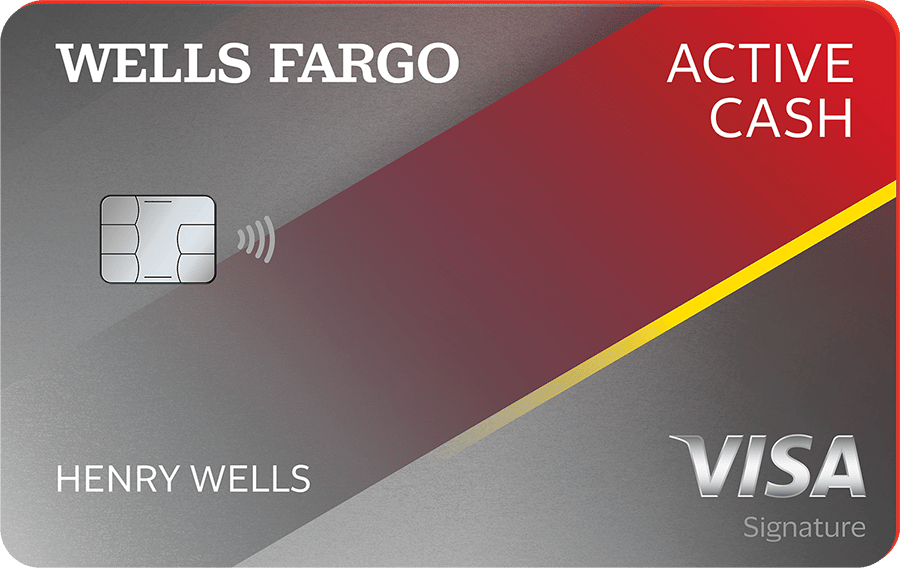
Example: Wells Fargo Active Cash® Card
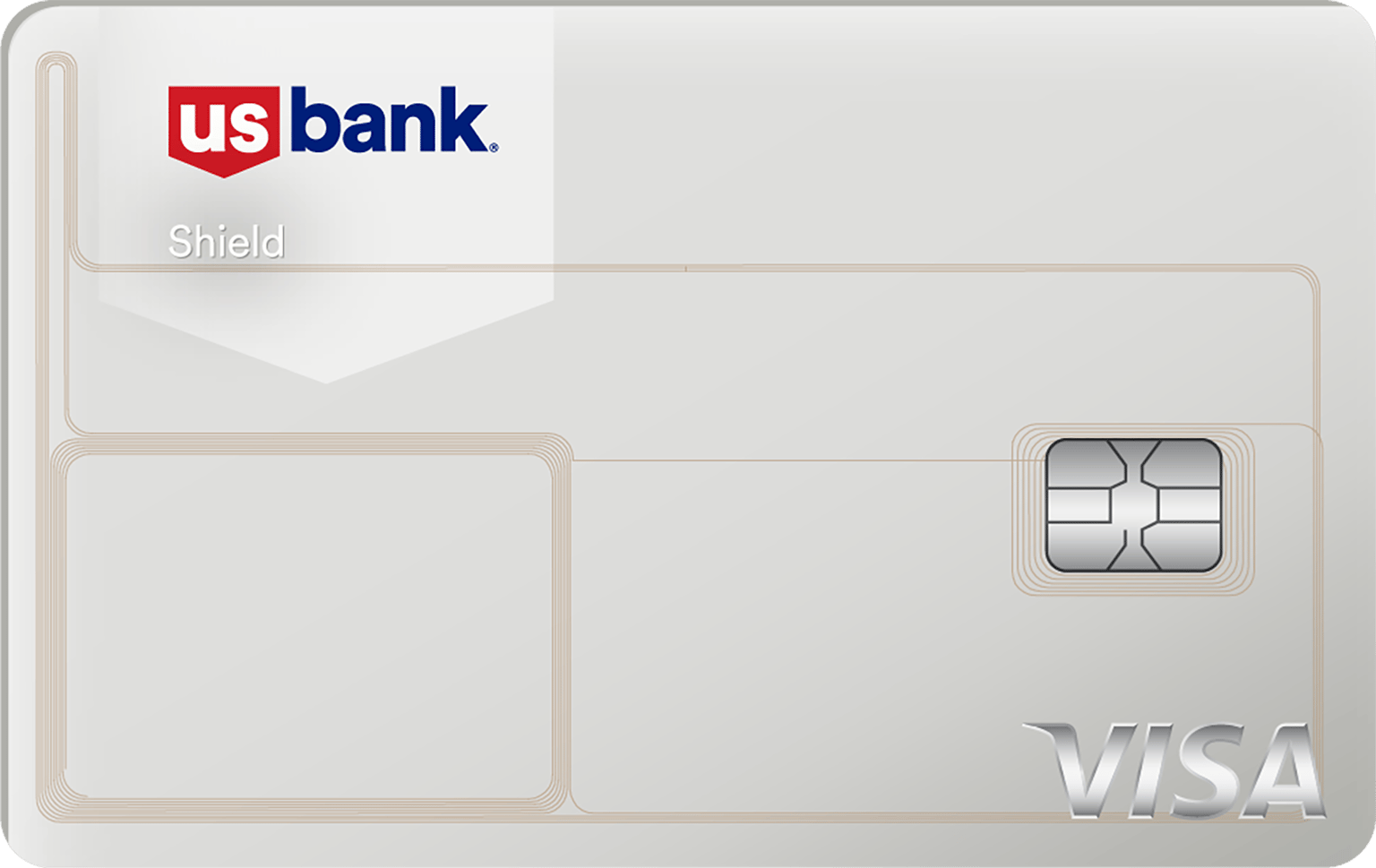
Example: U.S. Bank Shield™ Visa® Card
2% cash back on every purchase.
0% intro APR for 12 months from account opening on purchases and qualifying balance transfers, and then the ongoing APR of 18.74%, 24.74%, or 28.74% Variable APR.
Earn a $100 cash rewards bonus after spending $500 in purchases in the first 3 months.
0% intro APR for 21 billing cycles on purchases and balance transfers, and then the ongoing APR of 17.24%-28.24% Variable APR.
Balance transfer fee: Either 5% of the amount of each transfer or $5 minimum, whichever is greater.
LOOKING TO SAVE ON INTEREST?
If you've got a big purchase coming up, look for a card with an introductory 0% APR period. For existing debt, look into a balance transfer credit card.
0% APR credit cards give you a year or more before interest kicks in. Many also come with sign-up bonuses and cash-back rewards, which can translate into a substantial discount on a major purchase.
Example: Wells Fargo Active Cash® Card
2% cash back on every purchase.
0% intro APR for 12 months from account opening on purchases and qualifying balance transfers, and then the ongoing APR of 18.74%, 24.74%, or 28.74% Variable APR.
Earn a $100 cash rewards bonus after spending $500 in purchases in the first 3 months.
Balance transfer credit cards let you move debt from a high-interest card to one with a 0% introductory rate, giving you breathing room to pay it off more quickly at a lower cost.
Example: U.S. Bank Shield™ Visa® Card
0% intro APR for 21 billing cycles on purchases and balance transfers, and then the ongoing APR of 17.24%-28.24% Variable APR.
Balance transfer fee: Either 5% of the amount of each transfer or $5 minimum, whichever is greater.
Average daily balance
When your credit card statement comes in the mail (or is posted online), it shows your total balance as it stood on the last day of the billing period. But that balance is not the number used in calculating your interest charge. The number that matters is your average daily balance during the billing period. The card issuer takes the balance on your account for each day in the period, adds them all together, and then divides by the number of days in the period.
For example, say you had a 30-day statement cycle and started with a balance of $100:
If you made no charges or payments for the full cycle, your average daily balance would be $100.
If you had a $45 charge post on the 11th day of the cycle and no other activity, your average daily balance would be $130. (Ten days at $100, then 20 days at $145.)
If you had a $45 charge on the 11th day of the cycle and a $60 payment on the 21st day, your average daily balance would be $110. (That's 10 days at $100, then 10 days at $145, then 10 days at $85.)
Of course, tracking your daily balance is easy if you make only one purchase and one payment per month. But if you use your credit card regularly throughout the month, it's a lot harder — and figuring your average daily balance for the entire cycle is a nightmare. We've created a tool that allows you to enter your purchases and payments over the course of a month to determine your average daily balance:
CLICK TO OPEN OUR AVERAGE DAILY BALANCE TOOL
NerdWallet's credit card interest calculator asks you to enter your account balance. Using your average daily balance will produce the most accurate result. For a ballpark figure, you could use the closing balance shown on your statement, or estimate where your account balance stands on a typical day.
» LEARN MORE: How credit card interest is calculated


Interest rate
The interest rate that applies to purchases on your account will be printed on your monthly statement. Interest rates are given as an annual percentage rate, or APR. Although the stated rate is an annual rate, credit cards typically charge interest on a daily basis. The daily rate is usually 1/365th of the annual rate. So if your APR is, say, 18.99%, the daily rate would be about 0.052%, which is 1/365th of 18.99%.
Interest on credit cards typically compounds daily. This means that the interest charged for day 1 of the period is added into the calculation for day 2, the interest from day 2 is added into the calculation for day 3, and so on.
Your minimum payment each month usually includes all the interest that has accrued, any fees you have incurred and a small percentage of the principal balance.
» LEARN MORE: What's a good APR on a credit card?
Days in the cycle
Each credit card billing cycle covers about one month's worth of time, but billing periods don't line up exactly with calendar months. They typically start in one month and end in the next. Your billing cycle closes on or around the same day of each month. The number of days in the billing period varies, usually between 28 and 31 days. There are a few reasons for this:
Different months have different numbers of days.
Some issuers might not allow statements to close on weekends or holidays.
Federal regulations require that your due date land on the same day of each month and that you have at least 21 days between the time your statement closes and your due date.
Our credit card interest calculator lets you choose a number of days from 28 to 31. If you aren't sure, 30 days is a good default; or you can use the number of days in the calendar month in which the cycle began. (For example, if the cycle began in April and ended in May, go with 30 because April has 30 days.)
What's next?
Appendix: How the math works in our examples
How the math works: 30-day cycle, starting balance of $100 |
|---|
No purchases or payments (30 days at $100) 30 x $100 = $3,000 Divided by 30 days in cycle: $3,000 / 30 = $100 |
$45 purchase on day 11 (10 days at $100, then 20 days at $145) (10 x $100) + (20 x $145) = $1,000 + $2,900 = $3,900 Divided by 30 days in cycle: $3,900 / 30 = $130 |
$45 purchase on day 11 and $60 payment on day 21 (10 days at $100, then 10 days at $145, then 10 days at $85) (10 x $100) + (10 x $145) + (10 x $85) = $1,000 + $1,450 + $850 = $3,300 Divided by 30 days in cycle: $3,300 / 30 = $110 |