





Certified check definition
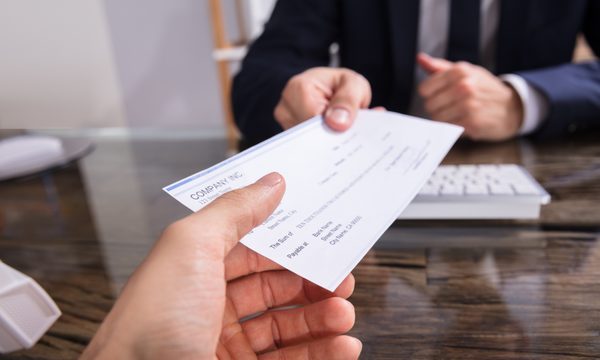
A certified check is a personal check guaranteed by the check writer’s bank. The bank verifies the account holder’s signature and that they have enough money to pay a specified amount, then sets aside the check amount for when it’s cashed or deposited.
Why use a certified check?
Sometimes, especially with larger transactions, it can be impractical for buyers to pay with cash, and sellers might be reluctant to accept a personal check, in case it bounces or is fraudulent. A certified check can reduce risks for everyone in such a transaction.
» MORE: Can I cash a check at any bank?
Certified check vs. cashier’s check
Both certified and cashier's checks can be considered “official checks,” which is what some banks and credit unions call them. Both are used instead of cash, credit or personal checks, and both are used to guarantee payment. It’s difficult to replace these types of checks; for a lost cashier’s or certified check, you’ll have to get an indemnity bond, which you can get through an insurance company but it can be challenging. And your bank might require you to wait up to 90 days to get a replacement check.
The difference between a cashier’s check and a certified check is that with a cashier's check, the bank receives money from the purchaser, then issues the check and guarantees its payment at face value. Funds for a cashier’s check are drawn against the bank, whereas with a certified check, funds are drawn against a personal account.
» Interested in alternatives? Read up on money orders or cashier's checks
How to guard against certified check fraud
Like any other form of payment, cashier’s checks and certified checks are vulnerable to fraud, and it’s your responsibility to make sure the check you receive is legitimate and not counterfeit.
Some red flags of phony checks — such as typos and grammatical errors — are easy to spot, but most bad checks don't have dead giveaways. With technology, counterfeiters can easily copy bank logos and branding off the internet.
Banking security experts recommend that you call the bank immediately upon receiving a certified check to verify it. Don’t call the number printed on the check, though; it could be phony, too.
To verify the check is valid, find the bank's phone number from the bank’s official website, call it, then give the bank the check number and the name of the purchaser.
You can be held responsible for a bad check
Under banking regulations, deposited funds typically are available as soon as the next business day. But if you happen to deposit a cashier’s check, withdraw the funds and send out the money (or merchandise, if you sold something), only to have the bank discover that the check was fraudulent, you may be held responsible for the entire amount of the bad check.
Fees for certified and cashier’s checks
Many banks and credit unions offer certified checks and cashier's checks, though not all offer both, and some differ on terminology, calling them "official checks." Fees can be $15 or higher. Some financial institutions, however, offer reduced fees or no fees for account holders.
Because the face value is guaranteed, legitimate certified checks are as good as cash. This can help ease your mind when exchanging goods or services in a large transaction. But as with any situation involving money, be careful to avoid falling victim to counterfeiters.