





The Indigo credit card is an option if you're hoping to rebuild your credit, but it'll cost you.
Issued by Utah-based Celtic Bank, the card comes in a variety of different colors and designs, but don’t let that distract you from its potentially high fees. It can provide a costly pathway toward building credit. Even for those with poor credit (FICO scores of 629 or lower), better options exist.
Here’s what you need to know about the Indigo Mastercard.
🤓 Nerdy Tip
The Indigo credit card is among a handful of products — including the Milestone card and Destiny card — serviced by Concora Credit and targeting those with bad credit. All are unsecured cards, meaning they don't require an upfront security deposit, but they do charge expensive fees. Check out our guide to all of the Concora Credit cards here. 1. It can help you build credit ...
The Indigo credit card reports to all three major credit bureaus: TransUnion, Equifax and Experian. That's ideal for someone trying to build credit because these bureaus collect the information used to calculate your credit scores.
Payment history is a key factor in those scores. As long as you stay on track with payments, you can qualify for better credit cards in the future.
» MORE: What makes up your credit score?
2. ... But it has a costly monthly and annual fee
As of August 2024, the Indigo credit card charges an annual fee: $175 the first year and $49 thereafter. The higher the annual fee, the less appealing this card becomes. And on top of that, there's also a monthly fee to consider: $0 the first year and $12.50 thereafter (a total of $150 annually). With cards like these, monthly fees are a big red flag.
In fact, many credit-builder cards let you avoid fees entirely. For instance, you could apply that money toward a secured credit card deposit, which would allow you to build credit and get that deposit back eventually as long as you make on-time payments. (You will not be able to recover the cost of an annual fee or a monthly fee.)
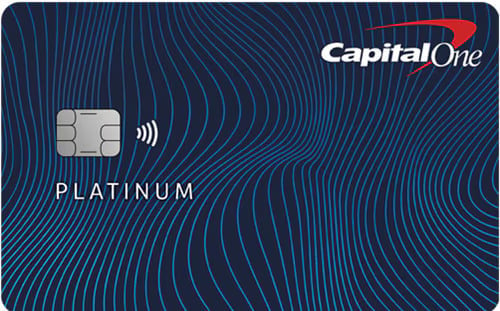
For lower fees, consider: The $0-annual-fee Capital One Platinum Secured Credit Card can start you off with a credit limit of $200 for a deposit of $49, $99 or $200, depending on what you qualify for. You can also get access to a higher credit line in as little as six months of paying on time. Whatever amount you deposit, you’ll eventually get it back if you maintain a good payment history. And it doesn't have the high fees of the Indigo card.
3. And those fees can lower your initial credit limit
Let's say you have an account with a credit limit of $300 and a $49 annual fee. In that case, your initial credit limit is really $251 until you pay the fee. The monthly fee can also slightly decrease your credit line further.
A low credit limit also makes it easy to run a high credit utilization, which can hurt your credit even as you’re working to improve it. It’s not worth paying a high annual fee for a credit limit that’s floor-low.
🤓 Nerdy Tip
A secured credit card that earns rewards can offer more value. Consider a card like the $0-annual fee Discover it® Secured Credit Card or $0-annual-fee Capital One Quicksilver Secured Cash Rewards Credit Card. With the Discover it® Secured Credit Card, you can earn a welcome bonus and 2% cash back at gas stations and restaurants on up to $1,000 in combined purchases each quarter. All other purchases earn 1%. The Capital One Quicksilver Secured Cash Rewards Credit Card offers 1.5% cash back on all purchases, plus 5% cash back on hotels, vacation rentals and rental cars booked through Capital One Travel. 4. The APR runs high
A high interest rate is not unheard of on a card that caters to applicants with poor credit. Nevertheless, it means that carrying a balance will be expensive.
As of August 2024, the APR on the Indigo credit card was nearly 36% for purchases. This rate can be costly if you can't pay your balance in full each month.
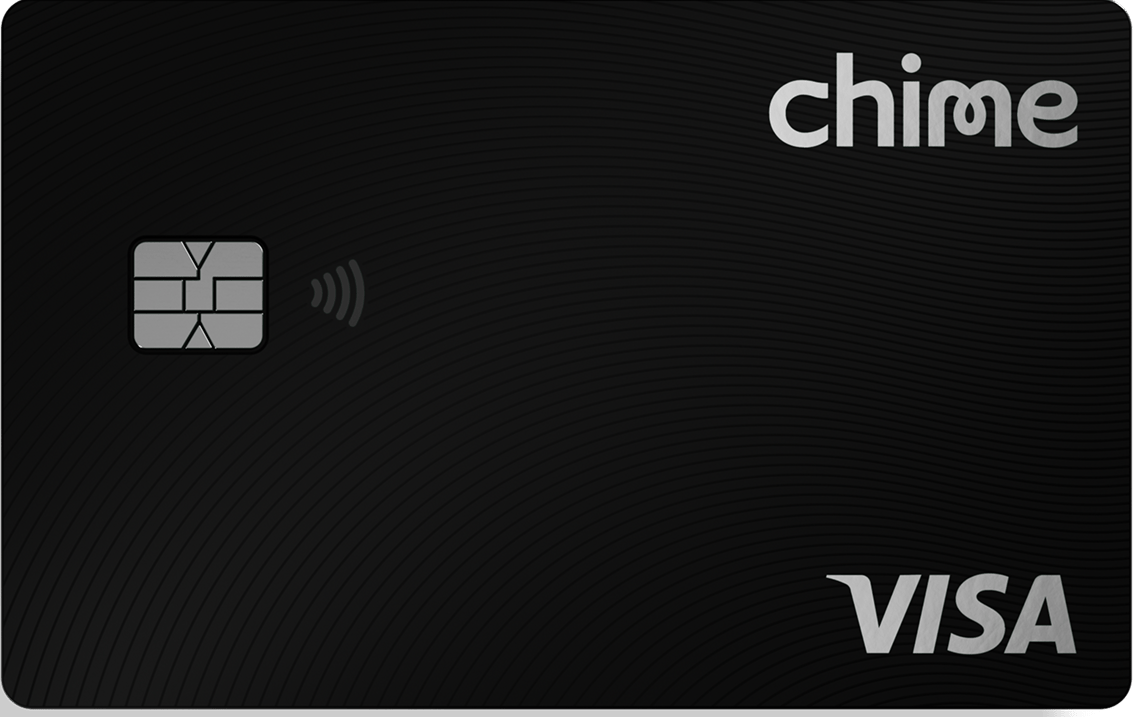
For no interest charges, also consider: The Secured Chime Visa® Credit Card doesn’t charge fees or interest because you can’t carry a balance from one month to the next. There's also no set security deposit required upfront. You must have a qualifying Chime® account to fund the card's flexible security deposit, but you get to choose an amount that aligns with your budget.
See more from Chime®
Chime says the following:
- The secured Chime Visa® Credit Card is issued by The Bancorp Bank, N.A. or Stride Bank, N.A., pursuant to a license from Visa U.S.A. Inc. and may be used everywhere Visa credit cards are accepted. Please see the back of your card for its issuing bank.
- Based on a representative study conducted by Experian® in Sept 2025, the top 10% of members who made their first purchase with Credit Builder, an earlier version of Secured Chime Visa® Credit Card, between April and August 2024, observed a FICO® Score 8 increase of 71 points after approximately 8 months. Average increase of 28 points across all participants in the study. Credit score improvement not guaranteed. Paying on time may increase your score, while late payment may decrease your score. Other credit activity can impact your score. Credit score is one of many factors creditors may consider in evaluating credit applications.
- On-time payment history may have a positive impact on your credit score. Late payment may negatively impact your credit score. Results may vary.
- Money added to the Secured Chime Visa® Credit Card will be held in a secured deposit account as collateral for your Secured Chime Visa® Credit Card, and you can spend up to this amount. You can use money deposited in your Secured Deposit Account to pay off your charges at the end of every month.
- Out-of-network ATM withdrawal and over the counter advance fees may apply.
- SpotMe® on Credit is an optional, no interest / no fee overdraft line of credit tied to the Secured Deposit Account available to qualifying members with an active Secured Chime Visa® Credit Card. To qualify for the SpotMe on Chime Card service, you must receive $200 or more in qualifying direct deposits to your Chime® Checking Account each month and have activated your physicalSecured Chime Visa® Credit Card or Chime Visa® Debit Card. Qualifying members will be allowed to overdraw their Secured Deposit Account up to $20, but may later be eligible for a higher limit of up to $200 or more based on Chime account history, direct deposit frequency and amount, spending activity and other risk-based factors. The SpotMe on Chime Card Limit will be displayed within the Chime mobile app and is subject to change at any time, at Chime’s or its banking partners’ discretion. Although Chime does not charge any overdraft fees for SpotMe on Chime Card, there may be out-of-network or third-party fees associated with ATM transactions and fees associated with OTC cash withdrawals. SpotMe on Chime Card won’t cover non-card transactions. SpotMe on Chime Card Terms and Conditions.
- With qualifying direct deposits, earn 5% cash back as a Chime Prime member or 2% cash back as a Chime Plus member on up to $1,500 of eligible Secured Chime Visa® Credit Card purchases. See the Secured Chime Visa® Credit Card - Cash Rewards Program Addendum for limitations and details on earning cash back on your monthly selected category.
5. The optional programs can add to its cost
During the application process, you’re offered the option to enroll in certain programs for a fee.
Overlimit coverage
Rare indeed is the card that charges an overlimit fee these days; those have essentially been extinct for years. But it's an option with the Indigo credit card, and it allows you to go over your credit limit for a fee of up to $41. The issuer may also charge two additional overlimit fees if the new balance continues to exceed the credit limit as of the payment due date in future billing cycles. Only one fee per billing cycle will apply even if you exceed your credit limit several times within that same cycle. It’s a potentially steep cost to pay considering that the issuer may still decline a transaction if you haven’t yet established a payment history, the account isn’t in good standing, or the credit limit is significantly exceeded.
Credit protection
The credit protection option may allow for your minimum payment or monthly statement balance to be canceled for a certain amount of time if you have a qualifying circumstance. Eligible situations may include involuntary unemployment, a disability, hospitalization, loss of life, a natural disaster or an auto repair of $250 or more. If you opt into this protection, a monthly fee of $1.49 per $100 of your ending balance on your billing statement will apply regardless of whether you’re approved for such protection. For instance, if your monthly statement balance is $300, the fee would be $4.47. No fee applies if you pay off your balance in full by the payment due date. Terms apply.
The Indigo credit card is already expensive enough as it is, so It’s not worth paying for these add-ons. Plus, these kinds of features can foster unhealthy habits like exceeding your credit limit, which can negatively impact your credit scores. If you feel you need to enroll in overlimit coverage or credit protection, know that you can cancel at any time.
🤓 Nerdy Tip
Instead of paying a fee for an option like credit protection, consider setting aside money in an emergency fund. If you can qualify for an online savings account, monthly maintenance fees likely won’t apply and you’ll earn interest on the balance.