


Nerdy takeaways
- From beginning to end, a balance transfer can take a few weeks.
- You can request a balance transfer online or over the phone.
- Once the balance transfer is complete, you’ll pay down the balance on the new card.
Moving high-interest debt to a 0% APR credit card through a balance transfer can save you hundreds or even thousands of dollars in interest charges. The process is relatively simple. But it's not instant. From beginning to end, a balance transfer can take a few weeks.
Before you start, you'll need to have a card you can move your balance to. Specifically, you're looking for one with an introductory 0% APR offer on balance transfers; a reasonable balance transfer fee (3% to 5% is standard); and no annual fee. You also can't transfer balances between cards from the same issuer. So, for example, if your debt is on a Citi card, you can't transfer it to another Citi card.
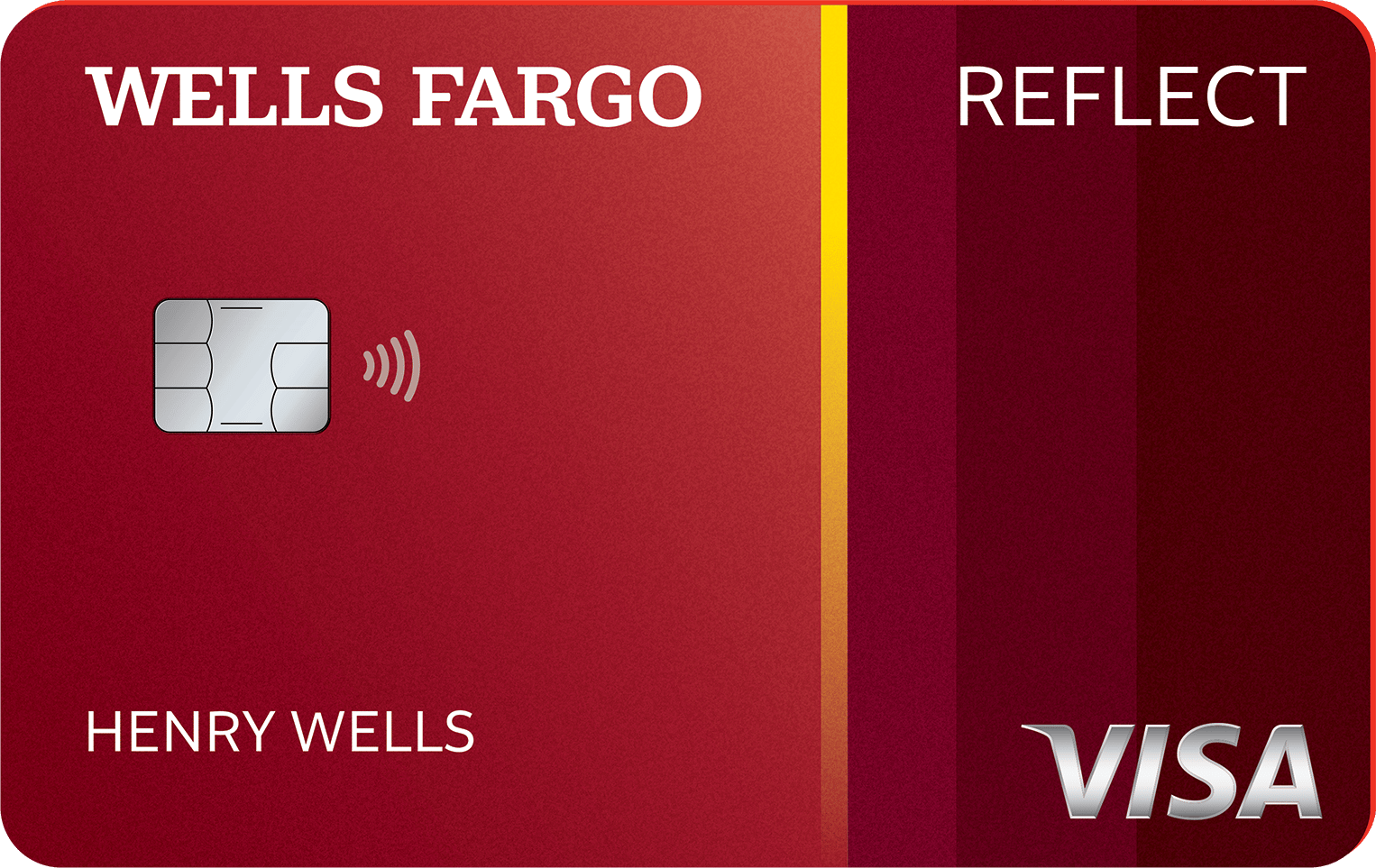
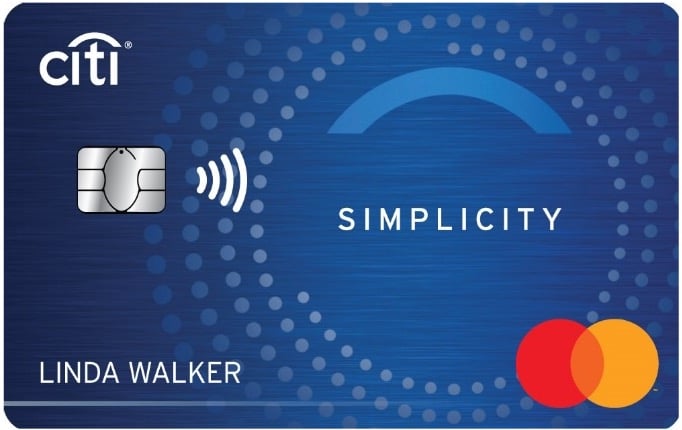
Below are a few examples of popular balance transfer cards; for other options, check out NerdWallet's best balance transfer cards.
Popular balance transfer cards


Balance transfer details
APR: 0% intro APR for 21 billing cycles on purchases and balance transfers, and then the ongoing APR of 16.99%-27.99% Variable APR
Balance transfer fee: Intro fee of 3% of the amount transferred ($5 minimum) within 60 days of account opening. After that, 5% ($5 minimum). This fee may be different if you apply directly via U.S. Bank.
APR: 0% intro APR for 21 months from account opening on purchases and qualifying balance transfers, and then the ongoing APR of 17.49%, 23.99%, or 28.24% Variable APR.
Balance transfer fee: 5% of the amount transferred ($5 minimum).
APR: 0% intro APR on Purchases for 6 months and 0% intro APR on Balance Transfers for 18 months, and then the ongoing APR of 17.49%-26.49% Variable APR.
Balance transfer fee: 3% intro balance transfer fee; up to 5% fee on future balance transfers (see terms).
APR: 0% intro APR on purchases and balance transfers for 18 months, and then the ongoing APR of 17.49%-28.24% Variable APR.
Balance transfer fee: 3% intro fee (minimum $5) for transfers completed in the first four months. After that, 5% (minimum $5).
Learn more
Once you have your balance transfer card ready to go, here's what to do.
1. Request a balance transfer
Typically, the first step of doing a balance transfer is getting in touch with the issuer of the card to which you're moving debt and providing some information about the balances you want to move. Effectively, you're saying, "Here's this debt. Can I move it to this account?" Cards have certain rules about what types of debt you can transfer.
Some common ways to request a balance transfer:
- Online. Generally, you can log onto your account and request a balance transfer through the issuer's online portal. Be prepared to provide information about the debt you're looking to move, including the issuer name, the amount of debt and the account information. With some credit cards, you can request balance transfers while filling out the application before you're even approved.
- Phone. You can call your issuer to request a balance transfer. As with online balance transfers, come prepared with information about the debt you're looking to move.
You might be able to skip this process by using a convenience check from your issuer. Some issuers mail these checks with special interest rate promotions to cardholders, and sometimes these count as balance transfers. You can use these to pay off credit card debt on another account. Before using these, read the terms and make sure you understand the rates and fees associated with the offer.


2. Wait for the transfer to go through
It can take two weeks or longer for an issuer to approve and complete a balance transfer request. That means you may have to make another monthly payment on that old debt you're trying to move.
With major issuers, balance transfers are generally done directly. That means the issuer that's offering you the balance transfer terms will post a payment directly to your old account for the amount approved. Then, that payment amount — plus a balance transfer fee, usually 3% to 5% of the amount transferred — will show up as an outstanding balance on the new account.
You might not get a notification when your balance transfer goes through, so it's up to you to check in on your old account regularly and make sure that all payments are made on time.
» CALCULATE: See much you could save with a balance transfer
18 Months of 0% to Whittle Down Debt
👀 Start saving money ASAP. This card offers an extra long pause on interest on balance transfers.

3. Pay off your balance
Once your balance has been moved to the new credit card, you'll start paying it down according to the terms on the new card.
For example, if the card offers an introductory 0% APR on balance transfers, you'll be able to make interest-free payments during the promotional period. After the promotional period ends, the regular interest rates will kick in. But these will apply only to the remaining balance and you won't get hit with retroactive interest charges, as you might with a deferred interest offer on a store card.
While it's possible to do one balance transfer after another, balance transfer fees can make this an expensive and unsustainable option in the long run. Paying off the balance during the promotion, if you're able to do so while meeting all your other financial obligations, can help you lock in your savings.