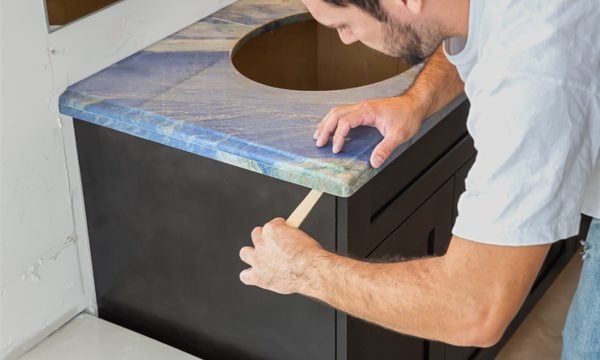






Adding an island can make your kitchen more functional and allow you to enjoy the space more. Costs can range from a few hundred dollars for a cart island to nearly $10,000 for a custom build.
In the National Association of Realtors (NAR) and National Association of the Remodeling Industry (NARI) Home Impact Remodeling Report, kitchen upgrades led to a 60% return on investment and a joy score — which measures homeowner satisfaction and happiness — of 10 out of 10, according to the 2025 report.
But before you call a contractor, take a look at our cost breakdown and tips on ways to save during your kitchen island installation project.
» MORE: Kitchen financing options
What does a kitchen island cost?
While adding an island to your existing kitchen design can be costly, the project is relatively inexpensive when compared with a full kitchen remodel. Kitchen islands cost an average of $4,800, according to 2026 data from Angi, but custom builds can be $10,000 or more.
“The cost can vary greatly depending on size, features and existing conditions,” says Josh Beisley, an estimator and former project manager with Building Specialists Inc. in Virginia's Roanoke Valley. “If you want to include a sink or cooktop, and there are no existing plumbing, gas or electrical connections in the right location, that drives up the cost.”
Here's what you can expect to pay for the most common aspects of a kitchen island, according to 2026 data from Angi:
Component | Cost |
|---|---|
Cabinets | $100 to $1,300 per linear foot. |
Countertops | $20 to $350 per square foot. |
Sink | $400 to $1,500. |
Faucet | $125 to $300. |
Plumbing | $500 to $1,900. |
Electrical wiring | $7 to $12 per linear foot. |
Outlets | $150 to $400. |
A 4-foot island with custom cabinets and a granite top, but no sink or appliances, would cost around $3,500, according to Beisley, who's worked in the home building industry for 15 years. If you go larger, he notes, a similar 8-foot island with a sink would run about $9,500.
In contrast, a simple kitchen island cart can be as cheap as a few hundred dollars.
Five ways to save money on a kitchen island
1. Choose less-expensive materials. Do you really need a marble countertop? If you’re over budget, a quartz countertop will give you a similar look for less money.
2. Reduce the size. A smaller island with a standard base will typically cost less than a larger one. Think about going this route if a smaller one gives you enough of the extra space you're looking for.
3. Add to it later. Beisley suggests that if you don’t have enough money now, do the basics and add other options down the line. “Additional lighting, for example, can be added later,” he says. Other options include small appliances like a wine cooler.
4. Avoid the cost of permits, if possible. "If the furniture remains movable, you don’t have to worry about building codes and permits," Beisley says. That could lower the overall cost and complexity of the project.
5. Look for ways to upcycle construction components. You may be able to save money by upcycling an antique or vintage cabinet that you already own. In this case, the cost could be reduced to refinishing the piece and adding the countertop.
How to plan for your kitchen island project
Determine the goal
Are you primarily looking to add more counter space? Maybe you want an extra sink or a cooktop? Prioritizing what's most important to you can help you decide where to best spend your money.
Randall and Tammy Cullers of Broadway, Virginia, added an island to their kitchen because they wanted more counter space to cook with their daughters.
“We were pretty happy with the existing layout of the kitchen,” Tammy says, “but I needed more work surface. When the girls and I tried to cook together, it wasn’t a pretty sight.”
Create a budget
Make two lists: one with your basic requirements for the project and another with nice-to-have features. Here are some extra features you might want to include and their costs, according to 2026 data from Angi:
Dishwasher: $700 to $2,000.
Garbage disposal: $250 to $550.
Oven and cooktop: $700 to $1,800.
Built-in wine cooler: $300 to $3,000.
Choose a contractor
Once you have your lists, consult a general contractor for an estimate.
When shopping for a contractor, look for someone who has installed plenty of kitchen islands. Before hiring someone, you can:
Ask your friends. If they’ve had a kitchen remodel done recently, ask them who did it and whether they’re happy with the results.
Visit a local kitchen showroom. Ask the designer there for referrals for a general contractor with kitchen island experience.
Read reviews. Once you get a few names, look them up online and read customer reviews. Look for any violations or complaints on file with the Better Business Bureau. You can also check out listings on credible sites like NARI.org.
Schedule a consultation. Ask the contractor you're most interested in for an estimate and referrals from happy customers. Contact those homeowners for their input. Also, ask to see the contractor’s license and insurance certificates to make sure they’re up to date. If you’re unsure what licenses and insurance are required, contact your local building official.
Finalize the design
Work with your contractor to choose materials and appliances within your budget.
“The general contractor will review the existing utilities and constraints for things like the plumbing,” Beisley says. “Once your consultation assures the cost of the work aligns with your budget, you can finalize the specs and design and obtain a permit.”
When the Cullers were ready to plan their project, Randall drew up their ideas, and they worked with a local cabinet maker to finalize the product. To maximize countertop space and stick within their budget, they included cabinets for storage and a few electrical outlets but no sink or cooktop.
What Reddit users have to say about kitchen island costs
Reddit is an online forum where users share their thoughts in “threads” on various topics. The popular site includes plenty of discussion on financial subjects like home improvement, so we sifted through Reddit forums to get a pulse check on how users feel about adding kitchen islands to their homes. People post anonymously, so we cannot confirm their individual experiences or circumstances.
Most Reddit users agree that installing a kitchen island is a good idea — provided there's enough space in the kitchen for one. Wanting more countertop and cabinet space was one of the biggest reasons Reddit users got kitchen islands. When it came to additional elements, many also opted to add a sink. Others, however, believed that sinks or stoves were a bad idea. Some said they take up unnecessary countertop space, while others felt that they made the kitchen look cluttered.
Frequently asked questions about kitchen island costs
Is it cheaper to buy or build a kitchen island?
Prefabricated kitchen islands are generally cheaper than custom-built ones of the same size, but not always. Depending on the materials you use, a custom-built island may be cheaper than some high-end prefabricated options.
Does adding a kitchen island require a permit?
It depends. Kitchen islands typically require permits if they're stationary or above a certain size. If they have wheels and can be moved, then they don't typically require a permit.
Does a kitchen island increase home value?
Yes, a kitchen island will generally increase your home value, provided the size of the island suits the space and is up to code. How much it increases will depend on the size and type of island you install, as well as the features you include.