





Nerdy takeaways
- Comprehensive insurance reimburses you to fix or replace your car after damage from non-traffic-related causes, like fires, vandalism or running into a deer. The coverage also pays to replace your car if it’s stolen.
- Most lenders require you to have comprehensive coverage if you finance or lease your car.
- Comprehensive insurance could be worth it if you’d have a hard time coming up with cash to repair or replace your car on your own if misfortune strikes.
What is comprehensive insurance? Think of comprehensive insurance like "bad luck coverage" for your car. It pays for damage to your vehicle from just about anything except a traffic accident or rollover, up to your car’s current value minus your deductible. That includes an array of random events outside your control, from a chipped windshield or hail dent to explosions or damage from vandalism.
Comprehensive insurance is optional if you own your vehicle. But if you finance or lease it, your lender will likely require it.
Here’s what we’ll cover in this article:
Key terms in this article
Here are some common terms you’ll likely see associated with comprehensive coverage.
Actual cash value | The market value of your car in its current condition (before the damage). |
Collision insurance | Pays for car repairs from traffic-related accidents. Many insurers package collision and comprehensive coverage (i.e., you can’t buy one without the other). |
Deductible | The amount you're on the hook for before your insurance company pays to cover car repairs or replacement costs. The higher your deductible, the lower your car insurance cost — but the more you’ll pay out of pocket if you make a claim. |
Full coverage insurance | A combination of car insurance coverage types. Typically, it includes comprehensive, collision and liability car insurance. Other state-mandated coverage types may be included. |
See what you could save on car insurance
Easily compare personalized rates to see how much switching car insurance could save you.
What comprehensive insurance covers
Comprehensive insurance covers damage to your car caused by a variety of accidents that aren't traffic-related.
Comprehensive insurance pays for damage to your car caused by:
- Weather events, such as hail, floods or tornadoes.
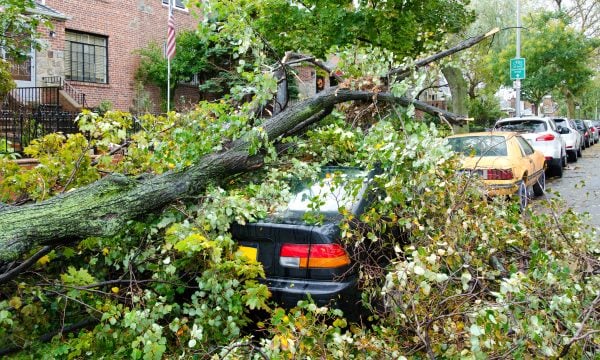
- Falling objects, such as tree limbs.
- Fire or explosions.
- Hitting an animal.
- Car theft and broken windows.
- Earthquakes.
- Vandalism or civil disobedience, such as a riot.
Comprehensive insurance doesn't cover:
- Damage or injuries you cause to others while driving.
- Your own injuries after an accident.
- Damage to your car from a collision with another driver or object.
- Personal belongings inside your car.
- Damage from potholes.
- Normal wear and tear.
» MORE: Does car insurance cover theft?
Who needs a comprehensive insurance policy
Comprehensive insurance becomes less useful the older your car is. That's because it reimburses you for repairs only up to the actual cash value of your car, minus your deductible, and that value declines as your car ages.
So as long as you aren’t financing or leasing your car and you have enough cash to cover unexpected repair or replacement costs, you may want to consider ditching comprehensive insurance if your car isn’t worth much. Otherwise, it may be good to hang on to.
🤓Nerdy Tip
The number of extreme weather events in the U.S. is rising along with reports of car thefts. Comprehensive car insurance covers both of these scenarios. To make the decision easier, use NerdWallet’s comprehensive insurance calculator below.
Even if you decide comprehensive insurance is worth it for now, revisit this calculator as your car ages and you get new car insurance quotes.
How comprehensive insurance works
If your car is damaged in a covered incident, you should file a comprehensive claim with your insurer. You’ll most likely have to pay a deductible, which is the amount you agreed to pay out of pocket for a comprehensive coverage claim. Your insurer will pay the rest of the covered repair costs, up to your car’s current market value.
Here’s an example of a comprehensive claim in action. Let’s say you have a $500 comprehensive insurance deductible and drive a car worth $5,000. A tree branch falls on your car causing $2,900 worth of damage, so you file a claim. You would be on the hook for the $500 deductible, and your insurer would pay the remaining $2,400.
Comprehensive insurance is part of “full coverage insurance,” a combination of coverage types that typically also includes:
- Collision insurance, which covers damage to your car after a crash.
- Liability insurance, which pays for others’ property damage and injuries you cause while driving. It can also protect you financially if you’re sued. Almost every state requires a minimum amount of liability insurance to drive legally.
One thing to note: Your rates may go up at renewal time if you file a comprehensive insurance claim. NerdWallet recommends that drivers shop around and compare car insurance quotes regularly to get a lower rate, especially after a claim is filed.
See what you could save on car insurance
Easily compare personalized rates to see how much switching car insurance could save you.
How much does comprehensive coverage cost?
In many cases, comprehensive and collision coverage are sold as a package deal and combined with state-mandated coverage types, like liability insurance. To get a sense of how much it will cost, it’s best to look at full coverage insurance when comparing the cost of comprehensive car insurance. According to NerdWallet's August 2026 analysis of auto insurance rates, the median national cost for full coverage insurance is $2,356 a year.
Your own price may vary, because insurers base their rates on several factors outside of the insurance policy you buy, such as what car you drive, where you live and theft rates in your area.
Read more about both types of coverage in our comprehensive and collision insurance explainer.
🤓Nerdy Tip
Not sure how much you’re paying for comprehensive coverage? Check your policy’s car insurance declaration page or your online insurance account for an itemized list of how much you’re paying for each type of coverage.Advantages and disadvantages of comprehensive insurance
Not everyone has a choice about whether to get comprehensive car insurance. If you’re leasing or financing your vehicle, it’s likely required. But if you can drop the coverage, consider the value of your car plus these pros and cons:
Pros | Cons |
|---|---|
Covers a variety of unexpected events. | Costs more than minimum required coverage. |
Could save you a lot of money on repair or replacement costs if your car is newer and has a high value. | Isn't worth the price if your car is older and has little value. |
Won’t cover damage to your car caused by a collision or hitting a pothole. |
» MORE: Get free car insurance quotes
Frequently Asked Questions
What is comprehensive insurance?
Comprehensive insurance pays for damage to your car from non-collision events, like storms, vandalism, or even hitting a deer.
Does comprehensive insurance cover damage from potholes?
No. Damage to your own car from hitting a pothole would be covered by collision insurance.
Is comprehensive insurance full coverage?
Not quite. Full coverage insurance is a combination of insurance coverage types. Typically, it includes comprehensive, collision and liability insurance, plus any other coverage types required by your state.
Do I need comprehensive insurance on an old car?
If you don’t have a loan or lease on your car, comprehensive insurance likely isn’t required. And if the vehicle isn’t worth much, it may not make financial sense to keep the coverage. Compare the value of your car to your comprehensive deductible plus the amount you pay for the coverage. If there’s not much difference, you’re likely paying for coverage you don’t need.
Does comprehensive insurance cover theft?
Yes, comprehensive coverage will pay to replace your car if it’s stolen. You'll be paid the value of your vehicle at the time of the theft, minus your deductible.
How much comprehensive car insurance do I need?
Comprehensive car insurance automatically covers you up to the market value of your vehicle minus your deductible. That means all you need to decide is whether you need comprehensive insurance and how high your deductible should be.
Can you just have comprehensive insurance?
You typically can’t buy comprehensive coverage by itself. Each state has its own minimum car insurance requirements, so you’ll need to purchase those types of coverage along with comprehensive coverage. Insurers may also require that you purchase collision coverage along with comprehensive insurance.
Methodology
NerdWallet averaged rates based on public filings obtained by pricing analytics company Quadrant Information Services. We examined rates for 35-year-old men and women for all ZIP codes in any of the 50 states and Washington, D.C. Drivers had good credit and a good driving history. Although it’s one of the largest insurers in the country, Liberty Mutual is not included in our rates analysis due to a lack of publicly available information.
In our analysis, “good drivers” had no moving violations on record; a “good driving” discount was included for this profile. Our “good” credit rates are based on credit score approximations and do not account for proprietary scoring criteria used by insurance providers. These are average rates, and your rate will vary based on your personal details, state and insurance provider.
Sample drivers had the following coverage limits:
$100,000 bodily injury liability coverage per person.
$300,000 bodily injury liability coverage per crash.
$50,000 property damage liability coverage per crash.
$100,000 uninsured motorist bodily injury coverage per person.
$300,000 uninsured motorist bodily injury coverage per crash.
Collision coverage with $1,000 deductible.
Comprehensive coverage with $1,000 deductible.
$100,000 bodily injury liability coverage per person.
$300,000 bodily injury liability coverage per crash.
$50,000 property damage liability coverage per crash.
$100,000 uninsured motorist bodily injury coverage per person.
$300,000 uninsured motorist bodily injury coverage per crash.
Collision coverage with $1,000 deductible.
Comprehensive coverage with $1,000 deductible.
In states where required, minimum additional coverages were added.
We used a 2021 Toyota Camry LE and assumed 12,000 annual miles driven.