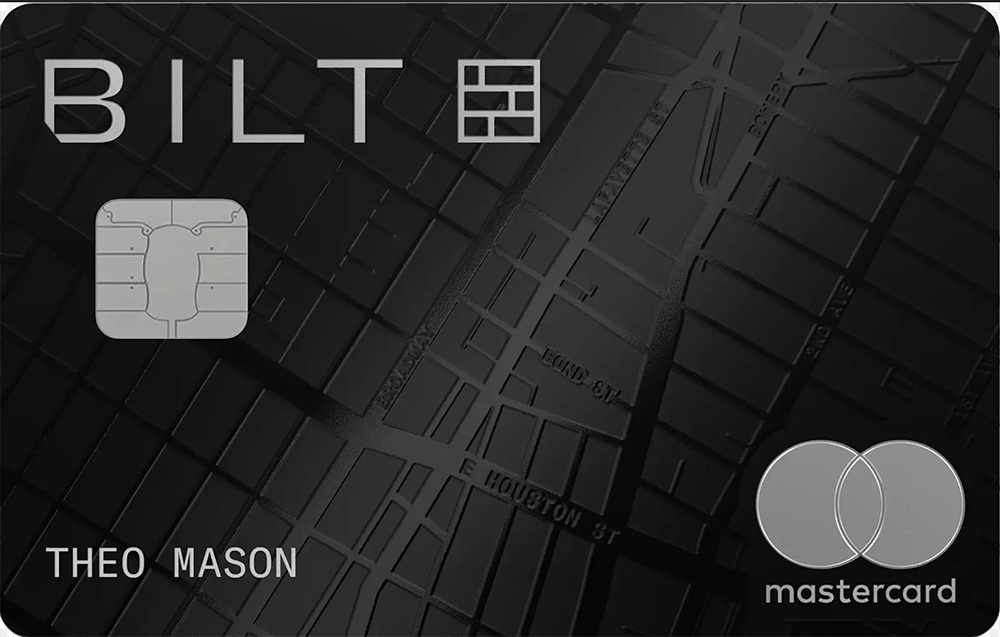
The Bilt Obsidian Card is new to the travel rewards space in 2026. Its main selling point is providing cardholders a path to earning points for housing payments, but the card is also backed up by a robust rewards program with diverse redemption options.
It's also a good match for Atmos Rewards members who fly Alaska Airlines and Hawaiian Airlines, since Bilt is one of the few ways to transfer points to Atmos.
In contrast, the Chase Sapphire Preferred® Card has been among the most popular travel rewards cards for over a decade. It offers a relatively small but valuable group of airline and hotel transfer partners, and a strong package of travel and purchase protections.
Both cards charge a $95 annual fee, earn 3 points per dollar on dining and 2 points per dollar on most travel purchases. Both cards also offer credits toward hotel stays booked through their respective travel portals. Despite these similarities, however, several key features set these two cards apart from one another.
How the cards compare
Annual Fee
Still not sure?
Why you might pick the Bilt Obsidian Card
The Bilt Obsidian Card should appeal to anyone who wants to earn rewards for rent or mortgage payments and doesn’t mind jumping through some hoops to do it. It’s also a good match for Alaska Airlines and Hawaiian Airlines frequent flyers, since Bilt is the only transferable points program that partners with Atmos Rewards.
Rewards for paying your rent or mortgage
One standout feature of the Bilt Obsidian Card (and the Bilt Rewards program generally) is that it enables cardholders to earn rewards for rent and mortgage payments without additional processing fees. You can earn up to 1.25 points per dollar spent on eligible housing payments, and Bilt doesn’t limit the number of points you can earn with qualifying spending. In a climate of rising rent and accelerating costs to homeowners, the opportunity to recapture some value from housing payments is noteworthy.
The drawback is that earning Bilt Rewards for housing payments is complicated. Rather than simply earning points at a consistent rate based on the amount you spend, you’ll need to unlock housing rewards by using your card for other nonhousing purchases or by redeeming Bilt Cash at a fixed rate of $30 for 1,000 points. You’re not alone if Bilt’s system seems more confusing than rewarding, but navigating that complexity may be worthwhile if rent or mortgage payments are a large part of your monthly expenses.
Access to more transfer partners
The quantity and quality of airline and hotel transfer partners is a key distinction among transferable points programs. As mentioned above, Bilt Rewards and Chase Ultimate Rewards® have many transfer partners in common, but when it comes to their unique partners, Bilt is clearly ahead.
Bilt transfer partners
Bilt Rewards has 11 partners that are unavailable through Chase: Accor Hotels, Atmos Rewards (Alaska Airlines and Hawaiian Airlines), Avianca, Cathay Pacific, Emirates, Etihad, Hilton, JAL, Qatar, TAP and Turkish Airlines.
Atmos is perhaps the biggest standout here. Bilt Rewards transfers to Atmos at a 1:1 ratio, which makes it an enticing fit for anyone who regularly uses Atmos points. Marriott Bonvoy points also transfer to Atmos, at a 3:1 ratio. In 2027, Atmos plans to let customers with eligible Bank of America® card products transfer points as well, but the eligible cards, transfer ratio and date haven't been announced. The only caveat with Bilt is that it imposes a minimum transfer of 2,000 points for members with Blue status (versus a minimum of 1,000 points for other members).
Chase transfer partners
Meanwhile, Chase Ultimate Rewards® offers just two partners that are unavailable through Bilt: JetBlue and Singapore Airlines. And on the Chase Sapphire Preferred® Card, points transfer to Hyatt — the most valuable partner — at a 4:3 ratio instead of a 1:1 ratio. Unless you get a lot of value from the JetBlue TrueBlue or Singapore Airlines KrisFlyer programs, the Bilt Obsidian Card gives you access to a superior roster of transfer partners.
Cell phone protection
When you use your Bilt Obsidian Card to pay your monthly wireless telephone bill, you can be reimbursed for replacement or repair costs if your phone is stolen or damaged. Coverage is limited to $800 per claim (with a $50 deductible), and up to two claims and $1,000 per card annually. The Obsidian card earns just 1 point per dollar spent on wireless payments, so you should weigh the value of your coverage against the rewards you can earn with a card that earns bonus points for cell phone service.
Credit card cell phone protection is becoming increasingly common, but it’s not available on the Chase Sapphire Preferred® Card. If you’re prone to damaged or stolen phones and you don’t already have another card that offers coverage, then this benefit makes the Obsidian card more attractive.
Why you might pick the Chase Sapphire Preferred® Card
The Chase Sapphire Preferred® Card is a good choice if you rent vehicles often and want protection against theft and damage that allows you to avoid using your personal insurance. It’s also ideal if you plan to add authorized users to your account but don’t want to pay extra.
More substantial welcome bonus
Getting a credit card that offers a welcome bonus on top of other card benefits is a great way to stockpile rewards quickly. The Chase Sapphire Preferred® Card currently offers the following bonus: Earn 75,000 bonus points after you spend $5,000 on purchases in the first 3 months from account opening. NerdWallet’s latest points and miles valuations puts the value of those points at 1.8 cents apiece, making this a valuable bonus.
For its part, the Bilt Obsidian Card currently offers $200 of Bilt Cash when you apply and get approved. At the end of each calendar year, any Bilt Cash balance over $100 will expire. Bilt Cash can be used to activate Bilt Rewards points earned on rent and mortgage payments or redeemed as various credits such as Lyft rides and GrubHub orders. However, it can’t be redeemed as actual cash and has relatively few uses compared to Chase Ultimate Rewards® points. If welcome bonuses factor heavily into how you evaluate new credit card options, then the Chase Sapphire Preferred® Card is the clear winner between the two.
Primary rental car coverage
Many credit cards offer theft and damage protection for rental vehicles. However, such benefits usually provide secondary coverage, meaning they kick in only after your personal auto insurance or other applicable policy has been exhausted. The Bilt Obsidian Card offers secondary coverage in most cases (with an exception for otherwise uninsured cardholders renting outside the United States).
Comparatively, the Chase Sapphire Preferred® Card is on a short list of cards offering primary rental car protection, which covers you without having to involve your personal insurance. The Sapphire Preferred coverage applies when you use your card to pay the full cost of an eligible rental and decline additional coverage from the rental agency. Note that this coverage applies only to your vehicles, and doesn’t cover the people or things traveling inside it. Nor does it cover damage to other vehicles, so you’ll still need your own insurance policy to be protected as a driver.
No annual fee for authorized users
As a primary cardholder, you might consider adding authorized users to your account to track spending across multiple cardholders, to help family members build or repair credit profiles, or to share your card benefits with people you trust. Most credit cards allow you to add authorized users, but some charge you for the privilege.
That’s the case with the Bilt Obsidian Card, which tacks on a $50 annual fee for each authorized user card. At that rate, adding two authorized users to your account more than doubles your cost to have the card each year. The Obsidian card doesn’t extend additional perks to authorized users, so paying that fee doesn’t yield an easily quantifiable return.
In contrast, the Chase Sapphire Preferred® Card card lets you add authorized users at no additional cost. You can transfer Chase Ultimate Rewards® points directly to the loyalty accounts of an authorized user in your household, and authorized users are eligible for the same travel and purchase protections as the primary cardholder. Avoiding the extra fee for those benefits makes Sapphire Preferred more appealing if you plan to add users to your account.
Which card is right for you?
The Bilt Obsidian Card deserves strong consideration if you make monthly rent or mortgage payments, since the ability to earn rewards for housing payments should provide long-term value you won’t find elsewhere. It’s also a great fit if you routinely get value from unique transfer partners like Atmos Rewards.
The Chase Sapphire Preferred® Card is a better bet if you want a balanced travel card with a relatively simple rewards structure, a quality array of travel and purchase protections, and authorized user cards at no additional cost.
How to maximize your rewards
You want a travel credit card that prioritizes what’s important to you. Here are some of the best travel credit cards of 2026:
Flexibility, point transfers and a large bonus: Chase Sapphire Preferred® Card
No annual fee: Wells Fargo Autograph® Card
Flat-rate travel rewards: Capital One Venture Rewards Credit Card
Bonus travel rewards and high-end perks: Chase Sapphire Reserve®
Luxury perks: American Express Platinum Card®
Business travelers: Ink Business Preferred® Credit Card