A Nexus card is a form of identification that can be used instead of a passport or a permanent resident card when entering Canada or the U.S. To get a card, travelers will have to apply for Nexus, which is a Trusted Traveler Program similar to Global Entry and TSA PreCheck.
Those who are approved for a Nexus membership receive a Nexus card. The main difference between a Nexus card and U.S. passport is where each is accepted. Nexus cards are accepted at U.S. and Canada land borders, Canada's airports and U.S. airports with Canada preclearance locations. Alternatively, a passport can be used to travel across most international borders.
What is a Nexus card?
Nexus was created for low-risk, preapproved travelers to help speed up border crossings between Canada and the U.S. All Nexus members receive a Nexus card when their membership is approved. The card can be used when entering the U.S. or Canada.
As a Nexus member, you bypass the regular line of travelers and enter a special security/customs line when you arrive in either country. These lines are typically much shorter, and the process is much quicker.
Nexus also offers the benefits of Global Entry at no additional cost. Nexus members can use Global Entry kiosks when entering the U.S. and also have TSA PreCheck benefits.
In addition, the Nexus card can be used in place of a passport when traveling between the U.S. and Canada. Be aware that when traveling by air from Canada to the U.S., you can use your Nexus card at Canadian airports with a U.S. preclearance area only. If the airport doesn't have a U.S. preclearance area, you'll have to use your passport to access your Nexus benefits.
» Learn more: 4 key differences between a passport card and book

Subscribe to our free TravelNerd newsletter for inspiration, tips and money-saving strategies, delivered straight to your inbox.
By signing up, you will receive newsletters and promotional content and agree to our Terms of Use and acknowledge the data practices in our Privacy Policy. You may unsubscribe at any time.
How much does a Nexus card cost?
Nexus membership costs $120 for five years, but the Nexus card is free with membership. There are several credit cards that reimburse the Nexus membership fee:
Cards with Nexus benefit

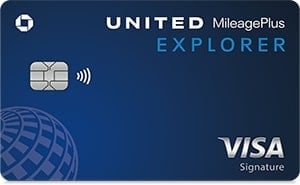

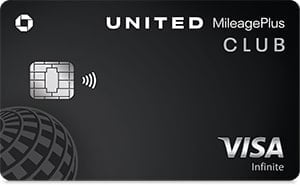
Annual fee
$150.
$0 intro for the first year, then $150.
$795.
$695.
Benefit
Global Entry, TSA PreCheck® or NEXUS Statement Credit of up to $120 every 4 years as reimbursement for the application fee charged to your card.
Statement credit of up to $120 as reimbursement when you charge the application fee for TSA PreCheck, Global Entry or NEXUS to the card. Available once every 4 years.
Statement credit of up to $120 as reimbursement when you charge the application fee for TSA PreCheck, Global Entry or NEXUS to the card. Available once every 4 years.
Statement credit of up to $120 as reimbursement when you charge the application fee for TSA PreCheck, Global Entry or NEXUS to the card. Available once every 4 years.
Others include:
If you frequently travel between both countries, consider one of the cards above to get your membership fee reimbursed.
» Learn more: 8 credit cards that reimburse Nexus
Who is Nexus right for?
Although Nexus and Global Entry share many features, the Nexus card might be a better option if you:
- Travel frequently between the U.S. and Canadian borders, whether by land, air or boat.
- Travel with children. Children younger than 18 must also apply for membership, but if approved, their application fee is waived.
- Want access to perks from other trusted-traveler programs. NEXUS members can use Global Entry kiosks located in select airports for entry into the U.S. and use TSA PreCheck security lanes when traveling through U.S. airports.
» Learn more: Global Entry vs. Nexus
Who should skip the Nexus card?
The main reason you might want to pass on the Nexus card is because the final step in the application process is an in-person interview. These interviews occur at a handful of places only, including select U.S.-Canada land border crossings and airports in Canada.
If you'll have a difficult time making it to one of these locations, the Nexus card might not be a good choice for you.
» Learn more: What is Global Entry and how do I get it?
How to get a Nexus card
Nexus membership is open to citizens and permanent residents of both Canada and the U.S. Permanent residents of either country must have resided in the country for at least three years before applying to Nexus. Exceptions apply. Mexican nationals who are members of Mexico’s trusted-traveler program, Viajero Confiable, can also apply for Nexus membership.
To get your application approved, you need to prove that you’re a low-risk traveler. This step includes verifying that you:
- Haven't been convicted of a crime.
- Have no outstanding warrants.
- Aren't subject to an ongoing investigation by a law enforcement agency.
- Haven't violated customs, immigration or agriculture-related laws.
Both the U.S. and Canada need to approve your application. Once it's approved, you'll set up an appointment for an in-person interview, which can be held at border crossings in Canada and the U.S., as well as Canadian airports.
🤓Nerdy Tip
Consider scheduling your interview at a smaller location, as these tend to be less booked.Final thoughts on Nexus cards
The Nexus card is a great option for people who travel frequently between the U.S. and Canada. In addition to offering the same benefits as Global Entry, it can be used for air, vehicle and boat travel between the two countries.
However, the application process includes an in-person interview. If it would be a challenge for you to get to one of the limited interview locations, you may want to skip the Nexus card and apply for Global Entry.
How to maximize your rewards
You want a travel credit card that prioritizes what’s important to you. Here are some of the best travel credit cards of 2026:
- Flexibility, point transfers and a large bonus: Chase Sapphire Preferred® Card
- No annual fee: Wells Fargo Autograph® Card
- Flat-rate travel rewards: Capital One Venture Rewards Credit Card
- Bonus travel rewards and high-end perks: Chase Sapphire Reserve®
- Luxury perks: American Express Platinum Card®
- Business travelers: Ink Business Preferred® Credit Card
Explore more on