








I used to think of airline credit cards as useful tools for earning miles for “someday” award flights. And they still are. But as airlines shift to rewarding spending over flying, I’ve found that an airline card’s value is really in the perks, not the points.
Air travel has gotten expensive lately. Bag fees are rising, basic fares are becoming more restrictive and dynamic award pricing makes good redemptions harder to find. Even reaching elite status now requires heavy spending, not just flying.
Airline cards offer workarounds to these problems, though. Increasingly, they’re becoming valuable tools for navigating a more expensive and restrictive travel landscape — even for infrequent travelers.
» Learn more: Best airline credit cards of 2026

By signing up, you will receive newsletters and promotional content and agree to our Terms of Use and acknowledge the data practices in our Privacy Policy. You may unsubscribe at any time.
Bag fee waivers matter more now
Airline cards have long offered free checked bags. But those benefits got much more valuable after major airlines hiked their checked baggage fees in early April 2026, following a spike in fuel prices.
The standard price for a first checked bag used to be $35; now it’s $45. And it can be even more expensive with some airlines if you don’t prepay. United Airlines and American Airlines each charge $5 more per bag if you pay at the airport, while JetBlue Airways charges $10 more per bag.
I’ve found that free checked bags — which often apply to you and others on your reservation — are one of the easiest ways to justify the annual fees on airline cards. With cards in the $95 to $150 range, you can easily recoup that cost just on bag fees alone, sometimes even on a single round trip if you’re traveling with a companion.
Card perks can make basic fares more bearable
Airlines started offering basic fares over a decade ago. Those no-frills fares get you low upfront prices in exchange for less flexibility and extra fees for things like seat selection and carry-ons. And in recent years, they've become even more restrictive.
But airline cardholders are often shielded from the worst of it.
For example, American Airlines started charging $5 more per checked bag for tickets booked on or after April 9, 2026, and doesn’t recognize elite status benefits or allow you to earn miles on basic fares. Still, most AAdvantage-branded cards come with free checked bags and priority boarding.
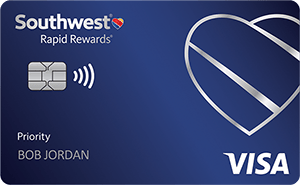
Then there’s Southwest Airlines, which introduced basic fares in 2025, along with assigned seating and checked bag fees. But Southwest cardholders can still get seat selection perks on basic fares — and in some cases, can even snag an extra legroom seat, the airline’s priciest option. That’s on top of one free checked bag for themselves and up to eight more for companions on the same reservation.
With most United Airlines cards, you still get free checked bags, a free carry-on and priority boarding when booking a basic fare. You can also earn miles on those tickets, while most other travelers earn none. And as of April, United cardholders earn more miles across all fares, too.
Cardholders can get discounted award flights
More airline cards are also offering discounts on award flights, perks that weren’t common just a few years ago.
Delta Air Lines led the way with this trend in 2023 when it launched its “TakeOff 15” benefit, which gets cardholders 15% off award redemptions on Delta flights.
In April 2026, United and JetBlue made similar moves. United Airlines cardholders started receiving discounts on award flights in April 2026, including 10% off for cardholders without elite status and 15% or more for United Premier elites. They also got expanded access to Saver award space (United’s cheapest award tickets), making it easier to stretch their MileagePlus balances.
In the same week, the JetBlue Premier Card also announced it would begin offering a 15% reward rebate on redemptions (including for partner airlines' flights), up from 10%.
These discounts might seem small, but they can add up to significant savings.
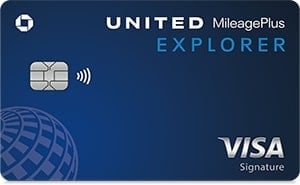
If a United flight costs 100,000 miles, for example, a cardholder without status would save 10,000 miles with the 10% award discount. NerdWallet values United miles at 1.2 cents each, making those savings worth $120 in value. Those savings could cover a significant chunk of a United card's annual fee.
The most premium perks are increasingly tied to cards
As more airlines begin offering premium credit cards, we’re also starting to see incredibly valuable perks tied to having these airline cards. You don’t need to earn elite status to get these benefits; they’re available to anyone willing to pay the card’s annual fee. And big spenders can often earn even more perks.
Consider airport lounge access, which used to be exclusive to passengers shelling out top dollar for first- and business-class seats. Today, lounge access benefits tied to airline cards are so popular that overcrowding has become a major issue.

Newer cards are pushing these benefits even further. Take the Atmos™ Rewards Summit Visa Infinite® credit card, for instance. In addition to Alaska lounge passes, it also offers an annual Global Companion Award worth up to 25,000 points each year you pay the $395 annual fee. The award is applied as a discount to the total points cost for an award ticket and can be used in any class of service across Alaska’s full route network, including Oneworld partner airlines.
Last year, I used that award to save over $3,000 on first-class tickets to Turks and Caicos on Oneworld partner American Airlines. That’s enough savings to cover the $395 annual fee for almost eight years. That level of flexibility and value without needing elite status is relatively new.
And the benefits get richer when you spend more. If you spend $60,000 on the Atmos™ Rewards Summit Visa Infinite® credit card in a year, you’ll unlock an additional 100,000-point Global Companion Award. That massive award more than covers an international business class flight with Oneworld partners, including top-tier carriers like Japan Airlines and Finnair.
What this shift means for travelers
If you’ve written off airline cards before, it might be time to take another look.
As airlines prioritize spending over flying, not holding a card can mean missing out on significant savings and benefits, not just extra miles. And with the high cost of flying, frequent flyers aren’t the only ones who benefit. With fewer inclusions in base fares and more dynamic award pricing, holding the right card is one of the simplest ways to pay less for the same trip.
How to maximize your rewards
You want a travel credit card that prioritizes what’s important to you. Here are some of the best travel credit cards of 2026:
Flexibility, point transfers and a large bonus: Chase Sapphire Preferred® Card
No annual fee: Wells Fargo Autograph® Card
Flat-rate travel rewards: Capital One Venture Rewards Credit Card
Bonus travel rewards and high-end perks: Chase Sapphire Reserve®
Luxury perks: American Express Platinum Card®
Business travelers: Ink Business Preferred® Credit Card