State Farm's three co-branded credit cards, issued by U.S. Bank, are decent in terms of rewards and incentives, and none of them charges an annual fee. But overall they lag the competition and are open to State Farm customers only.
The two rewards-earning cards — one for general consumers and one for small-business owners — offer useful bonus rewards categories, including cash back in the rare category of insurance-premium payments. That's the feature that sets the rewards cards apart. The third card doesn't earn rewards but offers a 0% intro APR period.
But if the insurer really wanted to be "like a good neighbor," State Farm would be there for its customers with better rates and terms for those incentives. The rewards on premiums are capped, for instance, and you can find longer 0% intro APR promotions.
Here’s what you should know about the three State Farm credit cards.
1. Not everyone can get them
While the two rewards-earning cards will earn cash back on insurance premiums with any insurer, you won't be able to get a State Farm credit card in the first place unless you're a State Farm customer.
2. The two personal cards are decent ...
State Farm-branded personal credit cards come in two flavors: a rewards card and a 0% intro APR card. Here are the main features.
State Farm® Premier Cash Rewards Visa Signature® Card
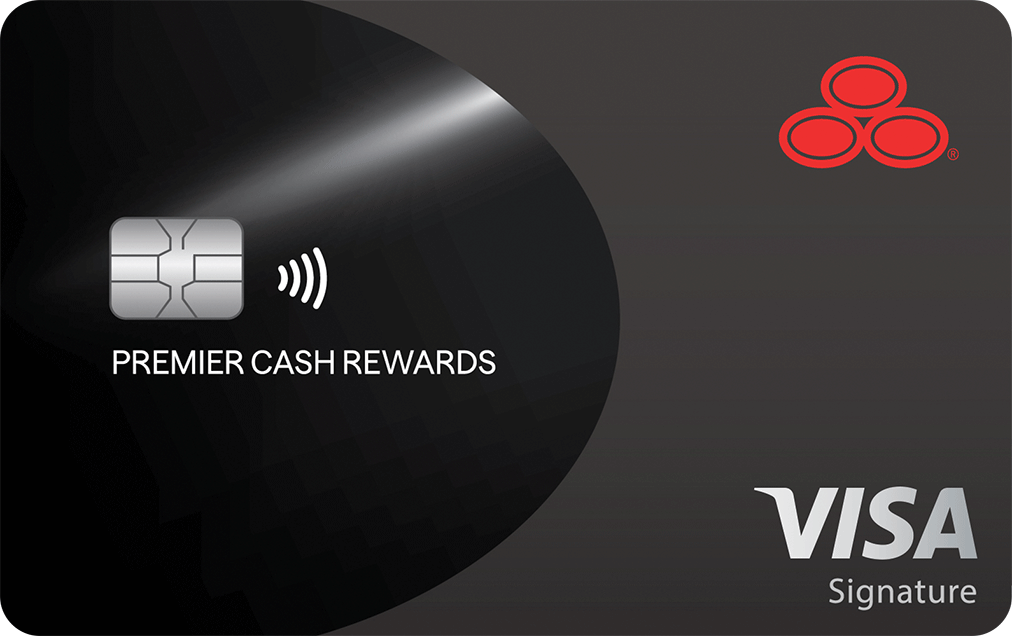
Rewards:
- 3% cash back on insurance premium payments, up to $4,000 spent annually.
- 2% back at gas stations, drugstores, grocery stores and on dining, including takeout and food delivery service purchases.
- 1% back on all other purchases.
Sign-up bonus:
Earn a bonus $150 cash back by spending $500 in the first 90 days of being approved for the State Farm® Premier Cash Rewards Visa Signature® Card.
The differentiator with this card is 3% cash-back rate on insurance purchases, although it’s capped. (More on that below.) That's a high rate in a very unusual bonus category.
Beyond that, it's also useful to have gas, groceries, restaurants and drugstores as bonus categories. Another plus is that redemption options are straightforward, such as a statement credit or deposit to a savings or checking account.
The problem, however? The bonus cash-back rate for anything beyond insurance premiums is just 2%. Some cash-back cards give you 2% back or more on everything, without having to remember bonus categories.
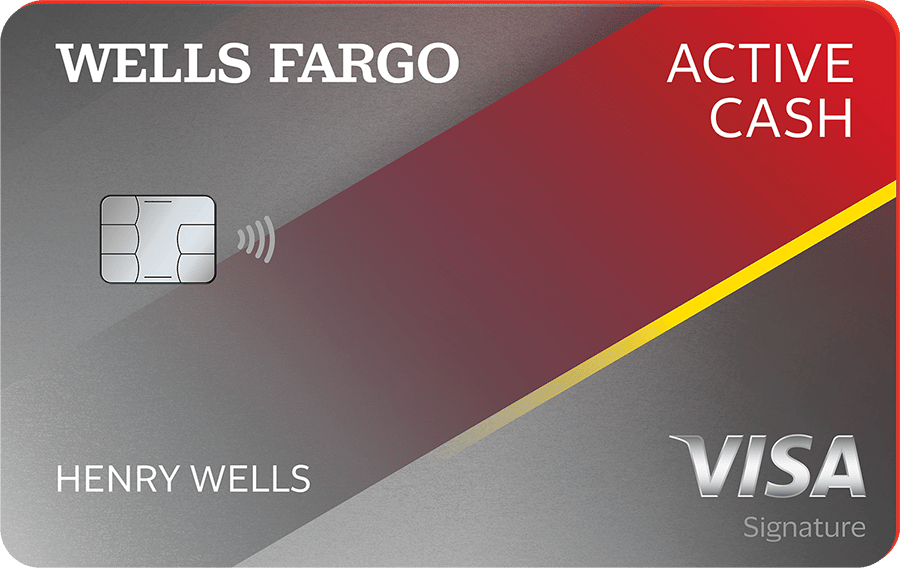
The Wells Fargo Active Cash® Card card is a good example. It earns 2% cash back on all eligible purchases, and it also has a welcome bonus: Earn a $100 cash rewards bonus after spending $500 in purchases in the first 3 months. With this rate, you’ll earn rewards faster, and they aren’t capped.
State Farm® Good Neighbor Visa® Card
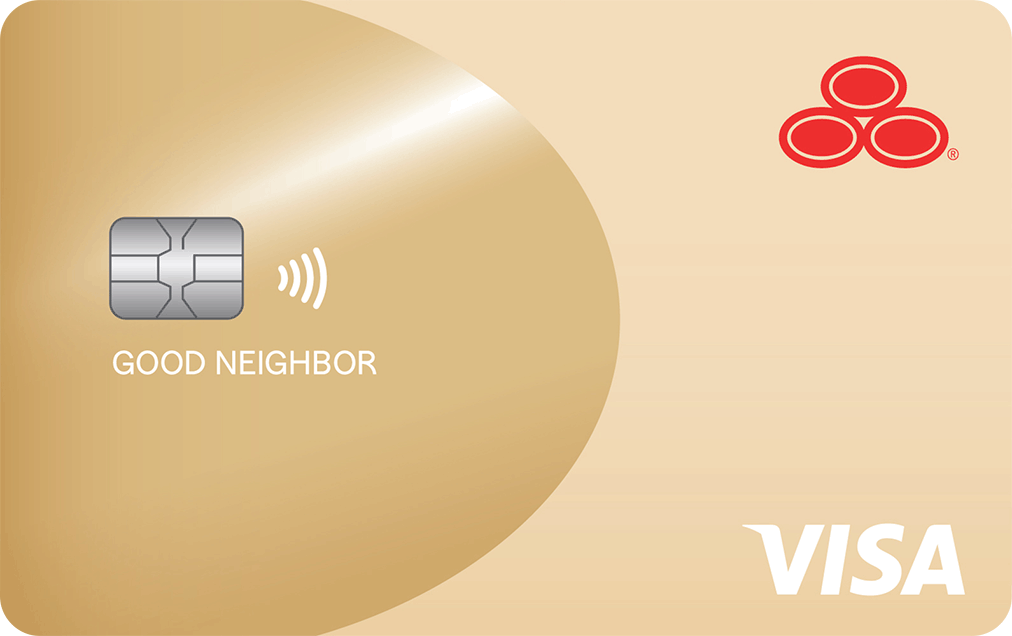
This is a card with a promotional interest-free offer. You'll get a 0% introductory APR for the first 18 billing cycles for purchases and balances transferred within 60 days from account opening, and then the ongoing APR of 17.49%-27.49%, Variable APR.
The balance transfer fee is 5% of the amount of each transfer or a $5 minimum, whichever is more.
Getting a lengthy 0% APR on purchases and balance transfers is pretty easy to find among the best balance-transfer and 0% APR credit cards. So while the offer is solid, this card doesn’t stand out, except for a few side perks. (More on that below.)
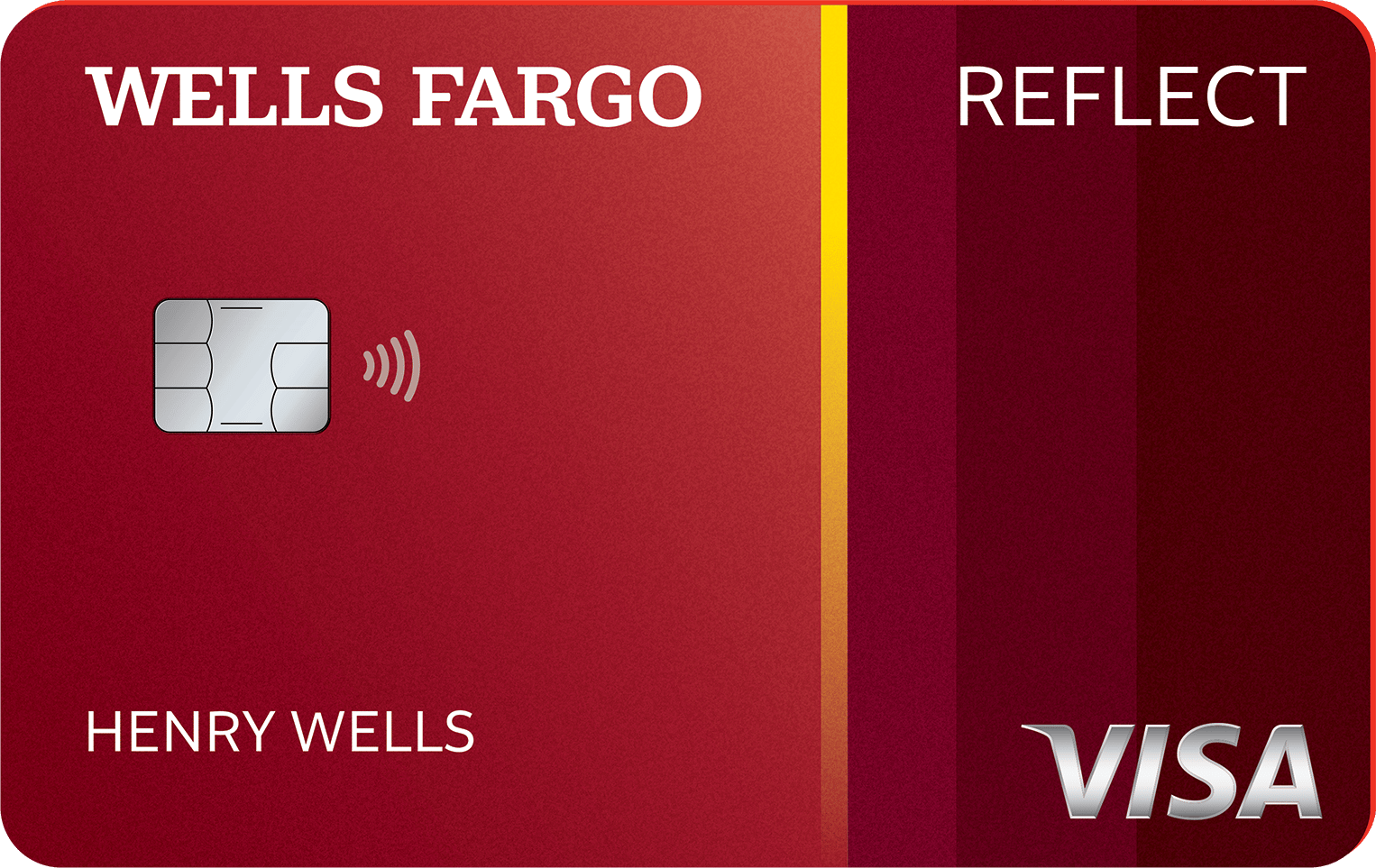
For a longer interest-free window, you could consider an option like the Wells Fargo Reflect® Card. It offers a 0% intro APR for 21 months from account opening on purchases and qualifying balance transfers, and then the ongoing APR of 17.74%, 24.24%, or 28.49% Variable APR. It also charges an introductory balance transfer fee: 5%, min: $5.
3. ... But the best rewards come from the business card
State Farm saved the best goodies for its small-business rewards card. Here's what it offers:
State Farm® Business Cash Rewards Visa Signature® Card
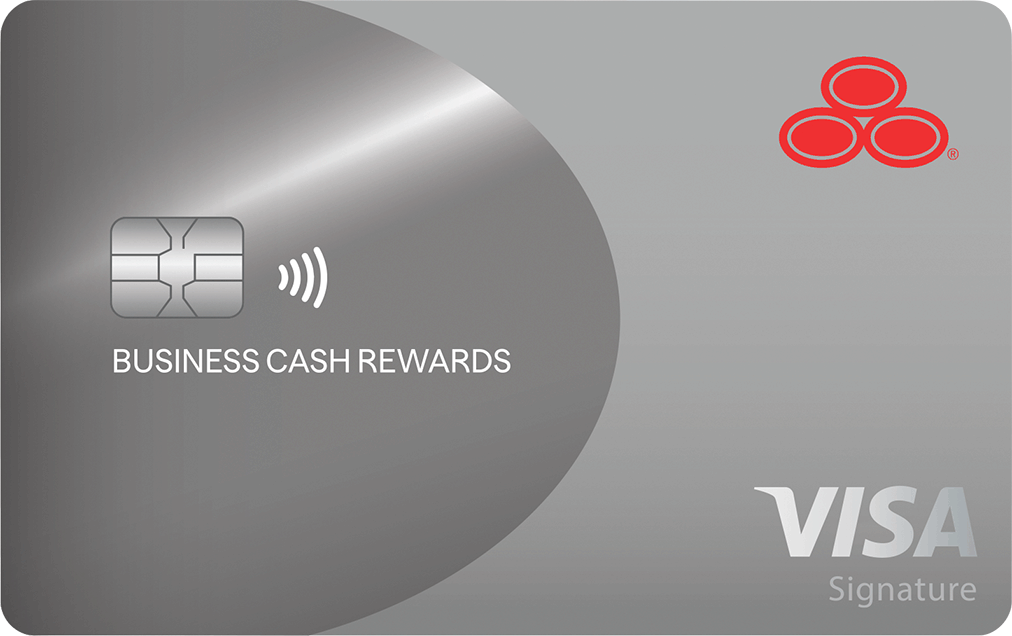
Rewards
- 3% cash back on insurance premium payments, up to $4,000 spent annually.
- 3% back at gas stations, cell phone service providers, office supply stores and on dining, including takeout and food delivery service purchases.
- 1% back on all other purchases.
- $100 annual software subscription credit.
You get the same elevated cash-back rate on insurance premiums, but this card is notably better than the personal card because of the 3% cash back (instead of 2%) on gas stations and dining, for example. The bonus rewards categories are somewhat different but still useful. The software-subscription credit seems especially valuable to business owners who pay for software for, say, keeping the books for filing tax returns.
But the business rewards card has a notable drawback: No cash sign-up bonus like with the personal card. Instead, you get a promotional APR offer: 0% intro APR on purchases and balance transfers for 12 billing cycles, and then the ongoing APR of 17.49%-26.49%, Variable APR.
🤓Nerdy Tip
While none of the three State Farm credit cards charges an annual fee, they all come with foreign transaction fees. You’ll be charged 3% of each purchase made internationally, and that can add up.The good news with the rewards cards is you can earn elevated cash-back rates on the insurance premiums paid to State Farm — or any other insurer — as long as the charge is categorized as insurance. Insurance is a rare bonus-rewards category.
The bad news? Bonus cash-back rewards on insurance premium payments are just 3% and limited to $4,000 spent annually (and 1% after that.) That cap applies to both the personal and business rewards cards. To spend the maximum, you would probably have to carry multiple insurance policies — a couple of auto policies and a homeowners policy, and maybe term life insurance, too.
Even then, in lower-cost insurance states, you might not hit $4,000 a year.
If you did max out, 3% of $4,000 is just $120 cash back. That’s only $40 better than you would earn by paying insurance premiums with a flat-rate 2% cash-back card. Is that enough of an incentive to apply for a State Farm card?
» MORE: State Farm life insurance review
5. All three come with cell phone insurance
The cards vary slightly in perks, but all three have cell phone insurance. You can be reimbursed up to $600 if your cell phone is stolen or damaged. You must pay your monthly wireless phone bill with the State Farm card.
Also, note that the two rewards cards are the Visa Signature variety and come with some additional perks.