





Coastal Community Bank — founded in 1997 and headquartered in Everett, Washington — serves businesses and individuals in the Puget Sound area. Coastal Community Bank also issues a handful of personal and business credit cards. An eclectic group to be sure, Coastal Community Bank’s portfolio encompasses several credit-builder cards, a top-notch cash-back card and a credit card/HELOC hybrid.
The bank issues the following credit cards:
Bluevine Business Cashback credit card.
Finstro credit card (closed to new applications).
Sable One secured credit card (closed to new applications).
In general, these credit cards are niche products intended for a specific customer. For those who fall outside of the target demographic, the broader credit card market has more than enough serviceable options.
Here’s a sampling of some of the unique cards issued by Coastal Community Bank.
Aven Home Equity credit card
The Aven card is a type of asset-secured card — one that’s secured by something other than a cash deposit, such as jewelry or a vehicle. In the case of the Aven card, the collateral securing the credit line is your home’s equity. If you have a lot of equity, you could get access to a high credit limit — but securing a credit card with your home is a potentially dangerous proposition. The consequence of defaulting, or failing to make a payment for more than 180 days, can include losing your home if the issuer decides to use it to pay off your outstanding debts. Yes, the card earns an unlimited 2% on every purchase, has a $0 annual fee and a relatively low APR, but for most people, these benefits won’t outweigh the massive risk inherent in the Aven card.
If it’s a big credit limit you’re after, try requesting a credit limit increase on credit cards you already have. When you have multiple credit cards from the same issuer, you may also ask to have some of the available credit on one card transferred to another.
Aven also offers two separate credit card products that don't require homeownership, a cash back option and a bitcoin-backed option:
Aven Rewards Card. The card earns rewards on par with some of the best cash-back credit cards on the market. Cardholders can get 3% cash back on all purchases, on up to $10,000 in spending per year, then an unlimited 2% back. Notably, the card's terms and conditions describe the card's rates as "promotions" that began on Oct. 24, 2024, and that “can be terminated at Aven’s discretion.”)
Aven Bitcoin Visa. With the card, holders can access a Bitcoin-backed line of credit of up to $1 million in liquidity, based on how much Bitcoin they deposit into an eligible account. Uniquely, it offers rewards — 2% back on all purchases — as cash back and not in the form of cryptocurrency like crypto credit cards typically do. Additionally, cardholders can use their line of credit to refinance existing debt from other credit cards and Bitcoin-backed loans.
Kikoff credit card
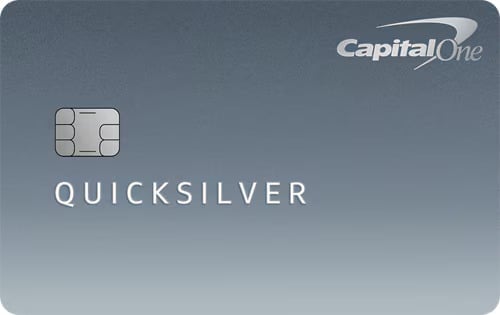
At first glance, the Kikoff card is an ideal option for people who want to build or rebuild credit: There’s no annual fee, late fee or foreign transaction fee, and no minimum security deposit requirement. The Kikoff card even earns rewards on purchases at select merchants. However, to qualify for the card, you need a Kikoff Premium ($20/month) or Ultimate ($35/month) subscription. Both subscriptions offer a rent reporting service where on-time rent payments are reported to the credit bureau Equifax. However, non-renters will have little use for a Kikoff subscription. In that case, consider a secured card that really has no such extraneous fees, such as the Capital One Quicksilver Secured Cash Rewards Credit Card. It has a $0 annual fee, doesn’t require a paid subscription, and earns an unlimited 1.5% cash back on every purchase, plus 5% back on hotels, vacation rentals and rental cars booked through Capital One Travel.
Prosper credit card
For people who balk at putting up several hundred dollars in a security deposit for a credit card, the Prosper card is an attractive option. Prosper cardholders can get credit lines from $500 to $3,000, no security deposit required. Prosper also automatically reviews accounts periodically to determine eligibility for credit limit increases. The rub is the card’s $59 annual fee, but that’s waived for the first year if you sign up for autopay before your first credit card statement is issued.
That's a relatively low annual fee for cards in this class. But if you’d rather not pay an annual fee at all — and can handle a flexible deposit, with no minimum required amount — a card like the Current Build Card ticks both of those boxes.
Robinhood credit card
Everything about the Robinhood credit card screams "exclusive." First, "Gold" is right there in its official name, and naturally, the card is gold-colored. It’s also made of metal — 17 grams of stainless steel, to be exact. And as of November 2024, the card is available by invitation only. If you want the card, you’ll have to add your name to the waitlist. The Robinhood Gold Card could be worth the wait, though. For no annual fee, it earns an unlimited 3% cash back on all purchases except for travel booked through the Robinhood Travel portal, which earns 5% back. Other perks include trip interruption reimbursement and rental car collision damage waiver.
Still, the Robinhood Gold card loses a bit of its luster when you learn that it’s not actually free. To get the card, you must have a Robinhood Gold membership, which costs $5 per month, or $50 if paid for all at once. You also need a Robinhood brokerage account to redeem rewards earned with the card.
For the right customer who manages to get plucked off the waitlist, the Robinhood Gold Card can be a rewards-earning powerhouse. Others may find the card’s exclusivity and multiple requirements a turnoff.