




A home inspection helps you make a more informed decision about the home you're considering buying.
If your home has potential issues, a home inspector can flag these, plus give you a better idea of the ongoing maintenance the property will require.
When you're buying a house, a thorough home inspection can save you thousands of dollars in unexpected repairs — or from unwittingly buying a money pit.
What is a home inspection?
A home inspection is a visual assessment of a house's physical structure and mechanical systems.
The inspector also checks that major appliances are functional, scrutinizes the heating and air conditioning system, examines the plumbing and electrical systems and may even poke around in the attic and basement.
The goal of a home inspection is to uncover issues with the home itself. Inspectors won’t tell you if you’re getting a good deal on the home or offer an opinion on the sale price.
What's included in a home inspection?
Here’s a rundown of the typical areas home inspectors view when evaluating a property:
Roof
Attic and basement (if accessible)
Siding and windows
Foundation
Garage and driveway
Property grounds
Interior (floors, walls, ceilings, windows and doors)
Plumbing and electrical
Heating and cooling systems
Insulation
Major appliances
What's not included in a home inspection?
A standard home inspection typically doesn’t include specialized testing for:
Radon
Wood-destroying organisms (WDO), such as termites, carpenter ants and rodents
Mold
Asbestos
Lead paint
For these areas, you’ll usually need to order separate inspections or add-on services from your inspector or a licensed specialist.
» MORE: Home inspection do's and don'ts
When does the home inspection happen?
The home inspection typically happens after the seller has accepted your offer but before buying the house. In the case of a competitive market, a buyer seeking an edge may pursue a pre-offer inspection to demonstrate seriousness and improve the odds of standing out to the seller.
To provide enough time for additional inspections or for negotiations with the seller, you'll want to schedule a home inspection as soon as possible once you're under contract.
Hiring a home inspector
As the buyer, it's on you to hire the home inspector. Even if the seller offers to share their home inspection report or claims the house is pre-inspected, you'll want to arrange your own inspection so you can vet the inspector yourself. Home inspectors aren’t federally regulated, and they’re not even licensed in all states.
How to find home inspectors
Seek recommendations from friends and colleagues, and search the databases of professional associations, such as the American Society of Home Inspectors and the International Association of Certified Home Inspectors. Such organizations usually require members to pass an exam, honor a code of ethics and complete continuing education.
How to choose the best home inspector
It’s a best practice to interview potential home inspectors about their experience, training and areas of expertise. For example, if you're considering a fixer-upper or looking at an older house, you’ll want an inspector who has knowledge about historic homes.
Ask for references from prior clients, especially homeowners who have been in their homes for at least six months. This will help you determine whether any issues popped up that were unreported in their inspections.
How much does a home inspection cost?
Home inspections cost about $400 on average, according to the National Association of Realtors, but they can easily exceed that depending on the size of your property and location.
Unlike many other closing costs, you generally pay the home inspector at the time of the service or soon after.
Think of it this way: If the home inspector has to wait until closing to get paid, they'd have an incentive to make sure the closing goes smoothly. However, an unscrupulous one might underreport problems that could get in the way of the sale.
» MORE: Avoid a disclosure disaster
What happens during a home inspection?
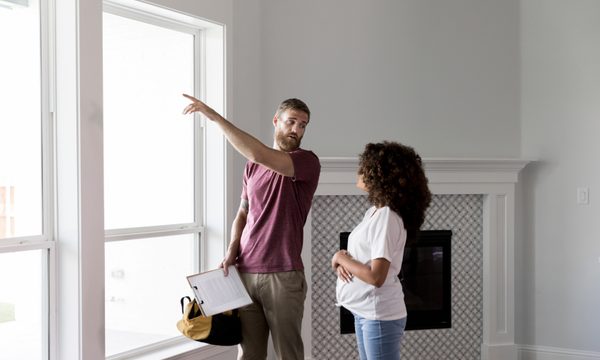
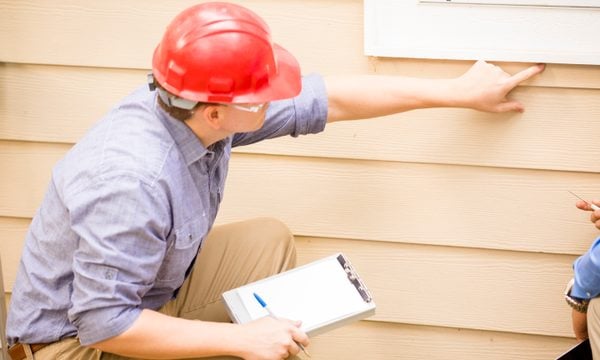
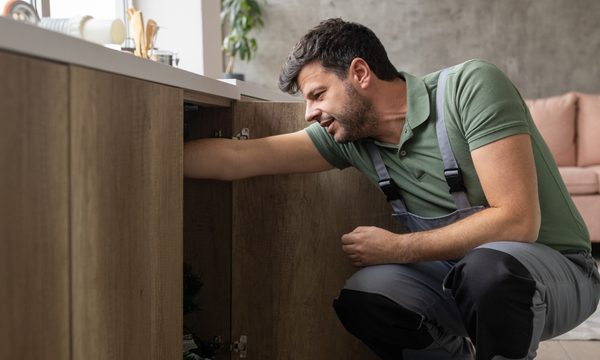
A home inspector should take several hours to complete a detailed walk-through of the home you’re looking to buy. During that time, the inspector will take notes and pictures and, if you’re tagging along, comment on what they see.
An inspector might have a thought or two on child-safety issues found in the home, but again, that depends on the inspector’s experience and competencies. And a home inspector doesn’t necessarily determine whether your home is compliant with local building codes.
They also won't comment on anything aesthetic, unless it betrays a larger problem. For example, they may point out a ceiling stain that indicates water damage.
Most importantly, the inspector will provide an objective opinion on the home’s condition, detached from the emotional rollercoaster you’ve been on during the home buying process.
What's included in a home inspection report?
A good home inspection report is extensive, containing:
Checklists
Summaries
Photographs
Notes
The report may estimate the remaining useful life of major systems and equipment, as well as that of the roof, structure, paint and finishes.
The critical information will include recommended repairs and replacements, too.
That said, an inspection is not a pass-fail exam. No fixes are mandatory after a home inspection, though it may uncover issues that prompt further negotiations with the seller. You’ll learn much about the home and gain confidence in the decision to move into your new address — or find out enough to pass on the purchase.
NerdWallet writer Robin Rothstein contributed to this story.