How to Keep Home Improvements From Demolishing Your Budget
Home repairs can throw off your budget — here's how to prepare.
Some or all of the mortgage lenders featured on our site are advertising partners of NerdWallet, but this does not influence our evaluations, lender star ratings or the order in which lenders are listed on the page. Our opinions are our own. Here is a list of our partners.
Updated · 3 min read

Written by
Economist & Spokesperson 




Edited by
Editor & Content Strategist 



Owning a home can be expensive, and monthly costs can be volatile. You can prepare for your mortgage payment, but if a leaky roof catches you off guard, your entire budget could be thrown out of whack.
Fewer than half (42%) of homeowners who took on home improvement projects over the past two years say they were able to easily pay for the majority of them without tapping into savings, going into debt or making sacrifices, according to the 2022 Home Improvement Report from NerdWallet.
Considering American homeowners spent an average of nearly $5,000 on home improvement projects in 2023, according to Harvard University's most recent Improving America's Housing study, having some money set aside is a good first step .
"It feels great to have cash on hand to pay for home improvements," says NerdWallet home expert Holden Lewis. "But there are other ways to pay for home improvements and ways to ease the stress of an already stressful time.”
1. Plan ahead and track
A homeowner’s to-do list is never complete, but keeping a running tally is essential. Keep track of your regular maintenance schedule, such as furnace filter replacements and gutter cleaning; the priority projects that you’d like to get done soon, like fixing a drafty window or an exterior door that sticks; and the major updates you’d like to do eventually, such as replacing your kitchen cabinets or adding a new bathroom.
Add a date as you complete each item. You’ll be less likely to forget regular upkeep, and you can more easily prioritize the things that will save you from major repairs down the road. This can pay off in years to come when, for example, you realize you're about to repair your air conditioner for the fifth summer and decide it would be savvier to replace it.
Tracking your projects is also useful when it comes time to sell. It’s much easier to pinpoint what year you put on a new roof when you have the records all in one place, and the new owners will appreciate knowing the work you put in over the years.
2. Add to your emergency fund
It's a good idea for everyone to have money set aside for home repairs, especially those not living in a brand-new home. Unexpected repairs will come up: a 2025 study from repair company HomeServe found that 81% of homeowners experienced emergency home repairs in the past year.
In general, an emergency fund is designed to cover all of life’s unexpected expenses or regular expenses if you lose income. Adding an extra cushion can help pay for surprise home repairs without touching your primary safety net.
Including an extra few hundred dollars for your home will be enough to get your locks changed if you lose a key, to fix a leaky pipe, or patch a small roof leak — the little things that you don’t want to put off until your next payday or windfall.
3. Act quickly when it comes to repairs
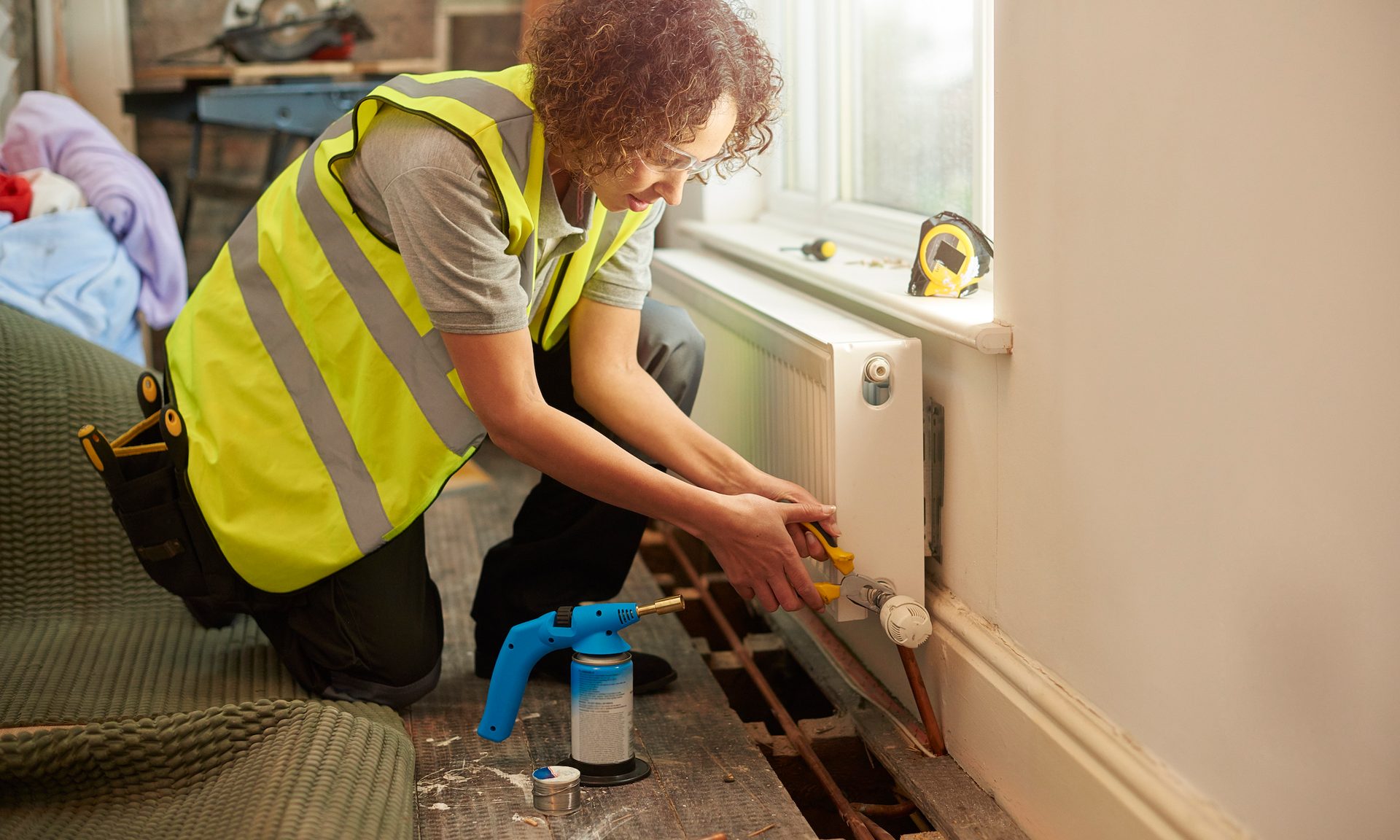
When a repair pops up, tend to it. What begins as a minor issue can become a very expensive disaster if you put it off. A leaky pipe under the sink could eventually lead to a rotten subfloor, for example, boosting the cost of your problem exponentially.
Advertisement



HELOC & Home Equity Loans from our partners
on FourLeaf Federal Credit Union
FourLeaf Federal Credit Union
Min. credit score
670
Max. loan amount
$1,000,000
on Achieve
Achieve
Min. credit score
600
Max. loan amount
$300,000
on Figure
Figure
Min. credit score
600
Max. loan amount
$750,000
4. Know your financing options
Have a plan in place should your home need major work or a big renovation project — things your emergency fund or savings may not cover. According to the 2022 NerdWallet study, 12% of homeowners had to take on debt such as loans or credit card debt, and 8% borrowed against the equity in their home to pay for the majority of home improvement work, with many others exhausting their savings or making major sacrifices to pay for repairs.
Home equity loans and home equity lines of credit (HELOCs) can be solid financing options. Knowing your home’s value is a good starting point for either of these because the amount you’re allowed to borrow is based on market value minus how much you still owe on your mortgage or equity.
5. Consider doing it yourself
Homeowners under age 35 DIY their home repairs and improvements more than they hire professionals and do so more than all other age groups, according to the NerdWallet report. As such, they’re spending less on a typical project (DIY projects generally cost less than hiring a professional because you aren’t paying for labor).
However, screwing up a DIY project can wind up costing you more to fix. Make sure to choose DIY projects within your skill set or those that can be quickly learned and easily fixed should they go wrong.
6. If you go pro, do your research
If the project is outside of your abilities or you’d just rather pay for professional-grade work, be vigilant. Get at least a few estimates and ask questions — how they intend to do the job, what the estimated timeline is, whether they’re insured and how much experience they have with projects like yours, for example.
Don’t simply go with the cheapest person to save a few bucks — you may wind up spending more to fix their mistakes. Professionals should always come out to inspect the job in person, so don’t agree to hire someone over the phone or online.
"Home repairs are inevitable, and you'll surely want to do renovations, even if they're as simple as painting a bathroom," Lewis says. "Before the work begins, you'll feel less stress if you know where the money will come from."
Article sources
NerdWallet writers are subject matter authorities who use primary,
trustworthy sources to inform their work, including peer-reviewed
studies, government websites, academic research and interviews with
industry experts. All content is fact-checked for accuracy, timeliness
and relevance. You can learn more about NerdWallet's high
standards for journalism by reading our
editorial guidelines.
- 1. JCHS.Harvard.edu. Improving America's Housing 2025. Accessed Nov 24, 2025.