Update, 3/9/26: The SBA has expanded this citizenship requirement to cover the SBA's microloan and Surety Bond Guarantee programs. Starting April 1, businesses must be 100% owned by U.S. citizens or nationals to qualify for those programs.
Small businesses with immigrant or mixed-status ownership will soon lose access to some of the most affordable financing available to them.
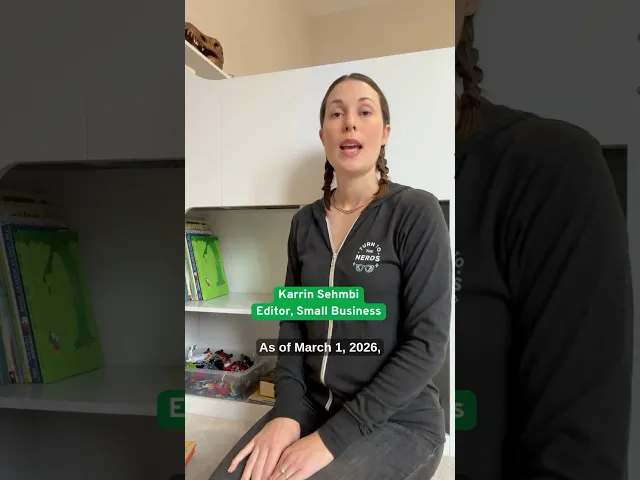
Starting March 1, 2026, lawful permanent residents — commonly referred to as green card holders — will no longer be eligible for SBA 7(a) or 504 loans, under a new U.S. Small Business Administration rule that requires 100% U.S. citizen or national ownership.
The change will “materially reduce access to SBA financing for many small businesses ... that previously qualified,” Jeremy Gilpin, president and CEO of Community Bank & Trust said via email.
Here’s what’s changing with SBA loan eligibility, and what it means for small-business owners.
How much do you need?
We'll start with a brief questionnaire to better understand the unique
needs of your business.
Once we uncover your personalized matches, our team will consult you
on the process moving forward.
New SBA loan ownership requirements
The new SBA rule requires all owners of a small business, including indirect owners, to be U.S. citizens or nationals who primarily reside in the U.S. or its territories. Under the change, lawful permanent residents (LPRs), or green card holders, are no longer eligible to own any part of a business seeking an SBA loan.
This eligibility change applies to applicants for both the SBA 7(a) loan and 504 loan programs.
Previously, businesses applying for SBA loans were required to be at least 51% owned by U.S. citizens, nationals or lawful permanent residents. In 2025, the SBA tightened that requirement to 100% ownership by those groups. This new rule goes a step further by removing lawful permanent residents entirely from eligibility.
What the SBA loan rule change means for borrowers
For current applicants: Borrowers with any ownership held by lawful permanent residents will need to ensure their SBA loan applications are fully submitted and approved prior to March 1. If your application is not approved by that date, you will no longer be eligible under the new ownership requirements.
For existing borrowers: The rule change does not impact borrowers who already have SBA loans. It would, however, apply to future ownership changes, Gilpin said. If you modify your ownership after March 1, any new owners would need to be U.S. citizens or U.S. nationals to remain compliant with the SBA’s requirements.
How the rule could restrict access to affordable financing
Experts say the rule change could significantly limit access to affordable financing for small businesses owned by lawful permanent residents.
Green card holders who lose access to SBA loans will have to turn to alternative options, such as conventional bank loans, online lenders or community development financial institutions (CDFIs). But those options may be more expensive, harder to qualify for or impractical for some borrowers, Gilpin said.
Reduced access to affordable capital can also have negative effects on local economies, dampening business growth, job creation and tax revenue, Carolina Martinez, CEO of CAMEO Network, a national support network for micro businesses, said.
“When small businesses don’t have the capital they need, they can’t reach their full economic potential — especially at a moment when they are facing increased costs of doing business due to tariffs and inflation,” she said in an email.
What affected business owners should do now
Business owners who are in the process of applying for an SBA loan and expect to be affected by the eligibility change should reach out to their lender as soon as possible. Ask whether there are steps you can take to move the application forward and whether they can provide an estimated timeline for approval.
For those who have not yet applied for an SBA loan, it’s unlikely that you’ll be able to submit an application and receive approval before the rule takes effect. In that case, you’ll need to explore alternative financing options.
CDFIs can be a good place to start, Martinez said. These institutions specialize in lending to and advising business owners who don’t qualify for traditional bank loans. CDFI loans also tend to have more lenient eligibility requirements and competitive interest rates.
Online lenders can provide flexible and fast access to capital, but they typically charge higher interest rates. Martinez recommends working with your local Small Business Development Center, Women’s Business Center or another trusted advisor to compare different products and find the best option for your business needs.
If you want help comparing options quickly, you might consider working with a business lending marketplace, like NerdWallet Small Business. You submit one application, see offers from multiple lenders and receive personalized support from lending representatives.

Article sources
NerdWallet writers are subject matter authorities who use primary,
trustworthy sources to inform their work, including peer-reviewed
studies, government websites, academic research and interviews with
industry experts. All content is fact-checked for accuracy, timeliness
and relevance. You can learn more about NerdWallet's high
standards for journalism by reading our
editorial guidelines.
- 1. U.S. Small Business Administration. Update to SOP 50 10 8 – Citizenship and Residency Requirements and Recission of Procedural Notice 5000-872050. Accessed Feb 4, 2026.