

Best Credit Cards for Young Adults of March 2026


Many or all of the products on this page are from partners who compensate us when you click to or take an action on their website, but this does not influence our evaluations or ratings. Our opinions are our own.


Many or all of the products on this page are from partners who compensate us when you click to or take an action on their website, but this does not influence our evaluations or ratings. Our opinions are our own.
Welcome to young adulthood! With that entry-level salary and growing collection of expenses, your life is getting more complicated. The way you pay for things is going to need to keep up. Here are some of the best credit cards for young adults, whether you’re totally new to using them, or you’re looking for something a little more rewarding than your starter card.
2026 Best all-purpose cash back credit card
Apply Nowon Wells Fargo's websiteon Wells Fargo's websiteAnnual fee$0Rewards rate2%CashbackIntro offer$200Recommended credit scorePurchase intro APR0% intro APR for 12 months from account opening on purchasesBalance transfer intro APR0% intro APR for 12 months from account opening on qualifying balance transfersRegular APR18.49%, 24.49%, or 28.49% Variable APRRewards breakdown
2%Unlimited Cash rewards on purchases.Card details
- Apply Now to take advantage of this offer and learn more about product features, terms and conditions.
- Earn a $200 cash rewards bonus after spending $500 in purchases in the first 3 months.
- Earn unlimited 2% cash rewards on purchases.
- 0% intro APR for 12 months from account opening on purchases and qualifying balance transfers. 18.49%, 24.49%, or 28.49% variable APR thereafter; balance transfers made within 120 days qualify for the intro rate and fee of 3% then a BT fee of up to 5%, min: $5.
- $0 annual fee.
- No categories to track or remember and cash rewards don’t expire as long as your account remains open.
- Find tickets to top sports and entertainment events, book travel, make dinner reservations and more with your complimentary 24/7 Visa Signature® Concierge.
- Up to $600 of cell phone protection against damage or theft. Subject to a $25 deductible.
- View Rates & Fees
NerdWallet's take
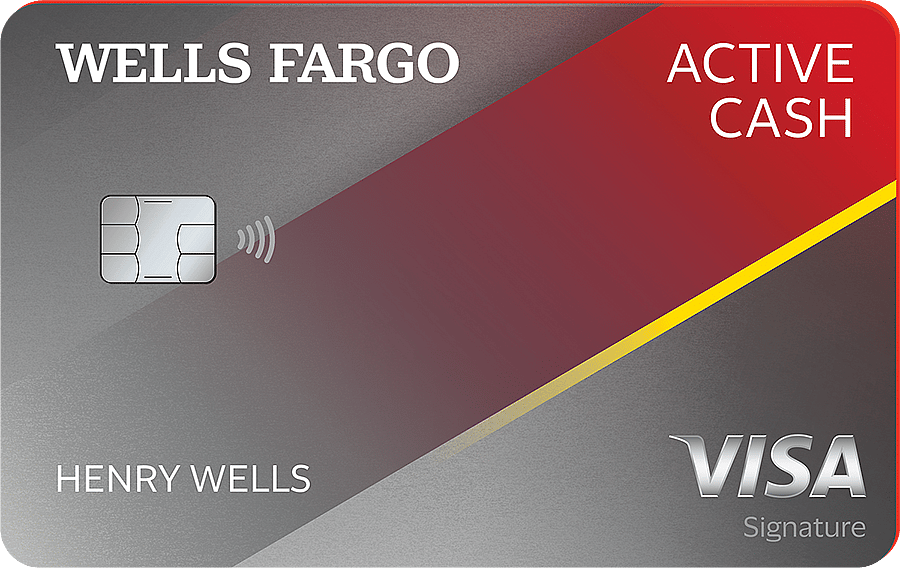
The Wells Fargo Active Cash® Card earns a straightforward 2% cash back on all eligible purchases. No categories to track means one less thing to worry about while you figure out this adulting thing.
Read full reviewPros$0 annual fee.
Intro APR period for purchases and balance transfers.
Cell phone insurance.
Earn a $200 cash rewards bonus after spending $500 in purchases in the first 3 months.
ConsForeign transaction fee.
Higher cash-back rates are possible in popular spending categories, if you're willing to keep track of those expenses.
2026 Best credit card for dining
Apply Nowon Capital One's websiteon Capital One's websiteAnnual fee$0Rewards rate1%-8%CashbackIntro offer$200Recommended credit scorePurchase intro APR0% intro on purchases for 12 monthsBalance transfer intro APR0% intro on balance transfers for 12 months; balance transfer fee appliesRegular APR18.49%-28.49% Variable APRRewards breakdown
8%Cash back on Capital One Entertainment purchases.5%Cash back on hotels, vacation rentals and rental cars booked through Capital One Travel.3%Cash back on dining.3%Cash back on entertainment.3%Cash back on popular streaming services.3%Cash back at grocery stores (excluding superstores like Walmart® and Target®).1%Cash back on all other purchases.Card details
- Earn a one-time $200 cash bonus once you spend $500 on purchases within the first 3 months from account opening
- $0 annual fee and no foreign transaction fees
- Earn unlimited 3% cash back at grocery stores (excluding superstores like Walmart® and Target®), on dining, entertainment and popular streaming services, plus 1% on all other purchases
- Earn 8% cash back on Capital One Entertainment purchases
- Earn unlimited 5% cash back on hotels, vacation rentals and rental cars booked through Capital One Travel
- No rotating categories or sign-ups needed to earn cash rewards; plus cash back won't expire for the life of the account and there's no limit to how much you can earn
- 0% intro APR on purchases and balance transfers for 12 months; 18.49% - 28.49% variable APR after that; balance transfer fee applies
- Top rated mobile app
- View Rates & Fees
NerdWallet's take
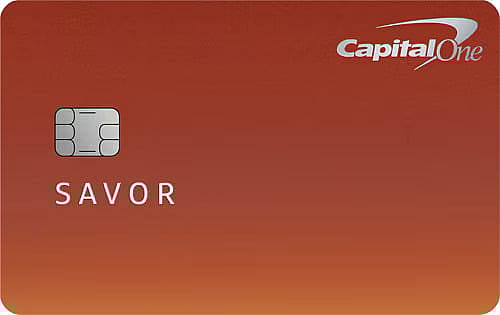
The Capital One Savor Cash Rewards Credit Card is a great fit for young adults who enjoy cooking at home and dining out in equal measure.
Read full reviewPros$0 annual fee.
Earn unlimited 3% cash back at grocery stores (excluding superstores like Walmart and Target), on dining, entertainment and popular streaming services, plus 1% on other purchases.
Earn a one-time $200 cash bonus once you spend $500 on purchases within the first 3 months from account opening.
Rewards are transferrable to Capital One’s Venture cards.
Intro APR period for purchases and balance transfers.
No foreign transaction fee.
Cons2026 Best credit card for groceries
Apply Nowon American Express' websiteon American Express' websiteAnnual fee$0 intro annual fee for the first year, then $95.Rewards rate1%-6%CashbackIntro offerAs High as $300 cash back. Find Out Your Offer.Recommended creditPurchase intro APR0% intro APR on purchases for 12 months from the date of account openingBalance transfer intro APR0% intro APR on balance transfers for 12 months from the date of account openingAPR19.49%-28.49% Variable APRRewards breakdown
6%Cash Back at U.S. supermarkets on up to $6,000 per year in purchases (then 1%).6%Cash Back on select U.S. streaming subscriptions.3%Cash Back at U.S. gas stations and on transit (including taxis/rideshare, parking, tolls, trains, buses and more).1%Cash Back on other purchases.Card details
- Apply and find out your welcome offer. As High As $300 cash back* after you spend $3,000 in purchases on your new Card within the first 6 months of Card Membership. Welcome offers vary and you may not be eligible for an offer. Apply, and if approved: 1. Find out your offer amount 2. Accept the Card with your offer 3. Spend $3,000 in 6 months 4. Receive the cash back. *Cash back is received in the form of Reward Dollars that can be redeemed for a statement credit or at Amazon.com checkout.
- $0 intro annual fee for the first year, then $95.
- Enjoy 0% intro APR on purchases and balance transfers for 12 months from the date of account opening. After that, your APR will be a variable APR of 19.49%-28.49%.
- Plan It®: Buy now, pay later with Plan It. Split purchases of $100 or more into equal monthly installments with a fixed fee so you don’t have the pressure of paying all at once. Simply select the purchase in your online account or the American Express® App to see your plan options. Plus, you’ll still earn rewards on purchases the way you usually do.
- Earn 6% cash back at U.S. supermarkets on up to $6,000 per year in eligible purchases (then 1%), 6% cash back on select U.S. streaming subscriptions, 3% cash back at eligible U.S. gas stations and on transit (including taxis/rideshare, parking, tolls, trains, buses and more) purchases and 1% cash back on other purchases. Cash Back is received in the form of Reward Dollars that can be redeemed as a statement credit and at Amazon.com checkout.
- Get up to a $10 monthly statement credit after using your enrolled Blue Cash Preferred® Card for a subscription purchase, including a bundle subscription purchase, at DisneyPlus.com, Hulu.com, or Stream.ESPN.com U.S. websites. Subject to auto-renewal.
- Terms Apply.
- View Rates & Fees
NerdWallet's take
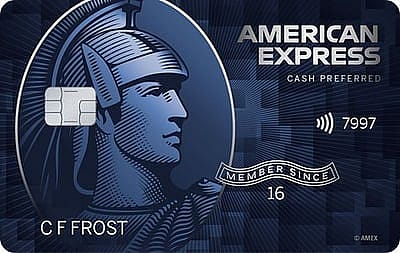
Responsible adulting often looks like saving money by cooking at home rather than dining out. The Blue Cash Preferred® Card from American Express can reward those mature habits with top-notch rewards at the supermarket and in other common spending categories. Terms apply.
Read full reviewProsEarn 6% cash back at U.S. supermarkets, on up to $6,000 a year in spending (then 1%).
Other rewards include 6% cash back on select U.S. streaming subscriptions; 3% at U.S. gas stations and on transit (including such things as taxis, rideshares, parking, tolls, trains and buses); and 1% on all other purchases.
You may be eligible for as high as $300 cash back after spending $3,000 in purchases on your new Card in the first 6 months. Welcome offers vary and you may not be eligible for an offer. Cash back is received as Reward Dollars, redeemable for statement credit or at Amazon.com checkout. Terms Apply.
Intro APR offer for purchases and balance transfers.
Terms apply.
Cons$0 intro annual fee for the first year, then $95. But if you spend around $31 per week at the supermarket, you'll make that up in cash back — and that's not even taking into account rewards earned in the card's other bonus categories.
The annual cap on the rewards rate at U.S. supermarkets hasn't changed in several years, even as grocery prices have risen, so it’s likely you will hit the cap.
Foreign transaction fee.
Terms apply.
Our pick for: Bonus cash back
Apply Nowon Chase's websiteon Chase's websiteAnnual fee$0Rewards rate1%-5%CashbackIntro offer$200Recommended credit scorePurchase intro APR0% intro APR on purchases for 15 monthsBalance transfer intro APR0% intro APR on balance transfers for 15 monthsRegular APR18.24%-27.74% Variable APRRewards breakdown
5%Cash back on up to $1,500 in combined purchases in bonus categories each quarter you activate.5%Cash back on travel purchased through Chase Travel℠.3%Cash back on dining.3%Cash back at drugstores.1%Cash back on all other purchases.Card details
- Earn a $200 Bonus after you spend $500 on purchases in your first 3 months from account opening
- 5% cash back on up to $1,500 in combined purchases in bonus categories each quarter you activate. Enjoy new 5% categories each quarter!
- 5% cash back on travel purchased through Chase Travel℠, our premier rewards program that lets you redeem rewards for cash back, travel, gift cards and more
- 3% cash back on drugstore purchases and dining at restaurants, including takeout and eligible delivery service, and unlimited 1% cash back on all other purchases.
- No minimum to redeem for cash back. You can use points to redeem for cash through an account statement credit or an electronic deposit into an eligible Chase account located in the United States.
- 0% Intro APR for 15 months from account opening on purchases and balance transfers, then a variable APR of 18.24% - 27.74%.
- No annual fee – You won't have to pay an annual fee for all the great features that come with your Freedom Flex® card
- Keep tabs on your credit health - Chase Credit Journey helps you monitor your credit with free access to your latest score, real-time alerts, and more.
- Member FDIC
- View Rates & Fees
NerdWallet's take
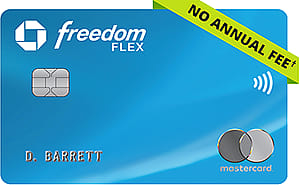
The Chase Freedom Flex® is a little complicated, but it pays up to 5% cash back in an array of categories. If you're interested in getting into the rewards maximizing game, it's a great card to start with.
Read full reviewProsEarn 5% cash back on up to $1,500 in spending per quarter in rotating categories that you activate; 5% on travel booked through Chase; 3% on dining and at drugstores; and 1% on other spending.
Bonus offer: Earn a $200 Bonus after you spend $500 on purchases in your first 3 months from account opening.
$0 annual fee.
ConsYou have to opt in to the bonus categories every quarter, which can be a hassle.
The rotating 5% categories might not be a good fit for everyone.
Foreign transaction fee.
Our pick for: Building credit + easy card management
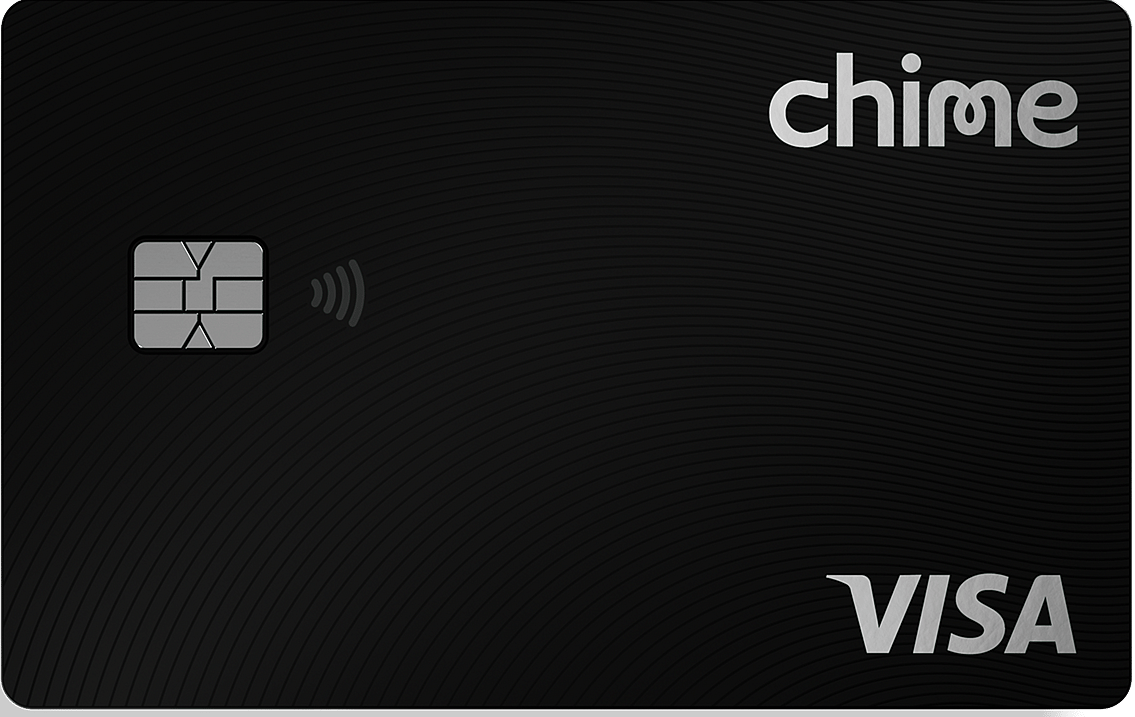
Annual fee$0Rewards rate1.5%CashbackIntro offerN/ARegular APRN/ARecommended credit scoreRewards breakdown
1.5%Cash back on rotating categories with direct deposit.Card details
- The secured Chime Card™ is issued by The Bancorp Bank, N.A. or Stride Bank, N.A., Members FDIC, pursuant to a license from Visa U.S.A. Inc. and may be used everywhere Visa credit cards are accepted. Please see the back of your card for its issuing bank.
- No credit check to apply, no annual fees or interest⁴, and no minimum security deposit required.³ No stress! Additional terms apply.
- Use your Chime Card™ everywhere Visa credit cards are accepted, including on everyday purchases, such as gas and groceries.
- Help build your credit history with your own money. The money you move into the secured account is the amount you can spend on your card (no minimum deposit required!).³ Turn on Safer Credit Building² and have your monthly balance automatically paid on time. Chime will report your activities to Transunion®, Experian®, and Equifax®.
- Help increase your credit scores by an average of 71 points, with regular, on-time payments.¹
- Turn on transaction notifications to receive real-time transaction alerts. Then, use Chime’s instant in-app disable card feature to help prevent unauthorized activities.
- Live support 24/7 to assist you around the clock.
- Now you can use your Chime Card™ card fee-free at over 47,000 in-network ATMs at retailers like Walgreens®, CVS®, and more! Out-of-network ATM withdrawal fees may apply except at Moneypass ATMs in 7-Eleven® locations, or any Allpoint® or Visa Plus Alliance ATMs.
- Apply for a secured Chime Card™ once you have an active Chime Checking Account. See www.chime.com to learn more.
NerdWallet's take
Young adults new to credit may appreciate some of the signature features of the Chime Card™: no interest charges, and no required credit check.
Read full reviewPros$0 annual fee.
Can qualify with bad or no credit.
No minimum security deposit.
No APR.
No foreign transaction fee.
ConsA Chime Checking Account is required to qualify for the card.
No welcome offer.
No upgrade path.
2026 Best travel card with no annual fee
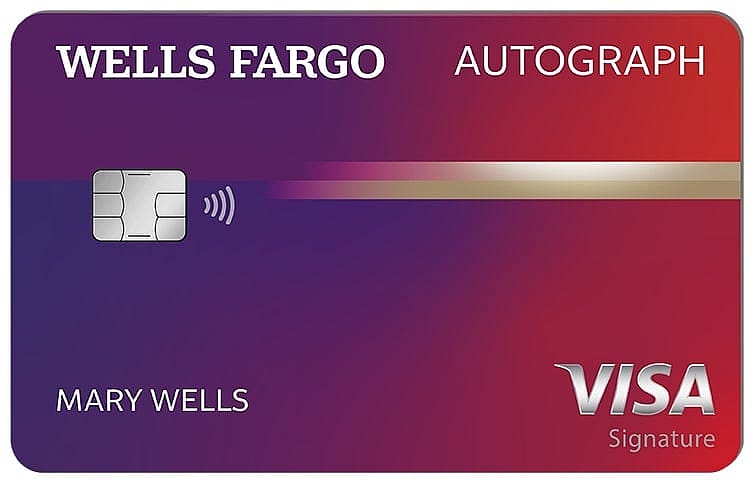
Apply Nowon Wells Fargo's websiteon Wells Fargo's websiteAnnual fee$0Rewards rate1x-3xPointsIntro offer20,000pointsRecommended credit scorePurchase intro APR0% intro APR for 12 months from account opening on purchasesRegular APR18.49%, 24.49%, or 28.49% Variable APRRewards breakdown
3xUnlimited Points on restaurants, travel, gas stations, transit, popular streaming services and phone plans.1xUnlimited Points on other purchases.Card details
- Apply Now to take advantage of this offer and learn more about product features, terms and conditions.
- Earn 20,000 bonus points when you spend $1,000 in purchases in the first 3 months - that's a $200 cash redemption value.
- Earn unlimited 3X points on the things that really add up - like restaurants, travel, gas stations, transit, popular streaming services, and phone plans. Plus, earn 1X points on other purchases.
- $0 annual fee.
- 0% intro APR for 12 months from account opening on purchases. 18.49%, 24.49%, or 28.49% variable APR thereafter.
- Up to $600 of cell phone protection against damage or theft. Subject to a $25 deductible.
- Redeem your rewards points for travel, gift cards, or statement credits. Or shop at millions of online stores and redeem your rewards when you check out with PayPal.
- Find tickets to top sports and entertainment events, book travel, make dinner reservations and more with your complimentary 24/7 Visa Signature® Concierge.
- View Rates & Fees
NerdWallet's take
Getting started with the rewards points? The Wells Fargo Autograph® Card is a terrific place to start with its 3X rewards rates in a variety of popular categories for a $0 annual fee.
Read full reviewProsEarn unlimited 3x points per $1 on dining, travel, gas stations, transit, popular streaming services and phone plans (1x back on other purchases).
$0 annual fee.
Earn 20,000 bonus points when you spend $1,000 in purchases in the first 3 months - that's a $200 cash redemption value.
Several redemption options, including transferring to Wells Fargo’s travel partners.
Intro APR period for purchases.
No foreign transaction fee.
Cell phone insurance.
ConsHigher reward rates are possible with other credit cards, though you may have to pay an annual fee.
Few premium perks you’d find on more expensive travel cards.
Wells Fargo’s list of travel partners is limited.
Our pick for: Simple travel rewards + perks
Apply Nowon Capital One's websiteon Capital One's websiteAnnual fee$95Rewards rate2x-5xMilesIntro offer$250 Travel Credit + Earn 75K Bonus MilesRegular APR19.49%-28.49% Variable APRRecommended credit scoreRewards breakdown
5xEarn 5X miles on hotels, vacation rentals and rental cars booked through Capital One Travel.2xMiles on every purchase, every day.Card details
- LIMITED-TIME OFFER: Enjoy $250 to use on Capital One Travel in your first cardholder year, plus earn 75,000 bonus miles once you spend $4,000 on purchases within the first 3 months from account opening - that’s equal to $1,000 in travel
- Earn unlimited 2X miles on every purchase, every day
- Earn 5X miles on hotels, vacation rentals and rental cars booked through Capital One Travel
- Miles won't expire for the life of the account and there's no limit to how many you can earn
- Receive up to a $120 credit for Global Entry or TSA PreCheck®
- Use your miles to get reimbursed for any travel purchase—or redeem by booking a trip through Capital One Travel
- Enjoy a $50 experience credit and other premium benefits with every hotel and vacation rental booked from the Lifestyle Collection
- Transfer your miles to your choice of 15+ travel loyalty programs
- Top rated mobile app
- View Rates & Fees
NerdWallet's take
With its easy-to-understand rewards and $95 annual fee, the Capital One Venture Rewards Credit Card is the gateway to fancier travel cards you may gravitate toward later on.
Read full reviewProsEarn 5X miles on hotels, vacation rentals and car rentals booked through Capital One Travel; 2X miles on everything else.
LIMITED-TIME OFFER: Enjoy $250 to use on Capital One Travel in your first cardholder year, plus earn 75,000 bonus miles once you spend $4,000 on purchases within the first 3 months from account opening - that’s equal to $1,000 in travel.
Miles can be redeemed to cover past travel expenses or to book travel through Capital One Travel. You can also transfer miles to one of Capital One’s many travel partners.
Up to $120 credit for TSA PreCheck or Global Entry every four years.
No foreign transaction fee.
Cons$95 annual fee.
Other cards earn 2% rewards on most purchases for no annual fee.
No intro APR period.
Capital One has only a handful of domestic transfer partners.
The card lacks some of the benefits offered by other travel cards, such as airport lounge access and free checked bags.
2026 Best credit card for building credit
Apply Nowon Discover's website,on Discover's website, or call 800-347-0264Annual fee$0Rewards rate1%-2%CashbackIntro offerCashback Match™Recommended credit scoreBalance transfer intro APR10.99% intro APR on balance transfers for 6 monthsRegular APR26.49% Variable APRRewards breakdown
2%Cash back at Gas stations on up to $1,000 in combined purchases each quarter, automatically.2%Cash back at Restaurants on up to $1,000 in combined purchases each quarter, automatically.1%Cash back on all other purchases.Card details
- No credit score required to apply. No Annual Fee.
- Your secured credit card requires a refundable security deposit, and your credit line will equal your deposit amount, starting at $200. Bank information must be provided when submitting your deposit.
- Automatic reviews starting at 7 months to see if we can transition you to an unsecured line of credit and return your deposit.
- Earn 2% cash back at Gas Stations and Restaurants on up to $1,000 in combined purchases each quarter, automatically. You'll still earn unlimited 1% cash back on all other purchases.
- INTRO OFFER: Unlimited Cashback Match for all new cardmembers—only from Discover. Discover will automatically match all the cash back you’ve earned at the end of your first year! There’s no minimum spending or maximum rewards.
- Get an alert if we find your Social Security number on the dark web. Activate for free.
- Terms and conditions apply.
- View Rates & Fees
NerdWallet's take
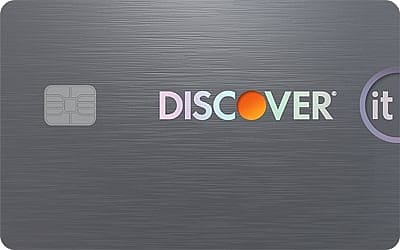
For young adults with thin credit files, the Discover it® Secured Credit Card is worth considering for its credit-building features. There’s a security deposit, but it earns rewards and will prepare you to manage a traditional credit card. It also offers an upgrade to one, if you can qualify.
Read full reviewPros$0 annual fee.
Earn 2% cash back on up to $1,000 worth of spending per quarter on restaurants and gas, and 1% on all other spending.
INTRO OFFER: Unlimited Cashback Match for all new cardmembers—only from Discover. Discover will automatically match all the cash back you’ve earned at the end of your first year! There’s no minimum spending or maximum rewards.
After seven months, Discover automatically evaluates your account for a possible upgrade to an unsecured card.
First late payment is forgiven.
No foreign transaction fee.
ConsRequires a security deposit of at least $200. (Your credit limit will be equal to your deposit, up to $2,500.)
Discover isn’t as widely accepted internationally as Visa or Mastercard.
Our pick for: Customized rewards & cool features
Annual fee$0Rewards rate1%-3%CashbackIntro offerN/ARegular APR19.49%-31.49% Variable APRRecommended credit scoreCard details
- Earn up to 3% cash back on your top spend category, 2% on the next, and 1% on the rest.
- No annual fee.
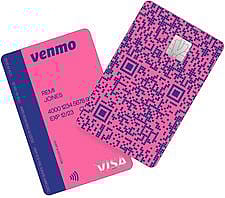
- Your card comes with your own unique QR code on the front, so it’s a snap to Venmo friends. When they scan your code, up pops your Venmo profile to pay or get paid.
- Keep tabs on card activity in the app, right with all your Venmo spending.
- Use the Venmo app to disable a lost or stolen physical card.
NerdWallet's take
There's no need to remember rewards categories with the Venmo Credit Card. It automatically tracks where you spend the most money and then awards 3% and 2% cash back in your top categories.
Read full reviewPros$0 annual fee.
Earn 3% cash back in your top spending category for the month (from a list of eight possible categories; see our review for the full list). Your second-highest spend category earns 2%; other purchases earn 1%.
Cash back rewards are automatically redeemed into your Venmo balance.
One of the few credit cards that has an option to redeem rewards for cryptocurrency.
The physical card has a QR code on it that takes people to your Venmo profile, making it easier to split bills.
No foreign transaction fee.
ConsDoesn’t always offer a welcome bonus.
Card can only be managed in the Venmo app.
No intro APR period.

More about our picks
Discover it® Secured Credit Card
Our pick for: Building credit, rewards & upgrading
Like other secured credit cards for people building or rebuilding credit, the Discover it® Secured Credit Card requires a cash security deposit. Unlike most others, it offers rewards. But what really makes it stand out from the competition is its upgrade possibilities. The issuer has a process in place for automatically reviewing accounts for possible transition to an unsecured card. Read our review.
Chime Card™
Our pick for: Building credit + easy card management
This card has no minimum deposit requirement, charges neither an annual fee nor interest, and doesn't require a credit check, and you can automate your payments so you're never late. But to get it, you must be a Chime® banking customer, which is an extra hoop to jump through — and which comes with its own considerations when it comes to customer service. Read our review.
See more from Chime®
Chime says the following:
The Chime Card™ is issued by The Bancorp Bank, N.A. or Stride Bank, N.A., pursuant to a license from Visa U.S.A. Inc. and may be used everywhere Visa credit cards are accepted. Please see the back of your card for its issuing bank.
Based on a representative study conducted by Experian® in Sept 2025, the top 10% of members who made their first purchase with Credit Builder, an earlier version of Chime Card™, between April and August 2024, observed a FICO® Score 8 increase of 71 points after approximately 8 months. Average increase of 28 points across all participants in the study. Credit score improvement not guaranteed. Paying on time may increase your score, while late payment may decrease your score. Other credit activity can impact your score. Credit score is one of many factors creditors may consider in evaluating credit applications.
On-time payment history may have a positive impact on your credit score. Late payment may negatively impact your credit score. Chime will report your activities to Transunion®, Experian®, and Equifax®. Impact on your credit may vary, as Credit scores are independently determined by credit bureaus based on a number of factors including the financial decisions you make with other financial services organizations.
Money added to the Chime Card™ will be held in a secured deposit account as collateral for your Chime Card™, and you can spend up to this amount. You can use money deposited in your Secured Deposit Account to pay off your charges at the end of every month.
Out-of-network ATM withdrawal and over the counter advance fees may apply.
SpotMe® on Credit is an optional, no interest / no fee overdraft line of credit tied to the Secured Deposit Account available to qualifying members with an active Chime Card Account. To qualify for the SpotMe on Chime Card service, you must receive $200 or more in qualifying direct deposits to your Chime® Checking Account each month and have activated your physical secured Chime Visa® Credit Card or Chime Visa® Debit Card. Qualifying members will be allowed to overdraw their Secured Deposit Account up to $20, but may later be eligible for a higher limit of up to $200 or more based on Chime account history, direct deposit frequency and amount, spending activity and other risk-based factors. The SpotMe on Chime Card Limit will be displayed within the Chime mobile app and is subject to change at any time, at Chime’s or its banking partners’ discretion. Although Chime does not charge any overdraft fees for SpotMe on Chime Card, there may be out-of-network or third-party fees associated with ATM transactions and fees associated with OTC cash withdrawals. SpotMe on Chime Card won’t cover non-card transactions. SpotMe on Chime Card Terms and Conditions.
With a qualifying direct deposit, earn 1.5% cash back on eligible secured Chime Visa® Credit Card purchases.
Wells Fargo Active Cash® Card
Our pick for: Simple cash back
Among flat-rate cash-back cards, you'll be hard-pressed to beat the Wells Fargo Active Cash® Card. It earns an unlimited 2% back on all purchases, which is excellent. But in addition, the card offers a rich sign-up bonus and a decent intro APR period on both purchases and balance transfers. That's an impressive, hard-to-find combination of features on a card with a $0 annual fee. Read our review.
Venmo Credit Card
Our pick for: Customized rewards & cool features
The Venmo Credit Card offers the benefit of bonus rewards categories without requiring you to keep track of them. You automatically earn 3% cash back in the category where you spend the most money (from a list of eight), 2% on the next-highest category, and 1% elsewhere. The eligible categories include all the biggies, like groceries, gas, restaurants and travel. Read our review.
Blue Cash Preferred® Card from American Express
Our pick for: Cash back for household spending
If your household spends a lot on groceries, gas, transit and streaming, the Blue Cash Preferred® Card from American Express is for you. The rewards it pays in those categories — particularly at U.S. supermarkets and on select U.S. streaming subscriptions — are among the richest of any card. There's a nice welcome offer for new cardholders and an introductory APR period, too. The generous benefits come at a cost, though: Unlike most cash-back cards, this one charges an annual fee. Terms apply. Read our review.
Capital One Savor Cash Rewards Credit Card
Our pick for: Cash back for going out & staying in
Some credit cards reward you well for going out, others for staying in. The Capital One Savor Cash Rewards Credit Card is the rare card that does both. It offers a terrific cash-back rate not only on dining and entertainment but also at grocery stores and on popular streaming services. Toss in a good bonus offer and intro APR period, and this card is a winner. (see rates and fees). Read our review.
Chase Freedom Flex®
Our pick for: Bonus cash back
The Chase Freedom Flex® offers bonus cash back in quarterly categories that you activate, as well as on travel booked through Chase, at restaurants and at drugstores. Category activation can be a hassle, but if your spending matches the categories — and for a lot of people, it will — you can rack up hundreds of dollars a year. There's a fantastic bonus offer for new cardholders and an intro APR offer, too. Read our review.
Capital One Venture Rewards Credit Card
Our pick for: Simple travel rewards + perks
The Capital One Venture Rewards Credit Card is probably the best-known general-purpose travel credit card, thanks to its ubiquitous advertising. You earn 5 miles per dollar on hotels, vacation rentals and rental cars booked through Capital One Travel and 2 miles per dollar on all other purchases. Miles can be redeemed at a value of 1 cent apiece for any travel purchase, without the blackout dates and other restrictions of branded hotel and airline cards. The card offers a great sign-up bonus and other worthwhile perks (see rates and fees). Read our review.
Wells Fargo Autograph® Card
Our pick for: No-annual-fee travel rewards
The Wells Fargo Autograph® Card offers so much value, it's hard to believe there's no annual fee. Start with a great bonus offer, then earn extra rewards in a host of common spending categories — restaurants, gas stations, transit, travel, streaming and more. Read our review.
What should a young adult look for in a credit card?
The answer to this question depends largely on where you are in your credit building journey:
If you don’t have a credit history yet, or you don’t have much of one, it’s best to start with, well, a “starter” card. These are cards specifically designed for people who are new to credit. They don’t offer the richest rewards or the swankiest perks, and their credit limits tend to be low. Some of them require a cash deposit.
If you’ve already built a good credit history, you’ll have a better chance at getting approved for more popular, and more rewarding, mainstream credit cards. In that case, you’ll be looking for a card with rewards or other features that fit into your lifestyle. There is no single “best” credit card for young adults. There is a best credit card for you, however.
Starter credit cards for young adults
Young adults just getting started with credit can look into these options:
Secured credit cards
Student credit cards
Alternative credit cards
No-deposit subprime cards
If you’re new to credit, you can expect that any credit card you get approved for will charge a high interest rate. But your interest rate doesn’t have to matter. If you pay your bill in full and on time each month, you won’t be charged interest on purchases.
Credit card tips for young adults
Charge only what you can afford to pay in full
Buying things isn’t what gets credit card holders into trouble. Buying things they can’t afford is what gets them into trouble.
Credit cards can make overspending easy, unfortunately. Don’t have $300 for something? Why not put it on the card and pay it off over the next few months? It’s hardly rare for a young adult to make such a decision when they’re still learning how to use credit. And in isolation, a single purchase like this might not be a huge misstep. But then they make another such purchase the next month, and the next, and soon they’re caught in a debt trap.
When using a credit card to build credit or earn rewards, it’s best to treat it like a debit card. Don’t buy anything you wouldn’t buy otherwise, and don’t buy anything you don’t currently have the cash to cover. When your bill comes, pay everything off. Even better: Don’t wait for the bill. Pay it off online.
Keep your balance low
A major factor in your credit score is credit utilization — your balance expressed as a percentage of your credit limit. If you have a $5,000 credit limit and your balance is $1,000, for example, your utilization is 20%. Young adults looking to boost their credit score should strive to keep their utilization below 30%. Staying under 10% is even better.
An important point to understand about utilization is that it has no “memory” in terms of its effect on your credit score. Your credit score reflects what your utilization is right now and is not influenced by your past utilization. So if your credit score is suffering because you’re using, say, 80% of your available credit, you can reverse that damage pretty quickly if you can pay your balance down to 30% or less.
Even if you’re not currently focused on your credit score, there are other reasons to keep your balance in check:
If your balance has gotten to the point that you’re carrying debt from one month to the next, rather than paying in full, you’ll be bearing the brunt of credit card interest.
Charging more than you can afford to pay off each month is a strong sign of living beyond your means.
Sometimes you have no choice but to finance a big expense — such as a necessary car repair or medical bill you can’t cover with an emergency fund. But if you’re carrying debt for “stuff,” it’s time to focus on your budget.
The credit habits you develop in young adulthood can stick with you for the rest of your life. Resist the temptation to overspend just because you have the ability to overspend.
Frequently asked questions
What's the easiest credit card for a young adult to get?
Some credit cards are extremely easy to get approved for — but they charge outrageous fees and don't have good options to upgrade to when your credit improves. Young adults looking to build credit with a credit card should look at secured cards, student cards and cards with alternative underwriting methods. See also our best cards for bad credit, for fair/average credit and for no credit.
What's the best rewards credit card for young adults?
That depends entirely on how you spend money. If a significant portion of your discretionary spending falls in a specific category, look for a card that pays high rewards in that category — examples include groceries, restaurants, gas, streaming services or online shopping. If you enjoy traveling, look for a card that can get you closer to your next destination. That could be a general purpose travel card with flexible points or a card tied to a specific airline or hotel chain.
A lot of young adults don't really have a dominant spending category. Others don't want to worry about categories and just want a card that offers good rewards on everything. If either of those apply to you, look for a cash-back or travel card with simple flat-rate rewards.
Keep in mind, though, that the best rewards cards are available mostly to those with good credit or better. That's generally defined as credit scores of 690 and up. Young adults who are still building credit may want to wait until they're on firmer ground before applying.
When's the best time to get your first credit card?
The best time for a young adult to get a credit card is when he or she:
Is old enough to legally get one.
Has enough income to qualify for one.
Is able to manage it responsibly.
Legally, you can get a credit card of your own when you're 18 years old, but special federal regulations apply until you're 21. If you're under 21, you'll need to either have a co-signer or be able to show that you have independent income. Once you're over 21, the income requirement adjusts a bit; when you're filling out a credit card application, you can include any income that you have access to, including a spouse's income or shared household income.
An alternative to getting your own credit card is to become an authorized user on someone else's account. When you go this route, you get a card with your name on it but that the other person is ultimately responsible for paying. Being an authorized user can help you build credit.
• • •
NerdWallet's Paul Soucy contributed to this article.
To view rates and fees of the Blue Cash Preferred® Card from American Express, see this page.
How we choose the best credit cards
Our team of credit card experts has developed a rigorous methodology to determine how much value a card delivers and how it stacks up against its competitors.
400+
Cards reviewed

400+
Cards reviewed
NerdWallet’s experts have reviewed more than 400 cards, from the most popular options at the biggest banks to store cards to niche cards from startups and small issuers.
8
Categories scored

8
Categories scored
Credit cards are so diverse that properly rating them with a single formula is impossible. We’ve built eight rubrics, plus variations, so we can score each card on what matters.
50+
Data points analyzed

50+
Data points analyzed
Our ratings consider not just a card’s rates, fees, rewards and perks, but also how easy or hard it is to get that card, manage it and enjoy its advertised benefits.
Star rating categories
What you want out of, say, a cash back credit card is fundamentally different from what you’re looking for in a balance transfer card or a card for building credit. That’s why we have different scoring models that put weight on different features.
Cash back cards
General travel cards
Balance transfer cards
Branded airline cards
Branded hotel cards
Credit builder cards
College student cards
Small business cards
Cash back cards
Our formula looks at how much cash back you could expect to earn from typical household spending. We consider rewards rates and categories, bonus offers and the cash value of other benefits, as well as any annual fee. The rating is also influenced by the complexity of the rewards structure.
General travel cards
We consider how many points you could expect to earn from typical household spending, along with per-point values and redemption options. We add in the cash value of bonus offers and other benefits, subtract annual fees and other costs, and take into account the complexity of the rewards structure.

Balance transfer cards
Our balance transfer rubric calculates how much money a card could save you with a low or 0% interest rate. Primary factors include the length and structure of the introductory APR period and the balance transfer fee. We also consider long-term value, such as whether the card offers rewards.

Branded airline cards
We calculate how many miles you could expect to earn from typical household spending and what those miles are worth based on our valuations. We add in the cash value of bonus offers and perks such as free checked bags and lounge access, and we subtract annual fees and other costs.

Branded hotel cards
We calculate how many points you could expect to earn from typical household spending and what those points are worth based on our valuations. We add in the cash value of bonus offers and perks such as free nights and automatic elite status, and we subtract annual fees and other costs

Credit builder cards
Our rubric focuses on accessibility (such as whether a credit check is required), out-of-pocket costs (such as annual fees or minimum security deposits), credit-building features (such as bureau reporting and access to a free credit score) and upgrade options when you’re ready to move on.

College student cards
Our formula calculates the rewards you could expect to earn on spending typical for a college student and takes into account the cash value of bonus offers and other benefits. Accessibility to students without established credit is a key consideration, as is the effort required to manage the card.

Small business cards
Our star ratings criteria for small business credit cards are similar to those for consumer cards, although they account for potentially higher spending levels and higher credit limits, as well as rewards structures and bonus categories tailored specifically to entrepreneurs and business operators.

NerdWallet's Credit Cards team selects the best credit cards in various categories based on overall consumer value, as evidenced by star ratings, as well as their suitability for specific kinds of consumers. Factors in our evaluations include fees, promotional and ongoing APRs, and sign-up bonuses; for rewards cards, we consider earning and redemption rates, redemption options and redemption difficulty. Because different consumers can have markedly different needs, preferences and spending habits, we recognize that there is rarely a single credit card that is "best" for everyone. That's why this page includes a variety of options to suit an array of circumstances. Also, a single card is eligible to be chosen as among the "best" in multiple categories.
Our star ratings provide a quick way to compare credit cards. We assess the features of a card, score those features according to how they compare with other options on the market, and assign the card a rating of 1 to 5 stars based on those features. In general, a card that rates 4.5 stars will be a better value for more people than a card that rates 4.0 stars. However, the 4.0 card might be better than the 4.5 card for an individual consumer depending on that person’s circumstances. Further, ratings are only comparable within categories. If you're looking for rewards, for example, a 3.5-star cash back card will be of greater value than a 5.0-star balance transfer card or a 4.5-star credit-builder card. Star ratings are an important consideration in which cards appear on our "best" pages, but they are not the sole determining factor. Learn how NerdWallet rates credit cards.
