




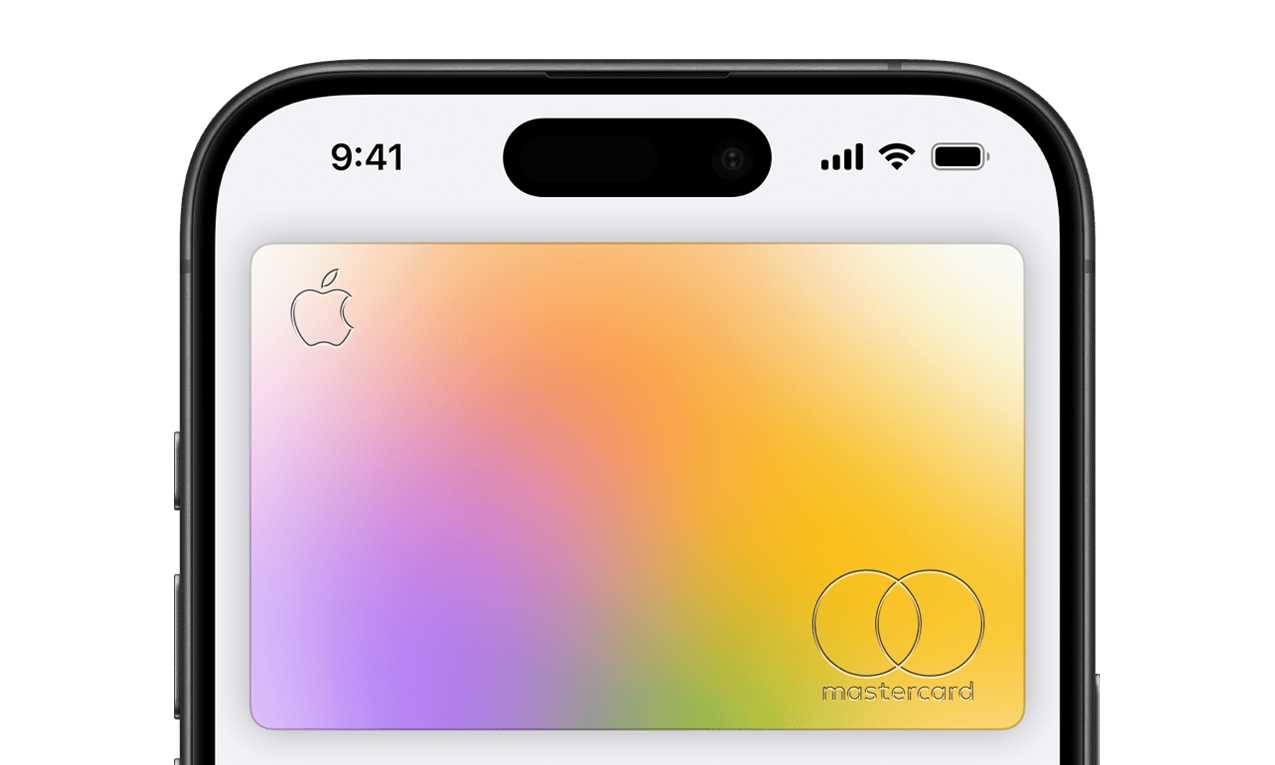
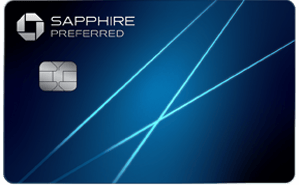
A comparison between the Apple Card and the Chase Sapphire Preferred® Card is not quite apples to apples.
The newer Apple Card is a cash-back credit card while the now-classic Chase Sapphire Preferred® Card is a bona fide travel card. Still, pitting these two cards against each other proves that newer and shinier isn’t always better.
For most people, the veteran Chase Sapphire Preferred® Card will be the better choice over the Apple Card, mainly because it’s more broadly rewarding. The Apple Card, on the other hand, has a niche market of fiercely loyal users who can make the most of what the card has to offer.
Here’s how to decide which card is right for you.
How the cards compare
Annual fee
Sign-up bonus
Rewards
- 3% Daily Cash back when you use the card with Apple Pay at select merchants. (See full list of 3% merchants here.)
- 2% Daily Cash back on all other purchases made with Apple Pay.
- 1% Daily Cash back on purchases with the physical Apple Card.
- 5x points on travel purchased through Chase, excluding hotel purchases that qualify for the $100 Annual Hotel Credit.
- 3x on dining, including eligible delivery services, takeout and dining out.
- 3x on online grocery purchases (excluding Target, Walmart and wholesale clubs).
- 3x on gas and EV charging.
- 3x on select streaming services.
- 3x on vacation rentals through services like Airbnb and Vrbo.
- 2x on other travel purchases.
- 1x on all other purchases.
Other benefits
- No late fees.
- Ability to share a family account.
- Rewards may be redeemed as soon as transactions post to account.
- Up to $120 credit every four years for TSA PreCheck, Global Entry or Nexus.
- $100 annual credit on hotel stays purchased through Chase.
- Hotel and airline transfer partners.
Learn more
» SEE: How Apple Daily Cash works
Why the Chase Sapphire Preferred® Card is better for most people
It can be easier to rack up rewards
The Chase Sapphire Preferred® Card’s rewards rate tops out at 5 points per dollar spent, while the Apple Card’s best rate is 3% cash back. And while the Sapphire Preferred only earns 5x on travel booked through Chase’s travel portal, it also earns 3x points in a range of popular spending categories for many consumers, like dining, gas, streaming services and online grocery orders.
Plus, earning 3% from the Apple Card comes with caveats: You must purchase using Apple Pay, and it only comes from a handful of retailers. Digital wallet die-hards could easily add a Chase Sapphire Preferred® Card for contactless payment.
Sign-up bonus
The Apple Card doesn’t usually have a welcome offer for new cardholders, but even if it did, it would be hard to beat the one from the Chase Sapphire Preferred® Card. Sapphire Preferred cardholders can get the following sign-up bonus: Earn 75,000 bonus points after you spend $5,000 on purchases in the first 3 months from account opening.
Tons of travel-related perks
As to be expected from a travel credit card, the Chase Sapphire Preferred® Card boasts a slew of travel-related benefits that even the once-a-year vacationer can enjoy. The card offers:
Travel protections, including trip cancellation/interruption insurance and primary car rental insurance.
Up to $100 in statement credits each account anniversary year for hotels booked through Chase.
A credit every four years for TSA PreCheck, Global Entry or Nexus.
"Points Boost," which can increase the value of points (usually worth 1 cent apiece) when redeemed for travel bookings through Chase.
The ability to get even more value from rewards by transferring them to one of Chase’s hotel and airline partners at a 1:1 ratio (except for Hyatt at 4:3).
Full list of Chase transfer partners
Airlines
Aer Lingus (1:1 ratio).
Air Canada (1:1 ratio).
Air France-KLM (1:1 ratio).
British Airways (1:1 ratio).
Iberia (1:1 ratio).
JetBlue (1:1 ratio).
Singapore (1:1 ratio).
Southwest (1:1 ratio).
United (1:1 ratio).
Virgin Atlantic (1:1 ratio).
Hotels
Hyatt (1:1 or 4:3 ratio; varies by card).
IHG (1:1 ratio).
Marriott (1:1 ratio).
Wyndham (1:1 ratio).
The Chase Sapphire Preferred® Card's robust collection of travel perks can make up for the card’s annual fee — and then some.
Why someone might prefer the Apple Card
You don’t like fees
If you’re resistant to paying anything for a credit card, you’ll likely balk at getting the Chase Sapphire Preferred® Card with its $95 annual fee. By contrast, the Apple Card has a selling point of "No Fees*," including no late fees, a rarity among credit cards. Other cards can charge more than $40 for a late payment. Note that while you won't be charged a fee for a late payment, you will be on the hook for any interest accrued, and if you're more than 30 days late, your credit scores can suffer.
You’re loyal to the Apple ecosystem
The Apple Card’s biggest rewards are reserved for purchases of Apple products and those made with Apple Pay. If you’re a regular at the Apple store and prefer paying with a digital wallet, then the Apple Card rather than the Chase Sapphire Preferred® Card is probably the better fit.
Apple Card holders get 3% Daily Cash back on Apple goods and services, which includes Apple TV and purchases from the Apple online store, iTunes and Apple Music. That 3% rate only applies to purchases directly from Apple, so buying an iPad from Amazon wouldn’t qualify, for example.
The Apple Card also earns 2% Daily Cash on any purchase made with Apple Pay. Keep in mind, though, that some merchants don’t accept digital payment methods.
You want near-instant reward redemption
The Apple Card joins a small list of credit cards that offer almost instant rewards, meaning that you can redeem rewards almost as soon as they post to your account rather than wait until the end of the billing cycle. Daily Cash earned with the Apple Card may be immediately deposited into an Apple Savings high-yield savings account or onto the Apple Cash card. Money loaded onto the Apple Cash card may be used to send money through iMessages or make purchases with Apple Pay.
In the case of the Chase Sapphire Preferred® Card, cardholders can see how many Ultimate Rewards® are pending each month, but they can’t redeem those rewards until after their credit card's closing date.
Which card should you get?
If you don’t mind paying an annual fee that you can earn back relatively easily, the Chase Sapphire Preferred® Card is a superior choice to the Apple Card. The Sapphire Preferred has above-average rewards rates plus myriad opportunities to maximize the value of the card’s Ultimate Rewards® points.
Yes, the Apple Card’s 3% cash-back rate is attractive, but the shine wears off once you realize that it only applies to purchases at just 11 merchants. Similarly, its 2% rate is excellent but limited to certain transactions. A better rewards card with no annual fee might be the Blue Cash Everyday® Card from American Express: It earns 3% at U.S. supermarkets, U.S. online retailers (which would include Apple.com), and U.S. gas stations, up to a $6,000 cap in all three categories. After that, the card earns 1%. (Terms apply.)
» NEXT: Best credit cards right now