Electronics superstore Best Buy offers two co-branded store cards, issued by Citi, that earn rewards for shopping with the retailer. Carrying one of them might make sense if you do the bulk of your electronics shopping there, especially given how expensive devices like smartphones, HDTVs and laptops can be — and how quickly they grow obsolete.
But rewards are redeemable only at Best Buy, and while the cards offer deferred-interest financing for certain purchases, a true 0% intro APR offer would be a safer bet in most cases. Plenty of other rewards credit cards offer more versatile and flexible incentives.
Here are five things to know about the Best Buy credit card.
1. There are two basic Best Buy credit cards
You can apply in-store or online for a Best Buy credit card, but the process is a bit opaque, and you don't have any control over which version of the card you get.
There are two basic versions:
My Best Buy Credit Card. This is a "closed-loop" store card, meaning it's accepted only at Best Buy and BestBuy.com. There is no annual fee.
My Best Buy Visa. This is an "open-loop" credit card, accepted anywhere that takes Visa. This card comes in two versions, with the only significant difference being the annual fee. When you submit your application, Best Buy will tell you which one you've been approved for:
- Gold. This version has an annual fee of $59.
- Platinum. This version has no annual fee.
According to Best Buy, when you apply for a card, you are first considered for the My Best Buy Visa Platinum (open-loop, no annual fee). If you don't qualify, you're then considered for, in order, the My Best Buy Credit Card (store card) and finally the My Best Buy Visa Gold (with annual fee). The determining factor in which version, if any, you get approved for is your creditworthiness — which leads to a common question:
What credit score do I need to get a Best Buy credit card? Best Buy doesn't specify a credit score range for eligibility. But its offerings suggest you can qualify for at least some version of the card with less-than-great credit. In general:
- Closed-loop store cards are easier to get than open-loop cards, which is why many people with fair or average credit start with a store card.
- When a card is available both with and without an annual fee, the version with the fee is easier to get for people with middling credit, since the fee offsets some of the risk.
2. Rewards rates are decent, but redemption is clunky
Carrying any of these credit cards means joining the My Best Buy shopper loyalty program, as rewards are earned as points in that program. You then turn those points into Best Buy rewards certificates: Every 250 points earns you a $5 reward certificate, giving the points an effective value of 2 cents apiece. (You'll need at least 250 points to redeem.)
For shopping at Best Buy, the rewards offerings are the same on either card version. You'll get:
- 5% back on all purchases at Best Buy (2.5 points per $1 spent).
- Flexible financing options (more on that below).
But the Visa version of the card goes a lot further. Beyond the 5% back at Best Buy, you'll also earn:
- 3% back on gas purchases (1.5 points per $1 spent).
- 2% back on dining and grocery purchases (1 point per $1 spent).
- 1% back on other everyday purchases (1 point per $2 spent).
3. Deferred interest may be an option … but it comes with potential risk
The Best Buy credit cards advertise occasional "no interest if paid in full" offers (aka, "deferred interest" offers), which might sound attractive. But it's important to understand what deferred interest means.
With such an offer, interest is not waived, as it would be with a true 0% intro APR promotion. Instead, a deferred-interest offer merely sets aside that interest until later.
If you pay off your purchase by the end of the deferred-interest period, you're fine. But if you carry a balance past the end of the period — even a few dollars — you'll be charged the card's full ongoing interest rate on your entire purchase, going back to the day you made it. And the interest rate on Best Buy credit cards is high: 31.49% as of September 2025.
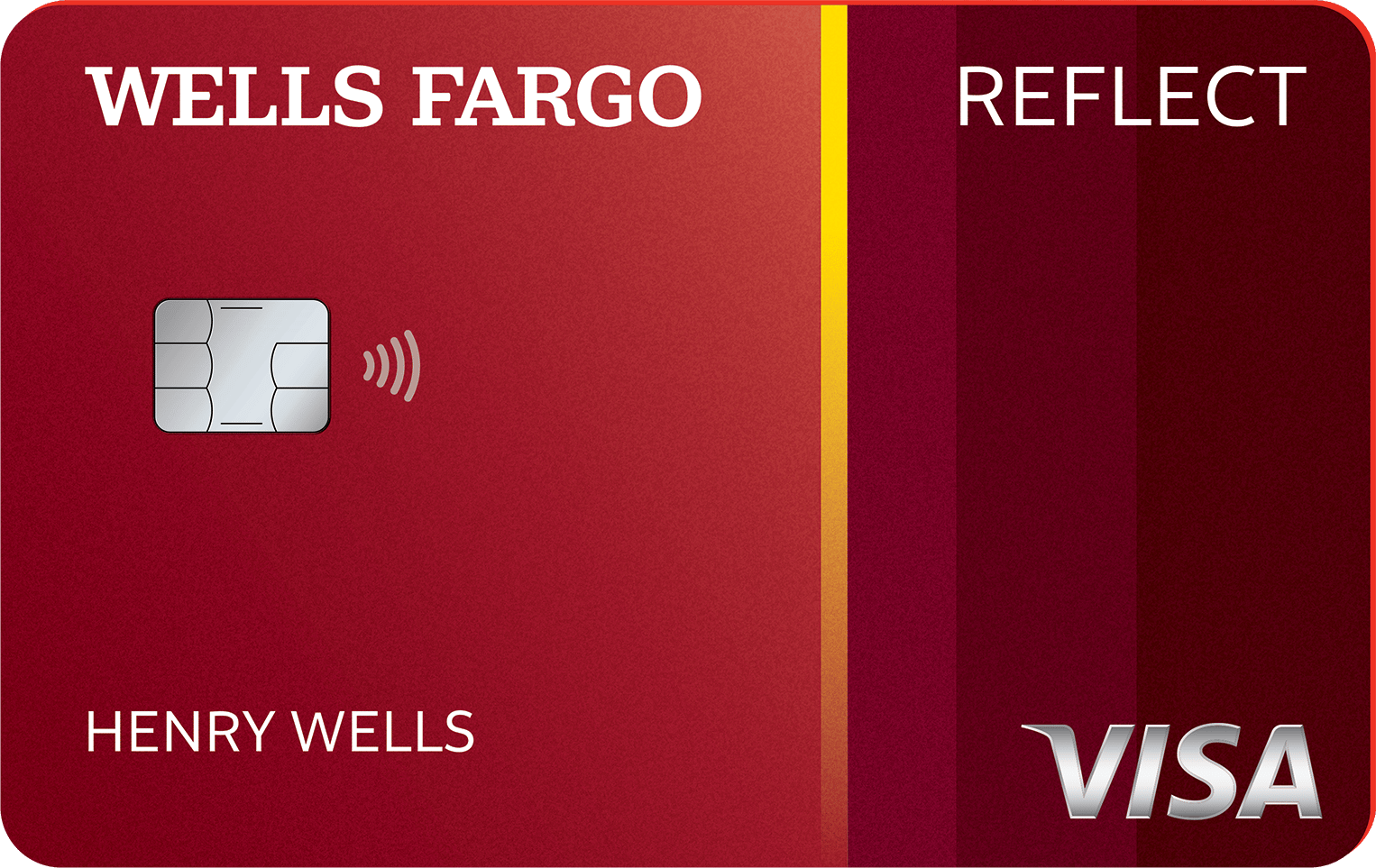
If you need to finance a large purchase and avoiding interest is your primary aim, consider instead credit cards with a true 0% APR offer. The Wells Fargo Reflect® Card offers the following: 0% intro APR for 21 months from account opening on purchases and qualifying balance transfers, and then the ongoing APR of 17.49%, 23.99%, or 28.24% Variable APR.
4. You’ll get an incentive for opening the card
Like many store credit cards, Best Buy offers a one-time incentive for new cardholders.
A common offer is to receive a total 10% back in Best Buy points on your first day of purchases when you are approved for the card. That means if you’re spending $2,000 on your first Best Buy credit card purchase, you’ll get 10,000 points. That’s equal to $200 in Best Buy rewards certificates. Unlike many credit cards, you won’t have to spend a certain amount on purchases on your new card before you receive the bonus.
5. If you’re not a die-hard Best Buy shopper, you can do better
If you're regularly spending a significant amount of money at the electronics superstore, then a Best Buy credit card might make sense.
But with its $59 annual fee, the My Best Buy Visa Gold is not a good deal. With this card, you would have to spend nearly $1,200 at Best Buy before your rewards would make up for the annual fee. If you're considering a Best Buy credit card, you'd want either the My Best Buy Credit Card (store card) or the My Best Buy Visa Platinum.
But, again, you don't have control over which card you'll be approved for.
For most people, a general rewards credit card that's not tied to any specific retailer will be a better and more flexible option. Check out NerdWallet's list of best rewards credit cards for options.
Information related to the My Best Buy Credit Card and My Best Buy Visa has been collected by NerdWallet and has not been reviewed or provided by the issuer of these cards.
Frequently Asked Questions
Can I use my Best Buy Citi Credit Card anywhere?
There are two basic versions of the Best Buy Citi Credit Card. One is a "closed-loop" store card, meaning it's accepted only at Best Buy and BestBuy.com. The other card is an "open-loop" credit card, meaning it is accepted anywhere that takes Visa.
How do I check my Best Buy Citi Credit Card balance?
You can check your Best Buy Citi Credit Card balance account online or through the Citi app. Alternatively, you can call the number on the back of your card and hear your balance and make payments.
What credit score do I need to get a Best Buy Citi Credit Card?
Best Buy doesn't specify a credit score range for eligibility. But its closed-loop and open-loop offerings suggest you can qualify for at least some version of the card with less-than-great credit.