




Getting a credit card in high school won't be possible for many students. That's because credit cards have age and income requirements that will be hard to meet.
But just because you may not qualify for a credit card doesn’t mean you’re out of options. In fact, it’s important to seize any opportunity to establish credit early since it can offer financial advantages later.
As you’re researching credit cards for high school students, consider a few key basics that can set you up for success.
Why it helps to build credit early
It all comes down to your credit scores, which are a measure of how well you've handled credit (aka "borrowed money"). If you have high credit scores, it means you're a low-risk borrower, so lenders will be more likely to give you lower interest rates and better terms on loans — such as auto loans, mortgages and, yes, credit cards.
And since the length of your credit history is a big factor in your credit scores, then the sooner you can start the clock the better.
You may not actually experience the benefits of having good credit until you're living on your own, but it will be important when you're ready to take that step. That's because landlords, employers, cell phone carriers and insurance agents can all look at your credit to make decisions about you.

Getting a student credit card in high school is difficult
Most students will not qualify for a credit card in high school. For starters, merely being a student isn’t enough on its own to get you approved for a student credit card.
Federal law restricts how lenders can extend credit to young people. Those restrictions are intended to prevent young adults from running up debts that they can't repay, and they make it very difficult to get a card until you turn 21.
There are only two ways you can get a credit card before reaching that age:
Work full time. Having an income makes lenders more confident that you'll pay back borrowed money. You don't have to earn big bucks, but you probably won't qualify if you work only a few hours each week. This is one area in which high school grads who go directly into the workforce might have a leg up on those who go to college.
Find a co-signer. A co-signer agrees to share responsibility for your credit account. He or she is on the hook if you don't pay the bills, so you'll probably want to ask a parent or another close relative who trusts you to use the card responsibly — and who has good enough credit to qualify. Not all credit card companies allow co-signers, so check out our list of issuers that do.
Credit cards for eligible high school students
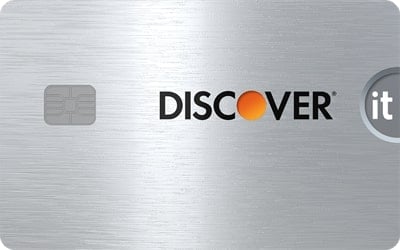
If you can meet the general requirements to qualify for a student credit card, here are some beginner-friendly options that report payments to all three credit bureaus, which are the companies that assemble the credit reports that form the basis for your credit scores.
Discover it® Student Chrome
The $0-annual-fee Discover it® Student Chrome is one of a few student credit cards that don’t require a FICO credit history to qualify, so that's one less obstacle on the path to credit. It earns 2% cash back at gas stations and restaurants on up to $1,000 in combined quarterly purchases and 1% on all other purchases.
Capital One Platinum Secured Credit Card
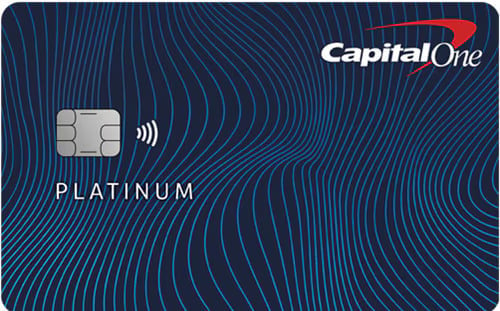
The $0-annual-fee Capital One Platinum Secured Credit Card is one of a few credit cards with a potentially lower security deposit requirement, depending on eligibility. It offers a $200 credit line with an initial deposit of $49, $99 or $200, for those who qualify. It doesn’t earn rewards, but that's not the priority when you're just starting out with credit.
» ALSO CONSIDER: NerdWallet’s best credit cards for college students
Establishing credit is also possible with alternative options
If you can’t get a co-signer, you might still be able to use someone else's strong credit history to build your own by becoming an authorized user on a friend or family member's existing account.
In this situation, you receive a credit card with your name on it that's tied to the friend or family member's account. The account holder is responsible for paying the bills, but you can potentially work out an unofficial payment agreement with the account holder.
Not all credit card issuers report authorized user activity to the credit bureaus, so it's a smart move to call the issuer and ask. Even if the issuer does report payments, payment behavior won't have as great an effect on your credit score as it would if you owned the account. Still, every little bit helps when you're starting. And it's a way to practice using a card and building good credit habits.
Practicing good habits keeps finances on track
Once you have access to a credit card, using it wisely will help your credit. Here are a few habits that can put you on a good path:
Keep the card open and active. An inactive account can get closed by the issuer and have a negative impact on your credit scores. Make at least one small planned purchase each month to keep it open.
Don’t let your balance carry over to the next month. Paying off your full balance each month avoids interest charges and debt over time. If you must carry a balance, try to use under 30% of your available credit to minimize the impact to credit scores.
Pay your bill on time. Making at least the minimum payment by the due date every single month will keep your credit history on track.
Don’t overspend to earn rewards. If your credit card offers rewards, it’s only worth earning them on planned purchases that align with a budget. If you overspend, any interest accrued will cancel out the value of rewards.
Set a calendar reminder to review your statement weekly. By checking in with your finances often, you’ll be aware of expenses and what's truly affordable. You can also spot fraudulent charges and report them on time to avoid unnecessary headaches.