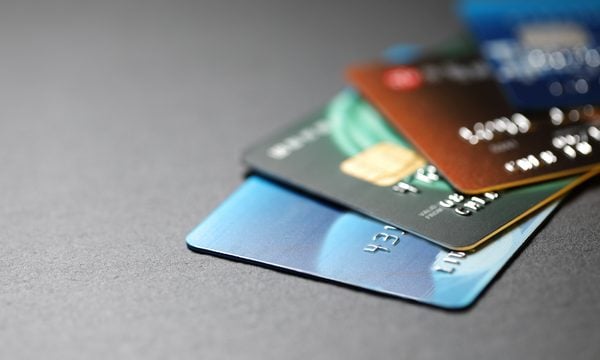
If you're a credit card holder, there's a very good chance you'll become a victim of credit card fraud at some point. Some research even suggests that you're more likely to experience fraud than to avoid it.
Credit card fraud runs the gamut: physical cards stolen and used before they're reported missing; account holders tricked into divulging their credit card information, which is then used for unauthorized purchases; account information compromised in massive data breaches at retailers, agencies, credit bureaus and elsewhere; and full-blown identity theft, in which criminals open accounts and run up debt in someone else's name.
With so many angles, it's all but impossible to shield yourself completely from credit card fraud, but vigilance can reduce your exposure and limit the potential damage.

How common is credit card fraud?
The Federal Trade Commission considers credit card fraud a form of identity theft. According to FTC data in early 2022, credit card fraud has consistently been the most commonly reported type of identity theft since 2017, save for a few months in 2020-21 during the COVID-19 pandemic, when there was a surge in fraudulent claims for unemployment benefits and other relief programs.
FTC statistics reflect only fraud cases that were reported to the agency — and most instances of fraud never actually get reported. They're handled directly by the issuer. Data from the Federal Reserve gives a glimpse into the actual scope of credit card fraud.
According to the most recent Survey of Consumer Payment Choice, conducted by the Federal Reserve Bank of Atlanta, 3.5% of credit card holders in 2020 said they had experienced an incident of loss, theft or fraud related to their credit card in the past 12 months.. The percentage varies from year to year and has been as high as 5.7% since 2015. The annual average is about 4.7%.
The survey also reported that 79% of consumers have at least one credit card. Going by the Census Bureau's 2020 tally of 258 million adults in the U.S., that's about 203 million credit card holders. Using the 4.7% figure, that means an average of 9.5 million people a year are victimized by credit card fraud.
Meanwhile, a 2021 survey by researchers at Security.org found that more than half of respondents — 58% — had experienced credit card fraud at some point in their lifetime, with 9% saying they'd been victimized four or more times.
In short, credit card fraud is not just something that "happens to someone else."
How severely is credit card fraud punished?
Credit card fraud can be prosecuted at either the state or federal level.
State crimes
Most credit card fraud cases that lead to criminal charges are handled at the state and local levels. Different states prosecute fraud differently. The severity of punishment depends on multiple factors, including the fraudster’s criminal history, the amount stolen, whether he or she had criminal intent (as opposed to an accidental misuse of credit card information) and whether the victim was elderly. In some states, if the severity of the crime warrants a felony conviction, the felony is broken down into different classes, typically based on the state’s identity theft laws. This page from the National Conference of State Legislatures summarizes the identity theft laws on the books in all states.
Federal crimes
Credit card fraud becomes a federal crime when it "affects interstate or foreign commerce," which is not as complicated as it may sound. Make an online purchase with someone else's credit card, or use a card issued to someone in another state, and that's enough. Federal penalties for using a "device" to commit fraud (the law defines a credit card as such a device) can include up to 20 years in prison, plus fines and forfeiture of personal assets.
Fraudulent credit card use can also fall under a number of other federal crimes, according to the Department of Justice, including computer fraud, mail fraud, wire fraud and financial institution fraud, with penalties of up to 30 years in prison.
How to protect yourself from credit card fraud
First, let's start with the good news: When it comes to credit card fraud, your liability under federal law is typically capped at $50, assuming you report unauthorized charges to your card issuer in a timely manner. Moreover, because most major credit card issuers offer zero liability fraud policies, you'll likely end up owing nothing in these cases.
But that doesn't mean credit card fraud isn't still a headache. It involves contacting your issuer, canceling your current card, waiting for a new one in the mail and subbing the new number into all autopay accounts linked to the old card. Plus, financial fraud and identity theft aren't limited to credit cards, so reducing your risk is always a good idea. Here are some steps:
Follow good safety practices. Phishing and skimming are popular methods that criminals use to steal credit card numbers, so learn how to protect yourself against such tactics. Additionally, consider an "autopay and every day" credit card strategy, in which you designate one card solely for autopay accounts like bills and subscriptions, while using another for everyday purchases. That way, the card that pays your important bills isn't in your pocket and exposed "to the wild." You also might benefit from a smartphone-based payment app, which shields your account information via "tokenization." And use common sense: Avoid making credit card transactions over public Wi-Fi, and make your passwords difficult to guess.
Consider freezing your credit reports. If you think you may be vulnerable to identity theft, freezing your reports will prevent criminals from opening new accounts in your name. Keep an eye on your currently open accounts, however, as they will still be active and open to fraudulent purchases if a criminal has your information.
Contact authorities as soon as you notice fraudulent activity. Notify your credit card issuer, the police and the three major credit bureaus (Equifax, Transunion and Experian) if you’ve become a victim of fraud or theft. Have your issuer close the compromised card and send you a new one, but keep records of the fraudulent transactions. Keep notes about your conversations with your issuer and the authorities in case the timeline of your disclosure is ever disputed. Even after the situation is resolved, keep a close eye on your accounts to make sure no other fraudulent activity slips through the cracks.
Article sources
- 1.Federal Trade Commission. FTC Consumer Sentinel Network: Comparing Identity Theft Types. Accessed Mar 9, 2022.
- 2.Federal Reserve Bank of Atlanta. 2020 Survey of Consumer Payment Choice — Table 13: Identity Theft, Loss, Theft, or Fraudulent Use of Payment Instruments. Accessed Mar 10, 2022.
- 3.Federal Reserve Bank of Atlanta. 2020 Survey of Consumer Payment Choice, p. 7. Accessed Mar 10, 2022.
- 4.Security.org. Credit Card Fraud 2021 Annual Report. Accessed Mar 10, 2022.
- 5.U.S. Code. 18 U.S.C. § 1029: Fraud and related activity in connection with access devices. Accessed Mar 10, 2022.
- 6.U.S. Department of Justice. What Are Identity Theft and Identity Fraud?. Accessed Mar 10, 2022.