The Total Visa® Credit Card is an option if you have bad credit, but it's not ideal.
Sure, it's an unsecured Visa card, meaning it doesn't require an upfront security deposit and will be widely accepted. And it reports payment activity to the three main credit bureaus, so it can help you build credit. But the benefits end there because the Total Visa® Credit Card, issued by The Bank of Missouri, charges an absolute onslaught of pointless fees, along with a jaw-dropping interest rate.
Even though some other credit cards for bad credit (FICO scores of 629 or lower) have annual fees and high interest rates, the Total Visa® Credit Card takes this to a new level.
Other credit cards can help you build credit with careful use, and the costs won't be as high.
Here are five things to know about the Total Visa® Credit Card.
1. It's loaded with fees
To carry and use the Total Visa® Credit Card, get ready to pay these fees:
- Program fee: You must pay this $95 fee within 60 days of your application being accepted. You can't activate your new card until you fork over the money. Generally speaking, "program fees" are not a thing for most credit cards, even among those meant for bad credit.
- Annual fee: The card charges an annual fee of $75 for the first year, then $48. While annual fees are much more common for credit cards — and they can be worth paying — the Total Visa® Credit Card is more expensive than other cards in its class. (Editor's Note: On May 11, 2023, Total Visa's annual fee increased to $125 for the first year, only to revert back to $75 six days later on May 17.)
- Monthly servicing fee: This is waived for the first year and costs $8.25 per month after that (as of May 17, 2023). That translates to $99 per year.
- Express shipping fee: If you want to receive your card more quickly than normal, you'll have to pay a $35 "express shipping fee."
- Other fees: Depending on your card use, you may incur late payment fees, cash advance fees, a fee for another card for an authorized user, and even a fee to increase your credit limit. And if you're feeling fancy, you can choose a "premium plastic card design" for an extra cost. (How much? The issuer won't say exactly: "The cost of the selected card will be disclosed to you at the time you select it, however, will never exceed $10.00.") So save your cash and opt for one of their free basic design options — or better yet, choose a different credit card entirely.
Assuming you don't rack up any other fees and pay the first three fees listed above, this card will cost at least $170 in the first year and $147 after that.
🤓 Nerdy Tip
The Total Visa® Credit Card comes with a rewards program where cardholders earn 1% cash back on all eligible purchases, but be aware of the caveats: You earn rewards only when you pay your bill (weird); you can't access your rewards for the first six months (ugh); and there's a minimum redemption requirement. 2. The interest rate is alarmingly high
Interest rates on credit cards for consumers with bad credit are notoriously high, but the Total Visa® Credit Card pushes the limit. As of this writing, the ongoing APR was almost 36%.
Think of it this way: If you make minimum payments on a $1,000 credit card balance, you'll spend an additional $2,045 or so in interest with the Total Visa® Credit Card. However, if you had that balance on a card charging a 29% annual percentage rate or APR and made the same monthly payment, you'd pay $963 in interest instead.
3. A credit limit increase involves a wait and a possible cost
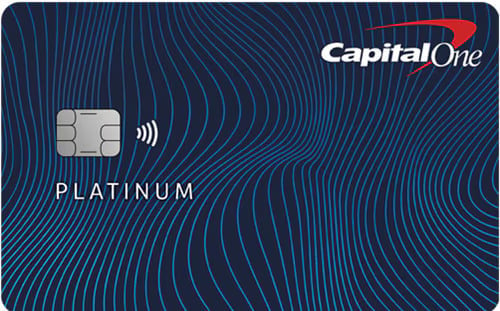
You must carry the Total Visa® Credit Card for a year before being considered for a credit limit increase, which is a long time to wait, considering you can become eligible for increases in less time with other cards. The Capital One Platinum Secured Credit Card will consider you for a credit line increase in as little as six months.
And let's go back to fees because you may have to pay another if your credit limit goes up with the Total Visa® Credit Card. In this case, you could owe 25% of the amount your credit limit is increased. So, according to the card's terms and conditions, if your credit limit grows by $100, you may be on the hook for a $25 fee that eats into the increase. So, really, it'd be a credit limit increase of $75.
Such a fee is highly unusual, even among cards for bad credit.
4. You must have a checking account

Like many cards for consumers with bad credit, you need a checking account to qualify. This can create a limitation for anyone who lacks a checking account but wants to establish a credit history.
An alternative is the opensky® Secured Visa® Credit Card, a secured card that allows you to pay a security deposit with a money order or Western Union transfer if you don't have a checking account. It does have a $35 annual fee, but that's cheaper than the Total Visa® Credit Card, especially in the long run. (Another opensky product — the opensky® Plus Secured Visa® Credit Card — doesn't charge an annual fee, although it does require a higher security deposit.)
5. Other cards cost much less
If building credit is your goal, other credit cards designed for that purpose don't pile on a bunch of pricey fees.
First, let's consider secured credit cards. Yes, they require you to put down an upfront deposit, which can be a hurdle. But unlike the Total Visa® Credit Card, it's not a recurring amount you must pay every year, and you can eventually get that money back when you close the card in good standing. (The fees you pay on the Total Visa® Credit Card? Not refundable.).
In addition to lower fees, other secured cards also earn less gimmicky rewards.
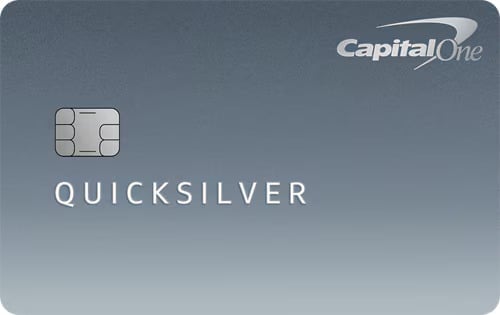
Consider the Capital One Quicksilver Secured Cash Rewards Credit Card, which has a $0 annual fee and earns 1.5% cash back on all purchases, plus 5% cash back on hotels, vacation rentals and rental cars booked through Capital One Travel.
The Discover it® Secured Credit Card is another $0-annual-fee option that earns 2% cash back at gas stations and restaurants (on up to $1,000 in combined purchases each quarter) and 1% cash back on all other purchases.
There's even a welcome bonus for new cardholders: INTRO OFFER: Unlimited Cashback Match for all new cardmembers—only from Discover. Discover will automatically match all the cash back you’ve earned at the end of your first year! There’s no minimum spending or maximum rewards.
Both cards also offer a path to graduating to unsecured cards over time.
If you don't think you can afford to tie up $200 to $300 in a security deposit for a year or more, you might want to look into a so-called "alternative" credit card. These products are designed for those with poor or no credit, and while they tend to lack flexibility and may come with some restrictions, many don't require a traditional upfront deposit, credit check or annual fee. Some even earn rewards.