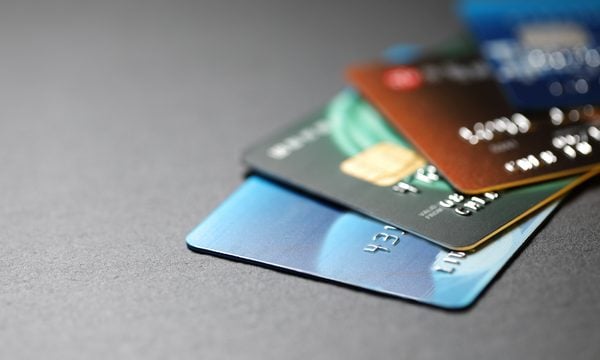
People who get a charge out of squeezing maximum value from their credit cards are probably familiar with the term "Chase trifecta." It refers to a strategic combination of three Chase-branded rewards credit cards that accomplishes two things:
- It significantly increases the amount of rewards you earn from spending.
- It allows you to redeem those rewards for potentially greater value.
Many Chase credit cards earn rewards in a currency called Chase Ultimate Rewards® points. These points are at the center of the trifecta strategy because they can be transferred from one card to another. Depending on which card you use, where you use it and when, you could earn as many as 10 Ultimate Rewards® points per dollar spent. Points have a base value of 1 cent apiece, but certain Chase cards allow you to redeem them for travel at a higher value, up to 2 cents per point.
So by strategically spending, transferring and redeeming, you can get an effective rewards rate of up to 20% on certain purchases. By comparison, using a single credit card for every purchase typically nets you an overall rate of 1.5% to 2%.
Here’s what to know about the Chase trifecta system.
Cards that earn Chase Ultimate Rewards®
Multiple Chase credit cards will work in a trifecta combination, as long as they earn Chase Ultimate Rewards® points. You can combine points from your own cards, or transfer your earnings to another member of your household.
Note that while some of these cards advertise "cash back," their rewards still come in the form of Chase Ultimate Rewards® points, which are worth a penny each when redeemed for cash. On such a card, "5% cash back" on a $100 purchase is awarded as 500 points, equal to $5.
Consumer credit cards



- Chase Freedom Flex®: It has an annual fee of $0 and earns 5% cash back on up to $1,500 in combined purchases each quarter on bonus categories that you activate (1% back after). It also earns 5% back on travel booked through Chase, 3% back at restaurants and drugstores, and an unlimited 1% on all other non-bonus-category spending. Through Sept. 30, 2027, you'll also earn 2% cash back on Lyft rides. Point value when redeemed for travel booked through Chase: 1 cent each.
- Chase Freedom Unlimited®: It has an annual fee of $0 and earns 5% back on travel booked through Chase, 3% back at restaurants and drugstores, and an unlimited 1.5% on all other spending. Through Sept. 30, 2027, you'll also earn 2% cash back on Lyft rides. Point value when redeemed for travel booked through Chase: 1 cent each.
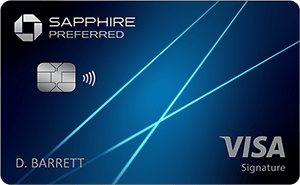
- Chase Sapphire Preferred® Card: It has an annual fee of $95 and earns 5 points per dollar spent on travel booked through Chase; 3 points per dollar spent on dining, select online grocery purchases, select streaming services, eligible vacation home rentals, gas and EV charging purchases; 2 points per dollar spent on all other travel; and 1 point per dollar on all other spending. Through Dec. 31, 2027, you'll earn 5 points per dollar spent on eligible Peloton purchases over $150. And through Sept. 30, 2027, you’ll earn 5 points per dollar on Lyft rides. Point value when redeemed for travel booked through Chase: up to 1.75 cents each.
- Chase Sapphire Reserve®: It has an annual fee of $795 and earns 8 points per dollar spent on travel booked through Chase; 4 points per dollar spent on flights and hotels booked directly; 3 points per dollar spent on dining; and 1 point per dollar on all other spending. You'll also earn 10 points per dollar spent on eligible Peloton purchases over $150 through Dec. 31, 2027, and 5 points per dollar on Lyft through Sept. 30, 2027. Point value when redeemed for travel booked through Chase: up to 2 cents each.
🤓 Nerdy Tip
The original Chase Freedom® card still exists, but is closed to new applicants. It can be product-changed to a Chase Freedom Flex® if you call Chase and make the request. Business credit cards

- Sapphire Reserve for Business℠: It has an annual fee of $795 and earns 8 points per dollar on travel booked through Chase; 4 points per dollar on flights and hotels booked directly; 3 points per dollar on social media and search engine advertising; and 1 point per dollar on all other spending. Through Sept. 30, 2027, you’ll also earn 5 points per dollar on Lyft rides. Point value when redeemed for travel booked through Chase: up to 2 cents each.
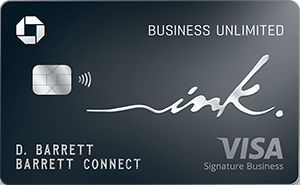
- Ink Business Unlimited® Credit Card: It has an annual fee of $0 and earns an unlimited 1.5% cash back on all purchases. Point value when redeemed for travel booked through Chase: 1 cent each.
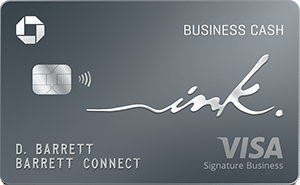
- Ink Business Cash® Credit Card: It has an annual fee of $0 and earns 5% cash back on the first $25,000 in combined purchases at office supply stores and on internet, cable and phone services each account anniversary year; 2% cash back on the first $25,000 in combined purchases at gas stations and restaurants each account anniversary year; and 1% on all other spending. Point value when redeemed for travel booked through Chase: 1 cent each.
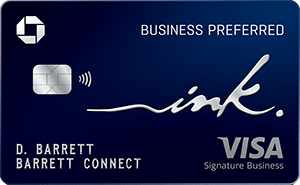
- Ink Business Preferred® Credit Card: It has an annual fee of $95 and earns 3 points per $1 on the first $150,000 spent in combined purchases on travel, shipping purchases, Internet, cable and phone services, and on advertising purchases made with social media sites and search engines each account anniversary year. All other spending earns an unlimited 1 point back. Point value when redeemed for travel booked through Chase: up to 1.75 cents each.
🤓 Nerdy Tip
While Chase also issues multiple co-branded credit cards — meaning cards that are partnerships between Chase and a merchant, airline or hotel group — those cards earn rewards only within the partner's brand, not Ultimate Rewards® points. Benefits of carrying multiple Chase cards
Increased rewards potential
A Chase trifecta can give you the most bang for your travel-rewards-earning buck. Consider this combination, which incorporates three different kinds of rewards cards:
- The Chase Freedom Flex®, a card with rotating and fixed bonus rewards categories.
- The Chase Freedom Unlimited®, a card that earns at least 1.5% cash back on all purchases, plus more in specific categories.
- The Chase Sapphire Reserve®, a tiered rewards card.
It's just one possible card combination, but it's an effective one because it covers all possible spending ground. You use the bonus category card on spending that earns 5% back each quarter; you use the tiered card on travel and dining; and you use the 1.5% cash-back card to earn a solid rate on everything else. (You can also use the Chase Freedom Flex® or Chase Freedom Unlimited® on dining, as all three of these cards earn the same rate.)
🤓 Nerdy Tip
Be aware that when evaluating credit card applications, Chase, like other issuers, takes into account how many cards you've applied for and opened recently. Read more about Chase's so-called 5/24 rule here. Greater redemption value
With any rewards currency, spreading spending across multiple cards can help you earn more. But to get outsize redemption value via the Chase trifecta, it has to be the right combination of cards. Making your points go further is the end goal.
Three credit cards in the Chase ecosystem offer enhanced value when you’re redeeming your rewards to book travel through the Chase portal.
- The Chase Sapphire Preferred® Card and the Ink Business Preferred® Credit Card can give you up to a 75% boost in value per point.
- The Chase Sapphire Reserve® offers up to a 100% boost in value. In the example above, you could redeem those 29,000 points for $290 in cash — or you could use them to book airfare or hotels via Chase and get up to $580 in value instead.
🤓 Nerdy Tip
The Chase Sapphire Reserve®, Sapphire Reserve for Business℠, Chase Sapphire Preferred® Card and Ink Business Preferred® Credit Card are eligible for Chase’s "Points Boost" feature, which offers a higher redemption rate when booking select airline tickets or hotel stays through Chase. When a redemption isn’t eligible for Points Boost, those points will only be worth 1 cent each. What to consider before diving in
Your break-even point
The Chase Sapphire Preferred® Card, the Chase Sapphire Reserve® and the Ink Business Preferred® Credit Card all carry annual fees, so if you don't think you'll earn enough back in points to outweigh your cost of carrying one of them, the Chase trifecta isn't a good system for you.
Your ability to juggle multiple cards
The Chase trifecta isn't a low-maintenance setup. You'll have to remember which card to use in which specific scenario, and that can get complicated — especially when you consider that the Chase Freedom Flex® requires you to opt in to new bonus categories every quarter.
Your tolerance for booking exclusively through Chase's travel portal
With a qualifying card like the Chase Sapphire Preferred® Card or the Ink Business Preferred® Credit Card, you can just cash out your points for a penny each, and you can also transfer your points to multiple travel partners, where you might find even better value. But to potentially take advantage of Chase's Point Boost feature (see Nerdy Tip above), you must book via Chase and only Chase.
Eligibility for another Chase card
Chase's 5/24 rule means that if you've opened five credit cards within the past 24 months — any five cards, not just Chase cards — you probably won't be eligible for another Chase card.
In general, it's best to wait a minimum of six months between each new line of credit you're seeking. Not only can multiple hard inquiries drag down your score, but it can also be a red flag to issuers.
Temptation to overspend
Here's the caveat with chasing credit card rewards: It's only a good idea if you pay your balances on time and in full every month. That's because rewards credit cards have high APRs, and if you carry a balance, that double-digit interest will eat away at your rewards.