American Express and Chase are both among the most prominent credit card issuers in North America. Likewise, they boast two of the most prominent rewards programs — AmEx Membership Rewards and Chase Ultimate Rewards®. Each program has its strengths and weaknesses, and while many award travelers make regular use of both AmEx and Chase points, you may find one works better for you than the other.
An overview of AmEx points vs. Chase Ultimate Rewards® points
Both AmEx Membership Rewards and Chase Ultimate Rewards® feature transferable points, which means they can be transferred to individual airline and hotel loyalty programs, as well as redeemed directly for travel and more. That flexibility makes these points more valuable than rewards that can only be used with a single airline or hotel loyalty program. Beyond that, here are some of each program’s highlights and drawbacks.

By signing up, you will receive newsletters and promotional content and agree to our Terms of Use and acknowledge the data practices in our Privacy Policy. You may unsubscribe at any time.
AmEx Membership Rewards
The Membership Rewards program has 20 airline and hotel partners, and offers frequent transfer bonuses that make transferring points more valuable. All Membership Rewards points are eligible to be transferred regardless of how they were earned.
On the downside, Membership Rewards points have limited value when booking travel directly with AmEx or redeeming for cash back. AmEx also imposes an “excise tax offset fee” of 60 cents per 1,000 points (up to a maximum of $99) for transfers to U.S. airline partners, which eats into the value of those transfers.
Cards that earn Membership Rewards
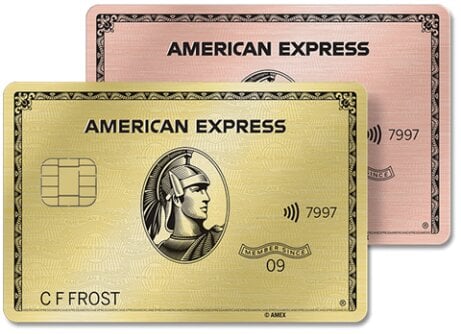
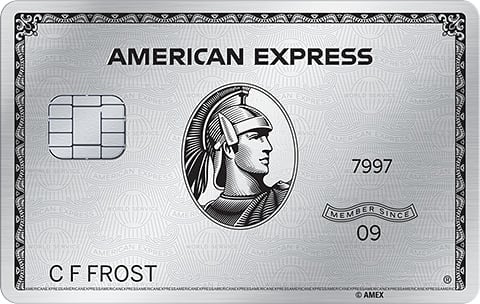
Annual fee
Learn more
Chase Ultimate Rewards®
The Ultimate Rewards® program has 13 airline and hotel partners, and also offers transfer bonuses to make transfers more valuable. Ultimate Rewards® points are worth 1-2 cents apiece toward travel booked directly with Chase, and can be redeemed for 1 cent apiece toward statement credits.
Cards that earn Ultimate Rewards®




Annual fee
- $95
- $795
- $95
- $795
» Learn more: What’s the value of Chase Ultimate Rewards® points?
One major drawback is that the value and utility of Ultimate Rewards® points depend heavily on which credit card you have. Only cards that charge an annual fee have access to transfer partners, and the most costly cards get the best return on direct bookings.
Choosing between AmEx and Chase points
Neither program is inherently superior, so which one you choose largely boils down to personal preference and travel tendencies. Here are a few considerations that may help you distinguish one from the other.
Decide which credit card(s) best suit your needs
Before you think about how to spend rewards, consider how you’ll earn them. You can choose from a variety of credit cards that earn Chase Ultimate Rewards® or AmEx Membership Rewards points, ranging from cards with no annual fee to premium credit cards with high-end travel perks (and annual fees to match).
» Learn more: The best travel credit cards right now
First, look for a card that earns bonus rewards in categories where you spend the most. For example, the American Express® Gold Card may be a good fit if you spend a lot on groceries, since it earns 4 points per dollar on the first $25,000 spent annually at U.S. supermarkets. If your spending isn’t concentrated in any one category, you might prefer a card like Chase Freedom Unlimited®, which offers a base earning rate of 1.5% back along with bonuses for dining, drugstore purchases and more.
Next, look for credit cards with benefits you’re likely to use. Both Chase and AmEx offer cards with a wide variety of benefits, ranging from basics like travel protections and no foreign transaction fees to premium perks like airport lounge access and luxury hotel credits. Choosing may be easier if you expect to get outsized value from a specific benefit (like Chase’s primary rental car coverage). One advantage of AmEx is that all Membership Rewards cards enable transfers to airline and hotel partners, whereas only some Chase cards are eligible to transfer Ultimate Rewards® points.
Compare transfer partners
On average, the most valuable way to redeem Chase and AmEx points is by transferring them to airline and hotel partners. Each program has its own set of partners, but there’s a lot of overlap between them.
Chase has 13 transfer partners, only four of which are unique to Ultimate Rewards®. In contrast, AmEx has 20 transfer partners, 11 of which are unique to Membership Rewards.
Loyalty program | Chase Ultimate Rewards® ratio | American Express Membership Rewards ratio |
|---|---|---|
Airline transfer partners | 10 total. | 16 total. |
Aer Lingus AerClub | 1:1. | 1:1. |
Aeromexico Rewards | N/A. | 1:1.6. |
Air Canada Aeroplan | 1:1. | 1:1. |
Air France-KLM Flying Blue | 1:1. | 1:1. |
ANA Mileage Club | N/A. | 1:1. |
Avianca Lifemiles | N/A. | 1:1. |
British Airways Club | 1:1. | 1:1. |
Cathay Pacific Asia Miles | N/A. | 5:4. |
Delta SkyMiles | N/A. | 1:1. |
Emirates Skywards | N/A. | 5:4. |
Iberia Plus | 1:1. | 1:1. |
JetBlue TrueBlue | 1:1. | 5:4. |
Qantas Frequent Flyer | N/A. | 1:1. |
Qatar Airways Privilege Club | N/A. | 1:1. |
Singapore Airlines KrisFlyer | 1:1. | 1:1. |
Southwest Airlines Rapid Rewards | 1:1. | N/A. |
United MileagePlus | 1:1. | N/A. |
Virgin Atlantic Flying Club | 1:1. | 1:1. |
Hotel transfer partners | 4 total. | 3 total. |
Choice Privileges | N/A. | 1:1. |
Hilton Honors | N/A. | 1:2. |
IHG One Rewards | 1:1. | N/A. |
Leading Hotels of the World Leaders Club | N/A. | 4:1. |
Marriott Bonvoy | 1:1. | 1:1. |
World of Hyatt | 1:1 or 4:3; varies by card. | N/A. |
Wyndham Rewards. | 1:1. | N/A. |
AmEx has more total transfer partners than Chase and offers many partners that Chase doesn’t. However, apart from Delta, Choice and Hilton, those unique transfer partners are of limited use to domestic travelers, especially those who aren’t experts at booking award travel. Programs like Avianca LifeMiles and ANA Mileage Club have lucrative sweet spots, but learning how to find and maximize those awards takes time and effort.
» Learn more: The best (and worst) AmEx transfer partners
Chase has only four transfer partners that aren’t also offered by AmEx: Southwest, United, Hyatt and IHG. However, those four programs are broadly useful to North American travelers, and since World of Hyatt points are more valuable than other airline and hotel rewards, having Hyatt as a transfer partner sets a reliably high floor of value for redeeming Ultimate Rewards® points.
Weigh your other redemption options
While transferring to airline and hotel partners tends to provide the best value, other options for redeeming Chase and AmEx points may also prove useful.
Chase is generally better for cash back awards, as all Ultimate Rewards® cardholders can redeem for statement credits at a flat rate of 1 cent per point. In most cases, AmEx offers only 0.6 cent per point for statement credits.
Chase also generally offers better value when booking travel directly. Chase's travel portal offers a minimum of 1 cent per point toward airfare, hotels, rental cars and more, while the Points Boost feature allows select cardholders to get as much as 2 cents per point. In contrast, the AmEx Travel portal generally offers 1 cent per point toward flights or Fine Hotels & Resorts bookings or 0.7 cents per point toward other bookings.
You don’t have to choose
It’s helpful to figure out whether you’ll get better value from Ultimate Rewards® or Membership Rewards points, but you don’t have to limit yourself to earning one or the other. Using both gives you access to a broader selection of transfer partners, as well as the alternative redemption options and other features unique to each program.
If you have the capacity to manage multiple credit cards responsibly, consider a combination of cards that complement each other.
How to maximize your rewards
You want a travel credit card that prioritizes what’s important to you. Here are some of the best travel credit cards of 2026:
Flexibility, point transfers and a large bonus: Chase Sapphire Preferred® Card
No annual fee: Wells Fargo Autograph® Card
Flat-rate travel rewards: Capital One Venture Rewards Credit Card
Bonus travel rewards and high-end perks: Chase Sapphire Reserve®
Luxury perks: American Express Platinum Card®
Business travelers: Ink Business Preferred® Credit Card