







Chase Ultimate Rewards® and American Express Membership Rewards are two of the most popular rewards currencies in the points and miles world. They're particularly valuable because of their flexibility. They can be transferred to airline and hotel partners, as well as redeemed for travel, gift cards and statement credits.
NerdWallet recommends transferring your Chase and AmEx points to airlines and hotels in order to redeem them for award flights and hotel stays. That's typically where you can get the most value from them. But which program is better?
The best way to determine that is by comparing both programs and the transfer partners they offer. AmEx and Chase both have impressive rosters, but some are more valuable than others — especially if you prefer a certain hotel chain or like to fly in business class. Here's a detailed comparison between the best and worst AmEx and Chase transfer partners.
» Learn more: AmEx points vs. Chase points
AmEx vs. Chase airline and hotel transfer partners
Chase has 10 airline and four hotel partners, while American Express has nearly two dozen airline and hotel partners.
Although AmEx offers more partners, it doesn’t mean that AmEx’s program is superior. Rather, it's a matter of deciding which airlines or hotels you prefer.
For example, if you love Southwest Airlines and want to use your points for an award ticket on that airline, you’ll want to focus your efforts on earning Chase Ultimate Rewards® points because Southwest only partners with Chase.
Loyalty program | Chase Ultimate Rewards® ratio | American Express Membership Rewards ratio |
|---|---|---|
Airline transfer partners | 10 total. | 16 total. |
Aer Lingus AerClub | 1:1. | 1:1. |
Aeromexico Rewards | N/A. | 1:1.6. |
Air Canada Aeroplan | 1:1. | 1:1. |
Air France-KLM Flying Blue | 1:1. | 1:1. |
ANA Mileage Club | N/A. | 1:1. |
Avianca Lifemiles | N/A. | 1:1. |
British Airways Club | 1:1. | 1:1. |
Cathay Pacific Asia Miles | N/A. | 5:4. |
Delta SkyMiles | N/A. | 1:1. |
Emirates Skywards | N/A. | 5:4. |
Iberia Plus | 1:1. | 1:1. |
JetBlue TrueBlue | 1:1. | 5:4. |
Qantas Frequent Flyer | N/A. | 1:1. |
Qatar Airways Privilege Club | N/A. | 1:1. |
Singapore Airlines KrisFlyer | 1:1. | 1:1. |
Southwest Airlines Rapid Rewards | 1:1. | N/A. |
United MileagePlus | 1:1. | N/A. |
Virgin Atlantic Flying Club | 1:1. | 1:1. |
Hotel transfer partners | 4 total. | 3 total. |
Choice Privileges | N/A. | 1:1. |
Hilton Honors | N/A. | 1:2. |
IHG One Rewards | 1:1. | N/A. |
Leading Hotels of the World Leaders Club | N/A. | 4:1. |
Marriott Bonvoy | 1:1. | 1:1. |
World of Hyatt | 1:1 or 4:3; varies by card. | N/A. |
Wyndham Rewards. | 1:1. | N/A. |
AmEx Membership Rewards overview
Transfer partners
With a total of 19 partners, AmEx points can be transferred to the following airlines and hotels.
AmEx airline partners
British Airways Club (Avios).
AmEx hotel partners

By signing up, you will receive newsletters and promotional content and agree to our Terms of Use and acknowledge the data practices in our Privacy Policy. You may unsubscribe at any time.
Best American Express Membership Rewards transfer partners
Air Canada Aeroplan: Air Canada’s Aeroplan is a solid program due to its decent award chart and participation in the Star Alliance network. Aeroplan miles are great for booking award seats on United, Copa Airlines and many other Star Alliance carriers.
Air France / KLM Flying Blue: Air France / KLM’s Flying Blue is another useful option due to the airline’s monthly Promo Rewards, which are discounted award tickets to specific destinations. Although the airline adds high taxes and surcharges to award tickets, the discount on the number of miles can be as high as 50%.
British Airways: British Airways is a member of the Oneworld Alliance, so you could use your British Airways Avios to book flights on American Airlines. Although British Airways is notorious for adding high taxes and fuel charges on awards, you won't pay those fees on domestic American Airlines flights. Furthermore, since British Airways' award chart is distance-based, Avios are great for short-haul flights on American Airlines.
Weak American Express Membership Rewards transfer partners
JetBlue: AmEx’s poor transfer ratio to JetBlue makes this airline a weak partner. Instead of a 1:1 ratio, for every 250 AmEx points, you receive only 200 JetBlue points. While JetBlue is a solid program on its own, transferring AmEx points to the carrier would not be a great use of points.
Delta: American Express charges excise tax offset fees on point transfers to domestic airlines of .06 cent per point. While this seems like a tiny amount, a transfer of 50,000 points will result in an annoying $30 fee. Keep this in mind for transfers to Delta and JetBlue.
» Learn more: The best — and worst — AmEx transfer partners
What else you need to know
Here's a closer look at American Express' transfer ratios, minimum transfer amounts and alliance memberships.
Airline/hotel partner | Transfer ratio | Minimum transfer amount | Alliance, if applicable |
|---|---|---|---|
Aer Lingus | 1:1. | 1,000. | N/A. |
Aeromexico | 1:1.6. | 1,000. | SkyTeam. |
Air Canada | 1:1. | 1,000. | Star Alliance. |
Air France/KLM | 1:1. | 1,000. | SkyTeam. |
All Nippon Airways | 1:1. | 1,000. | Star Alliance. |
Avianca | 1:1. | 1,000. | Star Alliance. |
British Airways | 1:1. | 1,000. | Oneworld. |
Cathay Pacific | 5:4. | 1,000. | Oneworld. |
Choice | 1:1. | 1,000. | N/A. |
Delta Air Lines | 1:1. | 1,000. | SkyTeam. |
Emirates | 5:4. | 1,000. | N/A. |
Hilton | 1:2. | 1,000. | N/A. |
Iberia | 1:1. | 1,000. | Oneworld. |
JetBlue Airways | 5:4. | 250. | N/A. |
Leading Hotels of the World | 4:1. | 1,000. | N/A. |
Marriott | 1:1. | 1,000. | N/A. |
Qantas Airways | 1:1. | 500. | Oneworld. |
Qatar Airways | 1:1. | 1,000. | Oneworld. |
Singapore Airlines | 1:1. | 1,000. | Star Alliance. |
Virgin Atlantic | 1:1. | 1,000. | SkyTeam. |
With the exception of Delta and JetBlue, the remaining airline partners are international. Don’t let this deter you, though — many of these international airlines participate in large airline alliance networks, offering plenty of opportunities for redemptions on domestic carriers.
For example, Avianca and United are both members of the Star Alliance. So you could transfer AmEx points to Avianca’s Lifemiles program, and then use Lifemiles miles to book an award ticket on United.
» Learn more: Your guide to airline alliances
Additionally, American Express often runs transfer bonuses, allowing you to maximize the amount of points you’re moving into your frequent flyer account. If you time a transfer bonus to coincide with an upcoming redemption, you could extract an excellent value out of your AmEx points.
Chase Ultimate Rewards® overview
Chase transfer partners
Chase Ultimate Rewards® points can be transferred to 14 programs in total, comprising 10 airlines and four hotel chains.
Chase's airline and frequent flyer program partners
Aer Lingus AerClub (Avios).
Air Canada Aeroplan.
Air France / KLM Flying Blue.
British Airways Club (Avios).
Iberia Plus (Avios).
JetBlue TrueBlue.
Singapore KrisFlyer.
Virgin Atlantic Flying Club.
Chase's hotel partners
The best Chase Ultimate Rewards® transfer partners
United: United is a great choice given the airline’s extensive reach and its participation in Star Alliance. Although United has eliminated its award chart, its award search tool is great for checking Star Alliance availability. Another positive is that United doesn’t charge exorbitant taxes or surcharges on award tickets.
Virgin Atlantic: Virgin Atlantic is a part of SkyTeam, so its points can be used to book flights on alliance partners like Delta, Air France and KLM. However, they can also be used to book with non-alliance partners that you might not expect, including ANA. Another great way to get solid value is redeeming your Virgin points for Virgin Atlantic flights, although you might have to pay some hefty taxes and fees.
Hyatt: Hyatt is the only Chase hotel transfer partner that’s worthy of mention. NerdWallet values Hyatt points at 1.8 cents each, which is above the valuation of any other hotel. However, keep in mind that your Hyatt transfer ratio will be 1:1 or 4:3 depending on which eligible Chase card you hold.
Weak Chase Ultimate Rewards® transfer partners
Marriott, IHG and Wyndham: Transferring to Marriott, IHG or Wyndham would not be ideal. NerdWallet values Marriott points at 0.7 cent, IHG points at 0.6 cent each and Wyndham points at 0.7 cent. You’d be better off booking a hotel room through Chase’s travel portal, where you can get at least 1 cent per point.
What else you need to know
Here's a deep dive into the Chase transfer ratio, minimum transfer amounts and its alliance memberships.
Airline/hotel partner | Transfer ratio | Minimum transfer amount | Alliance, if applicable |
|---|---|---|---|
Aer Lingus | 1:1. | 1,000. | N/A. |
Air Canada | 1:1. | 1,000. | Star Alliance. |
Air France/KLM | 1:1. | 1,000. | SkyTeam. |
British Airways | 1:1. | 1,000. | Oneworld. |
Hyatt | 1:1 or 4:3; varies by card. | 1,000. | N/A. |
Iberia | 1:1. | 1,000. | Oneworld. |
IHG | 1:1. | 1,000. | N/A. |
JetBlue Airways | 1:1. | 1,000. | N/A. |
Marriott | 1:1. | 1,000. | N/A. |
Singapore Airlines | 1:1. | 1,000. | Star Alliance. |
Southwest Airlines | 1:1. | 1,000. | N/A. |
United Airlines | 1:1. | 1,000. | Star Alliance. |
Virgin Atlantic | 1:1. | 1,000. | SkyTeam. |
You can transfer from Chase to airlines and hotels at a 1:1 ratio, with the exception of World of Hyatt. If you hold the Chase Sapphire Preferred® Card or the Ink Business Preferred® Credit Card, your Chase points will transfer to Hyatt at a lower 4:3 ratio. Transfers are usually immediate, but can take up to seven business days. Unlike AmEx, transfers to JetBlue are at a 1:1 ratio, and Chase does not charge any fees when you move points to domestic airlines.
» Learn more: How to transfer Chase points to travel partners
How to earn Chase Ultimate Rewards® and American Express Membership Rewards points
The fastest and easiest way to earn points with AmEx or Chase is through card welcome offers. The other way is to strategically use the cards for everyday purchases so you maximize your earnings on bonus categories.
You will need to satisfy a minimum spending requirement to receive the welcome offer. If you cannot meet the minimum spend without going into debt, it's better to hold off applying for the card, as any value you’d receive from the points will be wiped out by the finance charges you’d pay on carrying a balance.
In addition, before you start applying for any new cards, keep in mind Chase’s 5/24 rule, which limits the number of cards you can be approved for. In general, if you’re deciding between AmEx and Chase, apply for a Chase card first.
» Learn more: Chase 5/24 rule explained
Credit cards that earn Chase Ultimate Rewards® points
Chase Ultimate Rewards® points can be earned from these cards:

Chase personal credit cards:
Chase Sapphire Reserve®, annual fee: $795. Earn 100,000 bonus points after you spend $6,000 on purchases in the first 3 months from account opening.
Chase Sapphire Preferred® Card, annual fee: $95. Earn 75,000 bonus points after you spend $5,000 on purchases in the first 3 months from account opening.
Chase business credit cards:
Ink Business Preferred® Credit Card, annual fee: $95. Earn 100,000 bonus points after you spend $8,000 on purchases in the first 3 months from account opening.

No-fee cards that earn Chase Ultimate Rewards®:
These no-annual-fee cards will allow you to earn Chase Ultimate Rewards®, but it's important to note that if you don't also have one of the cards above, you're limited in what you can do with your points. You won't, for instance, have access to transfer partners.
Chase Freedom Unlimited®, annual fee: $0. Earn a $200 Bonus after you spend $500 on purchases in your first 3 months from account opening.
Chase Freedom Flex®, annual fee: $0. Earn a $250 Bonus after you spend $500 on purchases in your first 3 months from account opening.
Ink Business Cash® Credit Card, annual fee: $0. Earn $750 when you spend $6,000 on purchases in the first 3 months after account opening.
Ink Business Unlimited® Credit Card, annual fee: $0. Earn $750 bonus cash back after you spend $6,000 on purchases in the first 3 months from account opening.
Cards that earn American Express Membership Rewards
Personal cards that earn AmEx Membership Rewards points include:
AmEx personal cards:
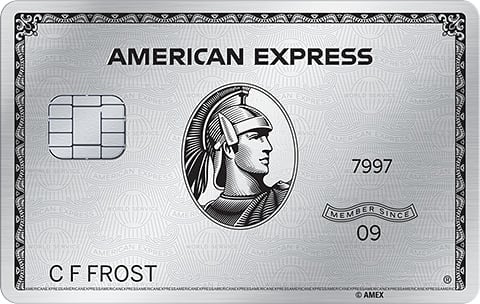
American Express Platinum Card®, annual fee: $895 (see rates and fees). You may be eligible for as high as 175,000 Membership Rewards® Points after spending $12,000 in eligible purchases on your new Card in your first 6 months of Membership. Welcome offers vary and you may not be eligible for an offer. Terms apply.
American Express® Gold Card, annual fee: $325 (see rates and fees). You may be eligible for as high as 100,000 Membership Rewards® Points after you spend $8,000 in eligible purchases on your new Card in your first 6 months of Card Membership. Welcome offers vary and you may not be eligible for an offer. Apply to know if you’re approved and find out your exact welcome offer amount – all with no credit score impact. If you’re approved and choose to accept the Card, your score may be impacted. Terms Apply.
How to decide if AmEx or Chase is best for you
American Express Membership Rewards and Chase Ultimate Rewards® are two of the most valuable transferable point currencies. The points from these programs are extremely versatile because they can be transferred to numerous airline and hotel partners.
Deciding which program to go with depends on your particular travel goals, your home airport and which airlines fly to where you want to go. With so many airline and hotel transfer partners, you really can’t go wrong with either program.
How to maximize your rewards
You want a travel credit card that prioritizes what’s important to you. Here are some of the best travel credit cards of 2026:
Flexibility, point transfers and a large bonus: Chase Sapphire Preferred® Card
No annual fee: Wells Fargo Autograph® Card
Flat-rate travel rewards: Capital One Venture Rewards Credit Card
Bonus travel rewards and high-end perks: Chase Sapphire Reserve®
Luxury perks: American Express Platinum Card®
Business travelers: Ink Business Preferred® Credit Card