





The Federal Reserve just raised the target for the federal funds rate 25 basis points, or a quarter of a percentage point. It's the first increase to the funds rate since July 2023.
Mortgage rates, on the other hand, have been rising since late April — and this week rates took a more decisive upward turn.
The average rate on a 30-year fixed-rate mortgage rose 24 basis points to 6.97% APR in the week ending Sept. 16, according to rates provided to NerdWallet by Zillow. (A basis point is one one-hundredth of a percentage point.) We calculate our weekly average using daily APRs recorded over the past five business days.
Let's break down why mortgage rates moved so much higher this week, what today's announcement could mean for mortgage rates and what you should know if you're considering buying or refinancing in this rate environment.
🤓 Kate on Rates, 10/22/26

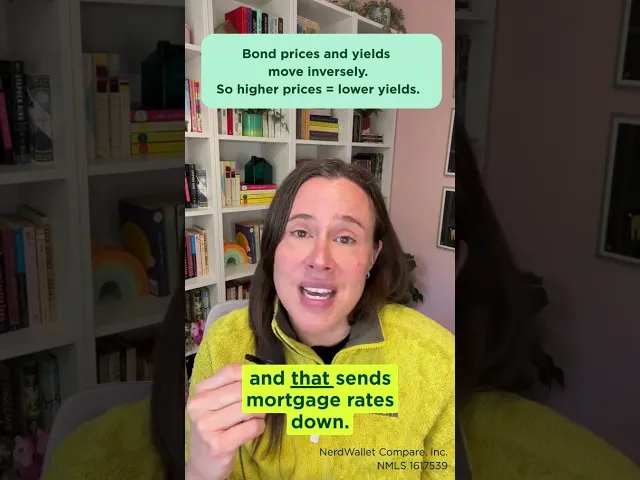
Why mortgage rates moved ahead of the Fed
Mortgage rates jumped thanks to new inflation data that came in late last week. August's Producer Price Index, which measures wholesale prices, showed troubling signs that rising fuel costs are pushing up the prices of other goods and services.
The August Consumer Price Index, PPI's consumer counterpart, came in mostly as predicted the next day. But month-over-month core inflation, which removes more volatile food and fuel prices to show the longer-term trend, came in 10 basis points over predictions, at 0.3% instead of 0.2%. That one-tenth of a percentage point was arguably the decisive blow.
Overall, PPI and CPI delivered a one-two punch with three substantial, and very much interrelated, impacts. Bond yields (essentially, the interest rate on bonds) rose, as they tend to do when there's bad news about inflation. Expectations for the Federal Reserve to raise the federal funds rate rose, too, since rate hikes are the Fed's primary tool for fighting inflation.
So it's no surprise that mortgage rates, which are often benchmarked to the yield on the 10-Year Treasury note, also rose. The heightened odds of a Fed hike helped, too. The Fed doesn't set mortgage rates, but mortgage lenders tend to work expected Fed actions into their rates.
Explore mortgages today and get started on your homeownership goals
Get personalized rates. Your lender matches are just a few questions away.Today's rate hike could provide a little relief
Paradoxically, raising the federal funds rate could help take some of the upward pressure off of mortgage rates. It's a little bit of a wonky explanation, but once you see how the elements fit together you'll get why that could happen.
Rising bond yields have driven mortgage rates higher this year, and inflation's been a key factor. Bonds have fixed prices and returns, so when money's worth less, bonds are, too. Bond prices and yields have an inverse relationship, so when bond prices drop, bond yields rise.
Inflation has been above the Federal Reserve's 2% target for over five years, though it had been slowing … until the Iran war started. Disrupting oil production and throttling a key shipping route, the conflict reaccelerated inflation. That promptly pushed up bond yields, so mortgage rates went up, too. (Again, mortgage rates are pegged to the yield on the 10-year Treasury.)
The last two Federal Reserve announcements, which were the first meetings for new Chair Kevin Warsh, saw no change to the funds rate and no indication of what might cause the Fed to take action. That's frustrated bond markets — if the Fed isn't going to do anything about inflation, the thinking goes, inflation's going to get worse.
Now that's changed. The Fed is finally doing something about inflation. Today's decision might not cause bond yields and mortgage rates to drop. But the Fed taking action could at least slow the upward momentum that yields and rates have had recently.
What potential borrowers should know
Right now, mortgage interest rates hitting a plateau feels like the best-case scenario. While this Fed hike may temporarily soothe some of the bond market's anxieties, there are still plenty of forces applying upward pressure. (For example, this week rising oil prices have made the largest non-Fed-related contribution to bond yields.)
The big takeaway here: Don't expect a significant rate drop anytime soon.
If you're a homeowner hoping to refinance, you're likely going to hang onto your current rate for a bit longer. For a rate-and-term refi to make sense, you need to be saving, bare minimum, half a percentage point off your current rate. At today's prevailing rates, very few homeowners are going to be in the money on a refinance.
Considering a home purchase? It still makes sense if you're able to find a home that's affordable for you at today's rates. But don't max out your budget on the assumption you'll soon be able to refinance to a lower rate; no one can guarantee mortgage rates will be lower in a week, let alone a year. And compare rate quotes from multiple lenders to make sure you're getting the best mortgage rate you can in today's challenging market.