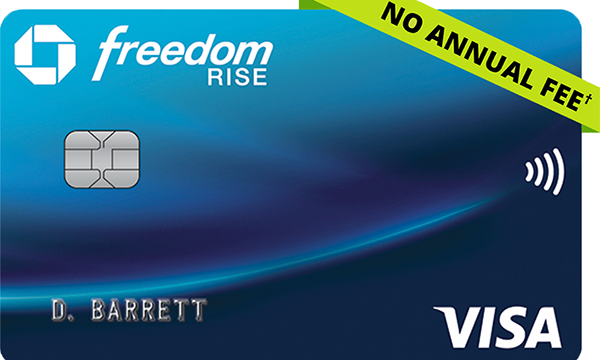
Chase organizes its credit cards into different "families" based on what the card offers. Travel and dining cards are branded with a Sapphire name. Small business cards are Ink-branded. And Chase's cashback-focused credit cards are branded as Chase Freedom credit cards.
Chase currently offers three types of Chase Freedom credit cards to new cardholders: Chase Freedom Flex®, Chase Freedom Unlimited® and Chase Freedom® Student credit card. The fourth member of the Freedom family is no longer available to new cardholders: Chase Freedom®.
Each of these four no-annual-fee Freedom-branded cards offers a unique set of earning opportunities and benefits. So, you may be wondering if you can get more than one Chase Freedom card. The short answer is yes, it's possible to hold two Freedom cards at once, but there are some limitations. Let's take a look at Chase's policies and strategies for maximizing Chase Freedom credit cards.
» Learn more: The best travel credit cards right now
Chase Freedom credit cards currently available
Chase offers three varieties of Freedom-branded cards to new cardholders. Here are the currently available Chase Freedom credit cards and the current sign-up bonus for each:
Chase Freedom Flex®: Earn a $250 Bonus after you spend $500 on purchases in your first 3 months from account opening.
Chase Freedom Unlimited®: Earn a $200 Bonus after you spend $500 on purchases in your first 3 months from account opening.
Chase Freedom® Student credit card: $50 Bonus after first purchase made within the first 3 months from account opening.
In addition to solid sign-up bonuses, Chase Freedom credit cards also offer a great way to earn cash back on a variety of everyday purchases. However, the earning rates vary by type of Freedom card. Here's an overview:
Chase Freedom Flex®: Earn 5% cash back on up to $1,500 on combined purchases in bonus categories each quarter you activate. Earn 5% cash back on travel purchased through Chase, 3% on dining, including takeout, and drugstores, and 1% on all other purchases.
Chase Freedom Unlimited®: Earn 5% cash back on travel purchased through Chase, 3% cash back on drugstore purchases and dining at restaurants, including takeout and eligible delivery service, and unlimited 1.5% cash back on all other purchases.
Chase Freedom® Student credit card: Earn 1% cash back on all purchases.
As you can see, the earning rates cross over a bit on the Chase Freedom Flex® and the Chase Freedom Unlimited®. However, these cards can complement each other in other ways. By getting both types of Freedom cards, you can earn:
5% cashback on up to $1,500 in purchases each quarter in a rotating category using the Chase Freedom Flex®.
5% on travel purchased through Chase on either card.
3% on dining and drugstores using either card.
1.5% cashback on all other purchases using the Chase Freedom Unlimited®.
Perhaps best of all, none of the Chase Freedom credit cards charges an annual fee. That means you can earn up to 5% cash back without paying a dollar in annual fees.
Of the three Freedom cards currently available, the Chase Freedom® Student credit card offers the lowest earning rates. However, as the name implies, this card is designed for students just starting to build their credit.
» Learn more: Chase Freedom Flex vs. Chase Freedom Unlimited

By signing up, you will receive newsletters and promotional content and agree to our Terms of Use and acknowledge the data practices in our Privacy Policy. You may unsubscribe at any time.
Understanding Chase bank’s credit card rules
Perhaps the biggest barrier to getting a Chase Freedom credit card is Chase's 5/24 Rule. This unpublished but well-known rule holds that Chase won't approve you for a new credit card if you have opened five or more credit cards from any card issuer in the past 24 months.
When figuring out your 5/24 status, you can't just count credit cards that you opened. Authorized user accounts also count toward your status if the account has been opened within 24 months. However, the good news for small-business owners is that most small-business credit cards don't add to your "5/24" count.
If you're close to exceeding 5/24, you may want to consider whether it's better to get a different Chase credit card instead of a Chase Freedom credit card.
» Learn more: The best Chase credit cards
Rules on earning a Chase Freedom credit card sign-up bonus
In addition to Chase's 5/24 rule, Chase places restrictions on who can open a new Chase Freedom credit card account. You can't open a new Chase Freedom credit card if you're:
A current cardholder of the same type of card.
A previous cardholder who earned a new cardmember bonus in the past 24 months.
That means Chase will deny you for a new Chase Freedom Flex® account if you currently have a Chase Freedom Flex® or if you've earned a cardmember bonus on the Chase Freedom Flex® in the past 24 months. However, Chase won't prevent you from getting both the Chase Freedom Unlimited® and the Chase Freedom Flex® — as long as you meet the eligibility requirements for the new Freedom account.
» Learn more: Your guide to Chase Ultimate Rewards®
How many Chase Freedom credit cards can I have?
Chase doesn't restrict how many types of Chase Freedom credit cards you can have. If you avoid exceeding the Chase's 5/24 restriction, you can conceivably open all three types of currently available Chase Freedom credit cards and earn a sign-up bonus on each one.
In addition, you could convert an existing Chase card to a Chase Freedom® (which is no longer available to new cardholders) to complete your Chase Freedom portfolio.
This can be useful if you're limited by the $1,500 quarterly bonus spending limit on the Chase Freedom Flex®. The Chase Freedom® offers the same 5% cashback on up to $1,500 in purchases each quarter in a bonus category. So, by converting another Chase card to the Chase Freedom®, you can effectively double your potential 5% cashback earnings in the quarterly bonus category.
Advanced points and miles collectors could even get multiple accounts of the same Chase Freedom credit card (i.e., two Chase Freedom Flex® cards). While Chase limits you from opening a second Chase Freedom Flex® card if you already have one, Chase won't prevent you from converting another existing account to a Chase Freedom Flex® card if you already have one.
If you’re thinking about getting a second Chase Freedom credit card
If you already have a Chase Freedom credit card, or you’re simply looking for ways to maximize your cash back earnings, opting for two Chase Freedom cards can help you optimize your returns.
If you’re not sure if the Chase Freedom is right for you, consider your biggest spending categories. If they’re on things like groceries and gas, having the quarterly bonus from the Chase Freedom Flex® might be helpful. However, if you spend a lot of money on travel, you may get more value from a travel-specific card that gives you access to Chase's travel portal.
How to maximize your rewards
You want a travel credit card that prioritizes what’s important to you. Here are some of the best travel credit cards of 2026:
Flexibility, point transfers and a large bonus: Chase Sapphire Preferred® Card
No annual fee: Wells Fargo Autograph® Card
Flat-rate travel rewards: Capital One Venture Rewards Credit Card
Bonus travel rewards and high-end perks: Chase Sapphire Reserve®
Luxury perks: American Express Platinum Card®
Business travelers: Ink Business Preferred® Credit Card