

Chase travel credit cards have gained clout within the travel credit card industry for their premium benefits and flexible Ultimate Rewards® program. If you’re in the market for a new travel rewards credit card, here’s what to know about Chase’s suite of options.
What are Chase travel credit cards?
Chase travel credit cards are designed with travelers’ needs in mind, offering bonus rewards on travel-related spending. Generally, they include benefits that make air travel more convenient — both on and off the ground — and hotel stays more comfortable, though specific perks depend on the type of Chase travel credit card.
The issuer offers two types of travel cards:
Chase-branded travel credit cards. These travel cards earn points under Chase’s Ultimate Rewards® program. Earned points are redeemable for future travel through the issuer’s booking portal, Chase Travel℠, or can be transferred to an eligible airline or hotel loyalty program.
Airline- and hotel-branded travel credit cards. These Chase-issued travel cards are branded under an airline or hotel that partners with Chase, such as British Airways, Southwest Airlines and Marriott. Rewards toward the partner’s loyalty program are earned in miles or points, and benefits are typically specific to enhancing your experience with the branded airline or hotel.
» Learn more: The best travel credit cards right now
Top Chase-branded travel credit cards
Chase’s Sapphire network includes two personal travel credit cards: the Chase Sapphire Preferred® Card and the Chase Sapphire Reserve®. These Chase-branded cards offer travel protection, no foreign exchange fees and heightened travel benefits. Whether you’re shopping for your first travel card or adding a new credit card to your travel rewards strategy, a Chase Sapphire card can be a useful addition.
Chase Sapphire Preferred® Card
The Chase Sapphire Preferred® Card has a lower barrier of entry in terms of the cost to carry it compared with its sister card, the Chase Sapphire Reserve®. Chase Sapphire Preferred® Card holders pay an annual fee of $95, and there is no additional cost to add an authorized user to the account.
In exchange for its modest annual fee, you’ll get perks like a $100 annual credit for a prepaid hotel booking made through Chase Travel℠, DashPass benefits that are valued at over $200, and a fee credit for TSA PreCheck, Global Entry or NEXUS applications.
You can also accelerate your rewards earnings through everyday purchases under certain bonus categories. Its standard rewards program earns cardholders 5 points per dollar spent on Chase Travel℠ bookings; 3 points per dollar on dining, online groceries, select streaming services, gas and EV charging, and vacation rentals booked through platforms like Airbnb and Vrbo; 2 points per dollar on other travel spending; and 1 point per dollar on everything else.
The Chase Sapphire Preferred® Card offers this welcome bonus: Earn 75,000 bonus points after you spend $5,000 on purchases in the first 3 months from account opening.
Chase Sapphire Reserve®
The Chase Sapphire Reserve® is the issuer’s premium travel credit card option with a hefty annual fee of $795. The authorized user annual fee of the Chase Sapphire Reserve® is $195 per person.
The cost of carrying the Chase Sapphire Reserve® card is one of the highest in the industry. Although this cost might make some balk, the card can be attractive for frequent travelers who maximize its menu of perks, which is valued at more than $2,700.
Credits range from travel-focused to lifestyle categories. Travel credits include a $500 annual credit for stays at select hotels within Chase’s The Edit collection; a $300 annual travel credit; up to $120 in statement credit for Global Entry, TSA PreCheck or Nexus every four years; and complimentary IHG One Rewards Platinum Elite status.
Chase Sapphire Reserve® cardholders and their authorized users also have access to Chase Sapphire lounges and the Priority Pass Select airport lounge network.
Lifestyle credits range from general spending categories, like a $300 annual dining credit, to credit for brand partner goods and services, like Apple TV+ and Apple Music subscriptions, a DashPass membership, StubHub purchases and more.
The Chase Sapphire Reserve® credit card is a dedicated travel and dining card. Travelers earn 8 points per dollar on all Chase Travel℠ reservations; 4 points per dollar on airfare and stays booked directly with airlines or hotels; 3 points per dollar on dining anywhere in the world; and 1 point per dollar on all other purchases.
Currently, the welcome bonus is the highest that Chase has ever offered: Earn 100,000 bonus points after you spend $6,000 on purchases in the first 3 months from account opening.
Here's how these two cards compare:


Annual Fee
Sign-up bonus
Rewards rates
• 5x points on all Chase Travel℠ purchases (exclusions apply).
• 5x on Lyft rides and Peloton equipment (for a limited time; terms apply).
• 3x points on dining, takeout and eligible delivery worldwide.
• 3x points for online grocery purchases (exclusions apply).
• 3x points for vacation homes booked through platforms like Airbnb and Vrbo.
• 3x points on gas and EV charging.
• 3x points on some streaming services.
• 2x points on all other travel.
• 1x point on all other purchases.
• 8 points per $1 spent on all travel booked through Chase.
• 4 points per $1 spent on bookings directly through an airline or hotel.
• 3 points per $1 spent on dining, takeout and eligible delivery worldwide.
• 1 point per $1 spent on all other purchases.
Other benefits
- $100 annual hotel credit through Chase Travel℠.
- $120 DashPass annual credit as well as a complimentary DashPass membership (valued at $120).
- Up to $120 credit for Global Entry, TSA PreCheck or Nexus every four years.
- 1:1 point transfer (except for World of Hyatt at 4:3).
- Travel and purchase coverage.
- No foreign transaction fees.
- $500 annual stay credit at Chase’s The Edit hotels.
- $300 annual travel credit.
- $300 annual dining credit.
- $420 DoorDash promos.
- $300 StubHub credits.
- $120 Lyft credits.
- $120 Peloton credits.
- Complimentary lounge access and Priority Pass Select membership.
- IHG One Rewards Platinum Elite status.
- Up to $120 credit for Global Entry, TSA PreCheck or Nexus every four years.
- 1:1 point transfer.
- Travel and protection coverage.
- No foreign transaction fees.
Learn more
How to maximize Chase travel rewards
Chase travel credit cards give cardholders many ways to amplify their rewards points earning.
Qualify for the sign-up bonus. If you’ve just opened a Chase Sapphire account, meeting the minimum spend requirement to earn the card’s sign-up bonus can fast-track your rewards in a short period. Of course, targeting a sign-up bonus is advised only if your regular purchasing habits typically reach the minimum requirement.
Book travel in Chase’s travel portal. Points redeemed for Points Boost-eligible bookings through the Chase Travel℠ platform can be worth significantly more than other redemption options.
Have the “Chase trifecta” in rotation. The Chase Freedom Unlimited® and the Chase Freedom Flex® are marketed as cash back cards, but they actually earn Ultimate Rewards® points — up to 5 points per dollar spent, depending on the category. If you have 10,000 points on a Freedom card and you redeem them for cash back with that card, they're worth $100. Move them to a Sapphire card, and you might be able to get more value by booking travel through Chase with the Chase Sapphire Preferred® Card or Chase Sapphire Reserve®.
Avoid low-value redemptions. Each point is worth 1 cent as a cash redemption, but certain redemption options are worth even less. For example, redeeming rewards for Amazon purchases using Shop with Points is worth only 0.8 cent per point.
» Learn more: How much are airline miles and hotel points worth?
Pros of Chase-branded travel cards
Flexible points redemption. Ultimate Rewards® points don't tie you to a particular airline or hotel; using them to book through Chase at a relatively high point value gives you more options. Alternatively, you can transfer your Chase points to a transfer partner program or redeem them as gift cards, Pay with Points for eligible products or services, or get cash back.
Point pooling. Chase's rewards system is especially appealing because you can transfer Ultimate Rewards® points earned from other Chase rewards cards to your Sapphire account. Other Chase Ultimate Rewards® cardholders in your household can also transfer their points to your Sapphire account to maximize the flexible redemption options; for example, toward a family vacation.
Useful benefits. Annual credits can offset a considerable portion of the annual fee with either Sapphire card. Regular travelers shouldn't have much trouble earning back the cost of carrying these cards with the rewards and perks they get.
Cons of Chase-branded travel cards
No airline- or hotel-specific perks. Flexibility is a key strength of Chase-branded travel credit cards so if you're interested in airline- or hotel-specific incentives — like free companion airline booking, free checked baggage or complimentary hotel award stays — you won’t find it through a Chase Sapphire card.
Annual fees. Chase doesn’t offer a no-annual-fee Sapphire-branded travel credit card. Most major airlines and hotel groups have an entry-level card with no annual fee. You don't get many perks with these cards, but they let occasional travelers earn points or miles toward a trip without any cost to carry the card.

By signing up, you will receive newsletters and promotional content and agree to our Terms of Use and acknowledge the data practices in our Privacy Policy. You may unsubscribe at any time.
Partner-branded travel cards issued by Chase
Chase issues travel credit cards in partnership with multiple airlines and hotel groups, including many that are also Ultimate Rewards® transfer partners. They include:
Examples: Airline and hotel cards from Chase

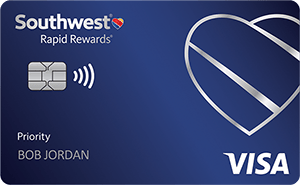
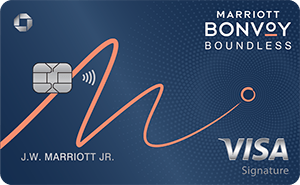
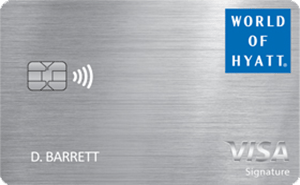
Annual fee
- $0 intro for the first year, then $150
- $229
- $95
- $95
Bonus offer
Rewards rates
• 5 miles per $1 on prepaid hotels booked through United.
• 3 miles per $1 on United purchases. Earn 3 additional miles per $1 on United airfare (excluding taxes and fees) just for holding the card.
• 2 miles per $1 at restaurants and hotels (when booked directly with hotel).
• 1 mile per $1 on all other purchases.
• 4 points per $1 on Southwest purchases.
• 2 points per $1 at gas stations and restaurants.
• 1 point per $1 on all other purchases.
Select benefits (see reviews for full list)
- First checked bag free for you and a companion on your reservation.
- Priority boarding.
- Two United Club one-time use passes per year.
- Global Entry, TSA Precheck or NEXUS statement credit every four years.
- Trip cancellation or trip interruption insurance.
- 25% back on in-flight purchases.
- First checked bag free for you and up to 8 companions on your reservation.
- 7,500-point annual anniversary bonus.
- Access to Standard or Preferred seats at booking, when available.
- Upgrade to Extra Legroom seats starting 48 hours from departure, when available.
- 25% discount on in-flight purchases.
- Free Night Award (valued up to 35,000 points) every year after account anniversary.
- Automatic Silver Elite status and accelerated path to Gold status.
- 15 Elite Night Credits (counts toward Elite Status) each calendar year.
- Earn 1 additional Elite Night Credit for every $5,000 you spend.
- One free night each card anniversary year at a Category 1-4 Hyatt hotel or resort. (Categories range from 1 to 8.)
- An additional free night at a Category 1-4 hotel or resort after spending $15,000 in an anniversary year.
- Automatic Discoverist status, which includes expedited check-in, room upgrades and late checkout when available. Plus, it allows you to reach the next elite status tier, Explorist, through card spending.
Pros of partner-branded travel cards by Chase
Every dollar spent enhances your airline or hotel loyalty. You can “double-dip” your rewards. If you're a member of an airline or hotel loyalty program, you earn rewards just for flying or staying, regardless of how you pay. But when you pay with a co-branded credit card, you earn additional points or miles on top of those you get for being a member.
Enjoy brand-specific perks. Since the card is issued in a direct partnership with the airline or hotel brand, it can give you benefits you won’t get with a general-purpose Chase Sapphire travel card. Chase doesn't have the authority to waive your checked bag fees on an airline or give you a free upgrade at a hotel — but the airline and the hotel do.
Cons of partner-branded travel cards by Chase
Less flexibility. Airline miles and hotel points lock you into redeeming through the co-brand partner. You might be able to use them with an airline's alliance partner, but you're still required to go through the airline to do so.
Restrictive redemption options. Airlines and hotels are notorious for restricting when you can redeem your rewards for a free flight or stay and for limiting how many seats on a given flight (or rooms at a given hotel on a given night) are available for "award travel" by people cashing in their points and miles.
Not all benefits are freebies. Although there are some hotel- and airline-branded cards issued by Chase without annual fees, they generally earn rewards at fairly paltry rates, and you won't get signature benefits that co-branded travel cards are known for. A no-fee airline card won’t offer free checked bags, and a no-fee hotel card likely won’t give you a free night every year. Conversely, cards with highly sought-after VIP benefits can have annual fees running into the hundreds of dollars.
Finding the right Chase travel card for you
Deciding which Chase travel credit card is right for you depends on how often you travel, your travel preferences and your everyday spending habits.
If you’d like to dip your toe into a flexible travel rewards credit card with a moderate annual fee, the Chase Sapphire Preferred® Card is a strong entry point. If you travel often and are willing to pay for a range of travel and lifestyle benefits, the Chase Sapphire Reserve® is hard to ignore.
But if you know what you like and your preferred airline carrier or hotel chain has a travel card with Chase, it’s worth exploring whether it is better suited to your tastes.
How to maximize your rewards
You want a travel credit card that prioritizes what’s important to you. Here are some of the best travel credit cards of 2026:
Flexibility, point transfers and a large bonus: Chase Sapphire Preferred® Card
No annual fee: Wells Fargo Autograph® Card
Flat-rate travel rewards: Capital One Venture Rewards Credit Card
Bonus travel rewards and high-end perks: Chase Sapphire Reserve®
Luxury perks: American Express Platinum Card®
Business travelers: Ink Business Preferred® Credit Card